Single tasking, the practice of focusing on one task at a time, is gaining traction as a powerful tool for enhancing productivity and reducing stress. This guide delves into the core principles, benefits, and practical strategies for effectively implementing single tasking in various aspects of life, from work and creativity to personal endeavors.
From understanding the fundamental differences between single and multi-tasking to exploring the diverse applications of this method, this comprehensive resource equips you with the knowledge and tools to master the art of single tasking. Learn how to optimize your focus, manage distractions, and maximize your efficiency.
Defining Single Tasking

Single tasking, in its simplest form, is the practice of focusing on one task at a time. This contrasts sharply with multitasking, which involves attempting to handle multiple tasks simultaneously. Understanding the nuances between these two approaches is crucial for optimizing productivity and reducing mental fatigue.Single tasking emphasizes deep engagement with a single objective. This dedicated focus allows for a more thorough and efficient completion of tasks, minimizing errors and maximizing output.
By eliminating the mental juggling inherent in multitasking, single tasking fosters a more focused and deliberate approach to work and personal activities.
Core Principles of Single Tasking
Single tasking relies on several core principles. These principles involve a deliberate shift in mindset and approach to work, and these are important to understand. It requires a commitment to concentrating on one task at a time without distractions. This includes prioritizing tasks and scheduling dedicated time slots for each.
Benefits of Single Tasking
Single tasking offers a multitude of benefits. By dedicating full attention to a task, individuals can enhance their efficiency, improve quality, and reduce errors. This focused approach leads to increased accuracy, greater satisfaction, and improved overall well-being. Single tasking also allows for better understanding of the task at hand, leading to improved problem-solving and decision-making.
Examples of Activities Benefiting from Single Tasking
Certain activities inherently benefit from the focused approach of single tasking. These tasks often involve complex problem-solving, detailed analysis, or creative expression. Examples include:
- Writing a complex research paper or report.
- Developing a detailed financial plan or strategy.
- Designing a sophisticated engineering project.
- Composing a musical piece or writing a novel.
- Solving a challenging mathematical problem.
These tasks often require significant mental effort and sustained concentration, which is better achieved through a single-tasking approach.
Single-Tasking vs. Multitasking
The following table contrasts single-tasking and multitasking, highlighting their respective advantages and disadvantages:
| Feature | Single-Tasking | Multitasking |
|---|---|---|
| Focus | Concentrated on a single task | Divided attention across multiple tasks |
| Efficiency | Generally higher efficiency due to reduced context switching | Lower efficiency due to frequent switching between tasks |
| Accuracy | Increased accuracy and reduced errors | Increased risk of errors due to divided attention |
| Creativity | Potentially enhanced creativity through deeper engagement | Potentially hindered creativity due to fragmented focus |
| Stress Levels | Potentially lower stress levels due to reduced mental workload | Potentially higher stress levels due to mental juggling |
| Time Management | Improved time management through focused effort | Potentially poor time management due to wasted time on context switching |
Single-tasking, while sometimes perceived as slower, often results in higher quality work and better outcomes in the long run. Multitasking, on the other hand, can lead to faster completion of tasks but often at the cost of accuracy and efficiency.
Benefits of Single Tasking
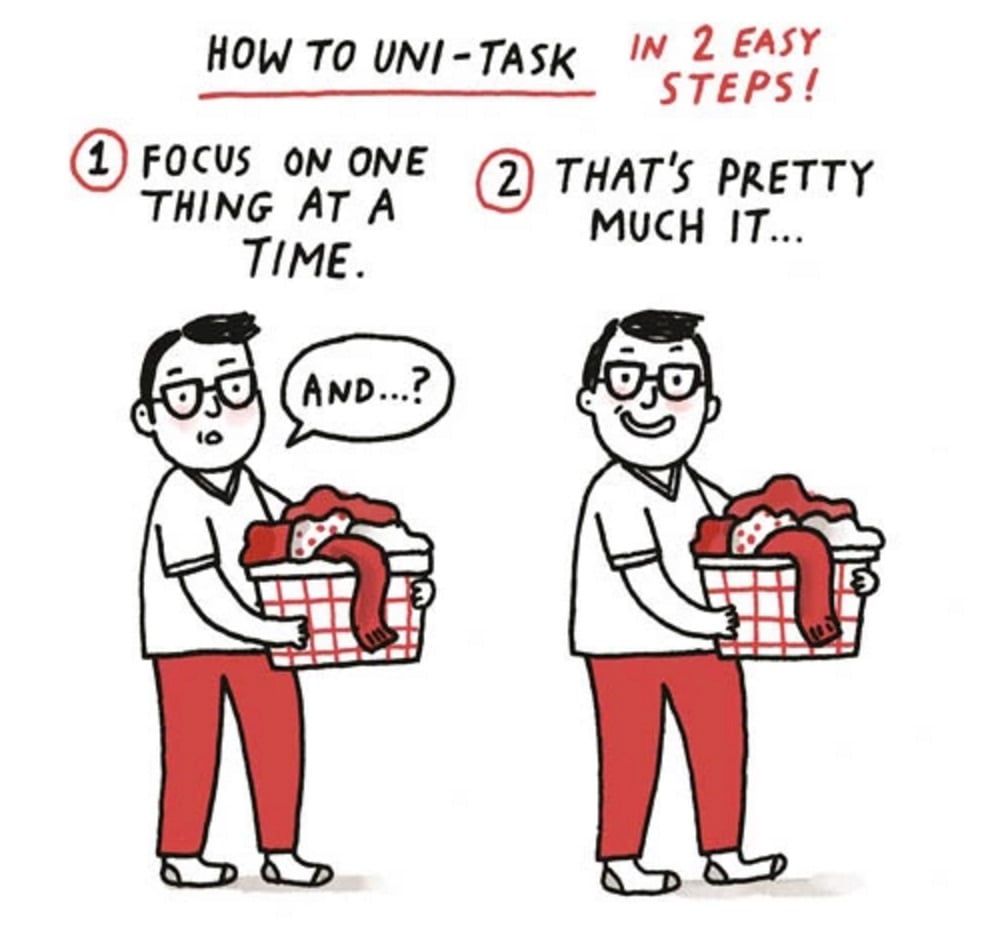
Single tasking, the practice of focusing on one task at a time, offers numerous advantages for individuals seeking to improve their efficiency and well-being. By minimizing distractions and maximizing concentration, single tasking can lead to significant improvements in productivity, focus, and overall well-being. This approach allows for a deeper engagement with the task at hand, fostering a more thorough and accurate outcome.Single tasking fosters a dedicated mental space for each task.
This focused approach leads to a more streamlined workflow, resulting in better task completion and reduced mental fatigue. The benefits extend beyond mere efficiency; they encompass a significant impact on cognitive well-being, including stress reduction and improved accuracy.
Impact on Focus and Concentration
Single tasking allows for a dedicated mental space, free from the distractions and mental juggling inherent in multitasking. This focused attention leads to a deeper level of concentration and heightened focus on the task at hand. The absence of competing demands on attention enables individuals to absorb information more effectively and process it with greater clarity. This sustained focus is crucial for optimal cognitive performance.
Improved Productivity
Single tasking enhances productivity by allowing individuals to dedicate their full attention and energy to a single task. This focused approach minimizes errors and reduces the time spent on task switching, leading to faster and more efficient completion. The result is a noticeable increase in overall productivity, allowing individuals to accomplish more in less time. A key aspect is the reduction in time spent on context switching, leading to a more streamlined workflow.
Reduction in Stress
The streamlined nature of single tasking significantly contributes to stress reduction. By eliminating the mental burden of juggling multiple tasks, individuals experience less mental pressure and anxiety. This dedicated focus on one task at a time reduces the feeling of being overwhelmed, promoting a more relaxed and composed state of mind. The result is a noticeable decrease in stress levels, which is directly linked to improved mental well-being.
Improved Accuracy in Tasks
Single tasking promotes a more thorough and detailed approach to task completion. The focused attention allows for a deeper engagement with the task’s nuances and intricacies, reducing the likelihood of errors. This deeper understanding, fostered by the absence of distractions, ultimately results in greater accuracy in completing tasks. The reduction in errors, combined with a more thorough approach, leads to increased quality in task outcomes.
Benefits in Different Areas of Life
| Area of Life | Benefits of Single Tasking |
|---|---|
| Work | Increased productivity, improved accuracy, reduced errors, streamlined workflow, enhanced problem-solving skills. |
| Studies | Improved comprehension, enhanced memory retention, better academic performance, reduced study time required for effective learning. |
| Personal Life | Reduced stress, enhanced focus on relationships, better time management, increased efficiency in household tasks. |
| Creativity | Enhanced focus on creative ideas, deeper exploration of concepts, improved ability to develop innovative solutions. |
Applying Single Tasking in Different Contexts
Single-tasking, the practice of focusing on one task at a time, offers significant advantages across various aspects of life. By minimizing distractions and maximizing concentration, individuals can improve efficiency, creativity, and learning. This approach is particularly valuable in demanding environments, whether professional or personal.
Improving Work Performance
Single-tasking fosters a deeper understanding of tasks, enabling individuals to approach projects with more precision and less wasted effort. This leads to higher quality work and reduced errors. By concentrating on a single objective, employees can achieve greater depth and clarity in their output, resulting in more efficient project completion. For instance, a software developer concentrating on a single module of code before moving on to the next will likely produce higher-quality code with fewer bugs compared to someone trying to manage multiple modules simultaneously.
This focused approach enhances productivity and reduces the time needed to complete tasks.
Applying Single-Tasking in Creative Endeavors
Creative pursuits often benefit from single-tasking. The focused concentration allows for a deeper engagement with the creative process, enabling individuals to tap into their imagination and develop unique ideas. When artists, writers, or musicians concentrate on a single aspect of their work, whether it’s refining a specific musical passage, developing a compelling character arc, or perfecting a painting technique, they can achieve a higher level of mastery.
This focused approach fosters a deeper connection with the creative process, leading to more impactful and original work. For example, a musician composing a symphony might find it more beneficial to dedicate time to refining a single section before moving on to the next.
Enhancing Learning and Comprehension
Single-tasking significantly improves learning and comprehension. By concentrating on one concept or piece of information at a time, individuals can fully grasp the nuances and intricacies involved. Students can delve into complex subjects with greater understanding and retention. This approach allows for a deeper processing of information, which can lead to improved academic performance. For example, a student studying for a history exam might find it more effective to focus on one historical period at a time rather than trying to cover several periods simultaneously.
This focused approach leads to better understanding and retention of knowledge.
Single-Tasking in Personal Life
Single-tasking can also enhance personal life. Whether pursuing a hobby, engaging in a conversation, or nurturing a relationship, single-tasking allows for a more engaged and meaningful experience. Individuals can fully appreciate the nuances of the situation, ensuring a more rewarding and fulfilling interaction. For instance, a gardener focusing on nurturing a single plant before moving to another is more likely to appreciate the subtle changes and needs of each individual plant.
This approach fosters a deeper appreciation for personal interests and relationships.
Comparison Table of Single-Tasking Benefits
| Life Sphere | Benefits of Single-Tasking |
|---|---|
| Work | Improved efficiency, higher quality work, reduced errors, faster project completion. |
| Creative Endeavors | Enhanced creativity, deeper engagement with the process, leading to more impactful and original work. |
| Learning | Improved understanding, better retention of information, enhanced comprehension of complex concepts. |
| Personal Life | More engaged and meaningful experiences, deeper appreciation for interests and relationships. |
Overcoming Challenges in Single Tasking
Embarking on a single-tasking journey often encounters obstacles. Understanding these hurdles and developing strategies to navigate them is crucial for success. This section delves into common challenges and provides actionable solutions to maintain focus and momentum.Procrastination, resistance to single-tasking, interruptions, and maintaining motivation are all potential roadblocks. Addressing these challenges head-on will empower individuals to fully harness the benefits of single-tasking.
Common Obstacles to Single-Tasking
Single-tasking, while offering significant advantages, is not without its difficulties. Understanding the potential obstacles is the first step in overcoming them. Common roadblocks include distractions, a lack of clear boundaries, and insufficient self-discipline. These factors can hinder progress and make maintaining focus challenging.
Strategies for Overcoming Procrastination and Resistance
Procrastination often stems from a fear of the task, a perceived lack of ability, or an overwhelming sense of the task’s complexity. To overcome procrastination, break down large tasks into smaller, more manageable steps. This approach reduces the perceived magnitude of the undertaking and makes progress more attainable. Employing time management techniques, such as the Pomodoro Technique, can also be instrumental.
This technique involves working in focused bursts with short breaks, promoting sustained concentration and combating feelings of overwhelm.
Techniques for Dealing with Interruptions During Single-Tasking Sessions
Interruptions are inevitable in any work environment. Establishing clear boundaries and communicating those boundaries to others is crucial. Using tools like website blockers or app timers can help create a dedicated workspace free from distractions. Scheduling specific times for handling interruptions or delegating tasks to others can also minimize disruptions during focused work periods.
Ways to Stay Motivated and Focused Throughout a Single-Tasking Project
Maintaining motivation throughout a single-tasking project requires consistent self-reflection and proactive strategies. Setting realistic goals and acknowledging milestones achieved along the way helps maintain momentum. Celebrating small victories can reinforce positive habits and enhance the overall experience. Visualizing the project’s completion and its benefits can also serve as a potent motivator.
Potential Obstacles and Solutions to Single-Tasking
| Obstacle | Solution |
|---|---|
| Procrastination | Break down tasks, set realistic deadlines, utilize time management techniques (e.g., Pomodoro Technique), and reward yourself for completing milestones. |
| Distractions | Identify and eliminate distractions, create a dedicated workspace, use website blockers or app timers, and communicate clear boundaries to others. |
| Interruptions | Establish clear boundaries and communicate them to others, schedule specific times for handling interruptions, and delegate tasks if possible. |
| Lack of Motivation | Set realistic goals, celebrate milestones, visualize project completion and its benefits, and maintain a positive mindset. |
| Resistance to Single-Tasking | Identify the root cause of resistance, break down tasks into smaller, manageable steps, and focus on the positive outcomes of single-tasking. |
Tools and Resources for Single Tasking
Embarking on a single-tasking journey requires the right tools and resources. A well-structured approach, encompassing digital and physical aids, organized workspaces, and meticulous planning, will significantly enhance focus and productivity. This section explores the essential tools and strategies for effective single-tasking.
Digital Tools Supporting Single Tasking
Effective digital tools can greatly assist in single-tasking by streamlining workflows and minimizing distractions. These tools offer features that promote focus and prevent multitasking.
- Dedicated Workspace Apps: Applications designed for specific tasks, such as writing, coding, or designing, often feature distraction-free modes and customizable settings to optimize concentration. Examples include focused writing apps, code editors with built-in concentration modes, or graphic design software with minimized interface options. These applications allow users to immerse themselves in the task at hand, eliminating interruptions from notifications and other applications.
- Task Management Software: Tools like Trello, Asana, and Todoist, while versatile for various project management approaches, can be configured for single-tasking. Using these platforms to meticulously schedule and track individual tasks fosters a sense of accomplishment and reduces mental clutter, supporting the single-tasking philosophy.
- Time Blocking Apps: Applications designed specifically for time management often incorporate features that help users allocate specific time blocks to particular tasks. This aids in focusing on one task at a time, allowing individuals to dedicate uninterrupted periods to each project, which aligns with the principles of single-tasking. These apps typically allow for visual representations of scheduled tasks and can send notifications to remind users of the allocated time blocks.
- Focus-Boosting Browser Extensions: Extensions like Freedom or Cold Turkey temporarily block distracting websites or applications during designated work periods, enabling users to maintain their focus on a single task. These tools are particularly useful for individuals prone to wandering attention.
Physical Tools for Single Tasking
Physical tools can complement digital aids, fostering a conducive environment for single-tasking.
- Dedicated Workspace: A designated area free from clutter and distractions is paramount. A dedicated workspace can help eliminate visual and auditory distractions, fostering a concentrated environment. Physical separation of work and relaxation zones can be especially effective in this regard.
- Ergonomic Equipment: An ergonomic chair, a well-lit workspace, and a comfortable keyboard and mouse are essential for maintaining focus and preventing physical discomfort. Proper posture and a comfortable setup can significantly contribute to extended periods of uninterrupted concentration.
- Noise-Canceling Headphones or Earplugs: These tools can effectively mitigate background noise, allowing users to concentrate fully on their tasks. The elimination of ambient noise disruptions can enhance focus and productivity, particularly in shared workspaces or environments with considerable background noise.
Organized Workspace for Single Tasking
A well-organized workspace is instrumental in single-tasking.
A well-organized workspace minimizes visual clutter and distractions, facilitating a focused environment. Essential items are easily accessible, preventing unnecessary interruptions during the task. A clutter-free workspace promotes mental clarity, contributing to sustained concentration and reduced stress.
Planning and Scheduling in Single Tasking
Proper planning and scheduling are essential for successful single-tasking.
A meticulously crafted schedule, with allocated time slots for each task, helps individuals stay focused. This proactive approach minimizes the need for constant decision-making, allowing for uninterrupted concentration on a single task within a predefined timeframe. Clear deadlines and a structured plan prevent procrastination and maintain momentum.
Routines and Time Management in Single Tasking
Establishing routines and effective time management are crucial for single-tasking.
Implementing a consistent daily routine, incorporating dedicated time slots for specific tasks, can optimize efficiency and focus. This approach eliminates the need for constant scheduling decisions and allows individuals to consistently maintain a single-tasking workflow. Time management techniques, like the Pomodoro Technique, can further enhance focus and productivity by breaking down tasks into manageable intervals.
Comparison of Single-Tasking Tools
| Tool | Description | Pros | Cons |
|---|---|---|---|
| Trello | Visual task management tool | Visually engaging, flexible | Can become cluttered if not organized |
| Asana | Project management platform | Detailed task breakdowns, collaboration features | Can be overwhelming for simple tasks |
| Freedom | Focus-boosting browser extension | Blocks distracting websites | Cannot block all distractions |
| Noise-canceling headphones | Reduces background noise | Improved focus, reduced distractions | Can be expensive |
Illustrative Examples of Single Tasking
Single-tasking, the practice of focusing on one task at a time, offers a powerful approach to improving productivity and reducing errors. This section provides practical examples demonstrating how single-tasking can enhance performance in various professional contexts. These examples highlight the tangible benefits of dedicated focus and illustrate how a single-tasking approach can streamline complex tasks and contribute to higher-quality output.Effective single-tasking involves not just completing one task, but also completing it with minimal distractions and maximum focus.
The following examples illustrate the positive impact of this approach on efficiency and quality.
Single-Tasking in Writing
Single-tasking in writing, particularly when tackling complex articles or reports, is crucial for maintaining clarity and accuracy. A writer focusing on one segment of an article at a time, for instance, can ensure each paragraph flows logically and effectively supports the overall argument. This focused approach avoids the mental juggling often associated with multitasking, reducing errors and enhancing the quality of the final product.
A detailed single-tasking session in the context of writing an article might involve:
- Focusing solely on researching a particular topic for a specific section of the article.
- Writing one paragraph at a time, ensuring coherence and logical progression of ideas.
- Proofreading and editing one segment before moving on to the next.
Single-Tasking in Software Development
In software development, single-tasking is vital for producing clean, error-free code. Developers concentrating on one module or function at a time avoid the confusion and potential bugs that can arise from trying to manage multiple tasks concurrently. The focused approach allows developers to thoroughly understand and implement each section, resulting in higher-quality software.
Single-Tasking in Data Analysis
Data analysis, a field often demanding meticulous attention to detail, is exceptionally well-suited to single-tasking. An analyst focusing on one dataset at a time can identify patterns and insights with greater accuracy. Single-tasking allows for deeper investigation and reduces the chance of overlooking crucial data points, enhancing the overall analysis. A typical single-tasking session for data analysis would include:
- Collecting a specific dataset for analysis.
- Cleaning and preparing the data for a particular task (e.g., data transformation, filtering).
- Applying analytical tools to one dataset at a time.
A Day-in-the-Life Example
Imagine a financial analyst dedicated to single-tasking. Their day might begin with focused analysis of quarterly financial reports, followed by a dedicated session to create detailed presentations for the upcoming board meeting. Later, they might focus entirely on constructing a detailed budget proposal, ensuring precision and accuracy in each step. This focused approach allows them to handle multiple tasks effectively while minimizing errors and maintaining a high standard of quality.
Single-Tasking Environment
A single-tasking environment fosters a sense of calm and focus. A dedicated workspace, free from distractions, is essential. Quiet music, a well-organized desk, and minimal notifications contribute to a focused atmosphere. This environment promotes concentration, enabling individuals to delve deeply into tasks and achieve optimal results.
Last Word

In conclusion, mastering single tasking unlocks a wealth of benefits, from enhanced focus and productivity to reduced stress and improved accuracy. By understanding the principles, implementing effective strategies, and overcoming potential challenges, you can transform your approach to work, creativity, learning, and personal life. This guide provides a practical roadmap for achieving optimal results through single-tasking.