Securing your financial future requires careful planning and understanding of investment strategies. This guide provides a comprehensive overview of various investment approaches, from defining your goals to building a diversified portfolio and managing potential risks. We’ll explore different investment types, strategies, and resources to empower you in making informed decisions.
By understanding your personal financial goals, such as retirement, education, or homeownership, you can create a tailored investment plan. This plan should consider your risk tolerance, time horizon, and available resources. We’ll discuss how to select appropriate investments, diversify your portfolio, and manage potential risks, enabling you to navigate the complexities of the investment world effectively.
Understanding Investment Goals
Investing effectively hinges on a clear understanding of your financial objectives. Without defined goals, investment decisions may be impulsive and potentially misaligned with your long-term aspirations. This section will explore the importance of defining various investment objectives, differentiating between short-term and long-term goals, and aligning your investment strategies with your personal financial roadmap.Investment objectives are the driving forces behind your financial decisions.
They dictate the types of investments, risk tolerance, and time horizons you should consider. Recognizing these objectives allows for a more focused and purposeful approach to achieving your desired outcomes.
Defining Investment Objectives
Different investment objectives cater to various life stages and aspirations. Retirement planning, education funding, and down payments for a home are common examples, each requiring a unique approach. A comprehensive understanding of these objectives is essential for developing a personalized investment strategy.
Short-Term vs. Long-Term Goals
Differentiating between short-term and long-term financial goals is crucial. Short-term goals, such as saving for a down payment on a house or a vacation, typically have a time horizon of a few years. Conversely, long-term goals, such as retirement planning or funding children’s education, span decades. Understanding the time horizon is key to selecting appropriate investment instruments and risk levels.
Aligning Investment Strategies with Personal Goals
A well-defined investment strategy should be directly aligned with your personal financial goals. For example, if your primary goal is retirement, your investment strategy should be geared towards building a portfolio that generates consistent income and capital appreciation over the long term. Similarly, if you are saving for a down payment, your strategy should focus on maximizing savings within a shorter timeframe.
Investment Goals and Time Horizons
The following table illustrates the connection between investment goals and their corresponding time horizons. The “Example Actions” column provides potential actions to consider for each goal. It’s crucial to remember that these are just examples, and your specific actions should be tailored to your individual circumstances.
| Goal | Time Horizon | Example Actions |
|---|---|---|
| Retirement | 20+ years | Investing in diversified stocks, bonds, and potentially real estate; considering a mix of aggressive and conservative investment options; potentially seeking professional financial advice; contributing regularly to retirement accounts. |
| Education | 5-10 years | Contributing to a 529 plan or other education savings account; investing in low-cost index funds or other suitable investments; considering potential tuition costs and adjusting investment strategy accordingly. |
| Down payment | 3-5 years | Maximizing savings; exploring high-yield savings accounts or certificates of deposit; considering investments with potentially higher returns; prioritizing high-liquidity investment options. |
Different Investment Types
Understanding various investment options is crucial for building a diversified and potentially profitable portfolio. Each investment type carries a unique risk-return profile, impacting its suitability for different financial goals and risk tolerances. Choosing the right investments is a key step in achieving long-term financial security.
Investment Options Overview
Different investment options offer varying degrees of risk and potential returns. A well-rounded portfolio typically includes a mix of these asset classes. This variety helps to mitigate overall risk while maximizing potential returns.
- Stocks represent ownership in a company. Higher potential returns are often paired with higher risk, as the value of stocks can fluctuate significantly. Examples of companies traded on stock exchanges include Apple, Microsoft, and Amazon. Stocks can be purchased directly or through mutual funds or exchange-traded funds (ETFs). Historical stock market performance shows periods of significant growth, but also periods of decline.
- Bonds are essentially loans made to governments or corporations. Bonds typically offer a more stable return compared to stocks, but their returns are generally lower. Bond prices are often influenced by interest rate changes. Examples include government bonds and corporate bonds. The stability of bonds makes them a valuable component of a diversified portfolio.
- Mutual Funds pool money from multiple investors to invest in a diversified portfolio of assets. This diversification can help reduce risk. They are professionally managed and offer a way for individuals to access a variety of investments without needing significant capital. The performance of mutual funds is dependent on the performance of the underlying investments within the fund.
- Real Estate involves owning physical property, such as residential or commercial buildings. Real estate investments can offer steady income through rent and potential appreciation in property value. Real estate investment trusts (REITs) are a way to participate in real estate without direct ownership. However, real estate investments can be illiquid and require significant upfront capital.
- Commodities are raw materials like gold, oil, or agricultural products. These investments can be influenced by global economic factors and market trends. Investing in commodities can serve as a hedge against inflation, but it is also a highly volatile asset class.
Risk and Return Comparison
The relationship between risk and return is a fundamental concept in investing. Higher potential returns typically come with higher levels of risk. Diversification is key to managing risk while potentially maximizing returns.
| Asset Class | Risk | Return Potential |
|---|---|---|
| Stocks | High | High |
| Bonds | Medium | Medium |
| Real Estate | Medium | Medium |
| Mutual Funds | Medium | Medium |
| Commodities | High | High |
Diversification in Investment Portfolios
Diversification is a strategy of spreading investments across different asset classes to reduce overall portfolio risk. By investing in a variety of assets, the impact of poor performance in one area can be offset by strong performance in another. This strategy helps to smooth out returns over time.
Investment Strategies

Crafting a successful investment journey requires more than just choosing investments. A well-defined strategy, tailored to your individual circumstances and financial goals, is paramount. This strategy serves as a roadmap, guiding your decisions and ensuring your investments align with your long-term aspirations. Understanding various investment approaches and your personal risk tolerance is crucial for building a robust and effective investment plan.
Investment Approaches
Different investment approaches cater to diverse investor profiles and goals. Understanding these approaches allows you to select strategies that best align with your objectives and risk tolerance.
- Value Investing: This strategy focuses on identifying undervalued securities. Investors analyze a company’s financial health, future prospects, and market conditions to determine if its current market price is significantly below its intrinsic value. Successful value investors often possess strong analytical skills and a long-term perspective, as identifying undervalued companies may require significant research and patience. Examples include companies experiencing temporary setbacks but with promising long-term potential.
- Growth Investing: This approach centers on identifying companies with strong growth potential. Investors look for businesses experiencing rapid revenue and earnings growth, often in emerging or high-growth sectors. Growth investors typically have a higher risk tolerance and are willing to invest in companies with less established track records but promising future prospects. An example is investing in a company developing innovative technology, anticipating high returns from market adoption.
- Dividend Investing: This strategy focuses on companies that consistently pay dividends to shareholders. Investors seek companies with a history of stable or growing dividend payouts. This approach offers potential income generation and capital appreciation. Companies with a long history of dividend payouts often represent financially stable entities, potentially providing a steady stream of income, although growth may be less dramatic compared to growth investing.
Personalizing Your Investment Strategy
A personalized investment strategy is crucial for achieving financial goals. It considers individual circumstances, risk tolerance, and financial objectives. A customized approach ensures investments align with your specific needs and aspirations. Tailoring the strategy to your individual profile maximizes the potential for success.
Risk Tolerance and Investment Strategy
Risk tolerance significantly influences the appropriate investment strategy. Individuals with a high risk tolerance might consider more aggressive approaches, such as growth investing, while those with a lower risk tolerance may opt for more conservative strategies, such as dividend investing. Understanding your personal risk tolerance is paramount to selecting the right approach. The following table illustrates how risk tolerance affects potential returns and the associated level of risk.
| Risk Tolerance | Investment Approach | Potential Returns | Level of Risk |
|---|---|---|---|
| High | Growth Investing | Potentially higher | Potentially higher |
| Medium | Balanced Portfolio (mix of growth and value) | Moderate | Moderate |
| Low | Value Investing, Dividend Investing | Potentially lower | Potentially lower |
Developing an Investment Strategy
Developing a robust investment strategy involves a structured process.
- Define Financial Goals: Clearly articulate your financial objectives (e.g., retirement, buying a home, funding education). Specific and measurable goals are essential for effective investment planning.
- Assess Risk Tolerance: Evaluate your comfort level with potential investment losses. A thorough understanding of risk tolerance is essential for choosing suitable investments.
- Select Investment Approach: Choose an investment strategy that aligns with your goals and risk tolerance. Consider factors such as diversification, asset allocation, and time horizon.
- Develop an Investment Plan: Artikel specific investment choices, asset allocation, and rebalancing strategies. Regular monitoring and adjustments are critical for long-term success.
- Monitor and Revise: Periodically review and adjust your investment strategy to ensure it remains aligned with your goals and evolving circumstances. Adjustments might be necessary to adapt to changing market conditions and personal circumstances.
Building a Portfolio
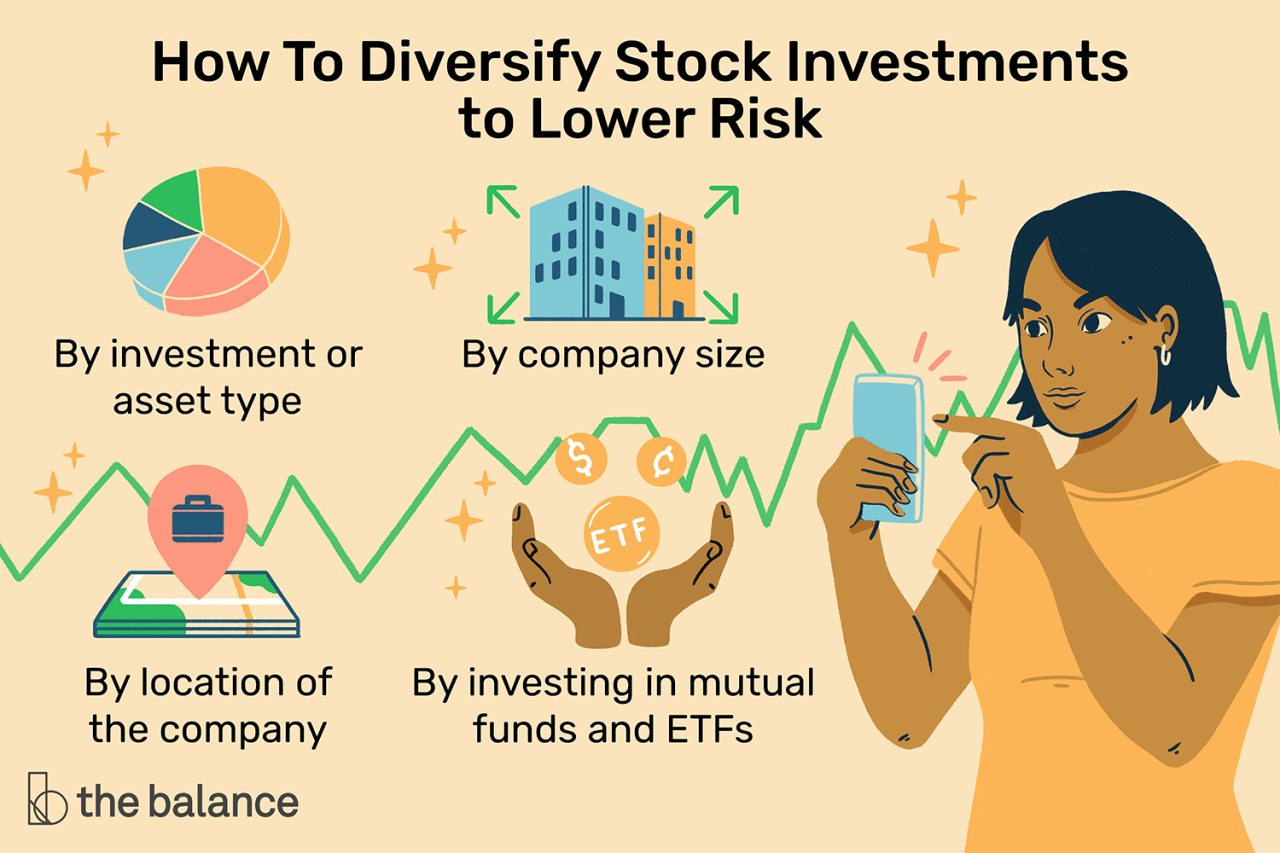
Constructing a well-diversified investment portfolio is a crucial step in achieving long-term financial goals. A well-structured portfolio safeguards your investments against market fluctuations and maximizes potential returns. This process involves careful consideration of your risk tolerance, financial objectives, and available resources. A well-thought-out strategy, combined with consistent review and adjustments, is paramount for success.A well-diversified portfolio is built on the principle of risk mitigation.
By spreading investments across various asset classes, you reduce the impact of any single investment’s poor performance on your overall portfolio. This strategy is akin to not putting all your eggs in one basket. Consistent rebalancing is essential to maintain the desired asset allocation.
Steps in Portfolio Construction
Understanding the process of portfolio construction is vital for achieving financial success. The steps Artikeld below are fundamental to building a strong and resilient investment portfolio.
- Research Investment Options: Thoroughly investigating different investment vehicles, such as stocks, bonds, mutual funds, and real estate, is paramount. Understanding the characteristics, risks, and potential returns of each option is crucial for informed decision-making. Research should consider factors such as historical performance, current market trends, and future projections. Comparative analysis across various investment options provides a clear picture of potential returns and associated risks.
- Determine Risk Tolerance: Assessing your comfort level with investment risk is a critical step. Consider your age, financial situation, and time horizon when evaluating your risk tolerance. A younger investor with a longer time horizon might be more comfortable with higher-risk investments, while a retiree might prefer lower-risk options. Understanding your risk tolerance helps you choose investments that align with your comfort level and long-term financial goals.
- Set Financial Goals: Defining clear and specific financial goals is essential. Whether it’s saving for retirement, a down payment on a house, or funding education, establishing these goals provides direction for your investment strategy. These goals should be quantified and time-bound, creating a clear roadmap for your investments.
- Diversify Investments: Diversification is a cornerstone of portfolio construction. Distributing investments across various asset classes, such as stocks, bonds, real estate, and alternative investments, helps mitigate risk. A well-diversified portfolio reduces the impact of any single investment’s poor performance on the overall portfolio. A portfolio with diverse holdings across different asset classes provides a buffer against market fluctuations.
- Regularly Review and Adjust: Portfolio performance should be monitored regularly, and adjustments should be made as needed. Market conditions change, and your risk tolerance might evolve over time. Periodic reviews and adjustments ensure that your portfolio continues to align with your financial goals and risk tolerance. This ongoing review and adjustment process is essential to maintain the desired asset allocation and ensure the portfolio remains consistent with your financial goals.
Asset Allocation
A well-structured portfolio is built on a strategic allocation of assets across different investment types. This approach balances risk and potential return, aligning with individual financial goals. A well-balanced portfolio distributes investments across different asset classes to manage risk effectively.
- Stocks: Stocks represent ownership in a company and offer the potential for higher returns, but also carry higher risk. Stocks are a common choice for long-term growth, often included in portfolios of investors seeking higher returns.
- Bonds: Bonds are debt securities issued by governments or corporations, offering relatively lower risk compared to stocks but with lower potential returns. Bonds are a reliable option for investors seeking stability and moderate returns.
- Real Estate: Real estate investments can offer diversification and potential appreciation, although they come with their own set of complexities and potential risks. Real estate is a tangible asset that can provide long-term stability and appreciation, making it a valuable component of a diversified portfolio.
- Alternative Investments: Alternative investments, such as commodities, private equity, or hedge funds, can provide diversification and potentially higher returns, but they also carry higher risks. These investments are considered more sophisticated, with more involved research and analysis required.
Rebalancing a Portfolio
Rebalancing a portfolio involves adjusting the asset allocation to maintain the desired proportions. This process ensures that the portfolio aligns with your current risk tolerance and financial objectives.Rebalancing a portfolio involves periodically adjusting the asset allocation to maintain the target proportions. This proactive approach ensures the portfolio aligns with your current risk tolerance and financial objectives. Regular rebalancing is a vital aspect of portfolio management, helping to preserve the desired risk profile and maintain the portfolio’s alignment with your financial objectives.
Building a Robust Investment Portfolio
Building a strong investment portfolio requires careful planning and consistent effort.
- Research investment options: Thoroughly investigate various investment vehicles, understanding their characteristics, risks, and potential returns.
- Determine risk tolerance: Evaluate your comfort level with investment risk based on your age, financial situation, and time horizon.
- Set financial goals: Define clear and measurable financial goals, such as saving for retirement or a down payment.
- Diversify investments: Distribute investments across different asset classes to mitigate risk.
- Regularly review and adjust: Monitor portfolio performance and make adjustments as needed to maintain alignment with your goals and risk tolerance.
Managing Investment Risks
Investing in the future involves navigating potential risks. Understanding these risks and developing strategies to mitigate them is crucial for long-term financial success. Careful planning and proactive risk management can significantly enhance the likelihood of achieving investment goals while protecting accumulated capital.Effective risk management involves a multifaceted approach, encompassing various factors such as market fluctuations, inflation, and economic uncertainties.
A well-structured investment plan considers these elements and Artikels strategies to minimize their impact on the overall portfolio. This proactive approach ensures that investments are aligned with long-term goals while safeguarding against unexpected events.
Identifying Potential Investment Risks
Investment risks are inherent in the financial markets. A thorough understanding of these risks is essential for making informed decisions. Market volatility, inflation, and economic downturns are key considerations in this process.
- Market Volatility: Fluctuations in market prices are an inherent characteristic of financial markets. These fluctuations can result from various factors, including economic news, global events, and investor sentiment. The unpredictability of these factors can lead to significant price swings in different asset classes.
- Inflation: Inflation erodes the purchasing power of money over time. As prices rise, the value of investments can decline if returns do not keep pace with inflation. Inflationary pressures can impact different asset classes differently, requiring a nuanced investment approach.
- Economic Downturns: Economic downturns are periods of reduced economic activity, often characterized by decreased consumer spending, business closures, and high unemployment rates. During these periods, investments may experience significant losses as confidence in the market wanes.
Strategies for Mitigating Investment Risks
Diversification is a key strategy for mitigating investment risks. Diversification involves spreading investments across different asset classes, such as stocks, bonds, and real estate, to reduce exposure to any single market or sector.
- Diversification: Diversification helps reduce the impact of adverse events in a single asset class. By spreading investments across various sectors and asset types, investors can minimize the risk of substantial losses due to a downturn in a specific market segment.
- Asset Allocation: Strategic allocation of assets across different investment vehicles is crucial for minimizing risks. A well-defined asset allocation strategy takes into account the investor’s risk tolerance, time horizon, and financial goals.
- Risk Tolerance Assessment: Understanding individual risk tolerance is essential for crafting an effective investment strategy. Risk tolerance is the degree of risk an investor is willing to accept in pursuit of potential returns. Investors with lower risk tolerance may favor less volatile investments, such as bonds.
Importance of an Emergency Fund
Having an emergency fund is critical for managing unexpected financial events. An emergency fund provides a safety net for covering unexpected expenses, preventing the need to liquidate investments during times of financial hardship.
- Financial Security: An emergency fund acts as a buffer against unforeseen circumstances, such as job loss, medical emergencies, or car repairs. This buffer allows for financial stability without jeopardizing long-term investment goals.
- Investment Protection: An adequate emergency fund protects investments from forced liquidation during periods of financial stress. This preservation allows the investments to continue growing and contributing to long-term financial objectives.
Planning for Unexpected Financial Events
A comprehensive financial plan should incorporate strategies for handling unexpected events. This plan should Artikel how to respond to various scenarios, from job loss to medical emergencies.
- Contingency Planning: A contingency plan should Artikel specific steps to take in response to different financial emergencies. This includes strategies for managing expenses, accessing financial resources, and maintaining essential financial obligations.
- Insurance Considerations: Insurance plays a vital role in protecting against unexpected events. Comprehensive insurance coverage for health, home, and vehicles can mitigate financial losses associated with unforeseen circumstances.
- Regular Review and Adjustment: Investment plans and emergency funds should be reviewed and adjusted periodically to ensure alignment with evolving financial goals and circumstances. This proactive approach allows for adaptation to changing market conditions and personal financial situations.
Investment Tools and Resources
Navigating the world of investments can feel overwhelming. Fortunately, a wealth of resources and tools are available to help you make informed decisions. Understanding these resources will empower you to confidently build a portfolio aligned with your financial goals.Reliable resources for investment education are crucial for building a solid foundation. These resources provide insights into various investment strategies, market trends, and risk management techniques.
This knowledge equips you to make informed decisions and manage your investments effectively.
Reliable Investment Education Resources
Numerous reputable organizations offer valuable investment education resources. These resources cover a broad range of topics, from fundamental investment principles to advanced strategies.
- Financial Institutions: Banks, credit unions, and investment firms often provide educational materials and workshops on investment topics. These resources can offer practical guidance and insights into specific financial products.
- Government Agencies: Government agencies, such as the Securities and Exchange Commission (SEC) in the United States, offer educational materials and resources on investment topics. These resources often cover legal aspects, regulations, and market insights.
- Non-profit Organizations: Many non-profit organizations dedicated to financial literacy provide educational materials and workshops on investment topics. These resources are frequently designed to help individuals from diverse backgrounds understand and navigate investments.
- Online Courses and Platforms: Numerous online platforms and courses offer comprehensive investment education programs. These resources are often interactive and tailored to various learning styles, making them accessible and engaging.
Investment Tools and Platforms
Choosing the right tools and platforms can significantly impact your investment journey. These tools streamline the investment process, allowing you to manage your portfolio efficiently.
- Brokerage Accounts: Brokerage accounts are essential for executing trades and managing investments. They provide access to a wide range of investment options, including stocks, bonds, mutual funds, and exchange-traded funds (ETFs). Different brokerage accounts cater to various needs and budgets, offering features such as fractional shares and online platforms for easy access.
- Robo-advisors: Robo-advisors are automated investment platforms that utilize algorithms to manage portfolios based on your investment goals and risk tolerance. They often offer low-cost investment options and require minimal user intervention, making them suitable for individuals seeking a hands-off approach to investment management. Examples include Betterment and Wealthfront.
Importance of Professional Financial Advice
Seeking professional financial advice can significantly enhance your investment success. A financial advisor can provide personalized guidance tailored to your specific needs and circumstances.
A financial advisor can offer valuable insights, assess your risk tolerance, and develop a customized investment strategy. They can help you navigate complex financial decisions and ensure your investments align with your long-term goals. Consider factors such as your investment experience, risk tolerance, and financial goals when deciding whether to seek professional financial advice.
Investment Resources and Specializations
Numerous investment resources cater to various specializations, each offering unique insights and expertise. Understanding these specializations can help you choose the most relevant resources for your investment goals.
| Resource Type | Specialization |
|---|---|
| Investment Banks | Providing financial advisory services, underwriting securities, and capital markets |
| Mutual Fund Companies | Managing diversified investment portfolios |
| Hedge Funds | Utilizing various strategies to generate high returns |
| Private Equity Firms | Investing in private companies |
Staying Informed and Adapting
Investing is not a static process; the financial landscape is constantly evolving. Market trends, economic conditions, and investor sentiment all influence returns. Therefore, continuous learning and adaptability are crucial for long-term investment success. A flexible approach allows investors to adjust their strategies to capitalize on opportunities and mitigate risks in a dynamic environment.
Importance of Market and Economic Awareness
Staying informed about market trends and economic conditions is essential for making sound investment decisions. Understanding prevailing interest rates, inflation projections, and geopolitical events can help investors anticipate potential market shifts. Monitoring news from reputable financial sources and economic indicators, like GDP growth, unemployment rates, and consumer confidence, provide insights into the overall economic climate. This knowledge empowers investors to make informed decisions and adjust their portfolios accordingly.
Adapting Investment Strategies
Market conditions change frequently. Investment strategies need to be adaptable to accommodate these shifts. A well-diversified portfolio, for example, can cushion against downturns in specific sectors. If a particular sector experiences a significant decline, a diversified portfolio allows for adjustments without significantly impacting overall returns. Similarly, recognizing emerging market trends, such as the rise of sustainable investments, allows investors to capitalize on new opportunities.
This proactive approach helps investors navigate market volatility and maintain long-term financial goals.
Continuous Learning in Investment Success
Investment success hinges on continuous learning. The financial world is constantly evolving, with new investment products, strategies, and regulations emerging. Staying updated through financial publications, online resources, and professional development courses ensures investors remain abreast of these developments. This proactive approach helps in refining investment strategies, identifying potential risks, and seizing opportunities.
Illustrative Investment Plan and Portfolio Growth
Consider an investor aiming for retirement in 10 years, with a targeted portfolio return of 7% annually. Initially, the portfolio is primarily invested in stocks (60%) and bonds (40%). Over time, as the investor gets closer to retirement, the allocation shifts to a higher proportion of bonds (50%) and lower proportion of stocks (50%).
| Year | Portfolio Allocation (Stocks/Bonds) | Portfolio Value (USD) | Annual Return (%) |
|---|---|---|---|
| 1 | 60%/40% | 100,000 | 7% |
| 2 | 60%/40% | 107,000 | 7% |
| 3 | 60%/40% | 114,490 | 7% |
| 4 | 60%/40% | 122,504 | 7% |
| 5 | 60%/40% | 131,080 | 7% |
| 6 | 60%/40% | 140,255 | 7% |
| 7 | 60%/40% | 150,073 | 7% |
| 8 | 60%/40% | 160,578 | 7% |
| 9 | 55%/45% | 171,818 | 7% |
| 10 | 50%/50% | 183,848 | 7% |
This illustrative example demonstrates the potential impact of a consistent investment plan and portfolio adjustments over time. Factors like market fluctuations and individual investment choices will affect actual results.
Wrap-Up

In conclusion, successful investing is a journey that requires continuous learning and adaptation. By understanding your goals, exploring different investment types, developing a personalized strategy, and actively managing risk, you can build a strong foundation for your future financial well-being. This comprehensive guide equips you with the knowledge and tools to navigate the investment landscape confidently and make sound financial decisions.