Unlocking career advancement often hinges on the ability to network effectively. This guide delves into the intricacies of building and leveraging professional networks, providing actionable strategies for navigating diverse networking environments. From mastering face-to-face interactions to maximizing online opportunities, you’ll gain a profound understanding of how to network for career growth, transforming connections into tangible career advancement.
The modern job market demands a proactive approach to career development. Effective networking is no longer a supplementary skill, but a cornerstone of professional success. This comprehensive guide equips you with the tools and knowledge to navigate the complexities of networking, from initial contact to long-term relationship building.
Defining Networking for Career Growth
Networking is a crucial aspect of career advancement in today’s dynamic job market. It involves building and maintaining relationships with individuals in your professional field to gain insights, explore opportunities, and ultimately, enhance your career trajectory. This multifaceted process goes beyond simple socializing; it’s about strategically connecting with people who can provide valuable support and guidance.A strong network can open doors to new roles, mentorship, industry knowledge, and collaborative projects.
It’s about fostering relationships that can lead to career advancement, and it is increasingly vital in a world where online platforms and virtual interactions play a significant role in professional development.
Networking Activities for Career Advancement
Networking activities are diverse and encompass various methods for building professional relationships. These activities are not mutually exclusive; often a combination of strategies is most effective. Effective networking involves a proactive approach, leveraging different avenues to connect with people in your field.
- Professional Events: Attending industry conferences, workshops, and networking events allows you to connect with professionals in your field, learn about new trends, and discover potential opportunities. These events often provide a structured environment for meeting and interacting with people who share similar interests and goals. Examples include industry conferences, seminars, trade shows, and association meetings. These can be valuable for expanding your professional circle and learning from industry leaders.
- Online Platforms: Utilizing online platforms like LinkedIn, professional forums, and industry-specific communities enables you to connect with professionals worldwide. Online platforms facilitate proactive relationship building, providing opportunities for engagement and information exchange. Active participation on these platforms through thoughtful contributions and engagement can lead to valuable connections and new insights.
- Informational Interviews: Conducting informational interviews with individuals in your field of interest allows you to gain valuable insights and learn from their experiences. This proactive approach provides a unique opportunity to ask questions and learn about potential career paths. These conversations often provide valuable perspectives and mentorship opportunities.
Importance of Networking in the Modern Job Market
Networking has become increasingly vital in the modern job market. The traditional reliance on job postings and recruiters is often supplemented by connections and recommendations. A strong network provides access to insider knowledge, emerging opportunities, and valuable mentorship, significantly enhancing career advancement prospects. This is especially true in fields with competitive hiring processes.
Comparing Networking Strategies
The effectiveness of networking strategies varies depending on the specific goals and context. This table Artikels some common strategies and their advantages and disadvantages:
| Strategy | Advantages | Disadvantages | Examples |
|---|---|---|---|
| Professional Events | Structured environment for meeting peers, learning about industry trends, potential opportunities. Exposure to industry leaders. | Can be time-consuming, requires preparation, may not always lead to immediate connections. | Industry conferences, workshops, trade shows, association meetings. |
| Online Platforms | Global reach, access to diverse professionals, cost-effective, ongoing interaction. | Can be overwhelming, requires active participation, potential for superficial connections. | LinkedIn, industry forums, professional communities. |
| Informational Interviews | Direct access to expertise, personalized insights, mentorship potential, targeted knowledge acquisition. | Requires preparation and follow-up, may not always lead to immediate opportunities. | Reaching out to professionals for brief conversations, gathering insights on career paths. |
Building a Strong Professional Network
Cultivating a robust professional network is crucial for career advancement. It provides access to valuable insights, mentorship opportunities, and potential job prospects. Building this network is an ongoing process, requiring consistent effort and genuine engagement with others. A strong network fosters collaboration and support, enabling individuals to navigate career challenges and achieve their professional goals.A strong professional network is not simply a collection of contacts; it’s a dynamic ecosystem of relationships built on mutual respect, shared interests, and a commitment to supporting each other’s professional endeavors.
It extends beyond superficial interactions and encompasses genuine connections that can provide invaluable support and guidance throughout a career.
Key Characteristics of a Strong Professional Network
A robust professional network is characterized by interconnectedness, mutual benefit, and ongoing engagement. Members actively support each other’s growth and development, fostering a collaborative environment. This network should extend beyond immediate colleagues, encompassing individuals in diverse roles and industries. A well-developed network offers various perspectives and opportunities.
Strategies for Building a Strong Network of Contacts
Building a strong professional network involves proactive engagement and consistent effort. Networking events, industry conferences, and online platforms provide opportunities to connect with professionals in your field. Participating in these events allows you to build rapport with potential mentors and collaborators. Initiating conversations and exchanging contact information are crucial steps in establishing these connections.
Importance of Maintaining Relationships with Your Network
Maintaining relationships within your network is essential for its long-term value. Regular communication, whether through informal check-ins or formal updates, strengthens bonds and fosters mutual support. Staying informed about the professional journeys of your contacts demonstrates genuine interest and strengthens the relationship. Showing genuine interest in their success builds trust and strengthens the network.
Examples of Building and Nurturing Relationships
Regular communication, whether through brief emails, LinkedIn messages, or attending industry events, helps maintain connections. Offering support, such as sharing relevant articles or introducing contacts, demonstrates your commitment to the relationship. Sharing professional accomplishments and seeking advice from your network fosters a collaborative spirit. Demonstrating genuine interest in your contacts’ work and career goals strengthens relationships and creates opportunities for reciprocal support.
For example, sending a thoughtful birthday message or congratulating them on a promotion shows you care about their well-being and professional success.
Networking Resources for Career Development
Leveraging various networking resources can significantly enhance career growth.
- Industry-Specific Associations: Joining professional organizations related to your field provides opportunities to connect with peers, attend events, and access valuable resources.
- Online Platforms: Utilizing platforms like LinkedIn, Twitter, and industry-specific forums facilitates interaction with professionals in your field. These platforms offer avenues to engage with industry trends and stay updated on emerging opportunities.
- Networking Events: Attending industry conferences, workshops, and networking events presents opportunities to meet new people and expand your professional circle. These gatherings allow you to build relationships with individuals in your field.
- Mentorship Programs: Engaging in mentorship programs provides guidance and support from experienced professionals. This can accelerate your career development and provide insights into industry best practices.
- Volunteer Opportunities: Participating in volunteer work in your field allows you to interact with professionals and gain experience in a supportive environment.
Mastering Networking Techniques
Effective networking is more than just exchanging business cards; it’s about building genuine connections. This section explores key techniques for maximizing your interactions at networking events and forging lasting relationships. Developing these skills will significantly enhance your opportunities for career growth.Understanding the nuances of communication, crafting a compelling first impression, and initiating meaningful conversations are crucial for making the most of networking events.
These techniques, coupled with insightful questioning, can lead to valuable connections and potential career advancement.
Effective Communication Techniques for Networking Events
Mastering effective communication is fundamental to successful networking. Active listening, clear articulation, and appropriate body language contribute significantly to positive interactions. Maintaining eye contact, using open body language, and speaking with enthusiasm demonstrates genuine interest in the other person. Avoid distractions like your phone and actively engage in the conversation. Practice these skills to project confidence and create a positive impression.
Making a Strong First Impression at Networking Events
A strong first impression sets the tone for the entire interaction. Arrive on time, be well-groomed, and maintain a positive and approachable demeanor. A firm handshake and a genuine smile are powerful tools for initial engagement. Prepare a concise and compelling elevator pitch highlighting your skills and experience. A well-rehearsed introduction can leave a lasting positive impact on your connections.
Initiating and Maintaining Conversations with New Contacts
Initiating conversations requires confidence and a proactive approach. Look for common ground, ask open-ended questions, and listen attentively to responses. Maintain a conversational flow by building upon the previous points. Show genuine interest in your contact’s experiences and perspectives, fostering a connection based on mutual respect. Be mindful of your contact’s time and keep the conversation focused and engaging.
Asking Insightful Questions to Learn More About Others’ Experiences and Expertise
Asking insightful questions demonstrates genuine interest and helps you learn about your contacts’ expertise. Open-ended questions, focusing on experiences and perspectives, encourage more detailed responses. Focus on exploring their journey, challenges, and successes. Tailor your questions to the context of the conversation and avoid generic or overly personal inquiries.
Networking Scenarios and Appropriate Responses
| Scenario | Suggested Approach | Example Phrases |
|---|---|---|
| Meeting someone you’ve never met before at a conference | Be friendly and approachable. Offer a brief introduction, highlighting your area of expertise. Ask a question about their work or the conference. | “Hi, I’m [Your Name]. I’m a [Your Profession] and I’m really interested in the [Specific topic] panel today. What’s your take on that?” |
| Engaging in a conversation that’s becoming repetitive | Be mindful of the conversation flow and gently steer it towards a new topic. | “That’s interesting. Speaking of [previous topic], have you noticed any trends in [new topic] lately?” |
| Running into a contact you know from a previous networking event | Acknowledge the connection, and refresh your memory of the previous conversation. Ask about their recent projects or activities. | “Hi [Contact Name]! It’s great to see you again. I enjoyed our conversation at the last conference. What have you been up to since then?” |
Utilizing Online Platforms for Networking
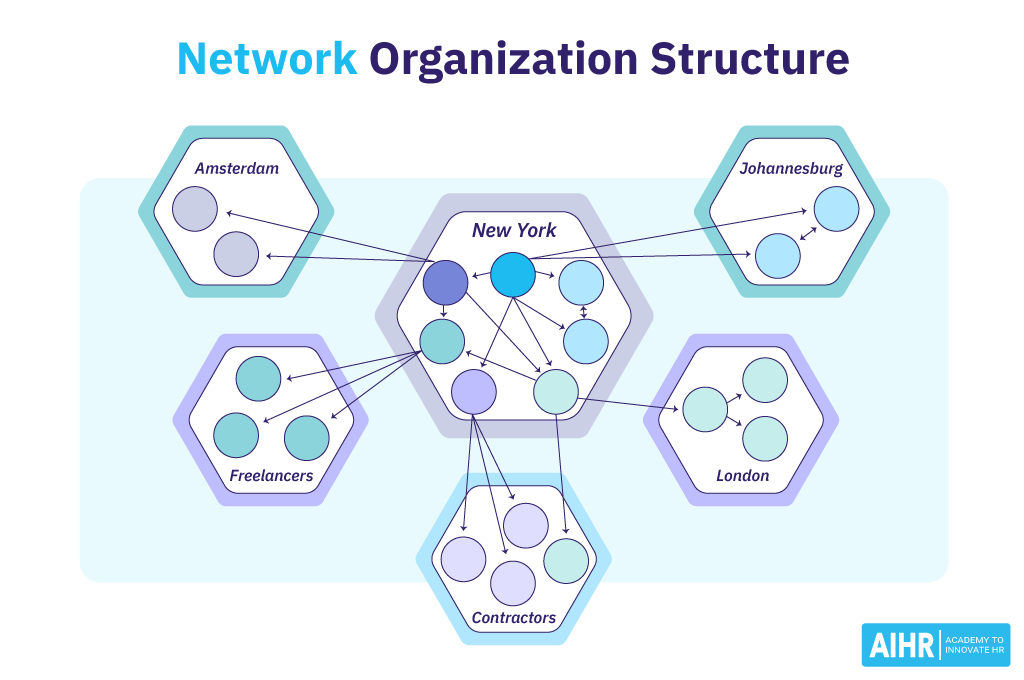
Online platforms have revolutionized professional networking, offering unparalleled opportunities to connect with individuals across geographical boundaries and industries. These platforms provide a dynamic space for building relationships, sharing knowledge, and advancing your career trajectory. Leveraging these tools effectively can significantly enhance your professional visibility and open doors to new opportunities.
Effective Strategies for Connecting with Professionals Online
A robust online presence is crucial for success in today’s interconnected world. Establishing a strong online profile and actively engaging with the professional community can lead to meaningful connections and valuable collaborations. This section details strategies for building meaningful connections online.
Networking online is not merely about accumulating contacts; it’s about fostering genuine relationships based on mutual respect and shared interests. Focus on quality over quantity when engaging with others.
- Research and Targeting: Before reaching out, research the individuals you want to connect with. Identify their professional background, areas of expertise, and shared interests. This demonstrates genuine interest and allows for more meaningful interactions.
- Personalized Introductions: Avoid generic connection requests. Craft personalized messages that highlight your shared interests or mutual connections. Mention specific projects or articles that you found insightful, demonstrating that you’ve taken the time to understand their work. This approach differentiates you from other connections.
- Active Participation: Don’t just passively observe online discussions. Contribute insightful comments and questions that add value to the conversation. Share your expertise and engage with others’ perspectives. This fosters a reputation as a knowledgeable and engaged professional.
- Follow-Up and Engagement: Maintaining consistent engagement is vital. Follow up on conversations, participate in relevant groups, and stay updated on industry trends. This proactive approach strengthens relationships and keeps you visible to potential connections.
Creating a Compelling LinkedIn Profile
A well-crafted LinkedIn profile is your digital resume and personal brand. It’s the first impression you make on potential employers, collaborators, and mentors. Optimizing your profile can significantly boost your visibility and attract opportunities.
A compelling LinkedIn profile showcases your skills, experience, and personality, while highlighting your value proposition to potential connections.
- Profile Picture and Background: Choose a professional headshot and a visually appealing background that reflects your industry and personal brand. Ensure high-quality images that project a positive and credible image.
- Headline and Summary: Craft a concise and compelling headline that highlights your key skills and experience. The summary section should be a concise narrative of your career journey, emphasizing your achievements and aspirations. This section should be tailored to the target audience.
- Experience Section: Describe your past roles with detail, quantifying achievements wherever possible. Use action verbs and highlight your contributions to previous organizations. Highlight quantifiable results and the impact of your work.
- Skills and Recommendations: List relevant skills that align with your career goals. Encourage colleagues to provide recommendations to add credibility and build trust.
Examples of Online Engagement
Engaging in online discussions and building relationships requires thoughtful participation and genuine interest.
Examples of effective online engagement include asking thoughtful questions, sharing relevant articles, and contributing to discussions with insights and perspectives.
- Asking Thoughtful Questions: Pose questions that encourage further discussion and demonstrate your understanding of the topic. Avoid generic or superficial questions.
- Sharing Relevant Articles: Share articles or resources that align with the conversation, providing additional context or perspectives. Mention why you found the material valuable.
- Contributing Insights and Perspectives: Share your insights and perspectives, demonstrating your knowledge and understanding of the topic. Support your claims with evidence and cite your sources.
Utilizing Industry Forums for Networking
Specialized online forums offer a dedicated space for professionals in specific industries to connect, share knowledge, and explore opportunities.
Participating in industry forums provides valuable opportunities for networking and learning.
- Identifying Relevant Forums: Research industry-specific forums or online communities to identify those that align with your career interests and goals.
- Active Participation: Actively engage in discussions by sharing your expertise and responding to questions. Contribute meaningfully to the conversation.
- Building Relationships: Focus on building relationships with forum members by engaging in meaningful interactions. Engage in conversations beyond just responding to posts.
Leveraging Networking for Job Search
Networking is a powerful tool for career advancement, and its application extends significantly beyond initial introductions. It becomes even more crucial during a job search, acting as a bridge between your skills and potential opportunities. This section will explore effective strategies for leveraging your network to find job openings, conduct informational interviews, and follow up on networking interactions.Effective networking goes beyond simply collecting business cards; it involves building genuine relationships that can lead to tangible career benefits.
By actively engaging with your network and nurturing those connections, you can uncover hidden job opportunities, gain valuable insights, and potentially secure a job.
Strategies for Using Your Network to Find Job Opportunities
Your network holds a wealth of untapped information. Actively seeking out connections who work in your desired field or industry can unveil hidden job openings and potentially lead to direct referrals. These connections can often provide insights into company cultures, hiring processes, and even the names of recruiters or hiring managers.
- Regularly update your professional network on LinkedIn and other platforms, highlighting your skills and career aspirations. Share relevant articles and industry news to demonstrate your engagement and knowledge, keeping your connections informed of your professional development.
- Reach out to your contacts with specific requests. Instead of a general “looking for a job” message, target your inquiry to a specific role or industry. For example, “I’m looking for roles in [industry] and I noticed [company] is hiring for [position]. Do you have any insights or advice?”
- Attend industry events and conferences. Networking events offer excellent opportunities to connect with professionals in your field. Engage in conversations, exchange contact information, and follow up with personalized messages to nurture those connections.
Leveraging Your Network for Informational Interviews
Informational interviews are invaluable tools for gathering insights into a specific field or industry. Your network can provide introductions to key individuals who can offer advice, guidance, and potentially uncover hidden job opportunities.
- Identify individuals in your network who work in the field or company that interests you. Consider their job titles, experiences, and areas of expertise to determine if they can offer valuable insights.
- Prepare thoughtful questions beforehand. Instead of generic questions, tailor your inquiries to reflect a genuine interest in their work and career path. Questions like “What were the key factors that led you to pursue this career?” or “What advice would you give to someone starting in this field?” demonstrate your interest and seek specific advice.
- Be prepared to offer your own insights and experiences. Demonstrating your knowledge and understanding of the field can enhance the interaction and make it a reciprocal exchange of valuable information.
Following Up with Contacts After Networking Events
Following up after networking events is crucial for maintaining and strengthening relationships. A simple thank-you note or message can demonstrate your appreciation and reinforce the connection.
- Send a personalized thank-you message within 24 hours of the event. Mention specific points from the conversation to show that you listened and engaged actively. This demonstrates your genuine interest and strengthens the relationship.
- If the conversation was particularly helpful, follow up with a more detailed message highlighting the insights gained. A concise and insightful summary can make a lasting impression.
- Connect with them on LinkedIn or other professional platforms. This allows you to stay in touch and engage with their updates, potentially uncovering further opportunities.
Asking for Recommendations and Referrals
Building strong relationships is key to obtaining recommendations and referrals. Express your gratitude and provide context to make your request more impactful.
- Choose the right individuals. Select people who know you well and can speak to your skills and experience effectively. Consider their professional network and connections within the company or field.
- Clearly articulate your request. Be direct and concise. For example, “I’m seeking a position in [field], and I was wondering if you’d be willing to provide a recommendation.” Provide context by mentioning the company or position you’re interested in.
- Provide them with supporting materials. Share your resume, a brief summary of your skills and experiences, and a description of the specific role you’re targeting to make their endorsement more effective.
Preparing for Informational Interviews: A Step-by-Step Guide
Thorough preparation enhances the effectiveness of informational interviews. A structured approach ensures that the interaction is productive and informative for both parties.
- Research: Thoroughly research the individual and their organization to understand their background and expertise.
- Goal Setting: Define specific goals for the interview, outlining what information you want to gather and how you’ll use it.
- Question Formulation: Develop thoughtful questions that demonstrate your interest and seek specific insights.
- Practice: Rehearse your introduction and responses to common questions to build confidence.
- Follow-up: Prepare a thank-you note or email to express your appreciation and reiterate your interest.
Networking Beyond the Job Search

Networking is not merely a tool for finding a job; it’s a cornerstone of career advancement and professional growth. Building and nurturing relationships with professionals in your field can open doors to mentorship, skill development, and increased professional visibility, ultimately propelling your career forward. This section delves into the multifaceted benefits of networking beyond the immediate job search.Sustaining a strong professional network is crucial for ongoing career development.
Continuous engagement with colleagues, mentors, and industry leaders can lead to a wealth of knowledge and opportunities that extend far beyond the initial job search. These connections often provide pathways to valuable insights and guidance that accelerate professional growth.
Importance of Networking for Career Advancement
Networking is vital for ongoing career development, providing continuous support and guidance. A robust network offers access to insights, mentorship, and opportunities for skill development. It fosters a supportive environment for professional growth and advancement.
Mentorship Opportunities through Networking
Mentorship is a significant outcome of networking. Experienced professionals often act as mentors, guiding individuals through their career paths. These mentors offer invaluable advice, share industry insights, and provide opportunities for skill enhancement. Networking can facilitate these relationships, providing individuals with access to knowledgeable and supportive figures. For instance, attending industry events or joining professional organizations can put you in contact with potential mentors.
These encounters may lead to informal mentoring relationships or even formal mentorship programs.
Building a Professional Network for Knowledge Expansion
Expanding your knowledge base through networking is an active process. Engaging with professionals in your field allows for the exchange of ideas and experiences, enriching your understanding of the industry. Attending conferences, webinars, or workshops provides opportunities to learn from experts and network with peers. Joining relevant professional organizations can connect you with individuals who share similar interests and career goals, fostering a dynamic learning environment.
This ongoing engagement broadens your perspective and provides a constant stream of valuable information.
Networking for Skill Development and Expertise
Networking facilitates the acquisition of new skills and the expansion of professional expertise. By interacting with professionals who possess specific skills, individuals can gain insights and learn new techniques. Mentorship programs and collaborative projects provide opportunities to develop practical skills in a supportive environment. Attending industry events and joining online communities enables learning from leading practitioners and expanding your network.
For example, attending a workshop on a new software tool, led by an industry expert, can greatly enhance your professional skill set and knowledge.
Questions to Ask Mentors and Experienced Professionals
- What advice would you offer to someone starting out in this field?
- What are some of the most important skills to develop in this industry?
- What resources would you recommend for further learning or skill development?
- Can you share some insights into current trends and challenges in this field?
- What are some common mistakes to avoid in this career path?
- What are some strategies for building a strong professional network?
- What opportunities are available for professional development within this industry?
These questions, when posed thoughtfully, can provide valuable guidance and foster meaningful connections. They help in gaining insights from experienced professionals, leading to a better understanding of the industry and potential career pathways.
Overcoming Networking Challenges
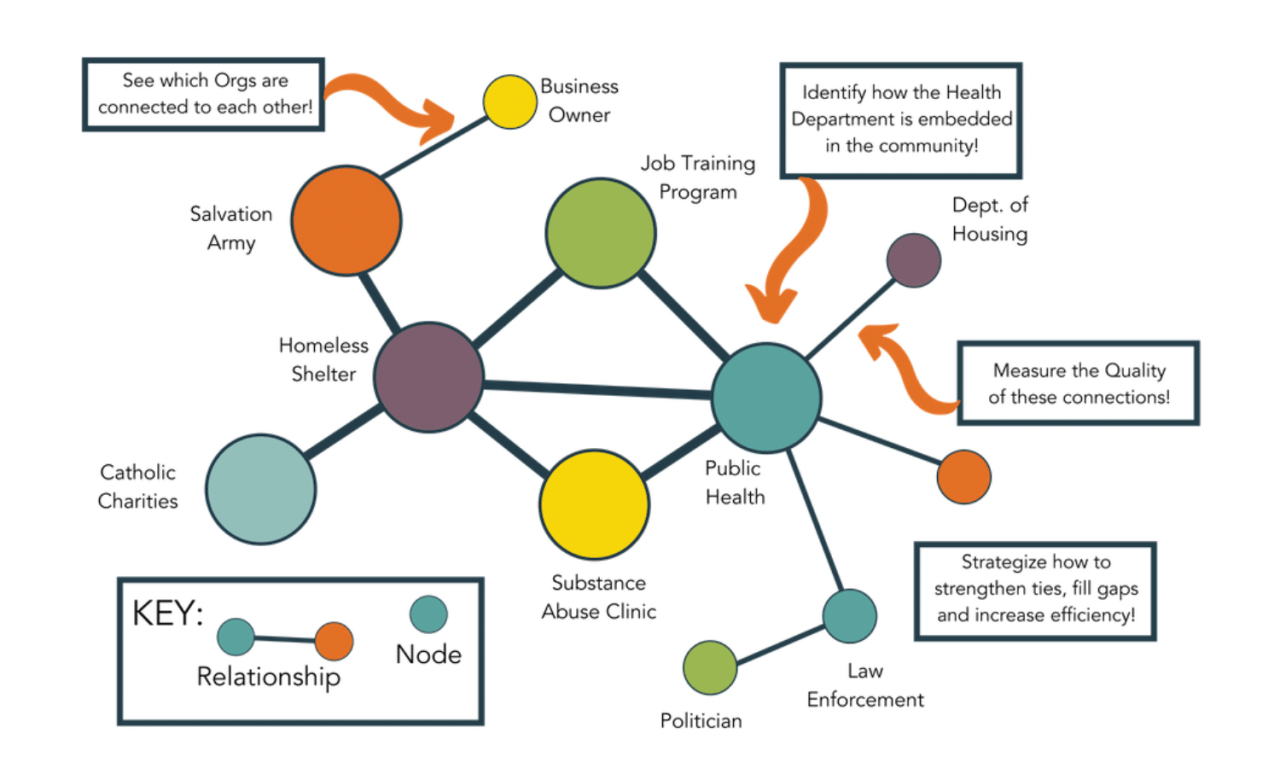
Networking, while crucial for career growth, can present various obstacles. Understanding these challenges and developing strategies to overcome them is vital for success. This section explores common hurdles and effective approaches for navigating them, ultimately empowering you to build meaningful connections and advance your career.
Common Networking Challenges
Navigating networking events can be daunting. Individuals often face challenges ranging from shyness and lack of confidence to difficulties initiating conversations or maintaining engagement. Recognizing these obstacles is the first step toward overcoming them.
- Fear of Rejection: The fear of being rejected or perceived negatively during interactions can significantly hinder participation. Individuals may avoid approaching others or engaging in conversations due to apprehension about possible negative responses.
- Shyness and Lack of Confidence: Individuals with introverted tendencies or low self-esteem may find it challenging to initiate conversations or engage confidently with strangers. This can lead to missed opportunities for valuable connections.
- Difficulty Starting Conversations: Finding common ground and initiating meaningful conversations with strangers can be difficult. A lack of clear conversation starters or strategies for building rapport can lead to awkward silences or unproductive exchanges.
- Maintaining Engagement: Sustaining engagement and maintaining a conversational flow throughout interactions can be a challenge. Maintaining interest and finding new talking points can be demanding.
- Handling Awkward or Difficult Situations: Unexpected or challenging situations may arise during networking events. Knowing how to navigate these situations gracefully and maintain composure is important.
Strategies for Overcoming Challenges
Developing strategies for overcoming these challenges is essential for successful networking. These strategies empower individuals to confidently navigate interactions and build meaningful relationships.
- Preparation is Key: Researching the event and identifying potential connections beforehand can ease anxiety and build confidence. Understanding the event’s purpose and participants’ roles can help in initiating conversations and finding common ground.
- Practice Active Listening: Actively listening to others and showing genuine interest in their perspectives fosters rapport and builds stronger connections. Focusing on understanding their ideas and experiences creates a more engaging and meaningful interaction.
- Develop Conversation Starters: Preparing open-ended questions and engaging conversation starters can help break the ice and lead to more natural and productive exchanges. Focusing on shared interests or recent news can provide ample topics for conversation.
- Embrace Imperfection: Networking is a process, and it’s okay to make mistakes. Accepting that not every interaction will be perfect builds resilience and allows individuals to learn from each encounter.
Handling Awkward or Difficult Situations
Navigating awkward or difficult situations with grace and composure is crucial for maintaining positive impressions and fostering relationships.
- Politely Disengage: If a conversation feels unproductive or awkward, it’s acceptable to politely disengage and move on. A simple and gracious exit strategy can prevent the interaction from becoming strained or uncomfortable.
- Address Conflict Constructively: If a conflict arises, addressing it constructively and respectfully is vital. Maintaining composure and focusing on finding a common ground can prevent the situation from escalating.
- Maintain Professionalism: Regardless of the situation, maintaining professionalism and courtesy is crucial for fostering positive interactions. A respectful demeanor can mitigate any negative impacts of awkward situations.
Dealing with Rejection
Rejection is a common aspect of networking. Understanding how to handle rejection is crucial for maintaining motivation and perseverance.
- Recognize it as Part of the Process: Rejection is an inevitable part of networking. Understanding that not every interaction will result in a desired outcome helps to avoid becoming discouraged.
- Focus on Value Added: Concentrate on the value you bring to the networking event and focus on connecting with individuals who share similar interests and goals. This approach helps in identifying and engaging with the right people.
- Learn from the Experience: Reflect on the interactions and identify areas for improvement. Analyzing the interaction and identifying what could have been done differently is crucial for future success.
Building Confidence During Networking Interactions
Building confidence during networking interactions is vital for maximizing engagement and creating positive impressions.
- Positive Self-Talk: Positive affirmations and self-encouragement can significantly boost confidence. Encouraging internal dialogue can help individuals navigate interactions with more assurance.
- Preparation and Practice: Thorough preparation and practice can help build confidence in handling various networking situations. Simulating interactions with friends or mentors can enhance preparedness.
- Focus on Value Proposition: Highlighting personal skills and experiences and how they align with the event’s goals can foster confidence and strengthen the impression. Understanding how personal contributions can benefit the event can help build confidence.
Last Word

In conclusion, successful networking for career growth transcends mere introductions. It encompasses building genuine relationships, leveraging diverse platforms, and consistently nurturing connections. By mastering the strategies Artikeld in this guide, you will equip yourself with the necessary tools to not only navigate the complexities of the modern job market, but to thrive within it.