In today’s hyper-connected world, distractions are ubiquitous. From the constant ping of notifications to the allure of social media, our attention spans are frequently tested. This guide provides a structured approach to identifying, managing, and ultimately overcoming these distractions, empowering you to achieve peak focus and productivity. We’ll explore practical strategies to cultivate a distraction-free environment, both physical and mental.
This comprehensive guide dissects the multifaceted nature of distractions, categorizing them by type and source. It delves into the intricate relationship between distractions and productivity, illustrating how these seemingly minor interruptions can significantly impact our ability to achieve our goals.
Identifying Distractions
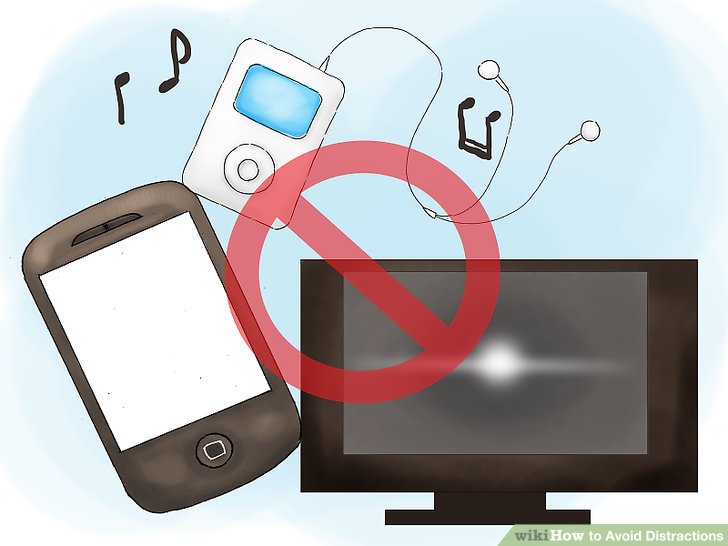
Effective focus relies on understanding and proactively managing distractions. Recognizing these disruptions, whether internal or external, is the first step toward establishing a productive work environment. This section explores the multifaceted nature of distractions, enabling you to pinpoint your personal triggers and tailor strategies for optimal concentration.Identifying your personal triggers and patterns of distraction is crucial for mitigating their impact.
Distractions manifest in various forms, impacting productivity in unforeseen ways. Understanding these forms is the first step towards effective management.
Common Distractions
Understanding the various types of distractions is essential for developing targeted countermeasures. A wide array of factors can disrupt concentration, from external stimuli to internal thought processes. Recognizing these diverse categories allows for a more comprehensive approach to managing them.
- Social Media: The constant stream of notifications and updates from social media platforms can be a significant source of interruption. The allure of engaging with these platforms can easily draw attention away from tasks at hand.
- Notifications: Emails, messages, and other notifications, even if infrequent, can be highly distracting. The expectation of immediate responses can interrupt flow and create a sense of urgency, leading to task fragmentation.
- Physical Environment: Unorganized workspaces, excessive noise, or uncomfortable temperatures can all contribute to distraction. The physical environment plays a significant role in focus and productivity.
- Internal Thoughts: Worries, anxieties, or unrelated thoughts can consume mental energy and disrupt concentration. Managing internal distractions requires active self-awareness and techniques to redirect attention.
- Multitasking: Attempting to handle multiple tasks simultaneously often leads to reduced efficiency and increased errors. Focus on completing one task at a time for optimal results.
- Procrastination: The act of delaying tasks can lead to increased stress and reduced productivity. Addressing procrastination head-on is essential for consistent progress.
Recognizing Personal Triggers and Patterns
Identifying personal triggers and patterns of distraction is vital for developing effective countermeasures. Recognizing these patterns allows for proactive measures to mitigate their influence.
- Self-Reflection: Regularly evaluating work habits and identifying situations that lead to distraction is key. This self-awareness allows for the identification of recurring patterns that hinder focus.
- Journaling: Keeping a record of distractions and their accompanying context can reveal patterns. This record allows for the identification of recurring themes and triggers that contribute to distractions.
- Time Tracking: Monitoring the time spent on various tasks and activities can highlight periods of reduced productivity and identify potential distraction sources.
- Mindfulness Practices: Techniques like mindfulness and meditation can enhance self-awareness, enabling the recognition of internal distractions.
Distraction Types and Impact
A comparison of different distraction types and their impact on productivity reveals the multifaceted nature of these interruptions. Understanding the different impacts allows for tailored strategies to address them.
| Distraction Type | Description | Impact on Productivity |
|---|---|---|
| Social Media | Constant stream of notifications and updates from social media platforms. | Significant reduction in focus and attention, leading to task fragmentation and decreased efficiency. |
| Notifications | Emails, messages, and other notifications that interrupt workflow. | Interruption of workflow, leading to task switching, increased error rates, and decreased concentration. |
| Physical Environment | Unorganized workspaces, excessive noise, or uncomfortable temperatures. | Reduced focus, increased stress, and difficulty maintaining concentration. |
| Internal Thoughts | Worries, anxieties, or unrelated thoughts that disrupt concentration. | Reduced cognitive capacity, hindering task completion and increasing mental fatigue. |
Distractions in Specific Work Environments
Distractions vary based on the work environment. Understanding these differences is essential for tailoring strategies for optimal productivity.
- Open-Plan Offices: The shared environment of open-plan offices can lead to noise distractions and interruptions from colleagues. Implementing strategies for minimizing these disruptions, such as noise-canceling headphones or designated quiet zones, is vital.
- Home Offices: Home offices may present distractions from household tasks, family members, or domestic interruptions. Establishing clear boundaries and dedicated work hours can help mitigate these distractions.
Managing External Distractions

External distractions, stemming from various sources like technology and our environment, significantly impact focus and productivity. Effectively managing these distractions is crucial for achieving goals and maintaining a consistent workflow. Strategies for minimizing external distractions focus on creating an environment conducive to concentration and establishing clear boundaries with others.External distractions often stem from factors outside of our immediate control, requiring proactive measures to mitigate their impact.
By understanding the nature of these distractions and employing effective strategies, individuals can significantly improve their ability to concentrate and achieve their objectives.
Minimizing Distractions from Technology
Technology, while essential, can be a significant source of disruption. Constantly checking notifications or engaging in social media can easily derail focus. Implementing strategies to manage technology use is paramount to maximizing productivity.
- Limiting Phone Usage: Designate specific times for checking personal devices. Utilize features like “Do Not Disturb” or app-usage limits to minimize interruptions. Consider putting your phone in another room while working. This helps maintain focus by reducing the temptation to engage with notifications and social media. For example, setting aside 30 minutes after work for social media can help avoid distractions during focused work periods.
- Controlling Social Media Engagement: Limit access to social media platforms during focused work periods. Consider using website blockers or app-usage limits. Alternatively, schedule specific times for social media engagement, similar to phone usage. By carefully managing social media access, individuals can minimize distractions from these platforms.
- Utilizing Technology for Focus: Employ website blockers and app-usage limiters to restrict access to distracting websites or apps. Many productivity apps offer features to manage screen time and notifications, allowing for better focus. For example, Freedom or Cold Turkey can effectively block distracting websites during focused work sessions.
Optimizing the Physical Environment for Focus
Creating a conducive physical environment is vital for concentration. Factors such as noise, lighting, and clutter significantly influence focus.
- Noise Reduction: Identify and minimize noise sources. Use noise-canceling headphones, white noise machines, or soundproof rooms to create a quiet environment. If possible, work in a quiet room or office, avoiding areas with high traffic or excessive background noise. For example, a home office with a dedicated space for work can offer a more controlled and quiet environment.
- Appropriate Lighting: Ensure adequate lighting without harsh glare. Natural light is often preferable. Adjust lighting to suit the task, avoiding overly bright or dim conditions. For instance, a well-lit workspace with diffused light can create a more focused atmosphere compared to a dimly lit or overly bright environment.
- Decluttering the Workspace: A clutter-free workspace promotes focus. Organize and declutter your workspace to minimize visual distractions. A clean and organized environment can foster a more focused mindset, as opposed to a cluttered workspace that can be visually distracting.
Establishing Clear Boundaries with Others
Communicating boundaries with colleagues, family, or housemates is crucial for maintaining uninterrupted work time.
- Communicating Work Hours: Clearly communicate your work hours to others. Let them know when you are unavailable for interruptions. Using a “Do Not Disturb” sign or a dedicated “Out of Office” response can help manage expectations. For example, using a “closed door” policy can signify focused work time.
- Prioritizing Important Tasks: Focus on tasks that require undivided attention. Delegate or postpone less important tasks during focused work periods. For example, schedule specific times for meetings and communications, ensuring they don’t interrupt dedicated work blocks.
- Setting Expectations for Interruptions: Establish clear expectations for interruptions. Inform others about your work schedule and the need for focused time. This ensures others understand the importance of uninterrupted work periods.
Tools and Techniques to Block Distractions
Employing tools and techniques to block distracting notifications can greatly improve focus.
- Notification Management: Utilize settings on your devices to reduce or silence notifications during focused work periods. Turn off notifications for social media, email, and other distracting apps. Consider using website blockers to avoid distractions from specific websites. For example, disabling email notifications during specific work hours can prevent interruptions.
- Website Blockers: Use website blockers to prevent access to distracting websites or social media during focused work periods. These tools can significantly reduce distractions and enhance concentration. For example, website blockers can prevent individuals from being distracted by unnecessary browsing.
- Focus Apps: Utilize focus apps or productivity tools to manage screen time and minimize interruptions. Many productivity apps offer features to schedule focused work sessions and block distractions. For example, apps like Forest or Freedom can help manage screen time and avoid distractions.
Cultivating Focus and Concentration
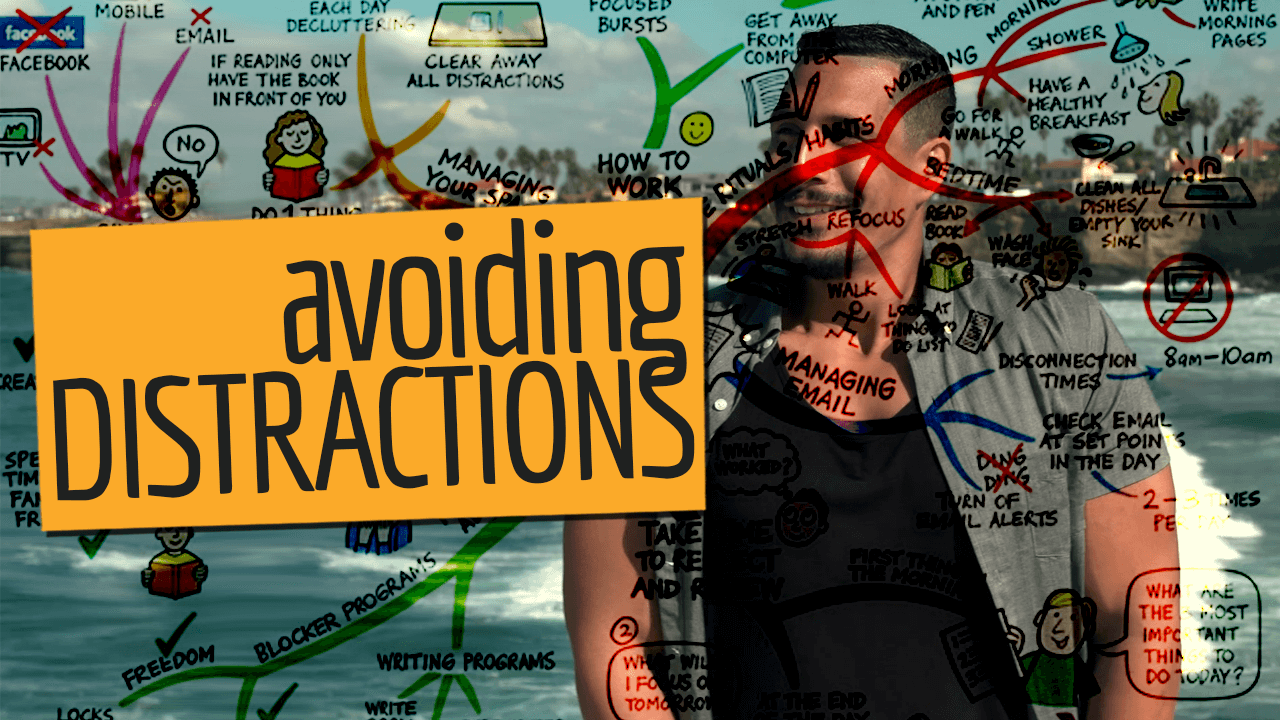
Developing strong focus and concentration is crucial for productivity and overall well-being. Consistent practice of techniques for managing attention and controlling distractions will lead to improved performance in various aspects of life. Sustained concentration is not merely a desirable trait, but a fundamental skill applicable to academic pursuits, professional endeavors, and personal development.Effective concentration isn’t a sudden acquisition but a skill that can be cultivated through deliberate practice and a commitment to self-improvement.
This involves understanding the various methods to enhance focus, including mindfulness and meditation, as well as recognizing the importance of realistic goals and stress management. By incorporating these strategies into daily routines, individuals can significantly improve their ability to concentrate and achieve their objectives.
Concentration Techniques
Different techniques can be employed to cultivate focus and concentration. These techniques range from ancient practices to modern methodologies, each with unique benefits. Understanding the nuances of each approach allows individuals to choose the method that best aligns with their personal preferences and goals.
- Mindfulness involves paying close attention to the present moment without judgment. Practicing mindfulness can help individuals develop awareness of their thoughts, feelings, and bodily sensations, thereby cultivating a sense of presence and reducing reactivity to distractions. Mindfulness exercises, such as mindful breathing, can be integrated into daily routines to cultivate present-moment awareness. This heightened awareness can positively impact focus and concentration by fostering a sense of calm and clarity.
- Meditation, often intertwined with mindfulness, involves focusing the mind on a specific object, thought, or sensation. Regular meditation practice cultivates mental discipline and stability, enhancing the ability to maintain focus over time. Guided meditation sessions or apps can provide structured support for beginners. Consistent meditation can lead to a greater capacity to stay present and resist distractions, thus improving overall focus.
- The Pomodoro Technique is a time management method that involves working in focused intervals, typically 25 minutes, followed by short breaks. This structured approach helps maintain concentration during work sessions, and the breaks prevent burnout. The Pomodoro Technique encourages a balanced approach to productivity, combining focused work with well-deserved rest. By setting a timer and sticking to the schedule, individuals can effectively manage their time and avoid becoming overwhelmed.
Building and Maintaining Focus
Sustaining focus over extended periods requires strategies for maintaining mental energy and preventing mental fatigue. Implementing these strategies can significantly enhance productivity and reduce the impact of distractions.
- Regular Breaks are crucial for maintaining concentration. Short breaks, every 50 to 90 minutes, allow the mind to rest and recharge. This practice prevents mental fatigue and helps maintain optimal focus throughout the work session. A short walk, a few minutes of stretching, or listening to calming music can be effective methods of taking a break. This breaks down the task into manageable portions, preventing overwhelm and maintaining consistent engagement.
- Creating a Dedicated Workspace is important. A designated workspace free from clutter and distractions fosters a focused environment. Minimize visual and auditory distractions, such as noisy appliances or excessive visual stimulation. This helps to establish a mental association between the space and the activity of focused work. The structured space provides a clear signal to the brain to transition into a focused state.
- Prioritization of tasks is essential for effective focus. Prioritize tasks based on urgency and importance, concentrating on one task at a time. This approach avoids multitasking, which often leads to reduced efficiency and increased distraction. By concentrating on a single task, the mind is less likely to be pulled in different directions and more likely to remain focused and productive.
Setting Realistic Goals and Timeframes
Setting achievable goals and realistic timeframes is fundamental for maintaining focus and avoiding frustration. This approach fosters a sense of accomplishment and motivation.
- Breaks Down Large Tasks into smaller, more manageable subtasks. This strategy provides a sense of progress and accomplishment, motivating continued effort. Dividing large goals into smaller, manageable steps can prevent feeling overwhelmed and provides a tangible sense of progress.
- Realistic Time Estimations for tasks are critical. Overestimating the time needed for tasks can lead to procrastination and frustration. Accurate time estimations allow for proper planning and efficient time management. Accurate time estimations can create a sense of control and structure, preventing feelings of being overwhelmed.
- Adaptability is important in adjusting goals and timeframes as needed. Life often presents unforeseen circumstances, and flexibility is vital to maintain focus and prevent burnout. Adjusting goals and timeframes allows for incorporating new information and maintaining a healthy work-life balance.
Managing Stress and Anxiety
Stress and anxiety can significantly impair concentration and focus. Developing strategies to manage these emotions is crucial for maintaining optimal focus.
- Stress-Reducing Techniques, such as deep breathing exercises and progressive muscle relaxation, can help calm the mind and body. These techniques reduce physiological responses to stress, thereby creating a more conducive environment for focus. Integrating these techniques into daily routines can foster a sense of calm and control, enabling better focus and concentration.
- Time Management Strategies are crucial for reducing stress related to time constraints. Effective time management helps to prioritize tasks and allocate sufficient time for completion, thus minimizing stress and anxiety associated with deadlines. By effectively managing time, individuals can better organize their tasks and avoid the pressures associated with rushing and feeling overwhelmed.
- Seeking Support, such as talking to a friend, family member, or therapist, can help manage stress and anxiety. Support systems provide a safe space to share concerns and receive guidance. Talking to others about challenges can provide a different perspective and support during stressful times. This support can alleviate stress and provide a sense of relief.
Developing Mental Strategies for Avoiding Distractions
Cultivating mental resilience to distractions is crucial for sustained focus and productivity. Effective strategies require recognizing the mental processes involved in distraction and actively employing techniques to counteract them. This involves understanding your personal triggers and developing coping mechanisms to navigate challenging situations.Effective mental strategies involve recognizing and understanding the root causes of distractions. This understanding allows for the development of personalized approaches to manage those distractions.
For example, recognizing a pattern of procrastination can lead to developing a more structured approach to time management.
Building Mental Resilience to Distractions
Developing mental resilience to distractions is an ongoing process that requires consistent effort and self-awareness. It involves understanding your personal triggers and developing coping mechanisms. Identifying patterns in your behavior, such as the tendency to become easily sidetracked, is the first step in creating strategies to overcome these tendencies.
Different Approaches to Developing Self-Discipline and Focus
Various approaches exist for fostering self-discipline and focus. Mindfulness practices, such as meditation, can help cultivate present moment awareness and reduce reactivity to external stimuli. Time management techniques, like the Pomodoro Technique, provide a structured framework for maximizing productivity and minimizing interruptions. These methods vary in their effectiveness, depending on individual preferences and learning styles.
Summary of Effective Techniques for Improving Attention Span
| Technique | Description | Example |
|---|---|---|
| Mindfulness Meditation | Cultivating present moment awareness, reducing reactivity to distractions. | Practicing focused attention on the breath, observing thoughts and feelings without judgment. |
| The Pomodoro Technique | Using a timer to work in focused intervals (e.g., 25 minutes) followed by short breaks. | Working for 25 minutes, taking a 5-minute break, repeating the cycle. |
| Time Blocking | Scheduling specific time slots for specific tasks, minimizing multitasking. | Allocating a dedicated block of time for writing a report, avoiding interruptions during that time. |
| Eliminating Distractions | Creating a workspace free from unnecessary stimuli. | Turning off notifications, putting your phone away, and ensuring a quiet environment. |
Maintaining a Positive Mindset to Overcome Distractions
A positive mindset plays a critical role in overcoming distractions. Maintaining a sense of optimism and resilience is essential for bouncing back from setbacks and maintaining focus during challenging tasks. Cultivating gratitude and focusing on progress, rather than dwelling on perfection, can contribute significantly to overcoming mental obstacles. Positive self-talk and visualization techniques can further reinforce a positive mindset, fostering a more resilient approach to managing distractions.
A positive attitude can also help you to see distractions as opportunities for growth, rather than as obstacles.
Creating a Distraction-Free Workspace
A dedicated and distraction-free workspace is crucial for optimal focus and productivity. It provides a structured environment that signals to the brain that it’s time to concentrate, minimizing the mental effort required to filter out interruptions. Creating this environment is more than just aesthetics; it’s about establishing a physical space conducive to deep work.A well-designed workspace is not simply a collection of items; it’s a carefully curated environment that supports concentration.
This means thoughtfully considering the layout, lighting, and even the colors of the space to minimize external stimuli and maximize cognitive clarity. This approach is not just about removing distractions, but about actively creating an environment that fosters concentration.
Efficient Workspace Designs
Effective workspace designs minimize distractions by strategically positioning elements. For instance, a home office with a clearly defined area for work, separate from relaxation zones, can significantly improve focus. Similarly, a dedicated study area in a library, away from high-traffic zones, can provide an optimal space for concentrated work. Modular furniture allows for flexibility in adjusting the workspace layout as needed.
This flexibility is crucial for adaptability, ensuring the environment remains conducive to focus, even as individual needs or projects evolve.
Importance of a Clean and Organized Workspace
A clean and organized workspace is essential for minimizing distractions. A cluttered desk can lead to a cluttered mind, making it harder to concentrate on tasks. The act of tidying up the physical space often translates to a tidying up of the mental space, promoting a sense of control and order. When everything has its place, the brain can more easily allocate resources to the task at hand.
Creating a Dedicated Workspace
A dedicated workspace, whether a home office or a designated corner, fosters a stronger association between the physical space and the mental state of focus. This space should be clearly defined, with distinct boundaries to help separate work time from other activities. Visual cues, such as a dedicated workspace sign, can also reinforce the idea that this area is exclusively for focused work.
Maintaining this dedicated space as a sanctuary for work helps establish mental cues for focus.
Essential Items for a Productive Workspace
A productive workspace requires a curated selection of essential items. These items should support the task at hand and minimize the need to search for resources during work sessions.
- Ergonomic chair and desk: A comfortable and supportive chair and desk are crucial for maintaining focus and preventing physical discomfort that can lead to distractions.
- Adequate lighting: Natural light is ideal, but supplemental lighting should be adjustable to create the right ambiance for concentration.
- Noise-canceling headphones or white noise machine: These tools can effectively block distracting sounds, creating a more focused environment.
- Essential supplies: Pens, paper, notebooks, and other writing tools should be readily available.
- Digital tools: A computer, monitor, and relevant software or apps should be readily accessible, properly arranged, and easily navigable for smooth workflow.
- Organization tools: File folders, binders, or digital organizational tools can help manage materials efficiently.
- Motivational elements: A small inspirational quote or a motivational poster can serve as subtle reminders to stay focused.
Time Management Techniques for Avoiding Distractions
Effective time management is crucial for optimizing productivity and minimizing interruptions. By strategically planning and prioritizing tasks, individuals can significantly reduce the likelihood of distractions creeping into their workflow. This approach not only enhances efficiency but also fosters a sense of control and accomplishment.
Prioritizing Tasks and Setting Realistic Deadlines
Prioritization is fundamental to effective time management. A well-defined hierarchy allows individuals to focus on tasks with the highest impact first. This approach prevents feeling overwhelmed by a large to-do list and helps maintain focus. Setting realistic deadlines is equally important; overly ambitious deadlines can lead to stress and decreased quality of work. Conversely, excessively loose deadlines can result in procrastination.
- Establishing Clear Priorities: Employ techniques like the Eisenhower Matrix (urgent/important) to categorize tasks. High-priority tasks, both urgent and important, should be tackled first. This approach ensures that crucial work receives immediate attention, while less critical tasks are scheduled for appropriate times.
- Setting Realistic Deadlines: Break down large projects into smaller, more manageable tasks. Estimate the time required for each task and set deadlines accordingly. This approach helps maintain a sense of progress and prevents feeling overwhelmed by the sheer volume of work.
- Flexibility and Adaptability: Time management isn’t rigid. Be prepared to adjust deadlines based on unforeseen circumstances. Flexibility is key to accommodating unexpected interruptions or changes in priorities without compromising productivity.
Designing a Sample Schedule
A well-structured schedule incorporating dedicated time blocks for focused work and breaks is essential for maintaining concentration and avoiding distractions.
| Time Slot | Activity | Focus |
|---|---|---|
| 8:00 AM – 9:00 AM | Review emails, plan for the day | Prioritization, organization |
| 9:00 AM – 12:00 PM | Deep work (project A) | Focused work on project A |
| 12:00 PM – 1:00 PM | Lunch break | Rest, rejuvenation |
| 1:00 PM – 4:00 PM | Deep work (project B) | Focused work on project B |
| 4:00 PM – 4:30 PM | Review progress, plan for tomorrow | Review, reflection |
| 4:30 PM – 5:00 PM | Wrap-up tasks | Completion of remaining tasks |
Managing Multiple Tasks
Managing multiple tasks simultaneously without succumbing to distractions requires a structured approach. This involves dividing complex projects into smaller, manageable segments.
- Batching Similar Tasks: Group similar tasks together (e.g., responding to emails, making phone calls). This approach allows for a consistent workflow and reduces context switching, which is a significant source of distraction.
- Timeboxing: Allocate specific time blocks for each task. This helps maintain focus and prevents tasks from expanding beyond allocated time. For example, dedicating 30 minutes to responding to emails allows for completing this task efficiently, without letting the task take over the entire day.
- Prioritize, Delegate, or Eliminate: Evaluate which tasks are truly necessary and prioritize them. If possible, delegate less important tasks. Eliminate tasks that do not contribute to the overall goals.
Developing a Personal Distraction-Reduction Plan

A personalized distraction-reduction plan is crucial for sustained focus and productivity. It allows you to tailor strategies to your specific needs and circumstances, optimizing your ability to concentrate. This proactive approach empowers you to identify and manage distractions effectively, leading to improved work output and overall well-being.This plan involves a detailed analysis of your typical distractions, the development of targeted strategies, and the consistent tracking of progress.
By implementing a well-structured plan, you can create a more focused and productive environment, fostering better time management and achieving your goals.
Creating a Personalized Plan
A personalized distraction-reduction plan involves understanding your specific triggers and developing strategies tailored to your individual work style. Begin by identifying the most frequent and disruptive distractions in your daily routine. This requires self-reflection and careful observation of your behaviors. Consider the time of day, location, and tasks that typically lead to distractions.
Step-by-Step Guide for Plan Development
- Identify Your Key Distractions: List all potential distractions, ranging from social media notifications to external noise. Categorize them (e.g., external, internal, technological). Quantify the time spent on each, if possible, to understand the impact of each type of distraction.
- Develop Specific Strategies: For each identified distraction, create concrete countermeasures. Examples include silencing notifications, using website blockers, or setting specific time slots for social media use. Consider the specific context of each distraction and tailor the solution.
- Prioritize Strategies: Rank your strategies based on the severity and frequency of the corresponding distractions. Focus on addressing the most significant issues first. Prioritization ensures that the most impactful changes are implemented early in the plan.
- Set Realistic Goals: Establish achievable targets for reducing distraction. For instance, aim to reduce social media use by 15 minutes daily, rather than attempting an abrupt elimination. Gradually incorporate new strategies, giving yourself time to adjust.
- Document and Track Progress: Maintain a log to record your strategies, the effectiveness of each, and any necessary adjustments. This allows you to monitor progress and make informed decisions about future interventions.
Distraction Reduction Strategies Template
| Distraction Source | Strategy | Expected Outcome | Tracking (Frequency/Duration) |
|---|---|---|---|
| Social Media Notifications | Disable notifications on your devices during work periods. | Reduced urge to check social media. | Track time spent on social media before and after implementing the strategy. |
| External Noise | Use noise-canceling headphones or relocate to a quieter workspace. | Reduced interruptions. | Monitor concentration levels before and after employing the strategy. |
| Internal Thoughts | Practice mindfulness exercises or engage in short breaks to clear your mind. | Improved focus. | Record the frequency of distracting thoughts before and after incorporating the strategy. |
Potential Challenges and Solutions
Implementing a distraction-reduction plan may present challenges. For example, maintaining discipline and consistency can be difficult. Addressing this involves establishing a strong support system. Sharing your plan with a trusted colleague, friend, or family member can provide encouragement and accountability. Regular self-reflection on progress and adjustments to the plan are crucial.
- Lack of Discipline: Remind yourself of the benefits of a distraction-free environment and celebrate small victories. Use rewards to reinforce good behavior.
- Resistance to Change: Gradually implement new strategies to reduce the shock of change. Make small, incremental improvements. Seek professional support for overcoming resistance to change, if needed.
- Unexpected Interruptions: Develop a system for handling urgent requests or unforeseen circumstances. Schedule buffer time to address unexpected events.
Closing Notes
By understanding the root causes of distraction and implementing the practical strategies Artikeld in this guide, you can create a more focused and productive work environment. Ultimately, mastering the art of distraction avoidance empowers you to regain control of your time, enhance your concentration, and unlock your full potential.