Managing multiple projects simultaneously presents unique challenges and rewards. This guide delves into the intricacies of effectively handling diverse projects, offering practical strategies for planning, communication, and resource allocation. We’ll explore the key differences between single and multi-project management, equipping you with the knowledge to optimize your workflow and achieve successful project outcomes.
From defining clear project boundaries to mastering effective communication strategies, this comprehensive guide provides a roadmap for success. We will also investigate the critical aspect of risk management, highlighting the importance of adaptability and flexibility in a dynamic multi-project environment. Ultimately, this guide aims to empower you to tackle the complexities of managing multiple projects with confidence and efficiency.
Defining Project Management for Multiple Projects

Project management, in the context of multiple projects, encompasses the coordinated planning, execution, monitoring, and closure of multiple concurrent projects. This differs significantly from managing a single project, demanding a broader perspective and more sophisticated strategies for resource allocation, risk mitigation, and communication. Effective multi-project management requires a proactive approach to integrating diverse project timelines, resource demands, and dependencies.The core distinction between single-project and multi-project management lies in the complexity of managing multiple objectives and timelines simultaneously.
A single project focuses on a singular goal; whereas multi-project management necessitates the ability to prioritize and balance competing demands across multiple initiatives. This often involves sophisticated resource allocation, communication protocols, and risk management strategies.
Project Management for Concurrent Projects
Project management for multiple concurrent projects requires a comprehensive approach encompassing various critical elements. One crucial aspect is establishing clear boundaries and scopes for each project. This involves defining the precise objectives, deliverables, timelines, and resource allocation for each initiative. Effective boundary definition ensures that projects do not overlap or compete for resources, thus avoiding conflicts and delays.
Defining Project Boundaries and Scope
Clearly defining project boundaries and scopes is essential when managing multiple concurrent projects. Ambiguity in project parameters can lead to resource conflicts, missed deadlines, and budget overruns. This necessitates a thorough understanding of each project’s unique requirements, including deliverables, timelines, and resource allocation.A detailed project charter or scope statement should be created for each project. These documents should clearly Artikel the project’s objectives, deliverables, timelines, budget, and responsibilities.
Regular reviews and updates to these documents are critical to maintain alignment with evolving project needs and ensure that all stakeholders are informed.
Comparison of Single-Project vs. Multi-Project Management
| Aspect | Single Project | Multiple Projects |
|---|---|---|
| Scope | Narrower, focused on a single goal. | Broader, encompassing multiple, potentially competing goals. |
| Resources | Generally, dedicated resources for a single project. | Shared resources across multiple projects, requiring careful allocation and coordination. |
| Timeline | Single, defined timeline. | Multiple, interdependent timelines, necessitating a comprehensive schedule and risk assessment. |
The table above highlights the key differences between managing a single project and multiple projects, emphasizing the increased complexity and resource management demands inherent in the latter. Understanding these differences is crucial for developing effective strategies for managing concurrent projects.
Planning and Prioritization Strategies
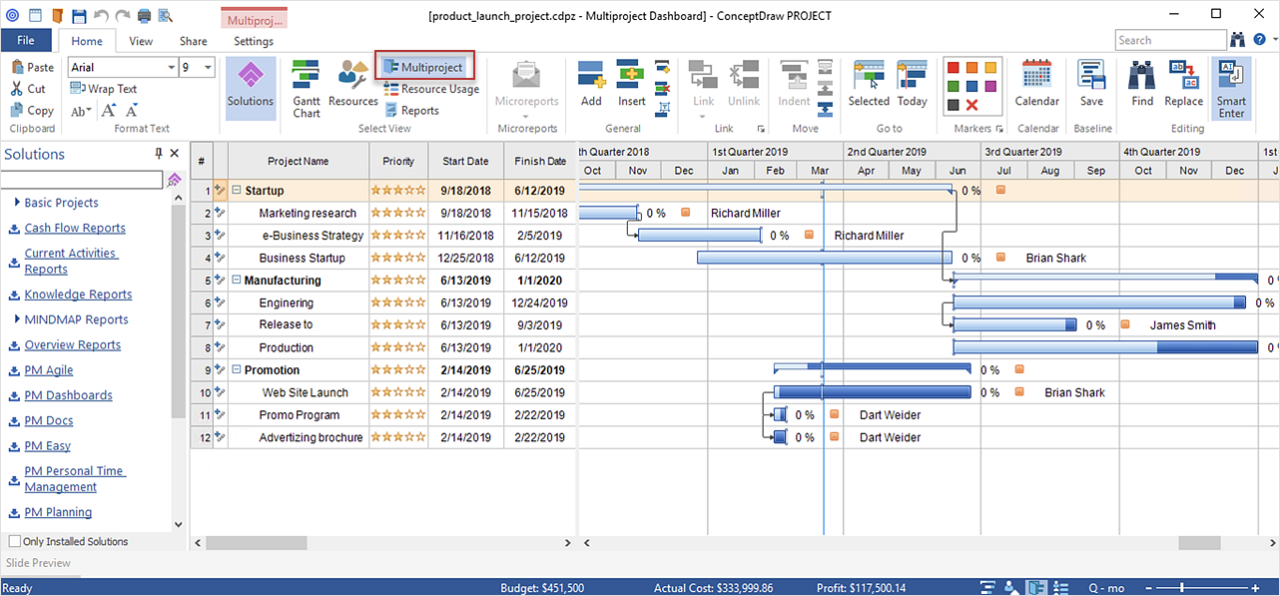
Effective project management hinges on meticulous planning and prioritization, especially when juggling multiple projects. A well-defined strategy for managing tasks and resources across diverse projects ensures efficient progress and successful completion of each initiative. Prioritization dictates the allocation of resources, determining which tasks receive immediate attention and which can be deferred. This meticulous approach guarantees that projects remain on track and deliver the expected results.A robust planning process, encompassing task prioritization and resource allocation, is fundamental to managing multiple concurrent projects.
This approach not only helps maintain a structured workflow but also enables teams to efficiently manage their time, personnel, and budget, ensuring optimal output from each project. This comprehensive strategy will enhance overall project success.
Prioritizing Tasks Across Multiple Projects
Prioritizing tasks across multiple projects necessitates a clear understanding of project goals and deadlines. A standardized approach for evaluating the importance and urgency of each task is crucial. One effective method is the use of a weighted prioritization system, where tasks are assigned numerical values based on factors such as impact, urgency, and dependencies. For instance, a task that significantly impacts project success and has a tight deadline might receive a higher priority score than a task with a less critical impact and a flexible deadline.
Developing Detailed Project Plans
Detailed project plans for multiple concurrent projects should incorporate a clear structure that reflects the interconnectedness of the various initiatives. Each project plan should Artikel specific tasks, deadlines, and the resources required for each task. This necessitates a detailed breakdown of activities into manageable steps, including specific deliverables and timelines. Furthermore, the plans should identify potential dependencies between projects to ensure that one project’s completion doesn’t hinder another’s progress.
For instance, project A might require the output from project B; the plan should explicitly account for this interdependency.
Allocating Resources Across Projects
Effective resource allocation across multiple projects is vital for success. This involves carefully considering the time, personnel, and budget constraints associated with each project. A crucial aspect of this process is creating a centralized resource pool and assigning personnel and time slots based on the prioritized tasks. For instance, a project manager might assign a senior developer to a high-priority project while allocating junior developers to lower-priority tasks.
Furthermore, careful budget management is essential, ensuring that funds are allocated strategically to projects based on their priority and expected return.
Creating a Prioritized Task List
A prioritized task list across all projects is a critical tool for effective project management. It should be a consolidated view of all tasks, categorized by project, and assigned a priority level. This list should be regularly reviewed and updated to reflect changes in project priorities and deadlines. Tools such as project management software can be used to create and maintain this list, allowing for efficient task management and communication.
This unified view allows for a holistic overview of all projects and their associated tasks.
Project Planning Process for Multiple Projects
| Project | Priority | Resources | Timeline |
|---|---|---|---|
| Project Alpha | High | Team A, $10,000, 2 weeks | 2024-08-15 to 2024-08-29 |
| Project Beta | Medium | Team B, $5,000, 3 weeks | 2024-08-20 to 2024-09-12 |
| Project Gamma | Low | Team C, $2,000, 4 weeks | 2024-08-27 to 2024-09-20 |
This table demonstrates a simplified framework for visualizing the planning process. Each row represents a project, listing its priority, allocated resources, and corresponding timeline. This table serves as a concise representation of the project planning process, allowing for a clear overview of all concurrent projects and their associated information.
Communication and Collaboration Techniques
Effective communication and collaboration are crucial for success when managing multiple projects. They ensure that all project teams and stakeholders are aligned, information flows smoothly, and potential conflicts are addressed promptly. Strong communication fosters a shared understanding of project goals, tasks, and timelines, which is vital for achieving overall project objectives.Clear communication channels and protocols are essential for coordinating teams across multiple projects.
This helps avoid confusion, ensures that everyone is informed, and streamlines the decision-making process. Establishing these channels and protocols, along with using appropriate technology, is paramount to facilitating seamless collaboration and information sharing.
Effective Communication Strategies
Effective communication strategies are fundamental for coordinating teams and stakeholders in a multi-project environment. These strategies should be tailored to the specific needs of each project, considering the size, complexity, and geographical distribution of the teams involved. Open communication channels, active listening, and regular updates are critical elements of effective communication.
Establishing Clear Communication Channels and Protocols
Defining clear communication channels and protocols is vital for smooth coordination across multiple project teams. This involves specifying the methods of communication (e.g., email, instant messaging, project management software, video conferencing), the frequency of communication, and the responsibilities of different team members. These protocols should be documented and readily accessible to all team members.
Utilizing Technology for Collaboration and Information Sharing
Leveraging technology to facilitate collaboration and information sharing is crucial in a multi-project environment. Project management software, cloud-based storage, and collaborative tools provide platforms for team members to share documents, track progress, and communicate effectively. These technologies promote transparency and efficiency in managing multiple projects. Examples include Slack for instant messaging, Microsoft Teams for video conferencing and file sharing, and Asana or Trello for task management and collaboration.
Conflict Resolution Strategies in Multi-Project Environments
Conflict resolution is an integral part of managing multiple projects. Addressing conflicts proactively and effectively is essential to maintain team morale and project momentum. Strategies should include establishing clear roles and responsibilities, promoting open communication, and facilitating constructive dialogue among stakeholders. Using mediation techniques or conflict resolution training can further enhance the ability to resolve conflicts.
Communication Channel Suitability
Choosing the right communication channel for different project situations is crucial for efficiency and effectiveness. The table below provides examples of different communication channels and their suitability for various project situations. Consider the urgency, the sensitivity of the information, and the need for a record of the communication when selecting the appropriate channel.
| Project | Communication Channel | Frequency | Purpose |
|---|---|---|---|
| New Product Launch | Video Conference | Daily | Brainstorming, status updates, problem-solving |
| Software Development | Instant Messaging | Hourly | Quick questions, task updates, code reviews |
| Marketing Campaign | Weekly | Project updates, status reports, resource allocation | |
| Construction Project | Project Management Software | Daily | Progress tracking, task assignment, document sharing |
| International Collaboration | Email, Video Conference | Bi-weekly | Communication between teams in different time zones, formal updates |
Risk Management and Issue Resolution
Effective risk management is crucial for successfully navigating the complexities of managing multiple projects. A proactive approach to identifying, analyzing, and mitigating potential risks and issues across multiple projects ensures smoother progress and minimizes potential disruptions. This section details methodologies for identifying risks, creating contingency plans, developing mitigation strategies, and monitoring project progress.
Identifying Potential Risks and Issues
Proper risk identification involves a comprehensive approach that considers various factors affecting multiple projects. This includes analyzing project dependencies, resource constraints, external factors like market fluctuations, and potential human errors. Tools like brainstorming sessions, SWOT analyses, and expert interviews can aid in uncovering potential risks and issues. Thorough documentation of these identified risks and issues is essential for tracking and monitoring.
Creating Contingency Plans
Contingency planning is a vital part of risk management for multiple projects. It involves developing alternative strategies for handling potential issues and risks. These plans should detail the actions to be taken if a specific risk or issue materializes. They should be tailored to each identified risk, outlining the steps to be taken, the resources needed, and the timeframes involved.
A well-defined contingency plan allows for a swift and controlled response when unforeseen circumstances arise.
Developing Mitigation Strategies
Mitigation strategies are proactive measures designed to reduce the likelihood or impact of identified risks and issues. These strategies should be tailored to the specific nature of each risk. Examples include implementing quality control measures, securing backup resources, or establishing clear communication protocols. Proactive mitigation is far more effective than reactive measures, as it helps prevent issues from escalating into major problems.
Monitoring Project Progress and Identifying Deviations
Regular monitoring of project progress is essential to identify any deviations from the planned schedule or budget. This involves tracking key performance indicators (KPIs) and comparing them against established benchmarks. Tools such as Gantt charts, project management software, and regular progress meetings can facilitate this process. Early identification of deviations enables timely corrective actions to keep projects on track.
Risk Register Template for Multiple Projects
A risk register is a crucial tool for tracking and managing risks across multiple projects. It provides a centralized repository for documenting potential risks, their associated probabilities and impacts, mitigation strategies, and responsibilities. This allows for better visibility and control over risks across the entire portfolio of projects.
| Project | Risk | Probability | Impact | Mitigation Strategy |
|---|---|---|---|---|
| Project Alpha | Delays in material delivery | Medium | High | Establish alternative material sources and maintain close communication with suppliers. |
| Project Beta | Staff turnover | High | Medium | Implement robust training programs and develop succession plans for key personnel. |
| Project Gamma | Budget overruns | Low | High | Implement strict cost control measures and monitor expenses closely. |
| Project Delta | Technical issues | Medium | Low | Develop detailed technical specifications and conduct thorough testing. |
Time Management and Efficiency
Effective time management is crucial for success in managing multiple projects. A well-structured approach ensures that each project receives the necessary attention and resources without compromising the quality of work or deadlines. This involves optimizing workflows, utilizing appropriate tools, and employing time-tracking methodologies to enhance overall efficiency. Prioritization is key; understanding project dependencies and allocating time accordingly minimizes delays and maximizes output.Time management in a multi-project environment requires a proactive and strategic approach.
It involves recognizing the interdependencies between projects and allocating time accordingly. This allows for better resource allocation and prevents bottlenecks or conflicts. Efficient time management also necessitates a flexible mindset, allowing for adjustments and reallocations as project needs change.
Time Management Techniques for Multiple Projects
Various techniques can help distribute time effectively across multiple projects. Prioritization matrices, such as the Eisenhower Matrix (Urgent/Important), can aid in deciding which tasks to focus on first. Time blocking, allocating specific time slots for particular tasks, ensures dedicated attention to each project. The Pareto Principle (80/20 rule) can be applied to identify tasks that yield the greatest impact and allocate more time accordingly.
These techniques, when combined, lead to a more structured and efficient approach to time management.
Optimizing Workflows and Processes
Optimizing workflows involves analyzing the current processes for each project and identifying areas for improvement. Streamlining processes, such as automation of repetitive tasks, reduces wasted time and increases productivity. Utilizing project management software to track progress, manage dependencies, and facilitate communication further enhances workflow optimization. Cross-training team members can broaden their skill sets and enable quicker responses to changing priorities and project demands.
Tools and Technologies for Time and Task Management
Project management software, such as Asana, Trello, or Monday.com, offer features for task management, scheduling, and communication, allowing for better oversight of multiple projects. Time-tracking tools like Toggl Track or Clockify can monitor time spent on different tasks, providing valuable insights into productivity. Calendar applications, integrated with project management tools, can synchronize schedules and prevent conflicts between projects.
Spreadsheet software, like Google Sheets or Microsoft Excel, can also be used to organize project timelines, track progress, and allocate resources.
Time-Tracking Methodologies for Multiple Projects
Various time-tracking methodologies can be employed to gain a clear understanding of time allocation for each project. The Pomodoro Technique, a time management method involving focused work periods followed by short breaks, can be adapted to fit the demands of multiple projects. The Timeboxing technique, wherein specific tasks are assigned dedicated time slots, is beneficial for scheduling and prioritizing tasks across multiple projects.
Time logs, detailed records of time spent on various tasks, offer valuable insights into project progress and potential bottlenecks.
Creating a Schedule for Managing Multiple Projects
Developing a schedule for multiple projects requires a thorough understanding of project timelines and dependencies. Create a Gantt chart, a visual representation of project timelines, showing task durations and dependencies between tasks. Use a project calendar to visualize deadlines and allocate time for different tasks. Establish clear milestones and deadlines for each project, providing a roadmap for progress.
Consider using a work breakdown structure (WBS) to divide projects into smaller, manageable tasks. This detailed approach ensures clear timelines, allowing for efficient time management and risk mitigation.
Tools and Technologies for Multi-Project Management
Effective multi-project management relies heavily on the right tools and technologies. These tools streamline workflows, facilitate communication, and improve overall project visibility, leading to better outcomes and more efficient resource allocation. Choosing the right software can significantly impact a project’s success, especially when dealing with multiple interconnected projects.
Various Software Applications and Tools
A variety of software applications cater to the specific needs of multi-project management. These tools range from basic project management software to specialized platforms designed for complex enterprise environments. Popular choices include dedicated project management software, collaborative workspaces, and task management applications. These tools offer a spectrum of features, from simple task lists to advanced resource allocation and reporting capabilities.
Comparison and Contrast of Project Management Software Options
Comparing different project management software options involves considering several factors. Functionality, scalability, ease of use, and pricing are crucial elements to evaluate. Some software is geared toward individual project managers, while others are tailored for large enterprises with numerous projects and teams. Different platforms may excel in different aspects of project management. For example, a platform focused on task management might be sufficient for smaller projects, but a more comprehensive solution might be required for complex, cross-functional initiatives.
Crucially, the chosen software must align with the team’s workflows and project requirements.
Features of Project Management Software for Multiple Projects
Project management software for multiple projects often features advanced functionalities that enable effective management of interconnected projects. Key features include project portfolio management, which allows for comprehensive oversight of all projects within a portfolio. Advanced reporting capabilities provide insights into project progress, resource utilization, and potential risks. Furthermore, robust communication tools are essential for seamless collaboration among teams involved in different projects.
Seamless integration with other business applications enhances efficiency by centralizing information.
Project Management Tools Comparison
The following table provides a comparative overview of various project management tools, highlighting their strengths and weaknesses.
| Tool | Pros | Cons |
|---|---|---|
| Asana | Highly customizable, intuitive interface, excellent for task management, seamless collaboration features. | Limited reporting capabilities compared to some enterprise-level solutions, may not be ideal for complex project portfolios. |
| Jira | Powerful issue tracking and agile project management features, flexible for complex projects with multiple dependencies, strong integration capabilities. | Steeper learning curve than some simpler options, licensing costs can be substantial for larger teams. |
| Monday.com | Visual workflow management, strong drag-and-drop interface, suitable for diverse project types, flexible pricing plans. | May not be ideal for extremely complex projects requiring granular control over every aspect, reporting features might not be as comprehensive as other options. |
| Microsoft Project | Robust scheduling and resource allocation tools, familiar interface for Microsoft Office users, suitable for large-scale projects with complex dependencies. | Can be expensive, especially for teams with a large number of users, steep learning curve for those unfamiliar with Microsoft Project’s features. |
| Trello | Visually appealing, simple to use, excellent for Kanban-style project management, free plan available. | Limited advanced features compared to more comprehensive platforms, may not be ideal for projects with intricate dependencies. |
Adaptability and Flexibility in Multi-Project Environments

Effective project management in a multi-project environment necessitates a high degree of adaptability and flexibility. Unexpected changes, evolving priorities, and overlapping timelines are common occurrences, demanding proactive strategies to ensure project success. This section explores crucial aspects of adapting to these dynamic conditions.
Importance of Adaptability in Handling Unexpected Changes
Adaptability is paramount in managing multiple projects, especially when faced with unforeseen circumstances. These changes might include shifting client requirements, technological advancements, or unforeseen resource constraints. A flexible approach allows for swift adjustments, minimizing potential project delays and maintaining overall project portfolio health. By proactively anticipating potential challenges and developing contingency plans, project managers can mitigate the impact of these changes.
Strategies for Adjusting Plans and Priorities in Response to Changing Circumstances
To effectively adjust plans and priorities, a structured approach is necessary. Regular communication with stakeholders is vital, allowing for swift identification of emerging issues and prompt response. Agile methodologies, with their iterative approach, can facilitate adaptation to changing requirements. This involves breaking down projects into smaller, manageable iterations, allowing for more frequent feedback and adjustments. Furthermore, maintaining a clear understanding of project dependencies and interrelationships is critical for coordinating adjustments across multiple projects.
This enables the identification of potential ripple effects and the mitigation of broader project portfolio disruptions.
Managing Multiple Projects with Overlapping Timelines
Overlapping timelines in multiple projects necessitate meticulous scheduling and resource allocation. Effective project management tools and techniques are essential for visualizing project dependencies and potential conflicts. A Gantt chart or similar visual representation can aid in identifying overlaps and potential conflicts, enabling proactive scheduling adjustments. Clear communication channels between project teams and cross-functional collaboration are crucial for coordinating efforts and maintaining a smooth workflow.
Moreover, the use of shared calendars and task management systems enhances transparency and enables all stakeholders to understand the evolving project timelines.
Adapting Resources to Changes in Project Priorities
Resource allocation is a dynamic aspect of managing multiple projects. Changes in project priorities often necessitate reallocating resources. A robust resource management system, coupled with proactive communication, is critical in this process. This system should track resource availability, skillsets, and workload across all projects. Agile methodologies often incorporate resource leveling techniques to optimize resource utilization and prevent bottlenecks.
A flexible approach to resource allocation allows project managers to adapt to shifting priorities and maintain project momentum.
Scenario: Change in Project Scope and Adjustment
Imagine a scenario where a major client project, “Project Phoenix,” initially focused on developing a new software application, experiences a significant scope change. The client now requires a more comprehensive system integration with existing infrastructure, impacting timelines and resource allocation.
| Original Plan | Revised Plan |
|---|---|
| Software Application Development (4 months) | Software Application Development (6 months) + System Integration (3 months) |
| Budget: $50,000 | Budget: $80,000 |
| Resources: 5 Developers | Resources: 8 Developers (5 for App Dev, 3 for Integration) |
In response to this change, the project manager would:
- Re-evaluate project requirements: A thorough review of the updated scope would identify specific integration needs and any impact on other projects.
- Adjust timelines: The project timeline would be extended to accommodate the system integration phase.
- Re-allocate resources: The project manager would reallocate developers to the integration team, ensuring the appropriate skillsets.
- Communicate changes to stakeholders: Transparent communication with the client, the project team, and other affected parties would be crucial to ensure everyone understands the adjustments.
- Monitor progress: Regular monitoring and reporting would track progress against the revised plan, allowing for further adjustments as needed.
By proactively adapting to the changing scope of “Project Phoenix,” the project manager can maintain project viability and deliver the desired outcome.
Outcome Summary
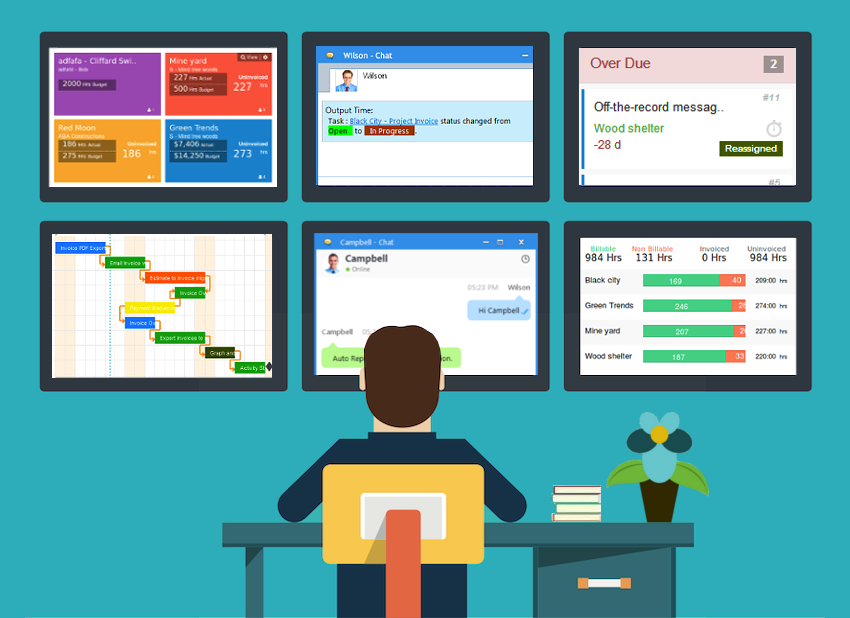
In conclusion, successfully managing multiple projects requires a multifaceted approach encompassing clear planning, effective communication, and proactive risk management. This guide has provided a structured framework for understanding the nuances of multi-project management. By implementing the strategies Artikeld, you can streamline your processes, optimize resource allocation, and ultimately achieve remarkable results across all your projects. Remember that adaptability and flexibility are crucial for navigating the inevitable challenges of a dynamic multi-project environment.