Improving memory is a journey of discovery, unlocking the potential of your mind. This guide delves into a variety of strategies, from dietary choices and lifestyle adjustments to advanced learning techniques and memory-boosting tools. We’ll explore how to optimize your brain health and enhance your ability to recall information, fostering a sharper, more effective cognitive function.
From the simple act of eating nutritious foods to the practice of mindfulness, this comprehensive guide explores the multifaceted nature of memory improvement. It encompasses a range of actionable steps, offering practical advice for anyone looking to strengthen their memory and unlock their full cognitive potential.
Dietary Influences on Memory
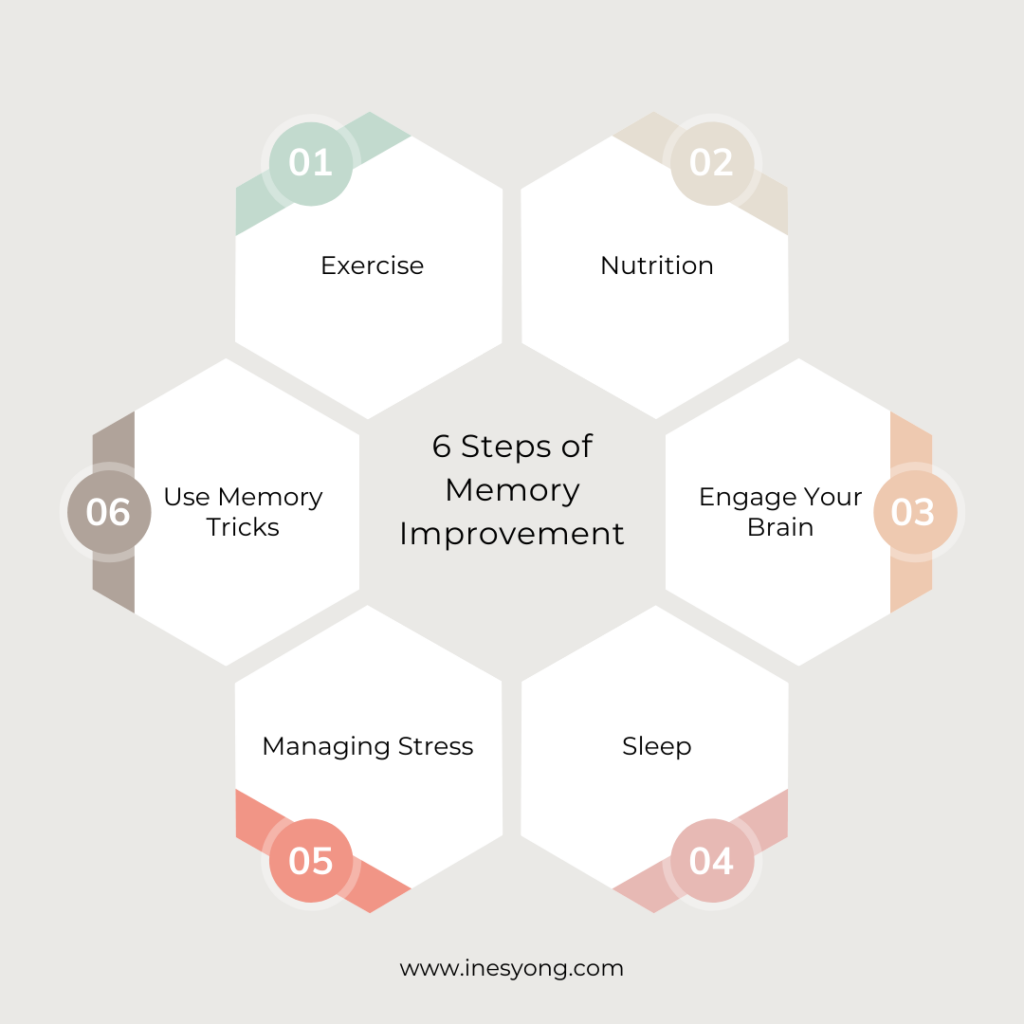
A healthy diet plays a crucial role in supporting cognitive function, including memory. Proper nutrition provides the essential building blocks and nutrients needed for optimal brain health. This section explores the impact of different dietary components on memory performance, highlighting the importance of specific foods, antioxidants, vitamins, hydration, and carbohydrates for maintaining a sharp mind.
Foods That Enhance Cognitive Function
A balanced diet rich in specific nutrients is vital for maintaining optimal brain health and memory. Certain foods have been linked to improved cognitive function. These foods offer various benefits, including supporting the production of neurotransmitters and providing essential nutrients for brain cell maintenance.
- Fatty Fish (Salmon, Tuna, Mackerel): These fish are excellent sources of omega-3 fatty acids, crucial for brain structure and function. Omega-3s contribute to the formation of healthy brain cell membranes, promoting optimal cognitive performance and memory retention.
- Berries (Blueberries, Strawberries, Raspberries): Berries are rich in antioxidants, which help protect brain cells from damage caused by free radicals. This antioxidant protection can support memory and overall cognitive health.
- Leafy Green Vegetables (Spinach, Kale, Collard Greens): Leafy greens are packed with vitamins and minerals, including folate and vitamin K, essential for cognitive function. These nutrients contribute to brain cell health and may support memory.
- Nuts and Seeds (Almonds, Walnuts, Chia Seeds): These foods provide healthy fats, antioxidants, and essential vitamins and minerals that support brain health. They are particularly beneficial for memory and concentration.
- Dark Chocolate: Dark chocolate, in moderation, contains flavonoids, antioxidants that can improve blood flow to the brain. Increased blood flow can potentially enhance cognitive function and memory.
Role of Antioxidants and Vitamins
Antioxidants and specific vitamins play a critical role in protecting brain cells from damage and supporting memory function.
- Antioxidants: Antioxidants neutralize harmful free radicals, preventing oxidative stress. Oxidative stress can damage brain cells, impairing memory and cognitive function. Foods rich in antioxidants, such as berries, dark chocolate, and leafy greens, can help mitigate this damage.
- Vitamin E: Vitamin E is a powerful antioxidant that protects brain cells from damage. It’s important for maintaining healthy brain function and supporting memory.
- Vitamin B12: Vitamin B12 is essential for the production of myelin, a protective sheath around nerve fibers. Proper myelin function is critical for nerve communication and memory.
- Folate: Folate is vital for brain development and function. It’s crucial for the production of neurotransmitters, impacting cognitive processes and memory.
Impact of Hydration on Memory Performance
Adequate hydration is crucial for various bodily functions, including cognitive function and memory.
Proper hydration is essential for optimal brain function. Water helps transport nutrients to the brain, removes waste products, and supports overall cellular health. Dehydration can lead to impaired cognitive performance, including difficulties with memory and concentration.
Comparison of Carbohydrate Types
Different types of carbohydrates have varying effects on memory performance.
Simple carbohydrates, such as white bread and sugary drinks, are quickly digested and absorbed, leading to a rapid spike in blood sugar. This can negatively impact cognitive function and memory. Complex carbohydrates, found in whole grains, fruits, and vegetables, are digested more slowly, providing a sustained release of glucose, which is beneficial for maintaining stable blood sugar levels and supporting optimal brain function.
Sample Weekly Meal Plan
This sample meal plan emphasizes foods known to support memory and cognitive function. Portion sizes are approximate and can be adjusted based on individual needs.
- Monday: Salmon with quinoa and roasted vegetables. (Salmon: 4oz, Quinoa: 1 cup, Vegetables: 2 cups)
- Tuesday: Lentil soup with whole-wheat bread. (Lentil soup: 1.5 cups, Bread: 2 slices)
- Wednesday: Chicken breast salad with mixed greens and berries. (Chicken: 4oz, Greens: 2 cups, Berries: 1 cup)
- Thursday: Black bean burgers on whole-wheat buns with a side salad. (Burgers: 2, Salad: 1.5 cups)
- Friday: Turkey meatballs with whole-wheat pasta and steamed broccoli. (Meatballs: 4, Pasta: 0.5 cup, Broccoli: 1 cup)
- Saturday: Baked sweet potato with avocado and a side of almonds. (Sweet Potato: 1 medium, Avocado: 1, Almonds: 1/4 cup)
- Sunday: Eggs with spinach and whole-wheat toast. (Eggs: 2, Spinach: 1 cup, Toast: 1 slice)
Nutrient Content and Memory Benefits Table
| Food | Nutrient Content | Memory Benefits |
|---|---|---|
| Fatty Fish | Omega-3 fatty acids | Supports brain cell structure, enhances cognitive performance. |
| Berries | Antioxidants | Protects brain cells from damage, supports memory and cognitive health. |
| Leafy Greens | Vitamins, minerals (folate, vitamin K) | Contributes to brain cell health, supports memory. |
| Nuts and Seeds | Healthy fats, antioxidants | Supports brain health, enhances memory and concentration. |
| Dark Chocolate | Flavonoids (antioxidants) | Improves blood flow to the brain, potentially enhancing cognitive function and memory. |
Lifestyle Practices for Enhanced Memory
Adopting healthy lifestyle practices plays a crucial role in optimizing brain function and memory. These practices, when integrated into daily routines, can significantly enhance cognitive performance and contribute to overall well-being. By prioritizing physical health, stress management, and quality sleep, individuals can actively support the health of their brains and improve memory retention.Maintaining a healthy lifestyle, encompassing regular exercise, stress management techniques, and sufficient sleep, can foster a supportive environment for memory consolidation and retrieval.
These practices contribute to the overall well-being of the brain, leading to enhanced cognitive function.
Regular Exercise and Brain Health
Physical activity is not only beneficial for physical health but also significantly impacts brain health and memory. Regular exercise promotes the growth of new brain cells, particularly in areas crucial for memory and learning. Aerobic exercise, in particular, increases blood flow to the brain, delivering essential nutrients and oxygen for optimal brain function. This enhanced blood flow supports neurogenesis, the creation of new neurons, a process vital for maintaining and improving memory.
Studies have shown a strong correlation between regular physical activity and improved cognitive function, including enhanced memory performance.
Stress Management and Memory Improvement
Chronic stress can negatively impact memory and cognitive function. Prolonged exposure to stress hormones like cortisol can impair the hippocampus, a brain region essential for learning and memory. Effective stress management techniques can mitigate these negative effects. These techniques include mindfulness practices, deep breathing exercises, and relaxation techniques, which help reduce stress levels and support healthy brain function.
Sleep Quality and Memory Consolidation
Sufficient and quality sleep is essential for memory consolidation. During sleep, the brain processes and stores information acquired throughout the day. This process, known as memory consolidation, strengthens memory traces, making them more readily accessible for recall. Adequate sleep allows the brain to effectively consolidate memories, thereby improving memory retention. Poor sleep quality can disrupt this process, leading to impaired memory performance.
Mindfulness and Meditation Practices
Mindfulness and meditation practices have demonstrated positive effects on memory function. These practices promote focus, attention, and emotional regulation, all of which are critical for optimal cognitive performance. Mindfulness techniques train the mind to focus on the present moment without judgment, reducing stress and promoting a calmer mental state. This calm state facilitates improved memory consolidation.
Social Interaction and Cognitive Stimulation
Engaging in social interactions and cognitive stimulation activities can positively impact memory function. Social interaction provides opportunities for learning, sharing experiences, and stimulating cognitive processes. Maintaining a vibrant social network can reduce feelings of isolation and promote mental engagement, contributing to improved memory. Cognitive stimulation activities, such as puzzles, games, and learning new skills, challenge the brain, promoting neuroplasticity and enhancing memory capacity.
Stress-Reducing Techniques and Memory Effectiveness
| Stress-Reducing Technique | Effectiveness on Memory | Description |
|---|---|---|
| Mindfulness Meditation | High | Focuses on present moment awareness, reducing stress and improving attention. |
| Deep Breathing Exercises | Moderate | Slow, controlled breathing helps regulate the nervous system, reducing stress hormones. |
| Progressive Muscle Relaxation | Moderate | Systematic tensing and releasing of muscle groups to reduce physical tension and stress. |
| Yoga | High | Combines physical postures, breathing techniques, and meditation to promote relaxation and well-being. |
| Physical Exercise | High | Aerobic exercise increases blood flow to the brain, promoting neurogenesis and cognitive function. |
Learning Strategies for Memory Retention
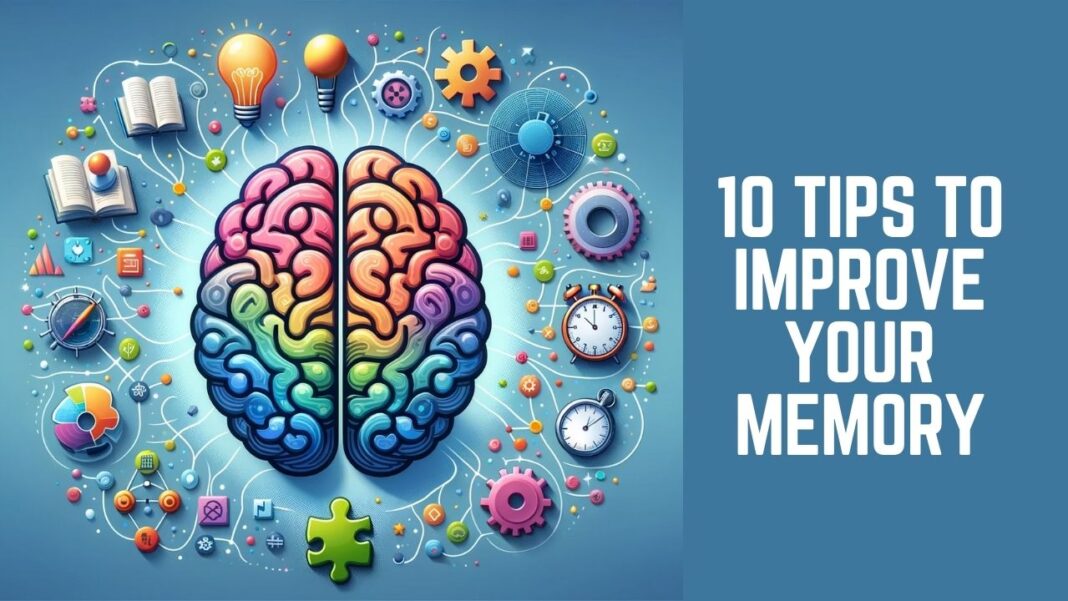
Effective memory retention relies not just on diet and lifestyle but also on strategic learning approaches. By employing various techniques, individuals can significantly enhance their ability to encode, store, and retrieve information. This section delves into diverse learning strategies that support long-term memory formation.Understanding different mnemonic devices, active recall methods, and the power of spaced repetition can greatly improve memory capacity and retrieval speed.
Learning styles also play a crucial role in how information is processed and retained, influencing the most effective approaches for each individual. Furthermore, effective organization of information and the utilization of visual imagery and association can significantly bolster memory performance.
Mnemonic Devices and Their Application
Mnemonic devices are memory aids that link new information to existing knowledge or memorable images. They leverage the brain’s associative abilities to create strong memory traces. Numerous mnemonic techniques exist, each with specific applications.
- Acronyms: Combining the first letters of a series of words into a pronounceable word (e.g., ROY G. BIV for the colors of the rainbow). This method is effective for recalling ordered lists or sequences.
- Acrostics: Creating a sentence where the first letter of each word corresponds to the item to be remembered (e.g., Every Good Boy Deserves Fudge for the musical notes E, G, B, D, F). Useful for remembering lists and sequences.
- Method of Loci: Associating items to be remembered with specific locations in a familiar environment (e.g., placing grocery items on different locations in your house to recall them later). Highly effective for long lists and sequences.
- Visual Imagery: Creating vivid mental images linking concepts to be remembered (e.g., associating the concept of “gravity” with a falling apple). Useful for abstract concepts and factual details.
Benefits of Active Recall Techniques
Active recall techniques, such as self-testing and retrieving information without looking at the source material, are highly beneficial for long-term memory consolidation. These techniques actively engage the brain and enhance encoding, leading to stronger memory traces.
- Spaced Repetition: Reviewing information at increasing intervals strengthens memory over time. The brain gradually consolidates the information into long-term storage, leading to more durable memory retention.
- Self-Testing: Regularly testing oneself on the material reinforces encoding and strengthens the memory pathways. This technique actively engages the mind in retrieving information, which improves retention and recall.
- Flashcards: A simple yet effective method for active recall, flashcards help reinforce learning and improve memorization by prompting retrieval.
Importance of Spaced Repetition
Spaced repetition is a powerful learning strategy that strengthens memory by reviewing information at increasing intervals. The brain consolidates information more effectively when reviewed over time, leading to improved recall and retention. This method effectively combats the forgetting curve, which describes the decline in memory over time.
Different Learning Styles and Their Effectiveness
Different individuals have preferred learning styles, which impact their ability to process and retain information. Visual, auditory, and kinesthetic learning styles can all be effective when tailored to individual needs.
- Visual Learners: These learners benefit from visual aids, diagrams, and images to understand and remember information. They can create mind maps or use visual imagery to connect concepts.
- Auditory Learners: These learners excel with lectures, discussions, and verbal explanations. They can record themselves reciting information or use audio recordings to review material.
- Kinesthetic Learners: These learners learn best through hands-on activities, experiments, and physical interaction with the material. They can use role-playing or create physical models to understand concepts.
Methods to Organize Information for Better Recall
Organizing information logically and systematically is crucial for better recall. The brain processes information more efficiently when presented in an organized manner.
- Outlining: Breaking down complex topics into smaller, manageable parts using hierarchical Artikels helps to categorize information.
- Mind Mapping: Visual representation of ideas and their connections using branches and s helps to organize information spatially.
- Creating Charts and Tables: Presenting information in a structured format with rows and columns can make it easier to understand and remember.
Creating Memory Aids Using Visual Imagery and Association
Visual imagery and association are powerful tools for creating memory aids. Linking new information to existing knowledge or vivid mental images strengthens memory encoding and retrieval.
- Creating Visual Analogies: Relating abstract concepts to concrete images or situations can enhance understanding and memory.
- Using Acronyms and Acrostics: Creating memorable words or sentences using the first letters of concepts can facilitate recall.
- Connecting Information to Personal Experiences: Relating new information to personal experiences or relatable scenarios can improve recall and understanding.
Comparison of Mnemonic Techniques
| Mnemonic Technique | Suitability for Different Types of Information |
|---|---|
| Acronyms | Lists, sequences, ordered information |
| Acrostics | Lists, sequences, ordered information |
| Method of Loci | Long lists, complex information, sequences |
| Visual Imagery | Abstract concepts, factual details, complex ideas |
Memory-Boosting Techniques and Tools
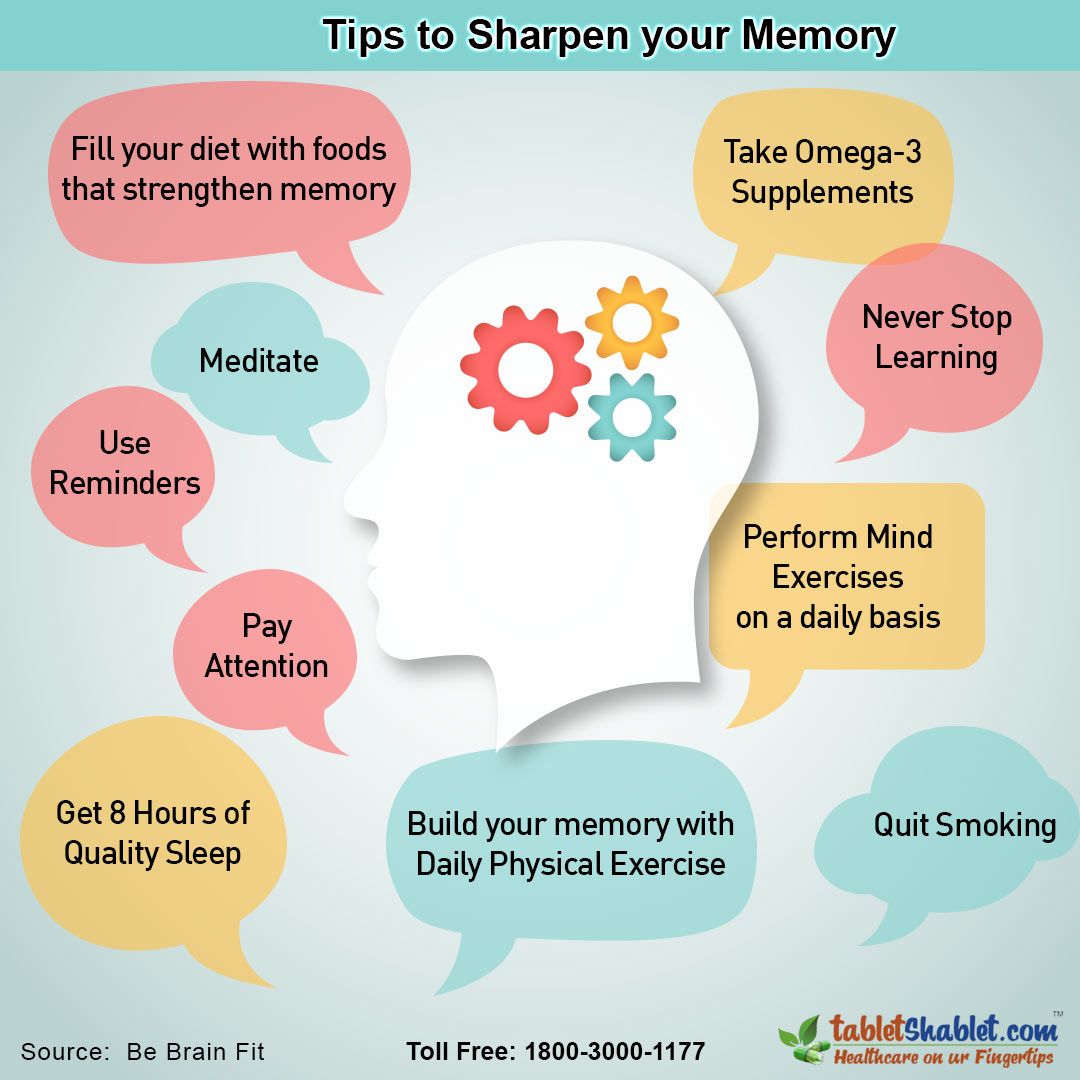
Improving memory extends beyond dietary choices and lifestyle adjustments. Employing specific techniques and utilizing supportive tools can significantly enhance memory retention and recall. These methods provide practical strategies for optimizing cognitive function and improving overall mental performance.
Memory Improvement Apps and Tools
Numerous apps and tools are designed to aid in memory enhancement. These applications often incorporate gamified elements and structured exercises to stimulate various cognitive functions. They provide a personalized and engaging approach to memory training.
- Elevate: This app focuses on memory improvement through spaced repetition and interactive exercises. Its gamified approach makes learning enjoyable and effective.
- Memrise: Memrise utilizes flashcards and spaced repetition to aid in vocabulary acquisition and language learning, which indirectly strengthens memory.
- Anki: Known for its advanced spaced repetition system, Anki allows users to create custom flashcards for various subjects, fostering active recall and efficient learning.
- BrainHQ: This app offers a wide array of cognitive training exercises targeting memory, attention, and processing speed. It provides customized programs based on individual needs and progress.
Memory Palace Technique
The memory palace technique, also known as the method of loci, is a mnemonic device that uses visualization to enhance memory. It involves associating items to be remembered with locations within a familiar environment.
By mentally placing each item in a specific location, recalling the sequence becomes easier. This technique leverages spatial memory and vivid imagery to create strong associations, leading to more effective recall. For example, to remember a grocery list, one could imagine each item placed in a specific room in their home, like the milk carton on the kitchen table.
Memory Games and Puzzles
Engaging in memory games and puzzles can stimulate cognitive function and improve memory performance. These activities often involve remembering sequences, patterns, and images.
- Sudoku: This logic-based puzzle game challenges players to fill empty cells with numbers following specific rules, improving logical reasoning and attention span.
- Chess: A complex strategy game that requires memory to track pieces’ positions and anticipate moves, fostering strategic thinking and memory capacity.
- Picture Puzzles: Reassembling fragmented images requires visual memory and attention to detail, which can enhance cognitive skills.
Improving Focus and Concentration
Consistent focus and concentration are crucial for effective memory encoding and retrieval. Mindfulness practices and techniques to manage distractions can significantly enhance cognitive performance.
- Mindfulness meditation: Regular mindfulness practice can enhance focus and reduce mental clutter, thereby improving concentration and memory.
- Time management techniques: Proper time management helps in allocating sufficient time for tasks, minimizing distractions, and improving focus and concentration.
Review and Practice
Consistent review and practice are essential for strengthening memory. Repetition, particularly spaced repetition, enhances the consolidation of learned information, making it more readily available for recall.
Reviewing material at increasing intervals strengthens memory retention. This approach is highly effective for long-term memory consolidation. Active recall, where one attempts to retrieve information without looking at the source, is another powerful strategy.
Comparing Memory-Boosting Apps
| App | Key Features |
|---|---|
| Elevate | Spaced repetition, interactive exercises, gamified learning |
| Memrise | Flashcards, spaced repetition, language learning |
| Anki | Customizable flashcards, advanced spaced repetition |
| BrainHQ | Wide range of cognitive exercises, personalized programs |
Brain Health and Memory
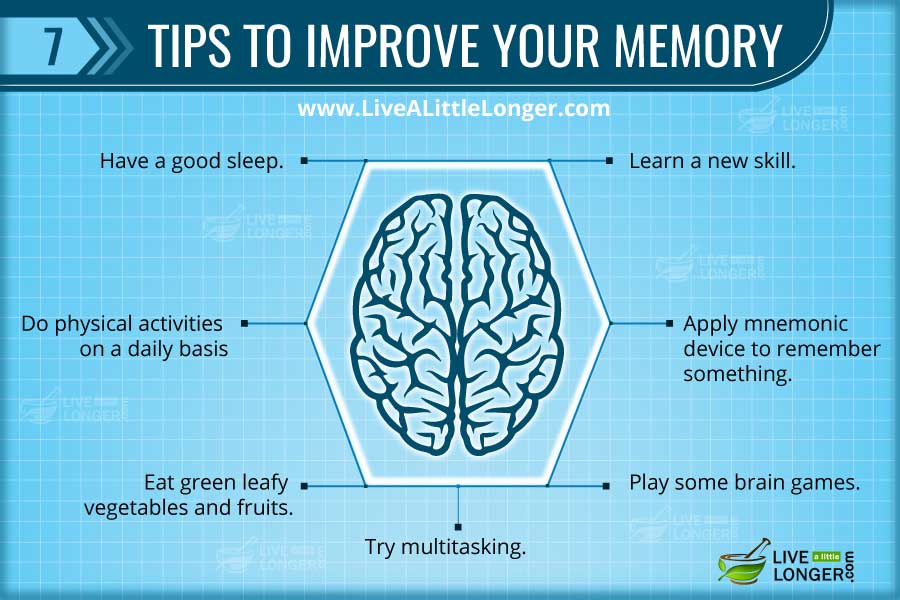
Maintaining a healthy brain is crucial for optimal memory function throughout life. A strong connection exists between overall physical well-being and cognitive health, influencing memory retention and recall. Understanding the impact of chronic conditions, recognizing the importance of regular checkups, and adopting brain-healthy habits are key to preserving memory and cognitive function.
The Interplay of Physical and Cognitive Health
Brain health is intrinsically linked to overall physical health. Factors such as cardiovascular health, blood sugar regulation, and nutritional intake significantly impact brain function and, consequently, memory. Conditions affecting blood flow, such as high blood pressure and high cholesterol, can restrict oxygen and nutrient delivery to the brain, potentially leading to memory problems. A balanced diet rich in essential nutrients and regular exercise promote optimal brain function and memory retention.
Furthermore, managing stress through healthy coping mechanisms is vital for maintaining cognitive clarity.
Impact of Chronic Conditions on Memory
Certain chronic conditions can negatively impact memory function. These conditions often affect blood flow, nutrient delivery, or inflammation levels within the brain. The severity and type of memory impairment vary depending on the specific condition and its duration.
| Chronic Condition | Potential Impact on Memory |
|---|---|
| Diabetes | High blood sugar levels can damage blood vessels, leading to reduced blood flow to the brain and potential memory problems. Individuals with poorly controlled diabetes may experience difficulties with short-term memory and attention. |
| High Blood Pressure | High blood pressure can damage blood vessels, potentially leading to reduced blood flow to the brain. This can cause problems with memory, concentration, and cognitive processing. |
| Stroke | A stroke, caused by interrupted blood flow to the brain, can result in significant memory loss, depending on the affected area and the extent of the damage. |
| Depression | Chronic depression can affect various cognitive functions, including memory and concentration. It can impair the ability to encode, store, and retrieve information. |
| Alzheimer’s Disease | Alzheimer’s disease is a progressive neurodegenerative disorder characterized by gradual memory loss, confusion, and behavioral changes. |
Importance of Regular Checkups and Early Detection
Regular checkups with a physician are essential for identifying potential memory issues early on. Early detection allows for prompt intervention and management of underlying conditions, potentially slowing or preventing further cognitive decline. It’s crucial to communicate any concerns about memory changes with a healthcare professional.
Preventing Age-Related Memory Decline
Maintaining a healthy lifestyle plays a pivotal role in preventing age-related memory decline. Regular exercise, a balanced diet, and cognitive stimulation activities can help preserve cognitive function. Social engagement and maintaining a strong support system also contribute to overall well-being and brain health.
Brain-Healthy Habits for Lifelong Cognitive Function
Cultivating brain-healthy habits throughout life is vital for maintaining cognitive function. This includes adopting a balanced diet rich in fruits, vegetables, and omega-3 fatty acids. Regular physical activity, engaging in mentally stimulating activities, and managing stress effectively are crucial for supporting optimal brain health and preserving memory. Furthermore, sufficient sleep is essential for memory consolidation and cognitive restoration.
Illustrative Examples of Memory Improvement
Improving memory is not just about memorizing facts; it’s about enhancing cognitive skills for everyday life. Effective memory strategies, when implemented consistently, can lead to significant improvements in various aspects of life, from academic performance to personal well-being. This section provides concrete examples of how memory enhancement techniques translate into real-world applications.Real-life scenarios often require the application of multiple memory techniques.
For example, remembering a complex presentation requires not only the use of mnemonic devices to recall key points but also effective note-taking strategies to solidify understanding. Successful implementation often depends on understanding the specific context and tailoring the approach accordingly.
Real-Life Applications of Memory Techniques
Effective memory techniques can be applied to a wide range of situations. These techniques are not just for memorizing lists; they can also help recall important information in a meaningful context.
- Remembering Appointments and Deadlines: Using a calendar and associating a vivid image or story with each appointment can significantly enhance recall. For example, visualizing a funny image related to a dentist appointment can help you remember the date and time.
- Improving Academic Performance: The method of loci, a spatial memory technique, can be used to remember historical events or complex scientific concepts. Visualizing the locations of key events on a familiar route can aid in recall.
- Mastering New Languages: Spaced repetition systems, like Anki, help learners efficiently review vocabulary and grammar. This technique is highly effective for language acquisition as it ensures the information is recalled over time.
Case Studies of Memory Improvement
Numerous individuals have reported success in enhancing their memory through various strategies. These case studies highlight the potential for positive change.
- A Student’s Experience: A university student struggling with exam preparation found significant improvement by adopting the method of loci. They visualized key concepts in different locations within their dorm room, creating a mental map. This helped them recall information during exams more effectively.
- A Professional’s Transformation: A professional with a demanding job implemented a combination of note-taking strategies and spaced repetition. They were able to effectively manage their workload and remember critical project details, leading to improved performance.
Memory Enhancement in Academic Settings
Effective memory techniques can be integrated seamlessly into academic settings. These methods can be used to enhance understanding and retention of complex information.
- Enhancing Comprehension: By using visual aids and creating mind maps, students can effectively link new information to existing knowledge, leading to better understanding.
- Boosting Exam Performance: Memory techniques, like the Feynman Technique, help students not only memorize but also deeply understand the subject matter. By explaining concepts in simple terms, they reinforce their understanding and facilitate recall.
Memory Improvement for Personal Development
Beyond academic and professional contexts, memory improvement can positively impact personal development.
- Enhanced Learning Capacity: By improving memory, individuals can more readily absorb new skills and knowledge, leading to greater personal growth.
- Improved Communication Skills: Better memory facilitates recalling details during conversations, enhancing the ability to communicate effectively and engagingly.
Illustrative Example: Applying the Method of Loci
“A student struggling with remembering historical dates used the method of loci. They visualized a familiar route, associating each location with a specific historical event. For example, they visualized the Roman Forum at the entrance of their house and associated it with the founding of Rome. This spatial association allowed them to mentally walk through their route, recalling the dates linked to each location with ease.”
Last Point
In conclusion, improving memory is achievable through a holistic approach encompassing diet, lifestyle, and learning strategies. By understanding the interplay of these factors, you can cultivate a sharper mind and unlock your memory’s full capacity. This guide provides a roadmap to enhancing memory function, empowering you to optimize your cognitive performance and enjoy a lifetime of learning and recall.