Unlocking your full learning potential is a journey of continuous improvement. This comprehensive guide delves into a multitude of strategies, from mastering effective learning techniques to optimizing your study environment. Whether you’re a visual, auditory, or kinesthetic learner, we’ll explore diverse approaches to enhance your understanding and retention of information.
We’ll examine the crucial role of time management, active reading, and note-taking in boosting your learning efficiency. Understanding your individual learning style is key, and we’ll provide self-assessment tools to help you identify your strengths and areas for development. Furthermore, we’ll explore the power of technology and the importance of creating a supportive learning environment. Ultimately, this guide equips you with the knowledge and skills to transform your learning experience.
Learning Strategies
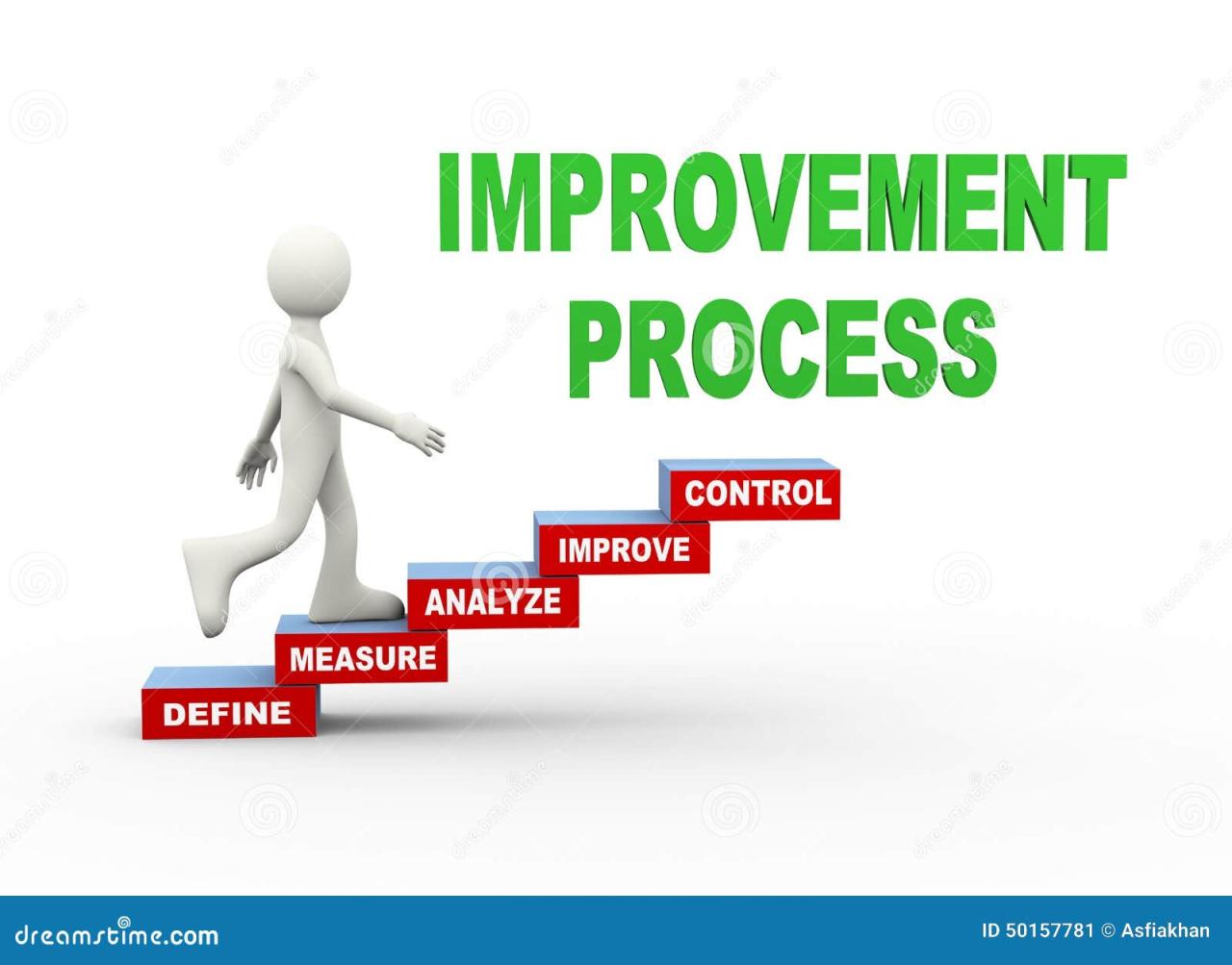
Effective learning extends beyond passive absorption of information. It involves actively engaging with the material, tailoring strategies to individual learning styles, and utilizing techniques that enhance memory and focus. This section details various learning strategies, highlighting their benefits and application in different learning environments.
Learning Styles and Strategies
Different individuals process information in distinct ways. Understanding your preferred learning style can significantly improve your learning experience. Visual learners excel when presented with diagrams, charts, and images. Auditory learners thrive on lectures, discussions, and audio recordings. Kinesthetic learners benefit from hands-on activities, experiments, and physical demonstrations.
Tailoring learning strategies to these styles enhances comprehension and retention.
- Visual Learners: Utilize mind maps, diagrams, and flowcharts to represent concepts visually. Create flashcards with images or diagrams for better recall. Consider using color-coding to highlight key information.
- Auditory Learners: Record lectures and review them repeatedly. Engage in discussions and explain concepts to others. Use audio recordings of yourself summarizing material.
- Kinesthetic Learners: Actively participate in experiments and simulations. Build models or prototypes to illustrate concepts. Practice writing summaries or explanations to solidify understanding.
Active Recall and Spaced Repetition
Active recall, the process of retrieving information from memory without looking at the source material, is a powerful tool for enhancing memory. Spaced repetition, the technique of reviewing material at increasing intervals, further strengthens memory by reinforcing learned concepts over time. Both strategies are particularly effective for long-term retention.
Active recall forces your brain to work harder, leading to deeper understanding and stronger memory traces.
Spaced repetition is based on the principle of the forgetting curve, ensuring that information is reviewed at intervals that optimize retention.
Improving Focus and Concentration
Maintaining focus and concentration during study sessions is crucial for effective learning. Techniques like the Pomodoro Technique, which involves working in focused intervals with short breaks, can significantly improve productivity. Creating a dedicated study space free from distractions, minimizing interruptions, and practicing mindfulness exercises can further enhance concentration.
- The Pomodoro Technique: Work in 25-minute intervals with short 5-minute breaks. Repeat this cycle several times to maximize focus and efficiency.
- Minimize Distractions: Turn off notifications, silence your phone, and find a quiet study space.
- Mindfulness: Practice mindfulness exercises like deep breathing or meditation to improve focus and reduce stress.
Note-Taking Methods
Different note-taking methods cater to various learning styles and preferences. Choosing the right method can greatly influence the effectiveness of your study sessions. The following table compares and contrasts various note-taking methods.
| Method | Description | Strengths | Weaknesses |
|---|---|---|---|
| Linear Note-Taking | Taking notes in a structured, sequential format. | Easy to follow, good for factual information. | Can be difficult to capture connections between ideas. |
| Cornell Note-Taking | Dividing the page into sections for main points, cues, and summaries. | Excellent for summarizing and reviewing information. | Can be time-consuming for complex topics. |
| Mind Mapping | Visual representation of ideas and their connections. | Excellent for capturing relationships between concepts. | May not be suitable for highly linear material. |
Time Management & Organization

Effective time management is crucial for maximizing learning potential. A well-structured study schedule, coupled with strategies for prioritizing tasks and minimizing distractions, significantly enhances the efficiency and quality of learning. Consistent application of these methods leads to improved comprehension and retention of information.Time management and organization are pivotal elements in achieving academic success. By strategically allocating time and effectively organizing tasks, learners can cultivate a productive study environment, leading to enhanced learning outcomes.
Prioritizing tasks, minimizing distractions, and utilizing effective tools are essential components of this process.
Creating a Study Schedule
Developing a study schedule involves several key considerations. It’s essential to understand your personal learning rhythm and adjust the schedule accordingly. Realistic time allocation is crucial to avoid feeling overwhelmed and maintain consistency. The schedule should be tailored to accommodate not only study sessions but also breaks, rest, and other essential activities.
Time-Blocking Strategies
Time-blocking strategies are highly effective for optimizing study time. They involve allocating specific time slots for particular tasks or subjects. For instance, dedicating an hour each day to math problems, or scheduling a dedicated time for reviewing notes. By scheduling specific times for different tasks, learners can maintain focus and prevent procrastination.
- Fixed Schedule: A fixed schedule maintains consistent study times, helping develop a routine and improve focus. Example: Studying math from 7:00 PM to 8:00 PM daily.
- Flexible Schedule: A flexible schedule adapts to changing demands or personal preferences. It allows for adjustments and unexpected events, although maintaining a general structure is still important.
- Pomodoro Technique: This technique involves working in focused bursts (e.g., 25 minutes) followed by short breaks. This method enhances concentration and prevents burnout.
Prioritizing Tasks and Managing Distractions
Prioritization of tasks is a fundamental aspect of time management. By identifying and prioritizing the most crucial tasks, learners can ensure that the most important material is addressed first. Effective prioritization often involves using methods like the Eisenhower Matrix, which categorizes tasks based on urgency and importance. Recognizing and minimizing distractions is equally vital. This includes creating a dedicated study space, turning off notifications, and using website blockers.
Time Management Tools
Utilizing appropriate time management tools can greatly enhance productivity. Various tools are available, each with unique functionalities.
| Tool | Functionality |
|---|---|
| Google Calendar | Scheduling appointments, deadlines, and study sessions. Allows for reminders and color-coding. |
| Trello/Asana | Visual task management tools. Useful for organizing projects and breaking down large tasks into smaller, manageable steps. |
| Timer Apps (Forest, Focus To-Do) | Focused time management. Helps maintain concentration during study sessions by providing visual feedback and reminders. |
| To-Do Lists (physical or digital) | Simple, yet effective way to track tasks and monitor progress. Allows for checking off completed tasks. |
Active Reading & Note-Taking
Improving learning extends beyond passive consumption of information. Active engagement with the material, particularly through reading and note-taking, significantly enhances comprehension and retention. These techniques transform the act of learning from a mere reception of facts to an active process of understanding and application.Effective reading and note-taking are crucial components of successful learning. They go beyond simply recording information; they involve critically engaging with the material, identifying key concepts, and organizing them for future recall.
This active approach is far more effective than simply highlighting or summarizing.
Techniques for Improving Comprehension During Reading
Active reading involves more than just scanning the text. It necessitates a conscious effort to understand the author’s purpose, identify main ideas, and evaluate the supporting evidence. This active process encourages deeper engagement and promotes a stronger understanding of the material. Several strategies contribute to improved comprehension. Previewing the text, identifying the author’s purpose, and asking questions before reading are fundamental steps.
While reading, annotating the text with marginal notes, summarizing paragraphs, and connecting the material to prior knowledge further enhance comprehension. These techniques foster a deeper understanding of the material by encouraging critical thinking and engagement.
Methods for Effectively Taking Notes While Reading
Taking effective notes is not merely about transcribing the text; it’s about distilling the core information and connecting it to your existing knowledge. Different note-taking methods can be tailored to individual learning styles and the complexity of the material. Developing a systematic approach to note-taking can significantly improve the learning process.
Different Note-Taking Formats
Various note-taking formats cater to diverse learning styles and information structures. The choice of format depends on the subject matter, the reader’s preferences, and the learning objectives. Understanding the strengths and weaknesses of each format is key to choosing the most effective method.
- Linear Notes: This traditional method involves organizing information in a sequential manner, often using bullet points or numbered lists. It is suitable for structured information, like step-by-step procedures or chronological events. This method is easy to follow and helps in linear reasoning.
- The Cornell Method: This structured approach divides the page into three sections: a main note-taking area, a cue column, and a summary section. The cue column helps in recalling the information, while the summary section provides a concise overview. This format promotes active recall and critical thinking.
- Mind Mapping: This visual method uses a central idea to branch out into interconnected concepts and s. It is ideal for grasping complex relationships and interconnections between ideas. This method helps to visualize and connect ideas.
Comparison of Note-Taking Formats
| Note-Taking Method | Benefits | Drawbacks |
|---|---|---|
| Linear Notes | Easy to follow, suitable for structured information | Can be cumbersome for complex ideas, may not highlight connections |
| Cornell Method | Encourages active recall, structured organization | Can be time-consuming for detailed notes, may not be suitable for all subjects |
| Mind Mapping | Visual representation of ideas, highlights relationships | Can become cluttered if not organized, may not be suitable for linear information |
Understanding Learning Styles
Effective learning hinges on recognizing and leveraging individual preferences. Different people absorb and process information in unique ways. Understanding your learning style can significantly improve your ability to retain and apply knowledge. This section delves into the various learning styles and provides strategies for adapting your learning approach to maximize your potential.Identifying your dominant learning style allows you to tailor your study methods to optimize your learning experience.
This understanding empowers you to choose the most effective strategies for absorbing information and building a strong knowledge foundation.
Different Learning Styles
Various learning styles exist, each with its own strengths and weaknesses. Recognizing these styles can lead to more effective study habits and better academic performance.
- Visual Learners rely heavily on seeing and visualizing information. They often benefit from diagrams, charts, mind maps, and images to process and retain concepts. Visual aids make complex information easier to grasp and remember.
- Auditory Learners prefer to learn through listening and hearing. They might benefit from lectures, audio recordings, discussions, and verbal explanations. Participating in class discussions or using audiobooks can enhance their learning experience.
- Kinesthetic Learners learn best through hands-on activities and physical interaction. They often benefit from experiments, simulations, role-playing, and building models. For example, a kinesthetic learner might create a model of the solar system to understand its components.
- Read/Write Learners thrive on absorbing information through reading and writing. They often benefit from textbooks, articles, summaries, and note-taking. They may also find journaling or writing summaries of learned material to be effective.
Adapting Learning Approaches
Once you identify your learning style, you can adapt your learning approach accordingly. This involves choosing methods that align with your preferences.
- Visual Learners can benefit from using flashcards, creating diagrams, highlighting key concepts in texts, and watching educational videos.
- Auditory Learners can benefit from recording lectures, participating in study groups, listening to summaries, and using audio textbooks.
- Kinesthetic Learners can benefit from creating physical models, engaging in experiments, participating in role-playing exercises, and using hands-on projects.
- Read/Write Learners can benefit from taking detailed notes, summarizing information, creating Artikels, and engaging in writing assignments.
Importance of Understanding Your Learning Preferences
Recognizing your dominant learning style is crucial for optimizing your learning experience. It enables you to adapt your learning methods to best suit your cognitive strengths.
- Understanding your learning style allows you to focus on the methods that work best for you, leading to increased retention and comprehension. This personalized approach makes learning more enjoyable and effective.
- A deeper understanding of your learning preferences helps you approach tasks with greater confidence and efficiency. This often leads to improved performance in various academic and professional settings.
Identifying Your Dominant Learning Style
Self-assessment is a valuable tool for identifying your dominant learning style. Various online resources and questionnaires can assist in this process. By considering your preferences and strengths, you can determine your most effective learning strategies.
| Learning Style | Characteristics | Examples |
|---|---|---|
| Visual | Learns through seeing; benefits from images, diagrams, and charts | Creating mind maps, using flashcards with images, watching videos |
| Auditory | Learns through listening; benefits from lectures, discussions, and audio recordings | Participating in study groups, listening to audio books, recording lectures |
| Kinesthetic | Learns through doing; benefits from hands-on activities, experiments, and simulations | Building models, conducting experiments, participating in role-playing |
| Read/Write | Learns through reading and writing; benefits from textbooks, articles, and note-taking | Taking detailed notes, summarizing information, writing essays |
Mastery of Key Skills
Developing strong critical thinking and problem-solving skills is paramount to effective learning. These skills enable learners to analyze information, identify patterns, and formulate reasoned conclusions, fostering a deeper understanding of the subject matter. Beyond rote memorization, these skills empower students to approach challenges with a proactive and analytical mindset, ultimately leading to more profound and lasting knowledge acquisition.
Critical Thinking and Problem-Solving in Learning
Critical thinking is a cornerstone of effective learning, facilitating a deeper understanding of concepts and their application. It involves analyzing information, identifying biases, evaluating arguments, and forming reasoned judgments. Problem-solving skills complement critical thinking by providing the practical application of analytical abilities to real-world situations. Together, these skills are essential for navigating complex issues and formulating innovative solutions.
Applying Critical Thinking to Study Materials
To apply critical thinking to study materials, learners should engage in active analysis rather than passive absorption. This involves questioning assumptions, identifying underlying principles, and exploring alternative interpretations. Consider a historical text, for instance. Instead of simply summarizing the events, students can analyze the motivations of key figures, evaluate different perspectives, and consider the potential impact of the events on subsequent developments.
Research and Information Gathering in the Learning Process
Research and information gathering are integral components of the learning process. They provide learners with a wealth of knowledge from diverse sources, fostering a holistic understanding of the subject. This multifaceted approach to acquiring information encourages a nuanced and comprehensive view, moving beyond superficial summaries to a deeper appreciation of context.
Synthesizing Information from Various Sources
Synthesizing information from various sources requires careful evaluation and integration. Students should not simply compile facts from different texts but instead look for common threads, contrasting viewpoints, and emerging patterns. For example, when researching a scientific concept, students should consult multiple scientific journals, analyze the methodologies, and identify converging or diverging conclusions. By comparing and contrasting the findings, they can develop a more comprehensive understanding of the subject.
A table can be helpful for organizing the synthesis:
| Source | Key Findings | Supporting Evidence | Comparison with Other Sources |
|---|---|---|---|
| Journal A | Increased enzyme activity | Laboratory experiments | Consistent with findings in Journal B |
| Journal B | Elevated gene expression | Computational modeling | Indicates potential correlation with enzyme activity |
This table structure allows students to organize their findings, compare and contrast perspectives, and identify potential correlations or contradictions, ultimately synthesizing the information into a more robust understanding.
Utilizing Technology for Learning

Technology has revolutionized the learning landscape, offering unprecedented opportunities for personalized and engaging educational experiences. From online courses to interactive simulations, digital tools can significantly enhance knowledge retention and comprehension. By strategically integrating technology into learning, individuals can optimize their study habits and achieve academic success.Modern educational technologies provide a dynamic and flexible approach to learning, enabling learners to access information, collaborate with peers, and practice skills at their own pace.
This accessibility and adaptability are particularly beneficial for diverse learners, catering to different learning styles and preferences. Furthermore, the interactive nature of many digital tools fosters active learning, promoting deeper understanding and retention.
Various Educational Technologies
A wide array of technologies can be leveraged for enhancing learning. These include online learning platforms, interactive simulations, educational apps, and digital libraries. Online learning platforms provide structured courses and resources, while interactive simulations allow learners to explore complex concepts in a hands-on manner. Educational apps offer targeted practice exercises and personalized feedback, and digital libraries offer access to a vast repository of information.
Online Learning Platforms
Numerous online learning platforms offer structured courses and resources, facilitating self-paced learning. These platforms typically provide access to lectures, readings, assessments, and interactive exercises. Some popular platforms include Coursera, edX, Khan Academy, and Moodle. These platforms often offer courses from renowned universities and institutions, providing high-quality educational content.
Examples of Online Learning Platforms and Resources
Coursera, a prominent online learning platform, offers a vast selection of courses from top universities worldwide. edX, another leading platform, provides access to courses from universities and organizations across the globe. Khan Academy, known for its free educational resources, offers a wide range of subjects, from math and science to humanities and arts. Moodle, a flexible open-source platform, is frequently used by educational institutions for creating and delivering online courses.
Strategies for Utilizing Technology for Effective Learning
Effective utilization of technology for learning involves a strategic approach. First, learners should choose platforms and resources aligned with their learning goals and preferences. Second, actively engaging with the material, taking notes, and participating in discussions is crucial. Finally, establishing a dedicated study space and maintaining a consistent learning schedule are vital for optimizing learning outcomes. Furthermore, learners should critically evaluate the information they access online and prioritize credible sources.
Table Comparing Online Learning Platforms
| Platform | Features | Cost |
|---|---|---|
| Coursera | Wide range of courses, university partnerships, certificates, interactive exercises | Subscription-based, with varying course prices |
| edX | Courses from universities and institutions, interactive learning tools, certificates | Subscription-based, with varying course prices |
| Khan Academy | Free access to a vast library of educational resources, interactive exercises, practice quizzes | Free |
| Moodle | Customizable platform for creating and delivering online courses, flexible for educational institutions | Open-source, often free or low cost for institutions |
Creating a Supportive Learning Environment
A conducive learning environment is paramount for effective knowledge acquisition and skill development. It encompasses more than just a physical space; it includes the emotional and psychological factors that influence our ability to concentrate and retain information. A supportive environment fosters a sense of well-being, reduces stress, and ultimately enhances the learning process.A positive and encouraging learning environment significantly impacts the effectiveness of various learning strategies.
By addressing the psychological and physical aspects of the learning experience, individuals can cultivate a more focused and productive approach to their studies. This, in turn, allows them to optimize their learning potential and achieve their academic goals.
Role of a Conducive Study Environment
A well-structured study environment plays a critical role in promoting effective learning. A designated space free from distractions allows the mind to focus on the task at hand. This focused attention leads to deeper understanding and improved memory retention. A comfortable, organized space can significantly enhance concentration and minimize mental fatigue.
Managing Stress and Maintaining Well-being
Stress is an inevitable part of the learning process, but its impact on academic performance can be detrimental. Proactive stress management strategies are essential for maintaining well-being and maximizing learning potential. These strategies include regular exercise, sufficient sleep, a balanced diet, and relaxation techniques. Maintaining a healthy work-life balance and engaging in activities that promote relaxation are also critical components of managing stress.
This holistic approach to well-being can directly influence academic performance by reducing anxiety and improving focus.
Seeking Support from Teachers, Mentors, or Peers
Seeking support from teachers, mentors, or peers can be invaluable during the learning journey. Teachers can provide guidance, clarification, and personalized feedback. Mentors can offer valuable insights and career advice, while peers can offer support, motivation, and collaborative learning opportunities. Utilizing these support systems allows for a more comprehensive learning experience, fostering a sense of community and shared understanding.
Creating a Comfortable and Distraction-Free Study Space
Creating a dedicated study space that minimizes distractions is crucial for effective learning. This space should be comfortable, well-lit, and organized. Minimize visual and auditory distractions by using noise-canceling headphones or earplugs if necessary. Ensure adequate lighting to prevent eye strain. Declutter the space, keeping only essential study materials within easy reach.
A comfortable, organized, and distraction-free environment is directly correlated with improved focus and concentration. Consider factors like temperature, ergonomics, and personal preferences to create a study haven that fosters optimal learning.
Effective Study Habits
Developing effective study habits is crucial for maximizing learning outcomes. Consistent and well-structured study practices can significantly enhance understanding, retention, and overall academic performance. These habits form the bedrock of a successful learning journey.
Cultivating Healthy Study Habits
Effective study habits are not merely about spending more time studying, but about utilizing time productively and strategically. They encompass techniques that optimize focus, comprehension, and memory retention. By implementing these habits, students can improve their overall learning experience and achieve their academic goals more efficiently.
- Establishing a Dedicated Study Space: A designated study area free from distractions is vital for focused learning. This space should be comfortable, well-lit, and organized, providing a conducive atmosphere for concentration. For example, a quiet corner of a home library or a desk in a study room can foster a productive study environment. The key is to find a space that promotes concentration and reduces interruptions.
- Creating a Schedule: Planning a structured study schedule can help students manage their time effectively. This schedule should incorporate allocated time slots for different subjects, allowing for dedicated study sessions. A well-structured schedule reduces procrastination and ensures consistent engagement with the learning material.
- Employing Active Recall Techniques: Instead of passively rereading notes, actively recalling information strengthens memory retention. This involves summarizing key concepts, asking yourself questions about the material, and testing your understanding through practice quizzes or flashcards.
- Taking Regular Breaks: Regular breaks are essential for maintaining focus and preventing burnout. Short breaks can help refresh the mind and improve concentration during study sessions. This allows the brain to process information and prevents mental fatigue, leading to better retention.
Prioritizing Rest and Well-being
Adequate sleep and rest are critical for optimal cognitive function and learning. Restful sleep allows the brain to consolidate memories and prepare for the next day’s learning. A well-rested mind learns more effectively.
- Prioritizing Sleep: Aim for 7-9 hours of quality sleep each night. Establish a consistent sleep schedule to regulate the body’s natural sleep-wake cycle. Sufficient sleep is essential for memory consolidation and overall cognitive function. For instance, a regular sleep schedule can enhance memory recall and improve concentration.
- Incorporating Physical Activity: Regular physical activity can boost cognitive function, improve mood, and reduce stress. Exercise promotes blood flow to the brain, fostering better learning and memory. Physical activity should be incorporated into the daily routine for optimal mental and physical well-being.
Reviewing and Practicing Learned Material
Regular review and practice are essential for reinforcing learning and strengthening retention. This process helps to solidify knowledge and build upon previously learned concepts.
- Spaced Repetition: Reviewing material at increasing intervals strengthens long-term memory. This approach involves revisiting previously learned concepts at progressively longer intervals. Spaced repetition enhances retention and recall of information.
- Active Recall and Practice Questions: Engage in active recall methods like self-testing, creating practice questions, and explaining concepts to others. Active recall methods improve understanding and memory retention by actively engaging the mind.
Identifying and Overcoming Learning Obstacles
Identifying and addressing learning obstacles is vital for sustained academic success. This process involves recognizing potential challenges and implementing strategies to overcome them.
- Identifying Learning Styles: Understanding your preferred learning style (visual, auditory, kinesthetic) can help tailor study methods to maximize learning effectiveness. Knowing your learning style allows for personalized study approaches.
- Seeking Support: Don’t hesitate to seek help from teachers, tutors, or classmates when encountering learning difficulties. Seeking assistance can provide clarification and support to overcome obstacles.
Learning from Mistakes
Embracing mistakes as opportunities for growth is a crucial aspect of effective learning. Recognizing errors, analyzing their root causes, and implementing corrective strategies are essential steps in refining one’s learning process. A proactive approach to identifying and addressing mistakes empowers learners to build upon their strengths and overcome challenges, ultimately leading to more efficient and profound understanding.
Identifying and Analyzing Learning Errors
Mistakes are inevitable in the learning journey. Identifying these errors is not about assigning blame but rather about understanding the underlying reasons behind them. This involves careful introspection and a willingness to critically evaluate one’s approach to learning. Consider the specific context of the error, such as the subject matter, the learning method employed, and the time constraints.
By meticulously examining these factors, you can uncover patterns and pinpoint areas for improvement.
Strategies for Correcting and Preventing Future Mistakes
Once the nature of the error is understood, a corrective strategy can be developed. This may involve reviewing the material, seeking clarification from a teacher or mentor, or adjusting your study habits. For instance, if a student consistently struggles with a particular concept in mathematics, they might seek extra tutoring, practice additional problems, or modify their study schedule to dedicate more time to that specific area.
Prevention is equally important. Proactive measures, like planning study sessions, using effective note-taking techniques, and seeking timely feedback, can significantly reduce the likelihood of repeating past mistakes.
Methods for Learning from Feedback and Constructive Criticism
Constructive criticism, when offered thoughtfully, can provide invaluable insights into areas needing improvement. Actively listen to the feedback, focusing on the specific suggestions rather than getting defensive. Consider the source of the feedback, and if applicable, seek clarification on the points raised. Reflect on how the feedback relates to your learning process and identify actionable steps to implement the suggested changes.
For example, a teacher’s feedback on an essay can point to areas of improvement in argumentation, structure, or citation. Taking this feedback to heart and revisiting the writing process can lead to a significantly improved final product.
The Value of Reflecting on Your Learning Process
Regular reflection on your learning process is a powerful tool for identifying strengths, weaknesses, and areas requiring further development. By taking time to analyze what worked well and what could have been done differently, you gain valuable insights into your own learning style and preferences. This self-assessment enables you to tailor your approach to maximize your learning potential.
For instance, if you notice you tend to lose focus during long study sessions, you can adjust your study schedule to incorporate short breaks, change your study environment, or use techniques like the Pomodoro method.
Long-Term Learning Strategies
Cultivating a lifelong love of learning involves more than just acquiring knowledge; it necessitates the development and maintenance of effective learning skills. This necessitates a proactive approach to continuous learning and adaptation, enabling individuals to adapt and apply their knowledge across diverse subjects and situations. This section will detail strategies for sustaining and enhancing learning skills over time.Sustained learning hinges on the ability to apply previously acquired knowledge to new contexts.
This adaptability, often overlooked, is crucial for ongoing personal and professional growth. This section explores techniques for leveraging past learning experiences and adapting them to new subjects and concepts. Furthermore, it emphasizes the importance of continuous learning and development in fostering a mindset of lifelong acquisition and refinement of skills.
Strategies for Maintaining Learning Skills
Consistent engagement with learning materials is vital for maintaining and improving learning skills. Regular review and practice solidify comprehension and retention, allowing for more efficient future learning. Furthermore, seeking feedback on one’s learning methods and actively seeking opportunities to apply acquired knowledge can enhance the learning process.
- Regular Review: Periodically revisiting previously learned material strengthens memory and facilitates a deeper understanding. This can involve reviewing notes, re-reading texts, or engaging in practice exercises. For example, revisiting key concepts from a history course a few weeks after initial learning can help consolidate knowledge and connect them with new material.
- Active Recall: Actively retrieving information from memory, rather than passively rereading, strengthens memory traces. This method involves questioning oneself about the material, generating summaries, or explaining concepts in one’s own words. This technique is particularly useful for remembering complex details or intricate processes.
- Seeking Feedback: Actively seeking feedback on learning methods and strategies from instructors, peers, or mentors can help identify areas for improvement. Constructive criticism can guide adjustments and refine learning approaches.
- Applying Knowledge: Regular application of learned concepts and skills to real-world scenarios reinforces understanding and allows for a deeper connection with the material. For example, applying mathematical formulas to solve real-world problems or utilizing scientific principles to design experiments.
Adapting Learning Strategies to New Subjects
The ability to adapt learning strategies to different subjects and concepts is crucial for effective learning. This adaptability necessitates a flexible approach that considers the unique characteristics of each subject and one’s own learning style. The adaptability of one’s learning approach is essential for navigating diverse academic and professional situations.
- Identifying Key Concepts: Pinpointing the core ideas and principles in a new subject is essential for effective learning. Understanding the fundamental concepts allows for a more organized and focused approach to learning the subject.
- Developing Personalized Learning Plans: Crafting individualized learning plans based on personal strengths and weaknesses allows for a tailored approach to learning new material. Adjusting study techniques and schedules according to individual learning styles can greatly enhance comprehension and retention.
- Exploring Different Learning Resources: Utilizing diverse learning resources such as textbooks, online tutorials, and interactive simulations can provide a richer and more comprehensive understanding of the material. Seeking out various sources, like videos, podcasts, and articles, can lead to a well-rounded learning experience.
Adapting Strategies for Diverse Learning Situations
Different learning situations necessitate adjustments to learning strategies. Understanding these variations is critical for tailoring learning approaches to specific contexts. Effective learning strategies adapt to the circumstances, ensuring knowledge acquisition in varied settings.
- Individual Learning vs. Group Learning: Adapting learning strategies for individual study or group projects requires different approaches. Individual study often necessitates self-directed learning and goal setting, whereas group projects demand collaborative skills and knowledge sharing.
- Formal Learning vs. Self-Directed Learning: Learning environments vary greatly. Formal learning situations, such as classrooms, require adherence to structured schedules and expectations, while self-directed learning necessitates greater autonomy and self-discipline.
- Learning under Pressure vs. Relaxed Learning: Time constraints and pressure can significantly impact learning. Strategies for managing stress and maintaining focus are crucial for learning effectively in pressured environments. Conversely, relaxed learning environments foster deeper absorption of material.
Importance of Continuous Learning and Development
Continuous learning and development are essential for personal and professional growth. Lifelong learning involves a commitment to acquiring new skills, expanding knowledge, and adapting to evolving circumstances. This commitment to ongoing learning is crucial for navigating a constantly changing world.
- Adaptability to Change: A commitment to continuous learning equips individuals with the necessary adaptability to navigate an ever-evolving world. Learning new skills and adapting to change are essential for staying relevant and competitive in a dynamic environment.
- Professional Growth: Ongoing learning fosters professional growth and advancement. Developing new skills and knowledge can enhance career prospects and create opportunities for advancement.
- Personal Enrichment: Continuous learning enriches personal experiences and broadens perspectives. Expanding knowledge and skills contributes to a more fulfilling and engaging life.
Last Point
In conclusion, this guide has explored a wide range of strategies for enhancing learning skills. From optimizing learning styles and time management to leveraging technology and cultivating a supportive environment, we’ve covered the essential aspects of effective learning. By applying the insights shared, you can significantly improve your study habits, enhance your comprehension, and ultimately achieve your learning goals.
Remember, consistent practice and a proactive approach are crucial for long-term learning success. By embracing the strategies Artikeld here, you’ll not only improve your current learning outcomes but also cultivate a lifelong love of learning.