Workplace stress is a prevalent concern impacting employee well-being and productivity. This comprehensive guide delves into strategies for effectively managing workplace stress, from identifying triggers to fostering a supportive work environment. Understanding the diverse nature of stressors and implementing practical coping mechanisms are crucial to navigating the challenges of modern work.
This guide offers a structured approach, categorized into key areas such as recognizing workplace stressors, managing workload and time, building healthy work relationships, promoting work-life balance, utilizing workplace resources, developing coping mechanisms, promoting a positive work environment, and recognizing and addressing signs of burnout. Each section provides practical tools and techniques to empower individuals in handling their stress effectively.
Recognizing Workplace Stressors

Understanding the sources of workplace stress is crucial for effective management. Identifying these stressors allows individuals to proactively address their impact on well-being and implement appropriate coping mechanisms. Recognizing personal triggers is equally vital for tailored stress reduction strategies. By acknowledging the nature of different stressors and their effects, individuals can create a more supportive and productive work environment.
Common Workplace Stressors
Identifying the specific triggers that contribute to stress is essential for developing targeted solutions. Common workplace stressors can be broadly categorized into several key areas. These factors, when left unmanaged, can negatively influence job satisfaction and overall well-being.
- Workload: Excessive workloads, tight deadlines, and unrealistic expectations frequently contribute to stress. This can include an overwhelming volume of tasks, conflicting priorities, or insufficient resources to complete the assigned work effectively. For instance, an employee facing multiple urgent projects with short deadlines might experience significant stress due to the combined workload.
- Interpersonal Conflict: Difficult relationships with colleagues, supervisors, or clients can significantly impact stress levels. This can manifest in arguments, misunderstandings, or personality clashes. For example, a recurring disagreement with a team member regarding project methodologies can create ongoing stress for both individuals.
- Organizational Changes: Major restructuring, policy shifts, or company mergers can induce substantial stress. The uncertainty surrounding these changes can impact employee morale and job security. For instance, the announcement of a company-wide layoff or a significant change in organizational structure can cause widespread anxiety.
- Lack of Control: Feeling powerless over decisions impacting one’s work or career path can contribute to stress. This includes limited opportunities for input, lack of autonomy, or a sense of being micromanaged. An employee who feels their input on project decisions is consistently ignored may experience stress due to a perceived lack of control.
- Work-Life Balance: Difficulties in balancing work and personal responsibilities can lead to significant stress. This encompasses issues like long working hours, inadequate breaks, or pressure to be available outside of work hours. An employee with family responsibilities who consistently works long hours might experience stress related to their inability to balance these responsibilities.
Identifying Personal Stress Triggers
Recognizing individual stress triggers within the workplace is crucial for effective stress management. It’s not enough to identify general stressors; pinpointing personal reactions to specific situations is vital for creating a personalized approach to stress reduction. Personal stress triggers may include specific types of tasks, interactions with certain individuals, or reactions to particular workplace conditions.
- Self-Assessment: Regularly reflecting on personal reactions to various workplace situations is crucial. Journaling, mindfulness exercises, or self-reflection techniques can help individuals identify patterns of stress responses. By tracking their reactions to specific events, employees can gain a better understanding of their individual triggers.
- Seeking Feedback: Seeking feedback from colleagues, supervisors, or mentors can offer valuable insights into how personal behaviors or actions might be perceived by others. This feedback can help identify areas where workplace interactions might contribute to stress. For example, an employee seeking feedback on their communication style may uncover areas where their communication contributes to conflict.
- Monitoring Physical Symptoms: Paying attention to physical manifestations of stress, such as headaches, muscle tension, or sleep disturbances, can help pinpoint the source of the stress. By noting when these symptoms occur, employees can identify correlations with specific workplace situations.
Impact of Stressors on Employee Well-being
Workplace stressors can have a profound impact on employee well-being, ranging from decreased job satisfaction to physical health problems. Chronic stress can lead to burnout, reduced productivity, and an increased risk of mental health issues. Understanding the relationship between stressors and well-being is crucial for creating a supportive and productive work environment.
Comparison of Stress Management Techniques
This table compares the effectiveness of various stress management techniques for different types of workplace stressors.
| Stressors | Workload | Interpersonal Conflict | Organizational Change | Lack of Control | Work-Life Balance |
|---|---|---|---|---|---|
| Time Management Techniques | High | Low | Medium | Medium | High |
| Communication Skills Training | Low | High | Low | Medium | Medium |
| Relaxation Techniques | Medium | Medium | High | High | High |
| Problem-Solving Skills Training | High | Medium | High | High | Medium |
Managing Workload and Time
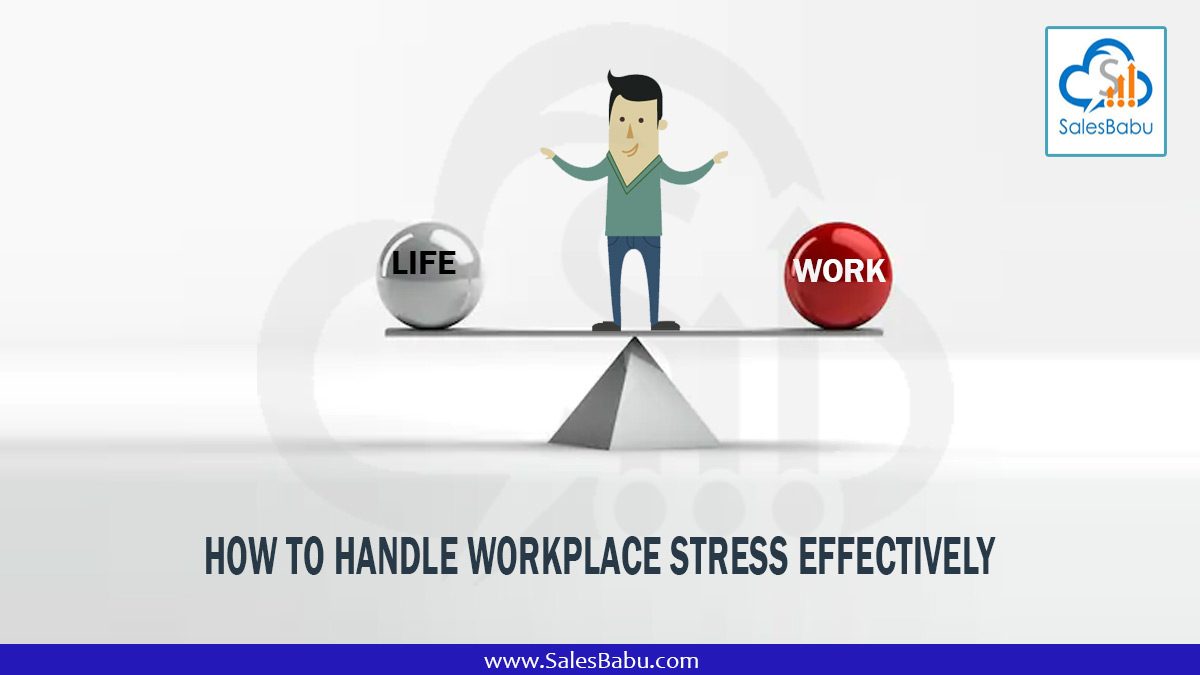
Effective workload and time management are crucial for mitigating stress in the workplace. Proactive strategies for prioritizing tasks and allocating time effectively can significantly reduce feelings of overwhelm and improve overall job satisfaction. By understanding and applying these techniques, professionals can maintain a healthy balance between their work responsibilities and personal well-being.Prioritizing tasks and managing time effectively is paramount for productivity and stress reduction.
A well-structured approach allows individuals to focus on high-impact activities, allocate sufficient time for each task, and avoid unnecessary distractions. This proactive approach enables individuals to meet deadlines, maintain quality work, and ultimately reduce the feeling of being overwhelmed.
Prioritizing Tasks
Effective prioritization is a fundamental skill in managing workload. It involves identifying tasks based on their urgency and importance. A commonly used framework is the Eisenhower Matrix (Urgent/Important), which categorizes tasks into four quadrants: urgent and important, important but not urgent, urgent but not important, and neither urgent nor important. This structured approach allows for a clear understanding of which tasks require immediate attention and which can be scheduled for later.
This structured approach empowers individuals to focus their efforts on tasks that contribute most to their overall objectives.
Setting Realistic Work Goals
Setting realistic work goals is a critical step in managing workload. Vague or overly ambitious goals can lead to frustration and stress. A well-defined approach includes clearly defining the desired outcomes, breaking down large projects into smaller, manageable tasks, and establishing realistic deadlines. This ensures that progress is visible, and setbacks are easier to manage. Clear goals with established timelines contribute to a sense of accomplishment and reduce the feeling of being overwhelmed.
A practical example would be breaking down a large project into smaller, manageable milestones, each with specific deadlines and deliverables.
Delegating Tasks
Delegation is a powerful tool for managing workload and reducing stress. When appropriate, delegating tasks to others can free up valuable time and resources. This approach can be effective when certain tasks align with the skills and experience of other team members. However, clear communication and proper guidance are essential to ensure that delegated tasks are completed efficiently and effectively.
Time Management Tools
Properly utilized time management tools can greatly assist in workload management. These tools help in organizing tasks, scheduling appointments, and tracking progress.
| Time Management Tool | Description | How it Helps Manage Workload |
|---|---|---|
| To-Do Lists | A simple list of tasks to be completed | Provides a clear overview of tasks, allowing for prioritization and scheduling. |
| Calendars (Digital or Physical) | Scheduling appointments and deadlines | Helps in planning and organizing tasks, preventing overlapping commitments, and providing a visual representation of workload. |
| Project Management Software | Tools like Trello, Asana, or Monday.com | Facilitates collaboration, task assignment, and progress tracking for complex projects. |
| Time Tracking Apps | Record time spent on tasks | Provides insights into time allocation, identifying time-consuming activities, and improving efficiency. |
Building Healthy Work Relationships
Cultivating positive and productive relationships with colleagues and superiors is crucial for a healthy and stress-free work environment. Strong interpersonal connections can foster a sense of belonging and support, making navigating challenges and navigating workplace stressors significantly easier. Effective communication and conflict resolution skills are key to maintaining these relationships.Positive work relationships are built on mutual respect, understanding, and effective communication.
By actively engaging in these skills, individuals can create a supportive environment where collaboration thrives and stress levels are minimized.
Effective Communication Strategies
Open and honest communication is essential for avoiding misunderstandings and conflicts. Actively listening to colleagues and superiors, while expressing your own thoughts and needs clearly, fosters a supportive environment. This involves paying attention to both verbal and nonverbal cues, and seeking clarification when needed.
- Active Listening: Focus on understanding the speaker’s perspective, rather than formulating your response. Ask clarifying questions to ensure comprehension and demonstrate engagement. Maintain eye contact and provide verbal cues like “I understand” or “That makes sense” to confirm your attentiveness.
- Clear and Concise Communication: Use precise language to avoid ambiguity. Be mindful of your tone and body language, ensuring your message is received as intended. Prioritize clear and concise communication to reduce the likelihood of misinterpretations.
- Constructive Feedback: Offer feedback in a supportive and constructive manner. Focus on specific behaviors or actions, and provide suggestions for improvement. Frame feedback as an opportunity for growth and development, rather than a criticism.
Navigating Difficult Conversations
Difficult conversations are inevitable in any workplace. Developing strategies for addressing these conversations constructively is vital for maintaining positive relationships. A calm and professional demeanor is key.
- Choose the Right Time and Place: Select a time and location conducive to a productive discussion. Avoid public spaces or environments that might escalate tensions.
- Focus on the Issue, Not the Person: Frame the discussion around the specific issue at hand, rather than making personal attacks. Focus on observable behaviors and their impact.
- Empathize and Validate Feelings: Acknowledge the other person’s perspective and feelings, even if you disagree. Validating their emotions can help de-escalate the situation and create a more collaborative environment.
- Use “I” Statements: Express your thoughts and feelings using “I” statements to avoid accusations. For example, instead of saying “You always interrupt me,” say “I feel frustrated when I’m interrupted during meetings.”
Conflict Resolution Styles
Different approaches to conflict resolution can yield varying outcomes. Understanding the potential consequences of each approach can help individuals select the most effective strategy for a given situation.
| Conflict Resolution Style | Description | Potential Outcomes |
|---|---|---|
| Accommodating | Prioritizing the other party’s needs and concerns. | Can foster goodwill but may not address the underlying issues. Can lead to resentment if not reciprocated. |
| Collaborating | Finding a solution that satisfies all parties involved. | Often results in the best possible outcome for everyone, fostering long-term relationships. |
| Competing | Prioritizing one’s own needs and concerns. | Can quickly resolve issues but may damage relationships. Often leads to short-term solutions and a potential loss of goodwill. |
| Avoiding | Postponing or ignoring the conflict. | Temporarily avoids the issue, but it may resurface later. Can lead to unresolved problems. |
| Compromising | Finding a middle ground solution. | A practical solution, but may not fully satisfy all parties. Useful when a quick resolution is needed. |
Promoting Work-Life Balance
Maintaining a healthy work-life balance is crucial for overall well-being and sustained productivity. A balanced approach allows employees to perform their duties effectively while also engaging in fulfilling personal activities. This crucial aspect of workplace stress management allows individuals to avoid burnout and maintain a positive outlook on their work and personal lives.
Establishing Clear Boundaries
Effective boundary setting between work and personal life is essential for preventing workplace stress from spilling over into personal time. This involves recognizing and respecting the limits of one’s work hours and commitments. Clearly defined boundaries help to prevent the feeling of being constantly “on call” and promote a sense of control over one’s time. This can be achieved by establishing specific work hours and adhering to them consistently.
Disconnecting from Work
Developing techniques for disconnecting from work outside of regular hours is vital. These techniques enable individuals to switch off from work-related thoughts and activities, thereby allowing for mental restoration and preventing burnout. This includes refraining from checking emails or engaging in work-related tasks during personal time. Employing dedicated “off-time” activities like hobbies, exercise, or spending quality time with loved ones is also beneficial.
Incorporating Relaxation and Self-Care
Regular relaxation and self-care activities are vital for managing stress and promoting overall well-being. Incorporating these activities into daily routines can significantly contribute to reducing stress levels and enhancing overall productivity. Activities that promote relaxation and reduce stress can be tailored to individual preferences.
Examples of Relaxation and Stress Reduction Activities
| Activity Category | Specific Activity | Description |
|---|---|---|
| Mindfulness & Meditation | Mindful breathing exercises | Focusing on the breath to calm the mind and reduce anxiety. |
| Physical Activity | Yoga or Tai Chi | Gentle physical movements combined with mindfulness techniques for stress reduction and improved flexibility. |
| Creative Expression | Painting or drawing | Engaging in creative activities to release pent-up emotions and promote relaxation. |
| Social Connection | Spending time with loved ones | Engaging in meaningful conversations and activities with friends and family to foster a sense of belonging and reduce stress. |
| Nature Connection | Taking a walk in the park | Spending time in nature to experience the calming effects of the outdoors and reduce mental strain. |
Utilizing Workplace Resources
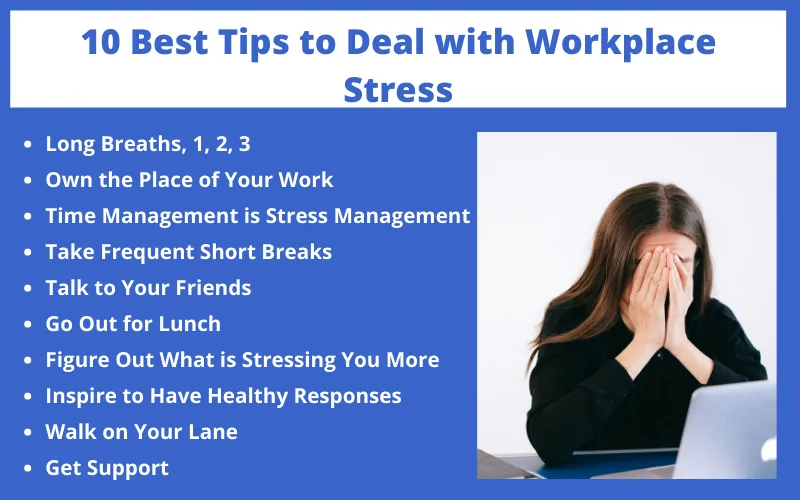
Effective stress management in the workplace extends beyond individual strategies. Leveraging available organizational resources can significantly enhance well-being and productivity. These resources, often overlooked, can provide crucial support and guidance, leading to a healthier and more supportive work environment.Understanding the various support systems available within your organization empowers you to proactively address stress and maintain a positive work-life balance.
Seeking out and utilizing these resources is a proactive step towards a more manageable and fulfilling career journey.
Identifying Available Resources
Many organizations offer a range of programs designed to support employee well-being. These resources can provide confidential counseling, workshops, or other assistance to help employees navigate challenging situations. Understanding what is available is the first step to taking advantage of these valuable tools. Examples include employee assistance programs (EAPs), wellness initiatives, and mental health support groups.
Accessing and Utilizing Resources Effectively
Accessing these resources often involves following specific procedures or contacting designated personnel. Familiarizing yourself with the internal policies and procedures related to these programs is crucial. This typically involves contacting HR departments or specific program coordinators. Be prepared to explain the situation concisely and honestly.
Advocating for Better Workplace Support Systems
Contributing to a supportive work environment is a shared responsibility. If you perceive a gap in the current support systems, you can voice your concerns and suggest improvements. Open communication and constructive feedback can lead to more comprehensive and accessible support structures for all employees. Your insights can be invaluable in creating a more supportive and productive workplace.
Workplace Support Program Summary
| Program | Description | Benefits |
|---|---|---|
| Employee Assistance Program (EAP) | Confidential counseling, support for personal and professional issues. | Provides confidential support for a range of personal and professional concerns, including stress management, relationship difficulties, and financial problems. |
| Wellness Initiatives | Activities promoting physical and mental health (e.g., fitness programs, stress reduction workshops). | Offers opportunities to improve physical and mental well-being, leading to increased energy, focus, and resilience. |
| Mental Health Support Groups | Structured group sessions for individuals facing similar mental health challenges. | Provides a safe space for shared experiences, support, and coping strategies. |
| Mentorship Programs | Pairing employees with experienced mentors for guidance and support. | Provides personalized advice and support, fostering career development and addressing potential stress factors related to career progression. |
Developing Coping Mechanisms
Effective stress management involves not just identifying stressors but also developing healthy coping strategies. By actively engaging in techniques that promote emotional well-being and resilience, individuals can better navigate challenging work environments and maintain a positive state of mind. This section will explore various coping mechanisms, emphasizing their role in fostering resilience and adaptability.
Healthy Coping Strategies for Managing Stress
Developing healthy coping mechanisms is crucial for navigating workplace stress effectively. These strategies provide individuals with tools to manage their emotional responses and maintain their well-being. Practicing these techniques can significantly reduce the negative impact of stress on both mental and physical health.
- Physical Activity: Regular physical activity, such as exercise, can significantly reduce stress levels. Physical activity releases endorphins, which have mood-boosting effects. A brisk walk during a break, a short workout session, or even a stretching routine can be beneficial. For example, employees can participate in company-sponsored fitness programs or take advantage of nearby gyms.
- Mindfulness and Meditation: Mindfulness techniques, such as meditation and deep breathing exercises, can help individuals focus on the present moment and reduce anxiety. By focusing on the breath, individuals can calm their nervous systems and reduce the physical symptoms of stress. Simple mindfulness exercises can be practiced throughout the workday to regulate emotions and improve focus.
- Emotional Regulation Techniques: Learning to identify and manage emotions is essential for stress management. Techniques like journaling, cognitive reframing, and positive self-talk can help individuals process emotions constructively. For instance, journaling can provide a safe space to reflect on stressful situations and develop strategies for coping.
Building Resilience and Adaptability
Resilience is the capacity to recover quickly from difficulties; building it is vital in navigating workplace challenges. Adaptability involves adjusting to changing circumstances effectively. These traits are essential for sustained success in the dynamic world of work.
- Developing a Support System: Building a strong support system of colleagues, friends, or family can provide a vital buffer against stress. Talking to trusted individuals can help process emotions and gain different perspectives on challenging situations. For example, a mentor or a close colleague can offer valuable support and guidance during times of stress.
- Setting Realistic Goals and Expectations: Setting achievable goals and managing expectations effectively can reduce the pressure to perform flawlessly. Recognizing that setbacks are part of the process can help maintain a positive attitude and prevent feelings of overwhelm. For example, breaking down large projects into smaller, more manageable tasks can make them less daunting.
- Seeking Feedback and Learning from Mistakes: Actively seeking feedback and learning from mistakes is a crucial component of developing resilience. This process allows for growth and improvement in handling future challenges. For example, using feedback to identify areas for development and adjust work approaches can foster adaptability.
Professional Help in Managing Chronic Stress
Chronic stress can significantly impact well-being, potentially leading to physical and mental health issues. Seeking professional help is a proactive step towards managing chronic stress.
- Therapy and Counseling: Therapy and counseling can provide individuals with the tools and strategies to cope with chronic stress. A therapist can help individuals identify the root causes of stress and develop personalized coping mechanisms. For example, cognitive behavioral therapy (CBT) can help individuals challenge negative thought patterns and develop healthier ways of thinking.
Stress Management Techniques and Effectiveness
This table Artikels various stress management techniques and their potential effectiveness. It’s crucial to remember that individual experiences and responses to stress may vary.
| Stress Management Technique | Potential Effectiveness | Example |
|---|---|---|
| Physical Exercise | High; improves mood, reduces tension | Yoga, jogging, team sports |
| Mindfulness Meditation | High; reduces anxiety, improves focus | Guided meditations, deep breathing |
| Time Management Techniques | Moderate; improves efficiency, reduces overwhelm | Prioritization, delegation, scheduling |
| Healthy Diet | Moderate; provides sustained energy, reduces fatigue | Balanced meals, sufficient hydration |
| Seeking Social Support | High; provides emotional comfort, reduces isolation | Talking to friends, family, or a support group |
Promoting a Positive Work Environment

Cultivating a positive and supportive work environment is crucial for employee well-being and overall organizational success. A positive atmosphere reduces stress, improves morale, and fosters a sense of belonging, ultimately leading to increased productivity and innovation. This section will explore the vital role of leadership in creating such an environment, along with practical initiatives and strategies to promote employee well-being and open communication.
Leadership’s Role in Fostering a Supportive Environment
Leaders play a pivotal role in shaping the work environment. Their actions, attitudes, and communication styles directly influence the overall atmosphere. Leaders who actively model positive behaviors, such as empathy, respect, and open communication, create a culture that encourages employees to do the same. Leaders who proactively address concerns and conflicts constructively, while demonstrating fairness and transparency in decision-making, build trust and foster a supportive atmosphere.
By recognizing and acknowledging individual contributions, leaders can create a sense of value and belonging, significantly reducing stress and enhancing morale.
Workplace Initiatives for Employee Well-being
Implementing initiatives that promote employee well-being is essential for a positive work environment. These initiatives can range from simple activities to more comprehensive programs. Examples include providing opportunities for team-building activities, offering flexible work arrangements, and implementing wellness programs. Promoting work-life balance is a key element, recognizing that employees’ personal lives impact their work performance. Providing access to resources like mental health support or financial counseling can demonstrate a commitment to employee well-being.
Fostering Open Communication and Mutual Respect
Open communication and mutual respect are fundamental to a positive work environment. Creating a culture of open communication involves actively encouraging employees to share their ideas, concerns, and feedback. This requires establishing clear communication channels and providing a safe space for dialogue. Leaders should actively listen to employee concerns, respond appropriately, and demonstrate a commitment to addressing issues constructively.
Establishing clear expectations and providing constructive feedback mechanisms can also help foster mutual respect. It also involves implementing policies that ensure all employees feel valued and respected, regardless of their background or position.
Best Practices for a Positive Work Environment
| Category | Best Practice | Explanation |
|---|---|---|
| Leadership | Model positive behaviors | Leaders should exemplify empathy, respect, and open communication. |
| Communication | Encourage open dialogue | Create safe spaces for employees to share ideas, concerns, and feedback. |
| Employee Well-being | Offer wellness programs | Provide resources like mental health support or financial counseling to demonstrate care for employee well-being. |
| Work-Life Balance | Promote flexibility | Allow flexible work arrangements to accommodate personal responsibilities, reducing stress. |
| Conflict Resolution | Address conflicts constructively | Implement processes for handling disagreements fairly and transparently. |
| Recognition | Acknowledge contributions | Recognize and appreciate individual efforts to foster a sense of value and belonging. |
Recognizing and Addressing Signs of Burnout
Workplace burnout is a serious issue that can significantly impact an employee’s well-being and productivity. It’s crucial to recognize the signs and symptoms of burnout to address the problem effectively and prevent further deterioration. Proactive measures and early intervention are key to fostering a healthy and productive work environment.Understanding the difference between normal stress and burnout is vital.
While stress is a common experience in the workplace, burnout represents a more prolonged and significant state of exhaustion and depletion. It’s characterized by physical, emotional, and mental symptoms that can severely impair an individual’s ability to perform their job effectively. Recognizing these differences is crucial for seeking appropriate support and implementing preventative strategies.
Common Signs and Symptoms of Burnout
Burnout manifests in various ways, impacting both physical and mental well-being. Common signs and symptoms include chronic fatigue, feelings of cynicism or detachment from work, reduced professional efficacy, and a sense of helplessness or hopelessness. These symptoms often build gradually over time, making early detection and intervention crucial.
Differentiating Between Normal Stress and Burnout
Normal stress is a temporary response to a specific event or situation at work. It typically subsides once the stressor is removed or managed. Burnout, however, is a more prolonged and pervasive state of emotional, physical, and mental exhaustion that doesn’t resolve easily. Burnout is characterized by a persistent sense of depletion and reduced motivation, whereas stress often leads to heightened focus and energy, even if unpleasant.
The key differentiator lies in the duration and intensity of the negative feelings and their impact on daily life.
Strategies for Addressing and Preventing Burnout
Effective strategies for addressing and preventing burnout involve a multi-faceted approach encompassing both individual and organizational efforts. These strategies include promoting work-life balance, establishing clear boundaries between work and personal life, seeking support from colleagues and supervisors, and prioritizing self-care activities. Regular breaks, mindfulness exercises, and sufficient sleep are vital for maintaining well-being.
Stages of Burnout and Interventions
| Stage | Description | Interventions |
|---|---|---|
| Early Stage (Exhaustion) | Feelings of being overwhelmed, difficulty concentrating, and reduced energy. Increased irritability and cynicism may appear. | Prioritize self-care. Set realistic goals. Engage in stress-reducing activities (e.g., exercise, meditation). Seek support from colleagues or supervisors. Communicate workload concerns. |
| Moderate Stage (Depersonalization) | Develop a detached or cynical attitude toward work and colleagues. Feelings of frustration and resentment may increase. | Seek professional counseling or therapy. Identify and address the underlying causes of the burnout. Engage in activities outside of work to maintain a healthy work-life balance. Re-evaluate job responsibilities and expectations. |
| Advanced Stage (Reduced Personal Accomplishment) | Feelings of inadequacy, helplessness, and diminished self-worth. Experience a decline in job performance and productivity. | Seek professional support from a therapist or counselor. Develop a personalized plan for recovery and rehabilitation. Consider a career change or a temporary leave of absence if necessary. Explore new skills and opportunities to regain a sense of purpose. |
Conclusion
In conclusion, managing workplace stress is a multifaceted process requiring a proactive and comprehensive approach. By recognizing stressors, effectively managing workload, building strong relationships, and promoting work-life balance, individuals can cultivate a healthier and more productive work experience. Leveraging workplace resources, developing coping mechanisms, and fostering a positive work environment are crucial steps in mitigating stress and preventing burnout.
This guide equips readers with the knowledge and tools to navigate workplace challenges and maintain their well-being.