Achieving a harmonious balance between professional responsibilities and personal life is a crucial aspect of modern living. This comprehensive guide explores the multifaceted nature of work-life balance, examining its definition, the barriers that often hinder its attainment, and practical strategies for achieving a fulfilling equilibrium. Understanding the nuances of personal and organizational approaches, as well as the influence of the work environment, are key elements in this exploration.
The content delves into defining work-life balance, identifying common obstacles, and presenting effective strategies for establishing boundaries, managing time, and prioritizing effectively. It also explores the impact of organizational culture, flexible work arrangements, and leadership support on creating a balanced work environment. Ultimately, this guide provides a roadmap for individuals seeking to cultivate a more fulfilling and balanced life.
Defining Work-Life Balance
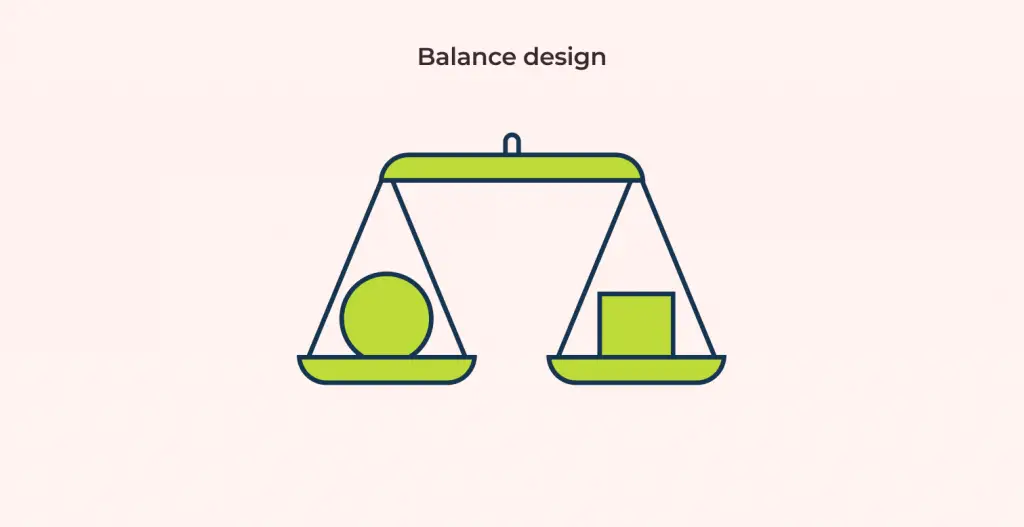
Work-life balance is a crucial aspect of modern life, impacting individual well-being and organizational success. It encompasses the harmonious integration of professional responsibilities with personal life, encompassing diverse perspectives and factors. Achieving this equilibrium is not a one-size-fits-all solution but a dynamic process that requires careful consideration and adaptable strategies.A healthy work-life balance is not simply a 50/50 split between work and personal time, but a conscious effort to manage priorities and allocate resources effectively to both spheres of life.
It fosters a sense of fulfillment and purpose, reducing stress and enhancing overall quality of life for individuals and organizations.
Comprehensive Definition
Work-life balance, from an individual perspective, signifies a state of equilibrium where personal and professional commitments are managed effectively, leading to reduced stress and improved well-being. From an organizational standpoint, it represents a supportive environment that promotes employee well-being and productivity by allowing employees to effectively manage their work and personal life responsibilities. Key elements of this definition include flexibility, autonomy, and support systems that enable individuals to navigate both professional and personal spheres without undue compromise.
Key Components of a Healthy Work-Life Balance
Several key components contribute to a healthy work-life balance. These include:
- Flexibility and Autonomy: Flexible work arrangements, such as remote work options or flexible hours, empower employees to manage their time effectively, accommodating personal commitments and responsibilities. Autonomy in decision-making regarding work tasks and schedules fosters a sense of control and ownership, reducing stress and increasing job satisfaction.
- Effective Time Management: Prioritizing tasks, setting realistic deadlines, and utilizing time management techniques are essential for efficiently balancing work and personal commitments. This involves recognizing and minimizing time-wasting activities, optimizing work processes, and establishing clear boundaries between work and personal time.
- Strong Support Systems: A robust support network comprising family, friends, and colleagues can significantly impact work-life balance. This support can involve assistance with childcare, elder care, or simply providing emotional support during challenging periods. Strong organizational support through resources like employee assistance programs (EAPs) and leadership that values work-life balance further strengthens the overall system.
- Clear Boundaries: Establishing clear boundaries between work and personal life is crucial for preventing burnout and maintaining a healthy work-life balance. This includes disconnecting from work during non-work hours and avoiding excessive work-related communication outside of designated work periods.
Common Misconceptions
Several misconceptions surround work-life balance, hindering its effective implementation. These include:
- Work-life balance is solely about personal time: While personal time is essential, work-life balance also encompasses a healthy approach to work responsibilities, recognizing the interconnectedness of both spheres. It’s about creating a balance between the demands of work and the demands of personal life, not just prioritizing one over the other.
- Work-life balance is a luxury, not a necessity: Studies show a direct correlation between a healthy work-life balance and improved employee well-being, productivity, and retention. Work-life balance is not a luxury; it is a crucial element for sustained success in both personal and professional life.
- Work-life balance is only achievable by working fewer hours: Effective work-life balance can be achieved by utilizing effective time management strategies and establishing clear boundaries, even within a full-time work schedule. It’s about prioritizing tasks and managing workload efficiently, rather than simply reducing hours.
Work-Life Balance Models Comparison
Different models offer varying perspectives on achieving work-life balance. The table below contrasts some of these models:
| Model | Focus | Key Strategies | Potential Limitations |
|---|---|---|---|
| Traditional Model | Balancing work and family responsibilities | Flexible work hours, childcare support | May not adequately address individual needs or evolving family dynamics |
| Individualized Model | Adapting to individual circumstances | Personalized support systems, self-care strategies | Requires significant self-awareness and commitment from the individual |
| Organizational Model | Creating a supportive work environment | Flexible work policies, employee well-being initiatives | Requires organizational commitment and resources to implement effectively |
Identifying Barriers to Balance

Achieving a healthy work-life balance is a multifaceted endeavor often hindered by a complex interplay of personal, societal, and environmental factors. Understanding these barriers is crucial for developing effective strategies to foster a more harmonious and fulfilling life. This section will delve into common obstacles, exploring the influence of societal pressures, demanding schedules, and the pervasive impact of technology.The pursuit of work-life balance is not always straightforward.
Numerous challenges can impede progress, often stemming from ingrained societal expectations, individual choices, and the pressures of modern life. By recognizing these barriers, individuals and organizations can proactively implement solutions to facilitate a more balanced approach.
Common Obstacles to Work-Life Balance
Various obstacles can impede the attainment of a healthy work-life balance. These challenges range from personal commitments to systemic issues, often intertwining to create a complex web of difficulties. Understanding these obstacles is paramount for developing targeted solutions.
- Time Constraints: Juggling work responsibilities, family obligations, and personal commitments frequently leads to a feeling of being overwhelmed. Limited time often leads to feeling stretched thin and unable to fully engage in personal activities, leading to stress and burnout.
- Workload Demands: Excessive workloads, coupled with tight deadlines and high expectations, can significantly impact personal well-being. Individuals often feel pressured to sacrifice personal time and leisure to meet work demands, creating a cycle of stress and exhaustion.
- Lack of Support Systems: Insufficient support from family, friends, or colleagues can amplify the challenges of maintaining a healthy work-life balance. Feeling isolated and unsupported can lead to feelings of loneliness and inadequacy, further hindering the pursuit of balance.
- Financial Pressures: Financial burdens can significantly impact the ability to prioritize personal well-being. Concerns about meeting financial obligations often lead to increased stress and anxiety, making it difficult to detach from work and focus on personal life.
Societal Expectations and Cultural Norms
Societal expectations and cultural norms play a significant role in shaping individuals’ perceptions of work-life balance. These norms can often lead to pressure to prioritize work over personal life, hindering the pursuit of a more balanced lifestyle.
- Gender Roles: Traditional gender roles often dictate that women bear a disproportionate burden of household responsibilities and childcare, limiting their ability to pursue careers and achieve work-life balance.
- Cultural Values: Certain cultures prioritize work over personal life, potentially leading to higher levels of stress and lower rates of work-life balance among their members.
- Performance-Oriented Culture: A culture that emphasizes constant performance and productivity can lead to a feeling of pressure to be always ‘on’, thus hindering the ability to disconnect from work and engage in personal activities.
Impact of Work Overload and Demanding Schedules
Extensive work hours and demanding schedules can have a detrimental impact on both professional and personal lives. The constant pressure to perform and meet deadlines can lead to stress, burnout, and diminished well-being.
- Increased Stress and Anxiety: Individuals working extended hours and facing demanding schedules frequently experience increased stress and anxiety, leading to decreased productivity and compromised health.
- Burnout and Exhaustion: Chronic work overload and demanding schedules can contribute to burnout and exhaustion, leading to decreased motivation, decreased job satisfaction, and a negative impact on overall well-being.
- Compromised Physical and Mental Health: Sustained periods of work overload and demanding schedules often compromise both physical and mental health. This can manifest as sleep deprivation, decreased immunity, and increased susceptibility to illness.
Influence of Technology on Work-Life Balance
Technology, while offering numerous advantages, can also disrupt work-life boundaries. The constant connectivity and accessibility facilitated by technology can blur the lines between work and personal life, leading to feelings of being perpetually “on call.”
- Blurred Boundaries: The ability to access work emails and messages outside of traditional work hours can create a sense of constant connectivity, leading to difficulty disconnecting from work and engaging in personal activities.
- Increased Workload: Technology can often contribute to an increased workload, with individuals feeling pressure to respond to communications outside of regular work hours. This can extend working hours and reduce personal time.
- Distraction and Reduced Focus: The constant availability of digital communication channels can lead to distractions and reduced focus on both work and personal tasks.
Categories of Barriers and Potential Impact
The following table illustrates different categories of barriers to work-life balance and their potential impact on individuals.
| Category of Barrier | Potential Impact |
|---|---|
| Time Constraints | Increased stress, reduced personal time, potential for burnout |
| Workload Demands | Increased stress, decreased well-being, compromised physical and mental health |
| Lack of Support Systems | Feeling isolated, increased anxiety, difficulty coping with challenges |
| Financial Pressures | Increased stress, difficulty prioritizing personal well-being, reduced ability to enjoy leisure activities |
| Societal Expectations | Pressure to prioritize work over personal life, hindering self-care and personal growth |
| Technological Influence | Blurred work-life boundaries, increased workload, reduced focus and attention |
Strategies for Achieving Balance
Achieving a healthy work-life balance is a continuous journey, not a destination. It requires conscious effort, consistent adjustments, and a willingness to adapt to changing circumstances. This section explores practical strategies to help navigate the complexities of modern life and cultivate a more harmonious relationship between professional obligations and personal well-being.Effective work-life balance isn’t about perfectly dividing time, but about creating a sustainable rhythm that allows for fulfillment in both work and personal life.
It involves understanding your individual needs and priorities, and developing strategies that support those needs.
Establishing Boundaries
Setting clear boundaries between work and personal time is crucial for preventing burnout and fostering a sense of control. This involves recognizing and respecting your personal time, avoiding excessive work-related emails or calls outside of designated work hours, and communicating these boundaries to colleagues and supervisors. By establishing clear expectations, you can create a more sustainable and less stressful work environment.
Time Management and Prioritization
Effective time management is key to achieving work-life balance. Prioritizing tasks based on urgency and importance is essential. Techniques like the Eisenhower Matrix (categorizing tasks as urgent/important, important/not urgent, urgent/not important, and not urgent/not important) can be highly effective in directing effort toward high-impact activities. This prioritization approach minimizes wasted time and helps allocate resources effectively.
Effective Communication Strategies
Open and honest communication with colleagues and supervisors is essential for managing work-life demands. This includes clearly articulating your workload and limitations, seeking support when needed, and proactively addressing potential conflicts. By communicating your needs and expectations, you can work collaboratively to achieve a more balanced approach to work. This approach also ensures transparency and avoids misunderstandings.
Self-Care and Stress Management
Prioritizing self-care is paramount in achieving a healthy work-life balance. Regular breaks, relaxation techniques, and activities that promote well-being (such as exercise, hobbies, or spending time with loved ones) are crucial for managing stress and preventing burnout. These activities not only enhance personal well-being but also contribute to increased productivity and focus at work.
Importance of Resources
Numerous resources can offer further insights and support in achieving work-life balance. These include books, articles, online communities, and professional guidance. Seeking out and utilizing these resources can provide valuable tools and techniques to refine your personal strategies.
Time Management Techniques
| Technique | Description | Effectiveness |
|---|---|---|
| Eisenhower Matrix | Prioritizes tasks based on urgency and importance. | High – helps focus on high-impact activities. |
| Pomodoro Technique | Work in focused intervals (e.g., 25 minutes) with short breaks. | High – promotes concentration and prevents burnout. |
| Time Blocking | Allocate specific time slots for specific tasks. | High – improves efficiency and reduces wasted time. |
| Pareto Principle (80/20 Rule) | Focus on the 20% of tasks that yield 80% of results. | Medium – requires careful analysis of tasks. |
Work Environment Factors
Creating a supportive work environment is crucial for achieving work-life balance. A positive and flexible organizational culture, coupled with effective leadership and supportive policies, can significantly impact employee well-being and productivity. These factors go beyond individual choices and directly influence the ability of employees to integrate their work and personal lives effectively.
Organizational Culture’s Influence on Work-Life Balance
Organizational culture profoundly shapes employee perceptions of work-life balance. A culture that values work-life integration, where employees feel comfortable discussing their needs and boundaries, fosters a more supportive environment. Conversely, a culture that emphasizes long hours and prioritizes work above all else can create a feeling of pressure and imbalance. This can manifest in employees feeling obligated to work outside of set hours, leading to burnout and stress.
For example, companies that openly encourage employees to use vacation time or promote flexible schedules tend to see improved work-life balance and lower employee turnover rates.
Impact of Flexible Work Arrangements
Flexible work arrangements, such as remote work and flexible hours, play a vital role in achieving work-life balance. Remote work options allow employees to better manage personal commitments and responsibilities, leading to reduced commuting time and increased autonomy. Flexible hours give employees greater control over their work schedule, allowing them to better integrate personal appointments and activities. A well-designed flexible work policy can significantly improve employee satisfaction and productivity.
Studies have shown that flexible work arrangements can improve employee well-being, reduce stress, and increase job satisfaction.
Role of Leadership Support
Leadership plays a critical role in fostering a work environment conducive to work-life balance. Leaders who actively promote work-life balance demonstrate that it is a priority for the organization. This includes modeling healthy work habits, actively listening to employee concerns, and creating a supportive environment where employees feel comfortable taking breaks and managing their personal lives. Strong leadership sets the tone for the entire organization, ensuring that policies and practices truly support employees’ well-being.
For instance, a leader who frequently works excessive hours may inadvertently create a culture that discourages employees from prioritizing their personal lives.
Policies and Practices Promoting Work-Life Balance
Organizations can implement various policies and practices to promote work-life balance. These include offering flexible work arrangements, generous vacation time, parental leave policies, and employee assistance programs. Implementing policies that address work-life balance not only benefits employees but also contributes to increased productivity and reduced turnover. For instance, a company offering comprehensive parental leave programs demonstrates a commitment to supporting employees during critical life transitions.
Furthermore, providing resources like on-site childcare or elder care support can significantly improve employee well-being.
Correlation Between Work Environment Factors and Employee Well-being
| Work Environment Factor | Impact on Employee Well-being |
|---|---|
| Supportive organizational culture | Reduced stress, improved job satisfaction, increased productivity |
| Flexible work arrangements | Increased autonomy, reduced commuting stress, improved work-life integration |
| Leadership support for work-life balance | Enhanced employee trust and commitment, improved morale, reduced burnout |
| Policies promoting work-life balance (e.g., flexible hours, vacation time) | Improved work-life integration, enhanced well-being, reduced absenteeism |
Personal Approaches to Balance
Achieving a healthy work-life balance is a deeply personal journey. It requires self-awareness, introspection, and consistent effort. Understanding your own values, priorities, and stress response mechanisms is crucial for developing sustainable strategies. This section explores personalized approaches to finding harmony between professional obligations and personal well-being.Successfully managing work and life demands requires a multifaceted approach that goes beyond external factors.
Internal strategies, including realistic expectations, healthy habits, and a clear understanding of personal values, play a pivotal role in achieving a fulfilling balance.
Setting Realistic Expectations and Boundaries
Establishing realistic expectations is paramount to preventing burnout and fostering a sense of control. Overcommitting often leads to stress and feelings of inadequacy. Instead, prioritize tasks, set reasonable deadlines, and learn to say “no” to requests that don’t align with your current capacity. Clearly defined boundaries between work and personal time are essential. These boundaries might include designated work hours, specific spaces for work, and consistent communication protocols with colleagues and family members.
For example, establishing a rule to check emails only during specific work hours, and disconnecting from work-related communication outside of those hours, can be effective.
Developing Healthy Habits and Routines
Implementing healthy habits and routines is a powerful tool for managing stress and maintaining well-being. Consistent sleep patterns, regular exercise, and a balanced diet are vital components of a healthy lifestyle. Creating a daily schedule that incorporates these elements can provide structure and predictability. Engaging in activities that promote relaxation and mindfulness, such as meditation or yoga, can further reduce stress and improve overall well-being.
Taking regular breaks during the workday to step away from your desk and engage in physical activity or simple relaxation techniques can also contribute to stress reduction and improve focus.
Identifying Personal Values and Priorities
Understanding your personal values and priorities is essential for aligning your work and life choices. What is truly important to you? Family time, personal growth, creative pursuits, or community involvement? Identifying these values allows you to make conscious decisions that reflect your priorities. For instance, if family time is a high priority, you might schedule family activities regularly and consciously prioritize family time over additional work projects.
By aligning your actions with your values, you create a work-life balance that feels more authentic and fulfilling.
Establishing Clear Personal Goals and Objectives
Setting clear personal goals and objectives provides a roadmap for achieving a balanced life. These goals could encompass personal development, relationship building, or pursuing hobbies. Having a sense of direction in both work and personal life allows you to make choices that move you toward your desired outcomes. For example, a personal goal might be to learn a new skill, volunteer in the community, or improve physical fitness.
These goals can provide motivation and a sense of purpose, contributing to overall well-being.
Managing Personal Time and Energy
Effective time management and energy management are crucial for a balanced life. Prioritize tasks based on importance and urgency, using techniques like the Eisenhower Matrix. Time blocking, where specific blocks of time are dedicated to specific tasks, can help you stay focused and avoid feeling overwhelmed. Recognizing your energy levels throughout the day and scheduling demanding tasks for peak energy periods can be beneficial.
Also, recognizing and avoiding energy-draining activities during low-energy periods is important. Consider using a planner or calendar to schedule both work and personal activities, ensuring a balance across various aspects of your life.
Stress Management Approaches
| Approach | Description | Advantages | Disadvantages |
|---|---|---|---|
| Mindfulness Meditation | Focusing on the present moment without judgment. | Reduces stress, improves focus, promotes self-awareness. | Requires consistent practice, may not be effective for everyone. |
| Progressive Muscle Relaxation | Tensing and releasing different muscle groups to relieve physical tension. | Reduces physical tension, promotes relaxation. | May take some time to learn and master. |
| Exercise | Engaging in physical activity. | Reduces stress hormones, improves mood, boosts energy levels. | Requires commitment and time, can be challenging to fit into a busy schedule. |
| Time Management Techniques | Planning and prioritizing tasks. | Improves productivity, reduces feelings of overwhelm. | May not address underlying stress triggers, requires discipline. |
Illustrative Case Studies

Achieving a healthy work-life balance is a journey, not a destination. Real-world examples offer valuable insights into the challenges and triumphs of individuals who successfully integrated personal and professional life. These case studies highlight diverse strategies and demonstrate the importance of tailored approaches to maintaining balance.Understanding the specific experiences of others can provide practical guidance and inspiration for readers navigating similar situations.
This section presents several case studies, detailing their journeys, challenges, and the strategies they implemented to achieve a fulfilling balance between work and personal life.
Successful Case Study Examples
The following examples illustrate how individuals have effectively managed the demands of work and personal life. Each scenario emphasizes the importance of proactive planning, communication, and adaptable strategies.
- Sarah, a Software Engineer: Sarah, a software engineer with a demanding job, found herself constantly stressed due to long working hours. She realized her well-being was suffering and her personal life was neglected. To address this, she implemented a strict schedule, allocating specific time blocks for work, exercise, and social activities. She also proactively communicated with her manager about her need for better time management and was supported in implementing flexible work arrangements, like working from home one day a week.
This enabled her to better balance her professional commitments with her family life and personal pursuits. The impact on her work-life balance was significant, leading to increased productivity, reduced stress, and improved overall well-being.
- David, a Project Manager: David, a project manager, struggled with the pressure of constant deadlines and multiple project responsibilities. He found himself working long hours, neglecting his family and personal interests. Recognizing the impact on his personal life, he established clear boundaries between work and personal time. He actively delegated tasks when possible and learned to prioritize tasks effectively. He also incorporated mindfulness techniques into his daily routine to manage stress and improve focus.
David’s approach demonstrably improved his work-life balance by allowing him to dedicate more time to his family and hobbies. The benefits included enhanced relationships and a more balanced perspective on work and personal life.
- Maria, a Doctor: Maria, a doctor with a demanding schedule, found it difficult to balance her demanding work with her personal life. She felt overwhelmed by the constant pressure of patient care and hospital commitments. To address this, Maria implemented a strict time management system, allocating specific time blocks for work, personal appointments, and family time. She prioritized self-care by incorporating regular exercise and relaxation techniques into her daily routine.
The positive impact on her work-life balance was significant, as it allowed her to manage her time more effectively and improve her mental well-being.
Impact on Work-Life Balance
The case studies presented highlight the varying challenges and strategies employed by individuals. The impact of these strategies is crucial in maintaining a positive and sustainable work-life balance. By proactively addressing work-related pressures and implementing effective personal strategies, individuals can successfully integrate their professional and personal lives.
Key Lessons Learned
| Case Study | Challenges Faced | Strategies Employed | Key Lessons Learned |
|---|---|---|---|
| Sarah | Long working hours, neglected personal life | Strict schedule, flexible work arrangements, communication with manager | Effective communication and flexible arrangements are essential for work-life balance. |
| David | Pressure of deadlines, multiple project responsibilities | Clear boundaries, delegation, prioritization, mindfulness | Prioritization, delegation, and mindfulness are crucial in managing workload and stress. |
| Maria | Demanding work schedule, feeling overwhelmed | Time management system, self-care, prioritizing tasks | Time management, self-care, and task prioritization are vital for doctors and professionals with demanding schedules. |
Epilogue

In conclusion, achieving a healthy work-life balance is a continuous journey of self-discovery and adaptation. By understanding the key components, identifying potential barriers, and implementing practical strategies, individuals can navigate the complexities of modern life and cultivate a more fulfilling existence. The strategies and insights presented in this guide empower individuals to create a work-life balance that resonates with their unique values and priorities.