Effective financial management is crucial for achieving long-term financial well-being. This guide provides a structured approach to building a solid financial foundation, encompassing budgeting, saving, investing, debt management, and spending control. It delves into practical strategies, including personalized budgeting methods, various investment options, and debt repayment techniques, empowering readers to take control of their financial future.
From crafting a detailed budget to understanding the psychology of spending, this comprehensive resource offers a roadmap for maximizing financial productivity. It explores the importance of setting clear financial goals, building an emergency fund, and diversifying investments. The guide also features practical tools and resources, including sample budget templates and financial calculators, to assist in the implementation of these strategies.
Budgeting and Tracking
Creating and maintaining a budget is a crucial step in achieving financial stability. A well-structured budget allows you to understand where your money goes, identify areas for improvement, and work towards your financial goals. Consistent tracking and review are essential for long-term financial success.Effective budgeting involves understanding your income and expenses, allocating resources effectively, and consistently monitoring your progress.
By implementing a well-defined budgeting strategy, you can gain greater control over your finances and make informed decisions about your money.
Creating a Personalized Budget
A personalized budget is a roadmap to your financial well-being. It involves analyzing your income and expenses to create a plan that aligns with your financial goals. This process should be tailored to your specific circumstances and lifestyle.A step-by-step process for creating a personalized budget includes:
- Analyze your income and expenses. Review your pay stubs, bank statements, and credit card statements to gain a comprehensive understanding of your monthly income and expenses. Categorize expenses into essential and discretionary categories for a clearer picture.
- Set realistic financial goals. Establish short-term and long-term financial goals. These goals could include saving for a down payment on a house, paying off debt, or building an emergency fund.
- Choose a budgeting method. Various methods, such as the zero-based budget or the 50/30/20 rule, can help you allocate your income effectively.
- Allocate your income. Based on your chosen budgeting method and goals, allocate your income to different categories.
- Track your spending. Monitor your spending consistently to ensure you’re staying within your budget.
- Review and adjust your budget regularly. Regular reviews allow for adjustments based on changes in income, expenses, or financial goals.
Budgeting Methods
Various budgeting methods can help you manage your finances effectively. Understanding different approaches can help you choose a method that best suits your needs.
- Zero-Based Budgeting: This method allocates every dollar of income to a specific category. It ensures that every penny is accounted for, making it suitable for those who want a precise record of their finances.
- 50/30/20 Rule: This method allocates 50% of your income to needs, 30% to wants, and 20% to savings and debt repayment. It’s a simple guideline for allocating funds effectively.
Example: If your monthly income is $3,000, you would allocate $1,500 to needs, $900 to wants, and $600 to savings and debt repayment.
Tracking Income and Expenses
Tracking income and expenses is crucial for monitoring financial progress. Different tools and methods can assist in this process.
- Spreadsheet Software: Spreadsheet software like Microsoft Excel or Google Sheets allows for customized tracking and calculations. This provides a high degree of control over data organization.
- Financial Apps: Numerous apps offer budgeting and expense tracking features. These apps provide tools for categorization, visualization, and reporting, simplifying the tracking process.
Sample Budget Template
The following template provides a structured approach to budgeting. This table illustrates how to record income and expenses.
| Date | Description | Category | Income | Expenses |
|---|---|---|---|---|
| 2024-10-26 | Salary | Income | $4,000 | |
| 2024-10-26 | Rent | Housing | $1,200 | |
| 2024-10-26 | Groceries | Food | $300 |
Free Budgeting Apps
Many free budgeting apps are available to help with financial management. These apps often provide various features to assist in managing personal finances.
| App Name | Key Features |
|---|---|
| Personal Capital | Investment tracking, budgeting, financial planning, and portfolio management |
| Mint | Budgeting, expense tracking, credit score monitoring, and financial insights |
| YNAB (You Need a Budget) | Zero-based budgeting, detailed expense tracking, and progress visualization |
Saving and Investing
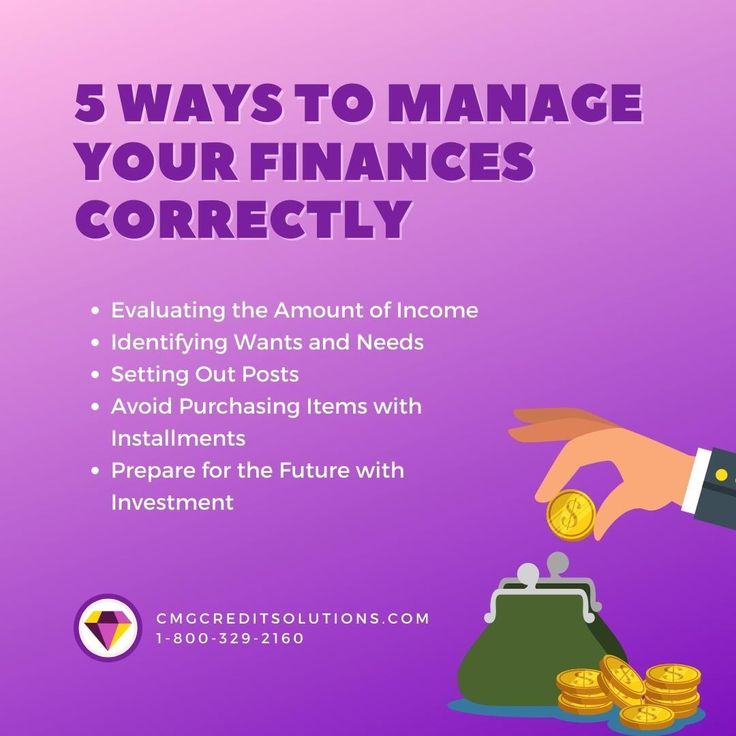
Saving and investing are crucial components of a well-rounded financial strategy. They allow you to build wealth, achieve your financial goals, and safeguard your future. This section delves into various savings and investment options, providing insights into their benefits and potential risks.
Types of Savings Accounts
Different savings accounts cater to various needs and offer varying benefits. Understanding the nuances of each type helps you select the account that aligns best with your financial objectives.
- Regular Savings Accounts: These accounts typically offer lower interest rates but are convenient for everyday saving needs. They often come with no minimum balance requirements and easy access to funds.
- High-Yield Savings Accounts: These accounts offer higher interest rates compared to regular savings accounts, attracting savers looking for better returns on their deposits. However, some may have minimum balance requirements.
- Money Market Accounts (MMAs): MMAs provide higher interest rates than regular savings accounts, often exceeding high-yield savings accounts. They also typically allow for more frequent transactions, making them suitable for those needing more flexibility in accessing funds.
High-Yield Savings vs. Money Market Accounts
Both high-yield savings accounts and money market accounts are designed for saving, but they differ in their features and benefits. High-yield savings accounts usually offer a higher interest rate, but typically limit the number of transactions you can make. Money market accounts often provide more flexibility in terms of transaction frequency but may not offer the same level of interest rate as high-yield savings accounts.
Building an Emergency Fund
An emergency fund is a vital component of any sound financial plan. It acts as a safety net for unexpected expenses, such as medical emergencies, job loss, or car repairs. Strategies for building this crucial fund include creating a budget that allocates a specific amount for savings each month and consistently contributing to the fund.
Investment Options
Various investment options exist, each with its own risk and return profile. Understanding these options allows you to choose investments that align with your risk tolerance and financial goals.
- Stocks: Represent ownership in a company, offering the potential for higher returns but also carrying higher risk. Investing in stocks often involves purchasing shares of publicly traded companies.
- Bonds: Represent a loan made to a government or corporation, offering a more stable return than stocks but typically with lower potential returns. Investing in bonds is often considered a less risky investment than stocks.
- Mutual Funds: Pool money from multiple investors to invest in a diversified portfolio of stocks, bonds, or other assets. Mutual funds offer diversification and professional management, making them a popular investment option for beginners.
Diversifying Investments
Diversification is a key strategy for mitigating investment risk. It involves spreading your investments across different asset classes, such as stocks, bonds, and real estate. By diversifying, you reduce the impact of poor performance in any one investment on your overall portfolio.
Potential Returns of Different Investment Vehicles
| Investment Type | Expected Return (Annualized) | Risk Level |
|---|---|---|
| Stocks (e.g., S&P 500) | 7-10% | Medium to High |
| Bonds (e.g., US Treasury Bonds) | 2-5% | Low to Medium |
| Mutual Funds (Balanced) | 5-7% | Medium |
| High-Yield Savings Accounts | 0.5-2% | Very Low |
Note: Expected returns are estimates and may vary based on market conditions. Risk levels are relative and can fluctuate over time.
Debt Management

Effective debt management is crucial for achieving financial stability and avoiding potential financial distress. A well-structured approach to handling debt can free up resources for savings, investments, and other financial goals. Understanding the different types of debt, the various strategies for repayment, and common pitfalls can empower you to make informed decisions.
Types of Debt
Debt comes in various forms, each with its own characteristics and implications. Comprehending these distinctions is essential for developing a tailored debt management plan. Credit card debt, often characterized by high interest rates, can quickly escalate if not managed carefully. Student loans, frequently incurred for higher education, represent a significant financial obligation with extended repayment periods. Mortgages, used for home purchases, are long-term loans with significant principal and interest payments.
Understanding these different types allows for a more nuanced approach to debt repayment.
Debt Repayment Strategies
Several methods can be employed to tackle debt effectively. The snowball method focuses on paying off the smallest debts first, generating momentum and boosting morale. This approach emphasizes psychological benefits, as quick wins can motivate continued progress. The avalanche method, conversely, prioritizes debts with the highest interest rates, minimizing overall interest paid over time. This strategy is often favored for its long-term financial efficiency.
Common Debt Management Mistakes
Several pitfalls can hinder debt reduction efforts. Failure to create a realistic budget and track expenses can lead to inaccurate assessments of available funds. Overspending, even with a budget, often creates a shortfall and compromises debt repayment goals. Ignoring interest rates, a critical factor in debt calculations, can lead to unnecessary interest payments. These mistakes highlight the importance of careful planning and consistent monitoring.
Debt Consolidation Services
Debt consolidation services bundle multiple debts into a single loan with a potentially lower interest rate. This simplification can streamline repayment and reduce monthly payments. However, it’s essential to thoroughly evaluate the terms and conditions, including any associated fees, to avoid escalating financial burdens.
Debt Management Plans
Various debt management plans, such as debt management plans offered by credit counseling agencies, can provide a structured approach to managing debt. These plans often involve negotiating with creditors to lower interest rates or consolidate debts. Evaluating these plans involves assessing their feasibility and cost-effectiveness for individual circumstances.
Comparison of Debt Repayment Strategies
| Repayment Strategy | Advantages | Disadvantages |
|---|---|---|
| Snowball Method | Motivational, builds confidence, and can lead to quick wins. | May result in higher overall interest paid over time due to higher interest rates on larger debts remaining outstanding. |
| Avalanche Method | Minimizes total interest paid, financially efficient in the long run. | Requires discipline to focus on the largest debts, which may take time to pay off. |
| Debt Consolidation | Simplifies debt management, potentially lower monthly payments. | Can come with fees, and may not always lead to a lower interest rate than existing debts. Careful evaluation of the terms is crucial. |
Spending Habits and Control

Understanding and controlling your spending habits is crucial for achieving financial well-being. Effective financial management involves not just income and expenses but also the psychological drivers behind our spending decisions. Recognizing these patterns allows for more conscious choices and a more sustainable approach to financial health.Effective financial management extends beyond budgeting and saving. A deep understanding of your spending patterns empowers you to identify areas where you can cut back on unnecessary expenses and redirect funds towards your financial goals.
This includes understanding the psychological factors that influence spending decisions.
Understanding Your Spending Habits
Analyzing your spending habits is a vital step towards controlling them. Reviewing past transactions, categorizing expenses, and tracking your spending patterns over time can reveal areas for improvement. This process allows for a clear picture of your spending tendencies, whether they are impulsive, habitual, or driven by specific triggers. This analysis enables informed decisions about your financial choices.
Common Spending Traps and Avoidance Strategies
Several common spending traps can derail even the most well-intentioned financial plans. These include impulse purchases, the tendency to overspend on non-essential items, and a lack of awareness about hidden fees or subscription services. Understanding these traps and implementing strategies to avoid them are crucial to achieving financial stability.
- Impulse Purchases: Impulse purchases are driven by immediate gratification, often without careful consideration of long-term consequences. To combat this, delaying a purchase for 24 hours can often reveal that the desire diminishes.
- Overspending on Non-Essentials: Non-essential spending can easily drain your budget if not monitored. Creating a detailed budget, prioritizing needs over wants, and sticking to predetermined spending limits can help curb overspending.
- Hidden Fees and Subscriptions: Regularly reviewing bank and credit card statements for any hidden fees or unexpected charges is vital. Taking the time to thoroughly review and cancel unnecessary subscriptions can significantly reduce spending.
Techniques for Impulse Control
Impulse control is a key skill for responsible spending. Strategies like the “5-second rule” – a tool that forces you to delay the purchase for 5 seconds to re-evaluate if the purchase is truly necessary – can be effective. Consciously avoiding tempting environments and creating a budget that limits spending on non-essentials can also help in resisting unnecessary purchases.
Creating a Spending Plan
A well-defined spending plan is crucial for maintaining control over finances. It Artikels your income and expenses, allowing for a clear understanding of where your money is going. This plan should be realistic, flexible, and tailored to your specific needs and goals.
The Psychology of Spending and Saving
Understanding the psychological drivers behind spending and saving choices can be instrumental in achieving financial success. Behavioral economics plays a significant role in influencing consumer choices. Factors like social comparison, perceived value, and emotional responses all contribute to our spending habits. Being aware of these influences allows you to make more mindful financial decisions.
Comparing Approaches to Impulse Purchases
| Approach | Description | Effectiveness |
|---|---|---|
| Delaying Purchases | Postpone a purchase for a specific period (e.g., 24 hours) to assess the urgency. | Generally effective in reducing impulsive purchases. |
| Creating a Budget | Establish a detailed budget that Artikels income and expenses, limiting spending on non-essentials. | Highly effective in managing overall spending and reducing impulsive purchases. |
| Mindful Spending | Consciously evaluating the need for each purchase and considering the long-term implications. | Potentially very effective, but requires conscious effort. |
| Using a “Needs vs. Wants” List | Separating essential purchases from non-essential ones to make informed choices. | Effective in prioritizing needs and avoiding unnecessary spending. |
Financial Goals and Planning
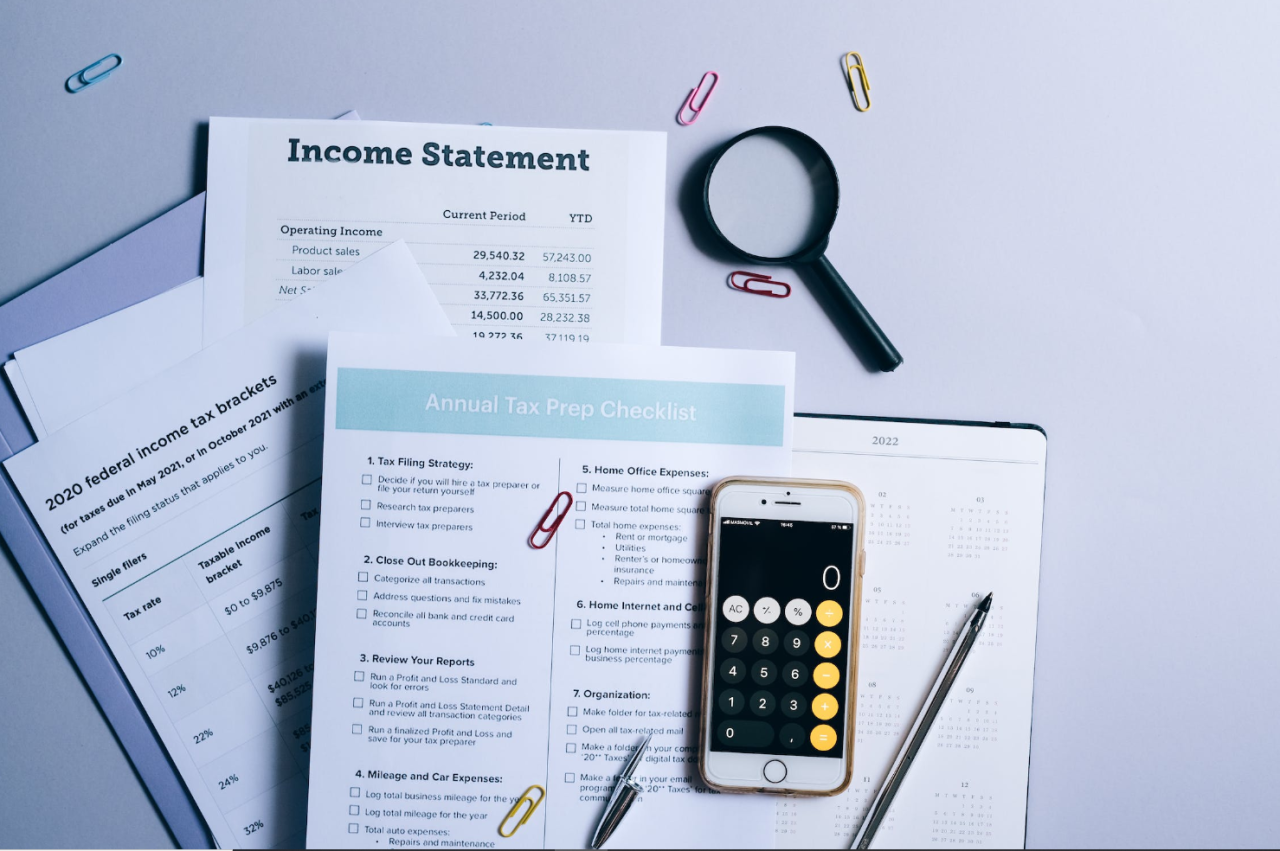
Establishing clear financial goals is crucial for achieving long-term financial well-being. Without defined objectives, progress can feel aimless and motivation may wane. A well-structured financial plan provides a roadmap, enabling you to make informed decisions aligned with your aspirations. This section explores the significance of setting financial goals, various types, and practical strategies for creating and achieving financial independence.Setting financial goals provides a framework for decision-making, allowing you to prioritize spending and savings effectively.
It fosters a sense of purpose, motivating you to consistently work towards your desired outcomes. A well-defined plan encourages discipline and reduces impulsive spending, ultimately leading to better financial management.
Importance of Setting Financial Goals
Financial goals are essential for guiding your financial decisions. They provide a sense of direction, helping you stay focused on your aspirations and make informed choices about your money. Without goals, you may find yourself overwhelmed by daily financial pressures, leading to less effective money management. Clear goals enable you to prioritize spending, allocate resources wisely, and create a roadmap to achieve your objectives.
Types of Financial Goals
Various financial goals cater to different life stages and aspirations. Common types include short-term goals like saving for a vacation or a new appliance, medium-term goals such as purchasing a car or a home, and long-term goals like retirement planning or funding your children’s education. Understanding the different timeframes associated with each goal is vital for effective planning.
Consider your current financial situation and future aspirations to tailor your goals accordingly.
Creating a Long-Term Financial Plan
Developing a long-term financial plan involves a systematic approach. First, assess your current financial situation, including income, expenses, assets, and debts. Next, define your short-term, medium-term, and long-term goals. Prioritize these goals based on their importance and urgency. Establish realistic timelines and milestones for achieving each goal.
Regularly review and adjust your plan as your circumstances change. This ongoing process ensures that your financial plan remains relevant and effective throughout your life.
Strategies for Achieving Financial Independence
Financial independence is a significant aspiration for many. Strategies include building an emergency fund, investing in diverse asset classes, and actively managing debt. Diversifying your investment portfolio can mitigate risk, potentially maximizing returns. Regularly reviewing and adjusting your investments based on market conditions and your financial goals is also important. Continuously educating yourself about financial markets and trends can enhance your understanding of investment strategies.
Resources for Learning More About Financial Planning
Numerous resources offer guidance on financial planning. Online courses, financial advisors, and books provide valuable insights into various aspects of personal finance. Utilizing these resources allows you to enhance your knowledge and gain practical skills. Joining financial communities or forums can also offer valuable peer-to-peer support and insights.
Stages of Financial Planning
| Stage | Goals | Actions |
|---|---|---|
| Early Career | Building an emergency fund, establishing credit history, saving for short-term goals | Create a budget, track spending, pay off small debts, explore credit options responsibly, invest in low-risk accounts |
| Mid-Career | Saving for a home, increasing investment portfolio, managing debts effectively, planning for children’s education | Diversify investments, explore mortgage options, manage debt strategically, contribute to retirement accounts, create a will |
| Pre-Retirement | Maximize investment returns, adjust spending habits, review and update estate plans, evaluate retirement goals | Review and adjust investment strategy, explore different retirement options, adjust spending to align with retirement plans |
| Retirement | Maintaining income stream, managing expenses, ensuring financial security for later life, leaving a legacy | Review and adjust investments based on market conditions, ensure adequate income, engage in estate planning |
Tools and Resources

Effective financial management often relies on leveraging the right tools and resources. This section explores various avenues for obtaining reliable financial information, guidance, and support, empowering you to make informed decisions and achieve your financial goals.This exploration covers a spectrum of tools, from readily available online resources to professional guidance from financial advisors. Understanding these options will help you navigate the complexities of personal finance and make sound financial choices.
Reliable Sources of Financial Information
Reliable sources of financial information are crucial for informed decision-making. These sources should be objective, up-to-date, and based on credible research. Reputable financial publications, government agencies, and academic institutions often provide valuable insights into financial markets and trends. News outlets specializing in finance, while offering current events, may sometimes present biased viewpoints, thus demanding critical evaluation of presented information.
Financial Advisors and Their Services
Financial advisors play a significant role in guiding individuals toward achieving their financial objectives. They offer personalized advice tailored to individual circumstances and goals, providing insights into investment strategies, retirement planning, and estate management. Experienced advisors can help you navigate complex financial situations, potentially saving you time and effort. Their fees may vary based on experience and services rendered.
Seeking multiple quotes from qualified advisors is recommended. It’s essential to understand their fee structures and the specific services they offer.
Financial Calculators and Budgeting Tools
Financial calculators and budgeting tools are valuable resources for simplifying complex calculations and tracking progress towards financial goals. They aid in estimating future costs, determining loan repayments, and monitoring expenses. Online budgeting tools often integrate seamlessly with bank accounts, automating the process of tracking income and expenses. There are numerous free and paid options available, with varying degrees of sophistication and features.
Online Financial Resources
A plethora of online resources provide readily accessible financial information and tools. Websites dedicated to personal finance often offer articles, calculators, and interactive tools. Online communities and forums provide opportunities to connect with other individuals facing similar financial situations, sharing experiences and insights. Financial literacy websites offer a wide range of resources, from budgeting tips to investment strategies.
Use caution when relying on information found on the internet. Verify the source and consider the potential bias of the content provider.
Comparison of Financial Planning Software
Numerous software programs offer financial planning tools. These programs can range from basic budgeting tools to comprehensive portfolio management systems. Consider factors like ease of use, features, cost, and compatibility with existing financial accounts when evaluating options. Different software packages may excel in different areas, so assess the particular needs and priorities of your situation.
Reputable Financial Websites
- Investopedia : A comprehensive online resource offering definitions, explanations, and analyses of various financial topics.
- The Motley Fool : A well-regarded source for investment advice, news, and analysis.
- Forbes Advisor : A financial resource providing insights on investments, budgeting, and financial planning.
- NerdWallet : Offers personalized financial advice and tools, helping users make informed decisions.
Building a Strong Financial Foundation
Cultivating sound financial habits early in life is crucial for long-term financial well-being. A strong financial foundation empowers individuals to navigate economic challenges and achieve their aspirations. Establishing a positive relationship with money from a young age sets the stage for responsible financial decision-making throughout life.Developing financial literacy is not just about understanding numbers; it’s about fostering a mindset of prudence, saving, and informed choices.
It empowers individuals to make conscious decisions regarding their money, avoiding common pitfalls and promoting financial security.
Importance of Establishing Good Financial Habits Early
Developing financial literacy early in life is paramount. Children and teens who learn about budgeting, saving, and investing early are better equipped to handle financial challenges as adults. They are more likely to avoid accumulating debt, make informed investment decisions, and build a strong financial future. Early exposure to financial concepts fosters responsible money management habits that extend far beyond adolescence.
Teaching Financial Literacy to Children and Teens
Instilling financial literacy in children and teens involves more than just teaching about budgeting. It requires fostering a comprehensive understanding of money’s role in their lives. Parents, educators, and mentors can incorporate age-appropriate lessons into daily activities, focusing on concepts like saving, spending, and the value of different financial tools.
Checklist for Building a Solid Financial Foundation
- Establish a Savings Routine: Regular saving, even small amounts, helps children understand the importance of accumulating funds for future goals. Start with a simple piggy bank or online savings account. Emphasize the power of compounding interest.
- Introduce Budgeting Concepts: Teach children to categorize their spending. Discuss the difference between needs and wants. Use age-appropriate budgeting tools like simple spreadsheets or apps.
- Incorporate Investing Basics: Explain the concept of investing in a way that is accessible to children. This could include discussions about different types of investments and how they grow over time.
- Manage Allowance Effectively: Allowance can be a great tool for teaching budgeting and decision-making. Encourage children to set goals for their allowance and to make informed choices about how they spend it.
- Explore Financial Tools: Introduce tools like checking accounts and credit cards (when appropriate) to illustrate how these tools are used for managing money. Emphasize responsible credit card usage.
Importance of Financial Responsibility
Financial responsibility encompasses more than just managing income and expenses. It involves a strong work ethic, a commitment to saving, and the ability to make prudent decisions. Individuals who prioritize financial responsibility are more likely to achieve financial stability and independence. They often demonstrate a proactive approach to managing their resources.
Stories of Successful Financial Management
Numerous individuals have transformed their financial situations through dedication and strategic planning. A successful entrepreneur, for instance, began by meticulously tracking expenses, prioritizing savings, and making calculated investments. Their perseverance paid off, leading to financial independence and the ability to pursue their passions. Similarly, a young professional who diligently paid off student loans early and invested in low-cost index funds demonstrated how responsible financial habits lead to substantial wealth accumulation over time.
Creating a Financial Literacy Program for Teenagers
This program aims to equip teenagers with practical financial skills and knowledge. It will be structured with a focus on hands-on learning and relatable examples.
- Introduction to Personal Finance: This module introduces fundamental concepts such as needs vs. wants, budgeting, and the importance of saving. Activities will include creating a basic budget, tracking spending, and identifying short-term and long-term financial goals.
- Understanding Debt and Credit: The program will cover different types of debt, the importance of credit scores, and responsible credit card usage. Examples of common debt scenarios will be discussed, and practical tips for avoiding unnecessary debt will be provided.
- Investment Basics: Students will explore the concept of investment and different investment options. Simulations and real-world examples will demonstrate how investments can grow over time. The focus will be on understanding risk tolerance and diversification.
- Goal Setting and Planning: This module will guide students in setting realistic financial goals, whether it’s saving for a car, college, or a down payment on a house. Students will develop strategies for achieving these goals and learn about long-term financial planning.
- Financial Resources and Tools: Students will learn about resources available to them, such as budgeting apps, financial advisors, and online tools. The program will include a hands-on session on using these tools to manage their finances effectively.
Closing Summary
In conclusion, mastering the art of financial management requires a holistic approach that considers budgeting, saving, investing, debt repayment, and responsible spending habits. This guide equips readers with the knowledge and tools necessary to achieve financial stability and independence. By diligently applying the strategies presented, individuals can build a strong financial foundation, set achievable goals, and pave the way for a secure financial future.