Time blocking is a powerful productivity technique that can transform how you manage your day. This comprehensive guide will walk you through the essential steps, from understanding the core principles to optimizing your schedule for specific goals. Learn how to maximize your time and achieve greater productivity with this structured approach to time management.
This guide explores various facets of time blocking, including setting up your schedule, implementing effective techniques, leveraging tools and resources, overcoming challenges, and optimizing for specific objectives. We’ll provide practical examples and templates to help you implement these strategies in your daily life.
Introduction to Time Blocking
Time blocking is a scheduling method that involves allocating specific time slots for particular tasks or activities. It’s a structured approach to managing your time and ensuring that you dedicate sufficient time to crucial projects and responsibilities. By assigning dedicated blocks of time, you can effectively prioritize tasks and minimize distractions.Time blocking is a powerful tool for boosting productivity.
It helps you stay focused, accomplish more in less time, and reduce the likelihood of procrastination. By meticulously planning your day, you gain a clear overview of your schedule, leading to greater control and efficiency in your workflow.
Definition of Time Blocking
Time blocking is a scheduling technique where you dedicate specific time slots to particular tasks. This structured approach differs from other scheduling methods in its focus on allocating dedicated time blocks for specific activities.
Benefits of Time Blocking
Time blocking offers several advantages, including increased productivity, improved focus, and better time management. By allocating specific time slots to tasks, you are less likely to get sidetracked by other activities, leading to increased efficiency and task completion.
- Enhanced Focus: Time blocking helps maintain focus by clearly delineating work periods and minimizing distractions, fostering a concentrated workflow.
- Improved Time Management: By assigning specific time blocks to tasks, you gain a clear understanding of your time commitments and are better equipped to manage your schedule effectively.
- Increased Productivity: The structured approach allows for prioritization and efficient task completion, ultimately leading to higher productivity.
- Reduced Procrastination: Allocating time slots for tasks makes them less daunting, minimizing the likelihood of procrastination and promoting proactive task completion.
Differences from Other Scheduling Methods
Time blocking distinguishes itself from other scheduling methods by its meticulous allocation of specific time blocks to various tasks. While other methods might list tasks or events, time blocking focuses on the
time* dedicated to each task.
| Scheduling Method | Focus |
|---|---|
| Time Blocking | Allocating specific time slots for tasks |
| To-Do Lists | Listing tasks to be completed |
| Calendars | Scheduling appointments and events |
Basic Structure of a Time Block
A typical time block comprises a specific time period (e.g., 9:00 AM to 10:00 AM) dedicated to a particular task (e.g., writing a report). The structure is straightforward and easily adaptable to individual needs and schedules.
Time blocks should be clearly defined with start and end times, and ideally linked to a specific task.
- Start Time: The beginning of the dedicated time slot for a task.
- End Time: The designated conclusion of the allocated time slot for a task.
- Task Description: The specific task or activity that will be completed during the time block.
Setting Up Your Time Blocking Schedule
Creating a weekly time blocking schedule is a crucial step in effectively managing your time. It allows you to visualize your commitments, prioritize tasks, and allocate dedicated time slots for specific activities. This structured approach fosters better focus and reduces the feeling of being overwhelmed by daily tasks. A well-defined schedule provides a roadmap for your week, promoting efficiency and productivity.
Crafting Your Weekly Time Block Schedule
A successful time blocking schedule begins with a clear understanding of your weekly commitments. First, gather all your appointments, meetings, and deadlines for the week. Next, identify recurring tasks such as work projects, personal appointments, or household chores. These elements form the foundation of your schedule. Consider using a calendar, planner, or digital scheduling tool to visually represent your commitments.
This step ensures that all important activities are incorporated into your plan.
Incorporating Personal Preferences
Individual preferences and work styles significantly impact the effectiveness of a time blocking schedule. Account for personal energy levels and peak performance times. If you are most productive in the morning, schedule challenging tasks for those hours. Conversely, if your energy wanes later in the day, schedule less demanding tasks for that period. Recognizing your personal rhythms allows you to optimize your schedule for maximum efficiency.
Furthermore, consider personal preferences for breaks and relaxation periods. Include dedicated time slots for these activities, promoting overall well-being.
Prioritizing Tasks Within Time Blocks
Prioritizing tasks within time blocks is essential for maximizing productivity. Use a method like the Eisenhower Matrix (urgent/important) to categorize tasks. Schedule high-priority, important tasks during your most productive hours. Allocate time for less critical tasks during other blocks. This approach ensures that crucial tasks receive the attention they deserve, while less demanding ones are handled efficiently.
Be realistic about the time required for each task, and adjust the schedule accordingly.
Sample Weekly Time Block Schedule
This example demonstrates a sample weekly time block schedule. Note that this is a template; you should customize it to fit your specific needs and priorities.
- Monday: Focus on high-priority tasks related to a project deadline. Dedicated time for focused work, breaks, and planning.
- Tuesday: Meetings and collaborating on projects. Include time for follow-up tasks and client communication.
- Wednesday: Scheduling and planning for the week ahead, including personal appointments. Focus on organizing and setting goals.
- Thursday: Addressing urgent tasks and completing ongoing projects. Schedule time for problem-solving and resolving conflicts.
- Friday: Reviewing progress and completing any outstanding tasks. Scheduling time for reflecting on the week and preparing for the weekend.
Types of Tasks and Time Blocks
The following table Artikels different types of tasks and corresponding time blocks within a typical weekly schedule. This categorization helps you allocate appropriate time slots for various activities.
| Task Type | Time Block |
|---|---|
| High-priority tasks (e.g., project deadlines) | Morning hours (when you’re most focused) |
| Meetings and collaborations | Mid-day/Afternoon |
| Planning and organization | Morning or early afternoon |
| Problem-solving and conflict resolution | Mid-day or late afternoon |
| Personal appointments and errands | Throughout the week, as needed |
Implementing Time Blocking Techniques

Implementing time blocking is more than just scheduling tasks; it’s about strategically organizing your time to maximize productivity and well-being. This involves understanding different time management techniques, integrating breaks and relaxation, and adapting to unexpected events. By carefully allocating time blocks for focused work and downtime, you can achieve a greater sense of control and accomplishment.Mastering these techniques will lead to a more efficient and fulfilling work and personal life.
Understanding how to effectively handle interruptions and adjust your schedule when necessary is crucial for sustained productivity.
Time Blocking Techniques
Various techniques can enhance your time blocking approach. These techniques provide structured frameworks to improve focus and efficiency.
- The Pomodoro Technique: This popular method involves working in focused intervals (typically 25 minutes) followed by short breaks. The repetition of these cycles fosters concentration and prevents burnout. This structured approach can be particularly beneficial for tasks requiring sustained attention.
- The Eisenhower Matrix: Categorizing tasks based on urgency and importance using a matrix allows for prioritization. This method enables you to focus on high-priority tasks, delegate or eliminate less important ones, and address urgent matters effectively.
- Other Techniques: Other techniques, such as the “Eat the Frog” method (tackling the most challenging task first) or the “Two-Minute Rule” (completing quick tasks immediately), can be integrated into your time blocking strategy for added efficiency. These methods complement the time blocking structure by focusing on task completion and prioritization.
Incorporating Breaks and Downtime
Consistent breaks are essential for maintaining focus and preventing burnout. Incorporating planned downtime into your schedule is critical to avoid mental fatigue and maintain productivity.
- Scheduled Breaks: Allocate specific time blocks for short breaks throughout the day. These breaks can be used for stretching, walking, or engaging in other relaxing activities. Regular breaks are crucial for preventing mental fatigue and maintaining focus throughout the workday.
- Dedicated Downtime: Reserve specific time blocks for activities like hobbies, socializing, or simply relaxing. This dedicated downtime is vital for maintaining a healthy work-life balance and preventing stress.
Allocating Time Blocks for Focused Work and Relaxation
Effective time blocking requires allocating specific time blocks for different activities. This enables you to maintain a balance between focused work and relaxation.
- Focused Work Blocks: Allocate dedicated blocks of time for specific tasks requiring concentration. These blocks should be long enough to complete a substantial portion of the task without interruption. For instance, a 2-hour block can be allocated for writing a report, allowing uninterrupted work.
- Relaxation Blocks: Schedule specific blocks of time for relaxation and rejuvenation. These can include breaks, exercise, or activities that promote mental and physical well-being. For instance, a 30-minute yoga session can be included to improve mental clarity.
Managing Unexpected Interruptions or Changes in Plans
Unforeseen interruptions and schedule changes are inevitable. Having a plan to manage these disruptions is key to maintaining productivity.
- Flexibility: Build flexibility into your schedule to accommodate unexpected events. Leaving buffer time between tasks allows for adjustments without derailing the entire schedule. This flexibility is important for unforeseen circumstances and unexpected tasks.
- Contingency Planning: Anticipate potential interruptions and develop contingency plans. For example, if a meeting runs over, schedule a buffer time to accommodate the delay. This proactive approach helps maintain a smooth workflow.
Comparing Time Blocking Techniques
| Technique | Description | Focus | Benefits |
|---|---|---|---|
| Pomodoro Technique | Work in focused intervals (e.g., 25 minutes) followed by short breaks. | Concentration, focus | Improved focus, reduced burnout |
| Eisenhower Matrix | Prioritize tasks based on urgency and importance. | Prioritization, task management | Effective task management, reduced stress |
| Eat the Frog | Tackle the most challenging task first. | Motivation, productivity | Increased motivation, accomplishment |
Utilizing Tools and Resources for Time Blocking
Effective time blocking hinges on the right tools and resources to help you organize and manage your time effectively. Choosing the right tools can significantly improve your productivity and allow you to maintain focus on your tasks. This section explores various digital and physical options, highlighting their benefits and practical application.Time blocking isn’t just about scheduling; it’s about creating a structured environment where you can maximize your output.
By utilizing appropriate tools, you can streamline your workflow, reduce wasted time, and achieve a greater sense of control over your schedule. A well-designed time-blocking system can dramatically improve your overall efficiency and help you accomplish more in less time.
Digital Tools for Time Blocking
Digital tools offer flexibility and accessibility, making them highly suitable for managing time blocks. Their ability to sync across devices and integrate with other productivity applications provides a seamless workflow.
- Digital Calendars: Digital calendars, such as Google Calendar, Outlook Calendar, or Apple Calendar, are essential for time blocking. These platforms allow you to schedule appointments, meetings, and tasks with recurring options. They are powerful tools that can be customized to fit your specific needs.
- Explanation of Using a Digital Calendar for Time Blocking: To create and manage time blocks using a digital calendar, first, access your calendar application. Create a new event for each time block. Set the start and end times for each block. Use descriptive titles for the events, indicating the task or project. Color-coding different categories of tasks (e.g., work, personal, meetings) can also be very helpful.
You can also add reminders to help you stay on schedule. Remember to save and sync your calendar regularly. Consider utilizing features such as recurring events for tasks that occur on a regular basis, and utilize the calendar’s search function to locate specific time blocks or tasks. Using filters for different categories can be very useful to quickly locate relevant time blocks.
Physical Tools for Time Blocking
While digital tools are prevalent, physical tools provide a tactile approach to time blocking that can be beneficial for some individuals. These tools can enhance focus and create a sense of tangible progress.
- Time Blocking Planners: Dedicated time-blocking planners offer a structured layout to record and manage time blocks. They come in various formats, including weekly, monthly, or daily planners. Features such as daily task lists, calendar grids, and dedicated sections for notes can enhance the planning process. These physical tools can be particularly helpful for individuals who prefer a tangible representation of their schedule.
Using a physical planner can also be a good way to visually track progress and identify areas where you might be spending too much or too little time.
Time Blocking Planner Template
| Date | Time Block | Task/Activity | Priority | Notes |
|---|---|---|---|---|
| 2024-10-27 | 8:00 AM – 9:00 AM | Review emails and prioritize tasks | High | Follow up on urgent emails |
| 2024-10-27 | 9:00 AM – 12:00 PM | Project X – Task 1 | High | Finalize report draft |
| 2024-10-27 | 12:00 PM – 1:00 PM | Lunch | Medium | Take a break and relax |
| 2024-10-27 | 1:00 PM – 4:00 PM | Project Y – Task 2 | High | Prepare presentation materials |
Recommended Time Blocking Apps/Software
Several applications and software are designed to support time blocking, each with its own unique features.
- Google Calendar: A widely used, free, and versatile digital calendar with features like reminders, recurring events, and integrations with other Google services. Its user-friendly interface and extensive functionality make it a popular choice for managing time blocks.
- Todoist: A comprehensive task management app that seamlessly integrates with calendars. It allows for detailed task creation, prioritization, and tracking, enabling a structured time-blocking approach.
- Trello: A visual project management tool that can be adapted for time blocking. Its board structure and card system facilitate task organization and visual representation of time blocks.
- Asana: A task management platform offering robust features for team collaboration and project management, suitable for time-blocking strategies in team settings.
- Microsoft Outlook Calendar: A powerful calendar application integrated with other Microsoft Office tools, providing extensive scheduling capabilities and features like recurring appointments, reminders, and integrated email management.
Overcoming Challenges in Time Blocking

Time blocking, while a powerful tool for productivity, can encounter hurdles. Understanding these potential obstacles and developing strategies to address them is key to maximizing the benefits of this method. This section delves into common challenges and effective solutions for maintaining a successful time blocking schedule.Effective time blocking relies on more than just scheduling tasks; it necessitates a proactive approach to overcoming potential roadblocks.
Addressing these issues head-on allows for greater control over your schedule and ensures that time blocking remains a valuable asset in your personal and professional life.
Identifying Potential Obstacles
Time blocking’s effectiveness hinges on its ability to accommodate various factors. Potential obstacles can include unforeseen interruptions, changes in priorities, and difficulty in sticking to the schedule. Recognizing these challenges empowers you to develop proactive strategies for overcoming them. Understanding these obstacles is the first step in successfully implementing a time blocking system.
Overcoming Procrastination and Time Wasters
Procrastination and time-wasting activities are frequent roadblocks to effective time management. These distractions can disrupt the flow of your schedule and diminish productivity. Developing strategies to identify and mitigate these obstacles is crucial to maintaining a productive time blocking schedule.Strategies to combat procrastination and time-wasting activities include:
- Recognizing Patterns: Identifying recurring procrastination triggers is the first step. Are you procrastinating on specific types of tasks? Do certain times of day prove more challenging? Once patterns are identified, strategies can be developed to address the underlying causes.
- Breaking Down Tasks: Overwhelming tasks can be daunting. Breaking large projects into smaller, manageable steps can make them less intimidating and more achievable, thereby reducing procrastination tendencies.
- Creating Accountability: Sharing your time blocking schedule with a trusted friend or colleague can foster accountability and help you stay on track.
- Reward Systems: Establish a reward system for completing tasks within your time blocks. This positive reinforcement can boost motivation and encourage adherence to your schedule.
Adapting to Changes in Commitments
Life is dynamic, and commitments can change unexpectedly. Time blocking provides a framework, but it must be adaptable. Developing strategies to adjust to unforeseen changes in work or personal obligations is essential for maintaining a productive schedule.Strategies to adapt to changing commitments include:
- Flexibility and Buffer Time: Incorporating buffer time into your schedule allows for unexpected delays or adjustments without derailing the entire day.
- Prioritization: Re-evaluating priorities and adjusting time blocks accordingly allows you to maintain a balanced schedule despite changes.
- Rescheduling: Be prepared to reschedule tasks or adjust time blocks as needed to accommodate unforeseen circumstances.
Maintaining Focus and Avoiding Distractions
Maintaining focus is critical to maximizing the efficiency of time blocking. Distractions can disrupt the flow of your work and significantly impact productivity. Implementing strategies to minimize distractions is essential for achieving your goals.Strategies to maintain focus include:
- Creating a Dedicated Workspace: A designated workspace free from distractions can significantly enhance focus and productivity.
- Turning Off Notifications: Minimizing interruptions from phone calls, emails, or social media can improve focus and concentration.
- Mindfulness Practices: Practicing mindfulness or meditation can help cultivate focus and reduce mental clutter.
- Time Management Techniques: Employing techniques like the Pomodoro Technique or other time management methods can help maintain focus during work sessions.
Inspirational Quotes on Time Management
“The difference between ordinary and extraordinary is that little extra.”
Jimmy Johnson
“Time is precious. Make every moment count.” – Unknown
Optimizing Time Blocking for Specific Goals
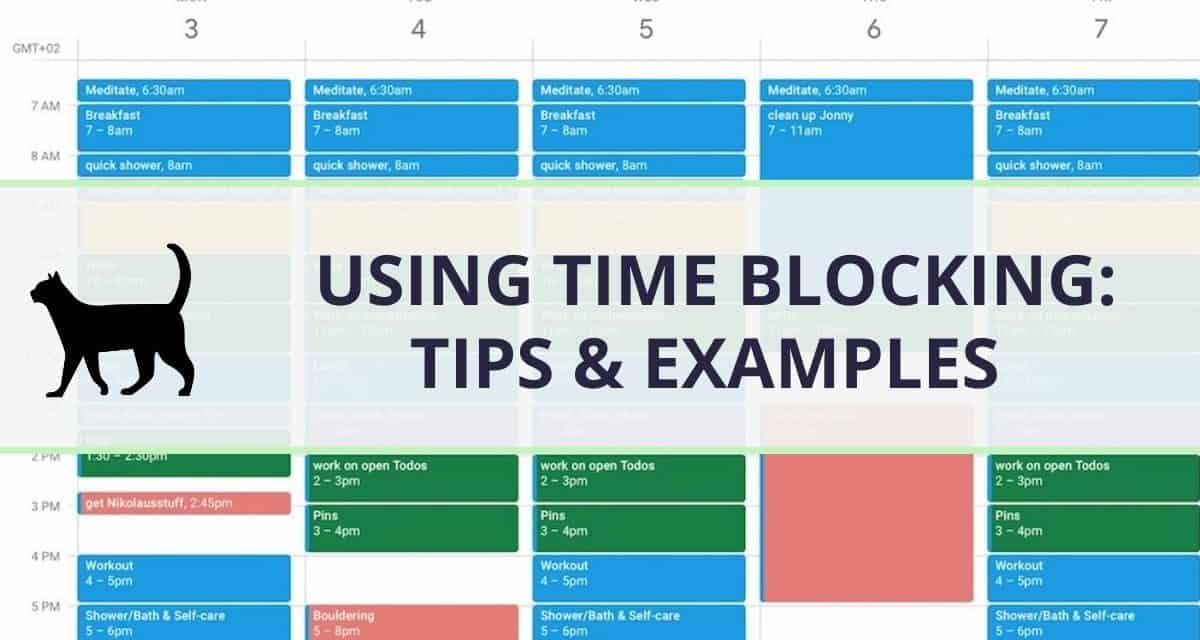
Time blocking is a powerful tool for achieving personal and professional objectives. By tailoring your schedule to specific goals, you can maximize your productivity and effectively allocate time to activities that align with your aspirations. This section will delve into strategies for optimizing time blocking to support various goals, from career advancement to personal well-being.Effective time blocking requires a clear understanding of your objectives and a strategic allocation of time towards their achievement.
This involves analyzing your current schedule and identifying areas where adjustments can be made to better support your goals. The key is to identify and prioritize tasks that directly contribute to your long-term objectives.
Tailoring Time Blocks to Career Advancement
Career advancement often requires a combination of skill development, networking, and project completion. Time blocking allows you to dedicate specific time slots for learning new skills, such as attending webinars, reading industry publications, or practicing new software. Networking activities, such as attending conferences or reaching out to mentors, can also be scheduled. Finally, time can be allocated to project completion and important client meetings.
Aligning Time Blocks with Long-Term Objectives
Long-term objectives necessitate a proactive approach to time management. By identifying key milestones and breaking them down into smaller, actionable steps, you can incorporate them into your time blocks. For example, if your long-term objective is to publish a book, you might schedule specific time blocks for research, writing, and editing. This strategic approach helps to maintain momentum and track progress towards your goals.
Incorporating Diverse Activities into the Schedule
A well-rounded life involves a balance between work, personal development, and leisure. Time blocking allows you to integrate these diverse activities into your schedule. Time blocks can be allocated for exercise, hobbies, social activities, and relaxation. This approach promotes a healthier work-life balance and prevents burnout.
Example Time Block Schedule for Career Advancement
| Time | Monday | Tuesday | Wednesday | Thursday | Friday |
|---|---|---|---|---|---|
| 8:00 – 9:00 AM | Morning Routine | Morning Routine | Morning Routine | Morning Routine | Morning Routine |
| 9:00 – 12:00 PM | Project A (work) | Client Meeting (work) | Research & Learning (career) | Project B (work) | Client Meeting (work) |
| 12:00 – 1:00 PM | Lunch | Lunch | Lunch | Lunch | Lunch |
| 1:00 – 4:00 PM | Project A (work) | Client Follow-up (work) | Networking (career) | Project B (work) | Client Presentation (work) |
| 4:00 – 5:00 PM | Skill Development (career) | Exercise | Skill Development (career) | Exercise | Reflection (career) |
| 5:00 – 7:00 PM | Social/Family Time | Social/Family Time | Social/Family Time | Social/Family Time | Social/Family Time |
This example schedule demonstrates how time blocks can be tailored to support career advancement. Notice the allocation of specific time slots for both work and career development activities. This type of schedule promotes a more structured approach to achieving professional goals.
Evaluating and Refining Your Time Blocking System
Time blocking, when effectively implemented, can significantly enhance productivity and reduce stress. However, a static schedule isn’t always ideal. Regular evaluation and refinement are crucial for adapting to changing priorities, identifying areas for improvement, and optimizing your system’s effectiveness over time. This process allows you to tailor your time management approach to your specific needs and goals.A well-maintained time blocking system isn’t a one-and-done affair.
It’s an iterative process of assessment, adjustment, and refinement that should be incorporated into your workflow. By regularly evaluating your system, you can proactively address any bottlenecks or inefficiencies, leading to a more productive and satisfying experience.
Methods for Evaluating Effectiveness
Regularly assessing the effectiveness of your time blocking system is essential for ensuring its ongoing success. This involves objectively evaluating the alignment between your planned activities and actual outcomes. Consider factors such as the completion rate of tasks, the amount of time spent on each task, and whether or not the allotted time blocks adequately accommodated the workload.
Analyze the reasons for any deviations from your schedule. This helps to pinpoint potential areas for improvement.
Identifying Areas for Improvement
Once you’ve assessed your system, you can identify areas needing improvement. This might involve reviewing tasks that consistently take longer than anticipated or discovering patterns of procrastination or wasted time. Analyze whether your time blocks are appropriate for the complexity and duration of the tasks. For example, a one-hour block for a complex project might prove insufficient.
Identify whether your schedule accurately reflects your priorities and responsibilities.
Strategies for Regular Review and Update
Regular review is vital for the ongoing success of your time blocking system. A weekly or bi-weekly review, ideally at the end of a week or a project cycle, is highly recommended. During this review, analyze the effectiveness of your schedule, noting which time blocks were productive and which ones were not. Make adjustments to your schedule based on these observations, ensuring your blocks are aligned with current priorities and tasks.
For example, if a particular time block consistently produced little output, reallocate the time to a higher-priority task.
Checklist for Reviewing Your Time Blocking System
| Criteria | Evaluation | Action |
|---|---|---|
| Task Completion Rate | Did I complete all scheduled tasks? If not, why? | Adjust time blocks, reprioritize tasks, or identify and address external factors hindering completion. |
| Time Allocation Accuracy | Were the allocated time blocks sufficient for each task? | Adjust time blocks, break down tasks into smaller, more manageable chunks, or re-evaluate the complexity of tasks. |
| Productivity in Each Block | Were there any blocks where productivity was low? | Re-evaluate the tasks in those blocks. Identify potential distractions and eliminate them. |
| Alignment with Priorities | Does my schedule accurately reflect my priorities? | Re-prioritize tasks, adjust time allocation, or remove low-priority items from the schedule. |
| Flexibility and Adaptability | Can I adapt to unexpected events or changes in my schedule? | Include buffer time in your schedule to accommodate unforeseen circumstances. |
End of Discussion
In conclusion, mastering time blocking empowers you to take control of your schedule and achieve your goals. By following the steps Artikeld in this guide, you can create a structured, efficient, and personalized system for managing your time effectively. Regular evaluation and adjustments will further enhance your productivity and help you navigate the complexities of modern life.