Task managers are indispensable tools for boosting productivity and organization. This comprehensive guide provides a detailed overview of various task management platforms, from desktop applications to mobile apps and web-based solutions. We’ll explore essential features like prioritization, deadlines, and collaboration to help you choose the right task manager and maximize its potential.
This resource covers a spectrum of topics, from initial setup and task organization to advanced techniques like Gantt charts and troubleshooting common issues. We will also delve into strategies for improving productivity, minimizing overload, and seamlessly integrating task managers into existing workflows.
Introduction to Task Managers
Task managers are essential tools for organizing and managing tasks, projects, and deadlines. They provide a structured approach to productivity, helping users prioritize tasks, track progress, and stay on schedule. This structured approach is particularly beneficial in both personal and professional settings.Task managers streamline workflow by centralizing all relevant information in one location. This centralization allows for better oversight and control, leading to improved efficiency and reduced stress associated with fragmented or unorganized task lists.
The benefits extend beyond simply listing tasks; task managers often include features for assigning tasks, setting reminders, and collaborating with others, fostering teamwork and shared responsibility.
Types of Task Managers
Task managers come in various forms, catering to different needs and preferences. Understanding the distinctions between desktop, mobile, and web-based options allows users to select the most suitable tool for their workflow.
Desktop Task Managers
Desktop task managers are typically integrated software applications installed on personal computers. These programs often offer advanced features and customization options, allowing for detailed project management and complex task scheduling. They provide a comprehensive workspace, ideal for users requiring extensive organization and intricate task dependencies. Examples include popular project management software like Asana and Trello.
Mobile Task Managers
Mobile task managers are designed for convenient access on smartphones and tablets. Their portability and user-friendly interfaces make them well-suited for individuals who prefer quick task management on the go. Often prioritizing simplicity and speed, mobile task managers excel in quickly adding, updating, and prioritizing tasks. Examples include apps like Todoist and Any.do.
Web-Based Task Managers
Web-based task managers operate through web browsers, eliminating the need for software installation. These applications are accessible from any device with an internet connection, offering flexibility and collaborative features for teams and individuals. Their cloud-based nature enables seamless data synchronization and remote access, making them particularly suitable for collaborative projects. Examples include tools like Monday.com and ClickUp.
Key Features Comparison
| Feature | Desktop | Mobile | Web-Based |
|---|---|---|---|
| Accessibility | Requires computer installation | Available on smartphones and tablets | Accessible via any web browser |
| Customization | High level of customization | Moderate level of customization | Good level of customization, often limited by the browser |
| Collaboration | Collaboration features often available, but might require extra software | Collaboration features are generally present | Excellent collaboration features due to cloud-based nature |
| Integration | Potentially integrates with other desktop applications | Integrates with other mobile apps | Integrates with various applications and services |
| Data Security | Security depends on the chosen application and user precautions | Security depends on the chosen application and user precautions | Security often managed by the cloud service provider |
Choosing the Right Task Manager
Selecting the appropriate task management software is crucial for efficient workflow and productivity. The right tool can streamline tasks, improve organization, and ultimately boost overall output. This section will delve into the key features to consider when evaluating different task managers, emphasizing user-friendliness and practical factors for a seamless integration into your work process.Choosing a task management tool should be a deliberate process, not a hasty decision.
Understanding the specific needs and workflows of your team or individual is paramount. This involves careful consideration of the features offered, the level of complexity, and the integration with existing systems. A well-chosen task manager can greatly enhance efficiency and productivity, while a poor fit can lead to frustration and wasted time.
Comparison of Task Manager Features
Different task managers cater to various needs and preferences. A comprehensive evaluation should include assessing features like prioritization, deadlines, reminders, and collaboration capabilities. Prioritization tools allow for the efficient management of tasks based on urgency and importance, while deadlines and reminders ensure timely completion. Collaboration features facilitate teamwork and shared responsibility, crucial for project-based work.
- Prioritization: Effective prioritization features are essential for managing tasks effectively. Some tools use simple ranking systems (e.g., high, medium, low), while others employ more complex algorithms (e.g., based on urgency and importance) to determine task priority. This allows users to focus on the most critical tasks first, ensuring that important items don’t get overlooked.
- Deadlines and Reminders: The ability to set deadlines and receive timely reminders is critical for maintaining schedule adherence. These features provide a structured approach to task completion and prevent delays. Different tools offer varying levels of customization, allowing users to adjust notification preferences.
- Collaboration Features: Modern task managers often include collaboration tools to facilitate teamwork. Features like shared task lists, real-time updates, and commenting capabilities enhance communication and cooperation within a team. This is particularly useful for projects involving multiple contributors.
Importance of User-Friendliness
User-friendliness is a critical factor in choosing a task manager. A tool that is intuitive and easy to navigate will save significant time and frustration. Complex interfaces can be overwhelming and lead to reduced productivity. The ease of use directly impacts the adoption rate and long-term success of the task management system. An intuitive design, clear instructions, and helpful tutorials are vital aspects of user-friendliness.
Factors to Consider When Selecting a Task Manager
Several factors should be considered when evaluating task management software. Budget constraints, the complexity of the chosen tool, and compatibility with existing systems are key elements. The specific needs of the user or team should also be considered.
- Budget: Task management tools vary significantly in price. Free options often offer basic features, while paid versions provide more advanced functionalities and support. The cost should be considered relative to the expected value and features required.
- Complexity: Some task managers offer a wide range of features, while others focus on simplicity. The complexity of the tool should align with the complexity of the tasks being managed. A complex tool might overwhelm a user with a simple workflow, while a simple tool may not meet the needs of a highly structured project.
- Platform Compatibility: Ensure the task manager is compatible with the operating systems and devices used by the team. Cross-platform compatibility allows for seamless access from various devices.
Table of Popular Task Managers
The following table provides a concise comparison of popular task managers, highlighting their strengths and weaknesses. This overview aids in choosing the most suitable tool based on specific needs.
| Task Manager | Pros | Cons |
|---|---|---|
| Asana | Excellent collaboration features, customizable workflows, comprehensive reporting | Can be complex for beginners, relatively high cost |
| Trello | Visually appealing, easy to learn, flexible boards | Limited reporting options, can be less structured for complex projects |
| Monday.com | Highly customizable, extensive integrations, robust reporting and analytics | Steeper learning curve, potentially high cost for extensive features |
| Todoist | Simple and intuitive interface, great for individual users, mobile-first | Limited collaboration features, fewer customization options |
Setting Up Your Task Manager
Successfully utilizing a task manager hinges on its proper setup. This involves creating a personalized workspace, importing existing tasks, and configuring recurring tasks and deadlines. A well-structured task manager streamlines your workflow, improving productivity and organization.
Creating an Account/Profile
The initial step in using a task manager is establishing a user account or profile. This typically involves providing personal information such as your name and email address. Some task managers may require additional details like your work or project preferences. Once the account is created, you can begin customizing your workspace and preferences. For instance, you might choose a theme, customize notifications, or select a preferred language.
These customizations enhance the user experience and improve task management efficiency.
Importing Tasks from Other Platforms
Many task managers offer import capabilities, enabling you to transfer tasks from other platforms like to-do lists or calendars. This often involves providing the relevant data from the source platform, which can be done through direct import tools or exporting data in compatible formats. This process saves time by streamlining the transition of existing tasks into your new task management system.
Import functions can typically handle tasks from Google Calendar, Outlook, or other widely used platforms.
Setting Up Recurring Tasks and Deadlines
Task managers offer powerful tools for managing recurring tasks and deadlines. These features allow you to schedule tasks that repeat at specified intervals, such as daily, weekly, or monthly. You can also set reminders and deadlines for specific tasks. This automation feature helps maintain consistency in your workflow, ensuring that important tasks are not overlooked. For instance, you can set a recurring task for weekly reporting, ensuring you always submit reports on time.
Creating a New Task
Creating a new task involves several steps that vary slightly depending on the specific task manager you are using. However, a standard procedure generally follows these steps:
- Specify the task name: Clearly define the task’s purpose and action needed.
- Assign a due date and time: Indicate when the task should be completed. Consider time zones if applicable.
- Set priority level: Prioritize tasks based on urgency and importance, using levels such as high, medium, or low. High priority tasks are typically addressed first.
- Add a description or notes: Provide detailed instructions, relevant context, or any specific requirements for the task. This can include any additional details, like specific files needed or collaborators involved.
- Assign to a specific project or category: Group related tasks for better organization. This improves overall workflow by linking similar tasks together.
- Attach files or links: Include any relevant documents or resources needed for the task. This can include links to specific files, documents, or online resources.
- Set reminders: Enable reminders to prompt you to complete the task, whether it be an hour, day, or week before the deadline.
- Add collaborators: If the task requires collaboration, invite individuals to participate and track their progress.
Organizing Tasks Effectively
Effective task management hinges on efficient organization. A well-organized task list facilitates focus and prevents overwhelm. By strategically categorizing and prioritizing tasks, you can streamline your workflow and achieve your goals more effectively. This section delves into various methods for optimizing task management.
Categorizing and Prioritizing Tasks
Different approaches to categorization and prioritization cater to diverse needs. A project-based approach structures tasks according to the project they belong to. This approach is beneficial for complex projects with multiple interconnected tasks. A due date-based system, on the other hand, focuses on deadlines, ideal for managing tasks with specific time constraints. Prioritization methods, such as the Eisenhower Matrix (urgent/important), can help determine which tasks require immediate attention and which can be scheduled for later.
Using Tags, Labels, and Color-Coding
Tags, labels, and color-coding offer versatile tools for categorizing and organizing tasks. Tags allow for flexible classification, enabling you to group tasks based on various criteria. Labels provide structured categories for better organization and quick identification of task types. Color-coding enhances visual clarity and allows for a more intuitive way to differentiate tasks and their priorities. For example, tasks related to client projects could be tagged with the label “Client Project” and assigned a specific color, such as purple.
This approach facilitates swift identification and efficient management.
Breaking Down Large Tasks into Sub-tasks
Large tasks can feel daunting. Breaking them down into smaller, manageable sub-tasks transforms complex projects into a series of achievable steps. This approach reduces the overall workload and provides a sense of accomplishment as each sub-task is completed. This method promotes a more structured and efficient workflow. For instance, a project to write a report might involve sub-tasks like researching the topic, drafting the introduction, writing the body paragraphs, and composing the conclusion.
Utilizing Subtasks and Nested Tasks Effectively
Subtasks and nested tasks are powerful tools for further organizing complex tasks. Subtasks allow you to break down a task into smaller, more manageable components. Nested tasks enable you to create a hierarchical structure, allowing you to visualize the relationships between different elements of a project. This hierarchical approach provides a clear overview of the entire task and its dependencies.
For example, a subtask of “write the introduction” could be further broken down into nested tasks such as “research key points” and “draft the opening paragraph.” This detailed approach enhances task clarity and promotes efficiency.
Utilizing Task Management Features
Mastering task management software involves effectively leveraging its features to streamline your workflow and boost productivity. This section will delve into practical applications of reminders, notifications, dependencies, deadlines, task lists, subtasks, and project views to help you optimize your task management system. Understanding how to utilize these features empowers you to stay organized and achieve your goals more efficiently.Effective task management extends beyond simply creating tasks; it encompasses strategically employing the software’s functionalities to maintain momentum and track progress.
By understanding how to use reminders, deadlines, and dependencies, you can anticipate potential bottlenecks and proactively adjust your schedule. Furthermore, leveraging task lists, subtasks, and project views fosters a comprehensive overview of your work, enabling you to monitor progress and ensure tasks align with overall project objectives.
Utilizing Reminders and Notifications
Reminders and notifications are crucial for maintaining awareness of upcoming deadlines and tasks. By setting reminders, you can avoid missing important steps and keep your workflow on track. Notifications, often integrated with email or mobile devices, provide timely alerts, prompting you to take action when necessary. Customizable settings allow for personalized scheduling and preferences, ensuring you receive alerts when and where you need them most.
This proactive approach prevents missed deadlines and keeps you engaged with your tasks.
Leveraging Task Dependencies and Deadlines
Task dependencies define the sequential nature of tasks. Understanding which tasks must be completed before others allows for a more structured workflow. Deadlines, often associated with dependencies, create a sense of urgency and encourage timely completion. Setting realistic deadlines, in conjunction with dependencies, fosters a well-organized schedule. Properly utilizing task dependencies and deadlines helps in managing project timelines effectively.
Utilizing Task Lists, Subtasks, and Project Views
Task lists are fundamental to organizing individual projects. Breaking down large tasks into smaller, manageable subtasks fosters a more detailed and actionable approach to completion. This hierarchical structure provides a clearer picture of project progression. Project views offer a comprehensive overview of the entire project, encompassing all tasks, subtasks, and dependencies. By employing this structure, you gain a holistic understanding of the project’s status and progress.
Different Task Management Views and Their Uses
| Task Management View | Use Cases |
|---|---|
| List View | Ideal for quickly scanning and prioritizing tasks. Provides a concise overview of all outstanding items. |
| Calendar View | Excellent for visualizing deadlines and scheduling tasks within a timeline. Helps in planning and managing time effectively. |
| Kanban View | Suited for projects involving a workflow structure, allowing for visualization of tasks in different stages (e.g., to do, in progress, complete). |
| Gantt Chart View | Provides a visual representation of project timelines, dependencies, and deadlines. Helps in visualizing the entire project schedule. |
Collaboration and Sharing
Effective task management often involves collaboration with others. Sharing tasks and responsibilities allows for more efficient workflow, increased productivity, and better outcomes. This section details various methods for sharing tasks, enabling real-time collaboration, and managing permissions effectively.
Sharing Tasks with Collaborators
Task managers provide various methods for sharing tasks with colleagues or team members. This can be done by directly inviting users to a specific project or task. Often, task managers allow for the assignment of specific roles or permissions to each collaborator, enabling granular control over access.
Real-Time Collaboration and Updates
Real-time collaboration tools within task managers allow for immediate updates and feedback on tasks. This collaborative environment facilitates quicker responses to changes and adjustments, ensuring everyone remains informed. Features like shared calendars, real-time editing, and commenting systems support seamless communication among team members.
Managing Permissions and Access Control
Managing permissions and access control is crucial for secure and efficient task management. This feature allows administrators to define specific permissions for each collaborator, controlling who can view, edit, or delete tasks. Granular control over access helps maintain data integrity and confidentiality. For example, a project manager might grant certain team members read-only access to a task while assigning editing privileges to other members.
Sample Collaboration Workflow
A marketing team uses a task manager to plan a social media campaign. The project manager assigns tasks to different team members (e.g., content creation, graphic design, social media posting). Real-time updates and comments are facilitated by the task manager’s features, enabling the team to track progress, resolve issues, and make necessary adjustments as the campaign unfolds. The project manager maintains control by granting specific access levels to team members, ensuring only authorized individuals can edit critical aspects of the campaign plan.
Advanced Task Management Techniques
Leveraging advanced features within task management systems can significantly enhance productivity and project success. These techniques empower users to tackle complex projects with greater efficiency and control. By understanding and utilizing Gantt charts, Kanban boards, and custom fields, users can streamline workflows, visualize progress, and adapt to evolving project needs.This section explores advanced techniques for optimizing task management systems.
It delves into customizing task managers for specific workflows, employing strategies for complex projects, and Artikels a process for setting up and using a task management system for a particular project.
Gantt Charts for Project Visualization
Gantt charts provide a visual representation of project timelines and dependencies. They are invaluable for complex projects with multiple interconnected tasks. The graphical depiction allows users to easily identify critical paths, potential delays, and task interdependencies. By visually representing task durations and deadlines, Gantt charts facilitate effective project planning and monitoring.
Kanban Boards for Agile Workflow
Kanban boards are ideal for managing tasks in a flexible, iterative manner, particularly suitable for agile methodologies. They employ a visual representation of tasks in different stages, from “To Do” to “In Progress” and “Done.” This allows teams to visualize workflow, identify bottlenecks, and adapt to changing priorities.
Custom Fields for Enhanced Task Detail
Custom fields allow for the addition of specific attributes to tasks, providing greater detail and context. For example, a project manager might add fields for “Budget,” “Resources Required,” or “Risk Assessment” to each task. This level of detail facilitates better resource allocation, cost control, and risk mitigation. Custom fields empower users to tailor their task management system to their specific project needs and industry standards.
Customizing Task Managers for Specific Workflows
Customization is key to tailoring task management systems to specific workflows. A software development team might customize fields to track version control numbers, bug reports, and testing phases. Marketing teams might use custom fields to track campaign performance metrics and customer engagement data. The customization process often involves integrating the task manager with other tools, like project management software or CRM systems.
Strategies for Complex Projects
Complex projects often involve intricate dependencies, numerous stakeholders, and significant resources. To manage these projects effectively, task managers should be strategically configured to handle these complexities. This might involve establishing clear communication channels between team members, implementing robust progress tracking, and regularly reviewing project milestones.
Setting Up a Task Management System for a Specific Project
A well-structured task management system for a specific project involves several key steps. First, clearly define project goals and objectives. Next, break down the project into smaller, manageable tasks. Then, assign tasks, set deadlines, and define dependencies. Regular communication and progress reporting are essential to maintain project momentum and address potential issues promptly.
Finally, adjust the system as needed to reflect changing priorities and evolving project needs.
Example: Project Setup for Software Development
Consider a software development project. The project manager might use a Gantt chart to visualize the entire project timeline, including coding, testing, and deployment phases. Kanban boards could track the progress of individual features, with tasks moving through different stages. Custom fields could record bug reports, version control information, and testing results. This structured approach allows for improved collaboration, risk management, and efficient project delivery.
Troubleshooting Common Issues
Task managers, while powerful tools, can sometimes encounter hiccups. This section addresses common problems users face, providing solutions to ensure smooth and effective task management. Understanding these issues and their resolutions will help you maximize the utility of your chosen task manager.Many task management issues stem from either user error, software glitches, or network connectivity problems. By identifying the source of the problem, appropriate solutions can be implemented to restore functionality and prevent future issues.
This section will also guide you through the recovery process for lost or deleted tasks, an important aspect of data protection.
Identifying and Resolving User Errors
Incorrect settings, missed steps, or insufficient data entry can lead to issues with a task manager. Double-checking your input, reviewing your task manager’s settings, and ensuring clear task descriptions are crucial for smooth operation.
- Incorrect Input: Carefully review the format required for task details. Misspellings, inaccurate due dates, or incomplete descriptions can lead to misinterpretations or missed deadlines. Double-check data entry for accuracy and completeness.
- Missing or Inaccurate Settings: Task managers often offer customization options. Verify that notifications are set up correctly and that reminders are configured to your preferences. Review settings for synchronization and data backup to prevent loss.
- Poor Task Descriptions: Vague or incomplete task descriptions can lead to confusion and wasted time. Craft detailed, actionable descriptions for each task, including specific steps, deadlines, and required resources.
Recovering Lost or Deleted Tasks
Task managers often include features to recover lost or deleted tasks. Understanding these features is vital to maintaining your task data.
- Backup and Restore: Many task managers offer automated or manual backup options. Regular backups are crucial for safeguarding your data from accidental deletion or system failures. Restoring from a backup is a vital step in recovering lost data.
- Trash/Recycle Bin: Most task managers have a temporary storage area for deleted items. Check this area to recover recently deleted tasks. The time frame for items in the trash/recycle bin varies by task manager.
- Version History: Some task managers maintain a history of changes to tasks. Reviewing this history can help retrieve previous versions of tasks.
Troubleshooting Connectivity Problems
Connectivity issues can affect a task manager’s ability to synchronize data, send notifications, or access online features. Understanding these issues and their resolutions is important for continuous workflow.
- Network Issues: Verify your internet connection. If the connection is unstable, try troubleshooting your network connection. Connectivity problems can prevent synchronization or access to online features.
- Software Conflicts: Occasionally, other software applications can interfere with the task manager’s operation. Check for any running software that might be competing for network resources.
- Synchronization Problems: Review the task manager’s synchronization settings. Ensure that the settings are compatible with your network environment. Sometimes, synchronization issues require adjusting the task manager’s time zone or network settings.
Tips for Improving Productivity
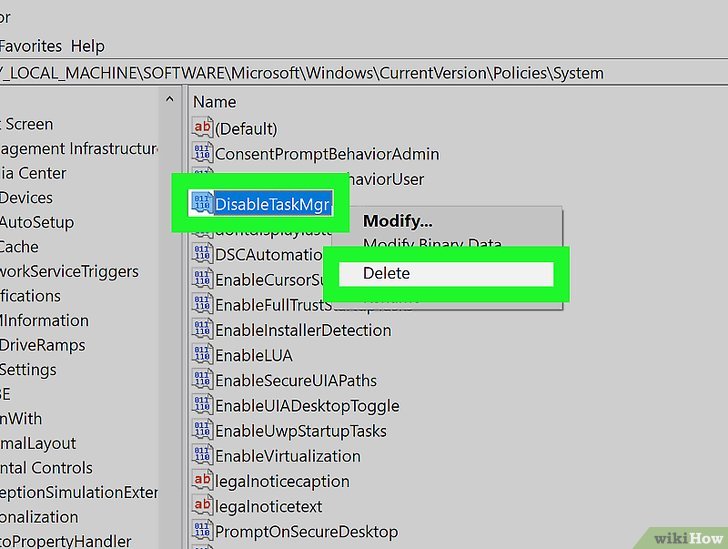
Optimizing task management for peak productivity requires a multifaceted approach that considers both individual workflow and the integration of various tools. This section delves into practical strategies for enhancing efficiency, mitigating overload, and fostering a focused work environment. Effective task management is not just about getting things done; it’s about doing the right things effectively and efficiently.Task management systems, when utilized correctly, can streamline processes and reduce stress associated with juggling multiple responsibilities.
This section will Artikel techniques for leveraging task managers to achieve maximum productivity and well-being.
Optimizing Task Management for Maximum Productivity
Effective task management is crucial for productivity. This involves prioritizing tasks based on urgency and importance, using techniques like the Eisenhower Matrix (urgent/important). Breaking down large tasks into smaller, more manageable subtasks can also enhance focus and reduce feelings of overwhelm. Utilizing task management software with features like deadlines, reminders, and progress tracking can further boost efficiency.
Reducing Task Overload and Managing Stress
Task overload is a significant contributor to stress and decreased productivity. Implementing strategies for effective task prioritization and delegation is vital. Utilizing time-blocking techniques, allocating specific time slots for different tasks, and adhering to schedules can help maintain focus and reduce the risk of feeling overwhelmed. Furthermore, recognizing and acknowledging personal limitations is critical. Don’t be afraid to delegate tasks or seek support when needed.
This proactive approach to workload management can significantly reduce stress and enhance overall well-being.
Integrating Task Managers with Other Productivity Tools
Integrating task managers with other productivity tools can significantly enhance workflow. For example, seamless integration with project management software allows for a holistic view of tasks within a larger project context. Calendar applications can synchronize with task managers, providing a unified view of scheduled activities and deadlines. Similarly, note-taking apps can work in tandem with task managers to store detailed task information and associated notes, making the task management process more comprehensive.
This interoperability fosters efficiency by connecting various aspects of a productive workflow.
Preventing Procrastination and Staying Focused
Procrastination is a common productivity roadblock. Strategies for combating procrastination include breaking tasks into smaller, more manageable steps, creating a dedicated workspace, and setting realistic deadlines. Maintaining focus during work sessions can be enhanced through techniques like the Pomodoro Technique (focused work periods followed by short breaks). Regular breaks and a healthy work-life balance are also essential for sustained productivity and reduced mental fatigue.
Furthermore, addressing underlying issues like lack of motivation or unmet needs can play a significant role in overcoming procrastination.
Epilogue
In conclusion, this guide equips you with the knowledge and skills necessary to leverage task managers effectively. By understanding the different types of task managers, choosing the right one, and mastering essential features, you can optimize your workflow, enhance collaboration, and achieve remarkable results. Remember that consistent use and adaptation to your specific needs will be key to maximizing your task management system.