Boosting productivity often involves more than just hard work. This guide delves into the powerful connection between physical activity and cognitive function, demonstrating how integrating exercise into your daily routine can significantly enhance your output and overall well-being. From understanding the impact of different exercises on focus and mood to practical strategies for incorporating movement into busy schedules, we’ll equip you with the knowledge and tools to unlock your peak performance.
We’ll explore various exercises, their optimal timing, and how to tailor them to specific tasks and work environments. The discussion also covers crucial aspects like managing common productivity challenges, improving mental well-being, and the importance of work-life integration. Learn how to structure exercise routines to counteract procrastination, burnout, and lack of motivation, and how to create a supportive work environment that promotes both physical and mental health.
Introduction to Exercise and Productivity
Productivity, in the context of daily tasks, refers to the efficient and effective completion of work or goals within a given timeframe. It encompasses not only the quantity of output but also the quality and the timeliness of that output. High productivity allows individuals to achieve more while feeling less stressed and more fulfilled.Physical activity and cognitive function are intrinsically linked.
Regular exercise promotes neuroplasticity, the brain’s ability to reorganize itself by forming new neural connections. This process enhances memory, focus, and overall cognitive performance, which directly impacts productivity. Numerous studies have shown a positive correlation between physical activity and improved cognitive function.
Exercise Types and Their Impact on Focus and Concentration
Various types of exercise can positively influence focus and concentration. Aerobic exercises, such as running, swimming, or cycling, improve blood flow to the brain, providing oxygen and nutrients essential for optimal cognitive function. Strength training exercises, like weightlifting or bodyweight exercises, contribute to overall physical strength and endurance, which in turn, indirectly supports mental resilience and concentration. Mind-body exercises like yoga and tai chi enhance mindfulness and mental clarity, which are crucial for sustained focus.
The specific impact will depend on the individual’s fitness level and the type of exercise performed.
Exercise and Mood/Motivation
Exercise significantly impacts mood and motivation in relation to work. Physical activity releases endorphins, natural mood boosters that can combat feelings of stress, anxiety, and even depression. These positive mood shifts can lead to increased motivation and enthusiasm for tasks. Improved mood and motivation often translate into enhanced productivity, allowing individuals to tackle work with greater energy and focus.
For instance, a brisk walk before a meeting can clear the mind and boost confidence, directly affecting one’s performance in the meeting.
Impact of Exercise on Productivity: A Summary
| Exercise Type | Impact on Focus | Impact on Energy Levels | Impact on Stress Reduction |
|---|---|---|---|
| Aerobic Exercise (e.g., Running, Cycling) | Improved attention span, enhanced cognitive function | Increased energy levels, improved stamina | Reduced stress hormones, improved mood |
| Strength Training (e.g., Weightlifting, Bodyweight Exercises) | Increased mental resilience, improved concentration | Enhanced physical strength and endurance | Reduced muscle tension, improved stress management |
| Mind-Body Exercises (e.g., Yoga, Tai Chi) | Improved mindfulness, enhanced focus | Increased energy and vitality | Reduced stress, promoted relaxation |
“Regular physical activity is associated with improved cognitive function, including attention, memory, and executive functions.”
National Institutes of Health
The table above provides a general overview. The exact impact of each exercise type can vary depending on individual factors and preferences. Experimentation is key to discovering what works best for you.
Exercise Strategies for Specific Tasks
Integrating physical activity into your workday can significantly enhance focus and productivity. By strategically incorporating exercise, you can optimize your energy levels, improve cognitive function, and manage stress more effectively. This approach allows for a more balanced and productive work experience.Effective exercise strategies are crucial for maintaining peak performance throughout the workday. Different types of exercise, strategically timed, can yield considerable benefits.
Understanding how to incorporate these activities into your routine can optimize your work output and overall well-being.
Incorporating Exercise into the Workday
Different types of exercise can be seamlessly integrated into various work environments. Light-intensity activities, like brisk walking or stretching, can be performed during breaks or while commuting. More intense workouts, such as a quick jog or a set of strength training exercises, can be scheduled before or after work sessions. Finding the right balance is key to maximizing productivity without sacrificing your work time.
Optimal Timing for Exercise
The optimal timing for exercise depends on individual preferences and work schedules. Some individuals find that exercising before work helps to energize them for the day, while others prefer to exercise after work to unwind and decompress. The key is to find a time that works best for your personal schedule and maximizes your productivity.
Short Bursts of Exercise for Enhanced Focus
Short bursts of exercise can be remarkably effective in boosting focus and energy. Even a few minutes of physical activity, such as a quick walk or a set of bodyweight exercises, can provide a significant energy boost. These short bursts can be strategically integrated into your workday to combat mental fatigue and maintain peak performance.
Examples of Exercises for Different Work Environments
The choice of exercise depends on the work environment. In a home office, a quick yoga session or a set of push-ups and squats can be easily incorporated into your routine. In an open-plan office, a brisk walk around the building or a few minutes of stretching can be done during breaks. For remote workers, online workout videos or bodyweight exercises can be easily integrated into the workday.
Effectiveness of Different Exercise Durations
The effectiveness of exercise duration for maximizing productivity is context-dependent. While short bursts of exercise can provide a quick energy boost, longer sessions can lead to improved overall well-being and sustained productivity. The ideal duration varies depending on individual needs and the type of exercise.
Exercise Duration and Productivity: A Comparison
| Exercise | Duration (minutes) | Time of Day | Expected Productivity Boost |
|---|---|---|---|
| Brisk Walking | 10-15 | Mid-morning break | Improved focus, reduced fatigue |
| Yoga/Stretching | 5-10 | Anytime during breaks | Improved posture, reduced stress |
| Bodyweight Circuit | 15-20 | Before work/after lunch | Increased energy, improved cognitive function |
| Quick Jog | 20-30 | Before work/after work | Elevated mood, improved physical health |
Exercise for Specific Productivity Challenges

Exercise is more than just physical activity; it’s a powerful tool for enhancing mental well-being and boosting productivity. Understanding how different exercise routines can address specific productivity hurdles can significantly improve daily performance and overall well-being. This section delves into the connection between exercise and common productivity challenges, offering practical strategies for overcoming them.Addressing productivity challenges like procrastination, burnout, and lack of motivation often requires a multifaceted approach.
Integrating exercise into this strategy can be a valuable component, as physical activity directly impacts mood, focus, and cognitive function. By understanding the mechanisms through which exercise affects productivity, individuals can tailor their routines to achieve optimal results.
Procrastination
Procrastination often stems from a combination of factors, including fear of failure, perfectionism, and a lack of motivation. Regular exercise can significantly mitigate these issues. Physical activity releases endorphins, which have mood-boosting effects, making tasks seem less daunting. Structured exercise routines can create a sense of accomplishment, which can be transferred to other areas of life, including work or personal projects.
Burnout
Burnout is a state of emotional, physical, and mental exhaustion caused by prolonged stress. Exercise can be a crucial tool in managing burnout by providing a healthy outlet for stress and promoting a sense of well-being. Aerobic exercise, in particular, can help regulate the body’s stress response, reducing feelings of overwhelm and promoting a more balanced state.
Lack of Motivation
Lack of motivation can manifest as a feeling of apathy or disinterest in tasks. Exercise, especially when integrated into a daily routine, can serve as a powerful motivator. The accomplishment of physical goals can translate to a sense of achievement, which can inspire motivation in other areas of life. The immediate feedback loop of exercise (e.g., increased energy levels, improved mood) can also act as a positive reinforcement loop.
Stress Management and Focus
Exercise is a highly effective stress-management technique. Physical activity helps reduce the production of stress hormones like cortisol, promoting a sense of calm and well-being. Regular exercise can also improve focus and concentration. The increased blood flow to the brain during exercise can enhance cognitive function, enabling individuals to approach challenging tasks with a clearer mind. A structured exercise routine can be a key component of effective stress management, ultimately leading to improved focus during challenging tasks.
Structured Exercise Routines for Productivity
Implementing exercise routines to counteract specific productivity issues requires a personalized approach. The key is to find activities that are enjoyable and sustainable. Consider incorporating short bursts of high-intensity interval training (HIIT) for focused energy bursts or longer, low-intensity activities for stress reduction and relaxation. Consistency is key, as establishing a regular exercise schedule is crucial for experiencing the long-term benefits.
Productivity Challenges and Exercise Recommendations
| Productivity Challenge | Exercise Recommendation |
|---|---|
| Procrastination | Short bursts of high-intensity exercise, followed by structured breaks, or incorporating exercise into the daily routine. |
| Burnout | Aerobic exercises, such as jogging, swimming, or cycling, and activities promoting relaxation like yoga or meditation. |
| Lack of Motivation | Combining enjoyable activities with structured exercise routines. Consider activities like dance classes, team sports, or hiking to boost motivation and enjoyment. |
| Stress Management & Focus | A combination of cardio and strength training. Incorporate mindful exercises like yoga and meditation to improve focus and reduce stress. |
Exercise and Work-Life Integration
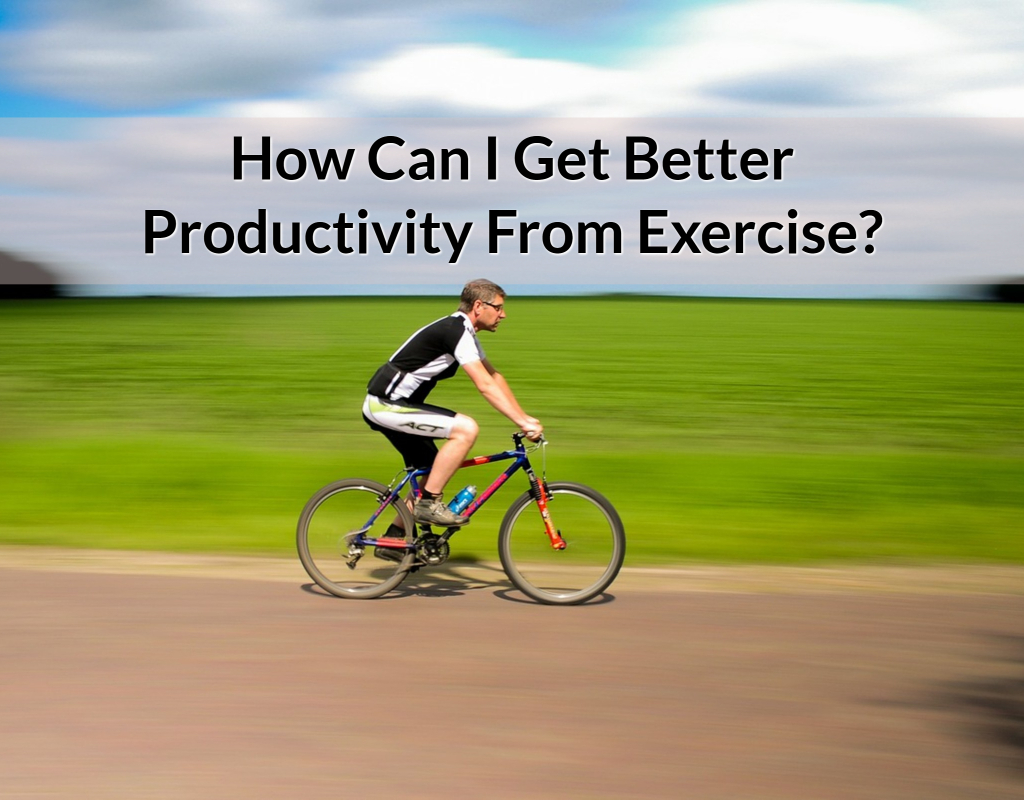
Integrating exercise into a busy schedule is crucial for maintaining well-being and productivity. A well-structured exercise routine can significantly enhance energy levels, focus, and overall work performance. This section details strategies for incorporating exercise into daily life, regardless of existing commitments.
Integrating Exercise into a Busy Schedule
Effective integration of exercise into a busy schedule requires proactive planning and a flexible approach. Simply adding exercise to an already full day is unlikely to be sustainable. Instead, thoughtful integration involves re-evaluating current routines and strategically scheduling exercise as an essential part of the day.
Strategies for Fitting Exercise into Daily Routines
Successful integration often involves small, incremental changes. Consider these strategies:
- Prioritize Exercise: View exercise as a non-negotiable appointment. Treat it with the same importance as work meetings or appointments. Scheduling it in advance and treating it as a priority ensures consistency.
- Break it Down: If a full workout feels overwhelming, break it into shorter sessions throughout the day. Even 10-15 minutes of activity can make a difference.
- Combine Exercise with Other Activities: Incorporate exercise into existing routines. Take the stairs instead of the elevator, walk or cycle during your lunch break, or do some stretches while watching TV.
- Find a Workout Buddy: Working out with a friend or colleague can make exercise more enjoyable and help maintain accountability.
- Optimize Commute: Consider a bike ride or a brisk walk instead of driving whenever possible.
Benefits of Scheduling Exercise as Part of the Daily Routine
Scheduling exercise as a regular part of the daily routine provides several benefits:
- Improved Time Management: Exercise becomes a scheduled activity, fitting seamlessly into the daily calendar.
- Enhanced Productivity: Exercise boosts energy levels, concentration, and focus, leading to improved work output.
- Reduced Stress and Improved Mood: Physical activity releases endorphins, which have mood-boosting effects and help reduce stress.
- Better Sleep Quality: Regular exercise promotes better sleep patterns, which is essential for overall well-being.
Sample Weekly Exercise Schedule
This sample schedule provides a framework that can be adapted to individual needs and work commitments. Adjust the times and types of exercise to suit your preferences and lifestyle.
| Day | Time Slot | Type of Exercise |
|---|---|---|
| Monday | 6:00 AM – 6:30 AM | Yoga/Stretching |
| Tuesday | 12:00 PM – 12:30 PM | Brisk Walk/Cycling |
| Wednesday | 6:00 PM – 6:30 PM | Strength Training |
| Thursday | 12:00 PM – 12:30 PM | Brisk Walk/Cycling |
| Friday | 6:00 PM – 6:30 PM | HIIT Workout |
| Saturday | 9:00 AM – 10:00 AM | Hiking/Outdoor Activity |
| Sunday | 9:00 AM – 10:00 AM | Rest/Active Recovery |
Incorporating Exercise into Various Work-Life Scenarios
Exercise can be integrated into various life situations.
- Family Commitments: Schedule exercise during times when children are at school or engaged in activities. Consider family workouts or exercise routines as a family activity.
- Travel: Incorporate walking or cycling tours into travel itineraries. Utilize hotel gyms or find local parks for workouts.
Exercise and Mental Well-being
Physical activity significantly impacts mental well-being, fostering a positive feedback loop between physical health and emotional state. Regular exercise can alleviate stress and anxiety, improve sleep quality, and ultimately enhance productivity. Understanding this connection empowers individuals to integrate exercise into their routines for sustained mental and emotional well-being.Exercise acts as a powerful tool for managing stress and anxiety.
Physical activity diverts attention from stressful thoughts and triggers the release of endorphins, which have mood-boosting effects. The resulting sense of accomplishment and improved physical self-image further contribute to a more positive outlook.
The Link Between Exercise and Stress Reduction
Exercise effectively reduces stress hormones, such as cortisol, in the body. Regular physical activity promotes the release of endorphins, neurochemicals that have mood-elevating and pain-relieving properties. This physiological response directly contributes to a reduction in feelings of stress and anxiety. Engaging in physical activity allows individuals to manage stressful situations more effectively and promotes a greater sense of control over their emotional state.
Exercise and Improved Sleep Quality
Regular exercise can positively influence sleep quality. Moderate-intensity physical activity, when performed consistently, can help regulate sleep cycles. The increased physical exertion during exercise helps tire the body, promoting better sleep. Improved sleep, in turn, significantly impacts cognitive function, mood regulation, and overall productivity.
Evidence-Based Impact on Mental Health
Numerous studies demonstrate a strong correlation between exercise and improved mental health. Research consistently shows that regular physical activity can reduce symptoms of depression and anxiety. Exercise also enhances cognitive function, memory, and attention span. These improvements contribute to enhanced focus and productivity in various aspects of life.
Exercise as Self-Care for Sustained Productivity
Exercise serves as a form of self-care, supporting long-term productivity and well-being. Making exercise a routine practice allows individuals to prioritize their mental and physical health. The positive feelings and reduced stress associated with exercise create a more balanced and productive lifestyle. This, in turn, facilitates sustained effort and accomplishment in various tasks and goals.
“Regular physical activity has been shown to be an effective strategy for managing stress and anxiety. Studies consistently demonstrate that exercise can reduce symptoms of depression and anxiety, improve sleep quality, and enhance cognitive function. These benefits collectively contribute to a more productive and balanced lifestyle. Examples include individuals who experience less stress and anxiety after engaging in regular exercise, improving their sleep quality, and exhibiting improved cognitive function, ultimately boosting their productivity levels.”
Exercise and Specific Work Environments
Effective exercise integration within the workday enhances productivity and overall well-being. Understanding the nuances of various work settings, from bustling offices to remote workspaces, is crucial for tailoring exercise routines to maximize benefits. This section explores the advantages and challenges of incorporating exercise into different work environments, and how to design a supportive workplace culture.Different work environments present unique opportunities and obstacles for incorporating exercise.
Whether working from home or in a traditional office setting, the strategies for optimizing productivity through physical activity need careful consideration. A well-designed workspace that encourages movement and mindful breaks can significantly contribute to a more focused and energized workforce.
Advantages of Exercise in Different Work Environments
The benefits of exercise transcend specific work environments. Incorporating physical activity into the workday, regardless of location, promotes improved cognitive function, reduced stress, and heightened energy levels. These benefits, in turn, translate into increased productivity and a more positive work experience. Furthermore, regular exercise can foster a stronger sense of well-being, leading to better overall health and reduced risk of chronic diseases.
Challenges and Solutions for Exercise in Various Work Environments
The accessibility and practicality of exercise vary across different work environments. In a traditional office setting, limited space and fixed schedules can present obstacles. However, simple strategies such as incorporating short bursts of activity during breaks or using the stairs instead of the elevator can effectively address these challenges. Remote work offers flexibility, but maintaining a consistent exercise routine can be difficult without a structured schedule and dedicated workspace.
Utilizing online workout resources, setting reminders, and finding a workout buddy can help overcome this hurdle.
Exercise and Team Collaboration in a Work Environment
Exercise can play a vital role in fostering team collaboration. Regular physical activity, such as team-based workouts or group fitness classes outside of work hours, can promote camaraderie and a sense of shared purpose. These activities can encourage open communication, build trust, and create a supportive environment where team members feel comfortable interacting and collaborating effectively. In addition, shared exercise goals can boost motivation and encourage a positive work culture.
Designing a Workplace that Supports Exercise
A supportive workplace actively promotes the integration of exercise into the workday. This can include providing access to exercise facilities, encouraging group fitness activities, and implementing wellness programs. Promoting walking meetings, offering standing desks, or installing on-site gyms are all examples of how employers can support employees’ physical activity. Such initiatives foster a positive work culture that values employees’ overall well-being, which in turn can boost productivity and employee satisfaction.
Comparison of Exercise Options for Different Work Environments
| Work Environment | Exercise Options |
|---|---|
| Home Office | Online workout videos, home gym equipment, short bursts of activity (e.g., stretching, jumping jacks), walking during calls, utilizing stairs |
| Open-Plan Office | Yoga or stretching breaks, walking meetings, utilizing stairs, short gym sessions during lunch breaks, joining a fitness class outside of work |
| Cubicle Office | Short stretching routines, walking around the office during breaks, taking the stairs, utilizing online resources for workouts, joining a fitness class outside of work |
Measuring the Impact of Exercise on Productivity

Understanding the connection between exercise and productivity requires a structured approach to tracking and evaluating its impact. This involves meticulously monitoring exercise routines and correlating them with productivity metrics to gain a clear understanding of the effectiveness of different strategies. By employing appropriate methods, you can objectively assess the influence of exercise on various aspects of your work, allowing for informed adjustments to your lifestyle and strategies.A crucial element in evaluating the impact of exercise on productivity is the ability to accurately measure both.
This necessitates employing a combination of quantitative and qualitative methods to gain a comprehensive perspective. Tracking exercise frequency, duration, and intensity provides quantitative data, while noting improvements in task completion time and project progress offer qualitative insights. The interplay between these methods provides a robust framework for evaluating the effectiveness of different strategies.
Tracking Exercise and Productivity
To effectively measure the impact of exercise on productivity, a structured approach to tracking both is essential. This involves recording exercise sessions and correlating them with specific work tasks and projects. This meticulous documentation allows for a comprehensive analysis of the relationship between exercise and productivity. For example, a log of daily exercise sessions can be cross-referenced with the completion of specific work tasks.
Metrics for Measuring Impact
Various metrics can be employed to assess the impact of exercise on productivity. Task completion time, a quantifiable measure, can be analyzed before and after implementing an exercise regimen. Project progress, another valuable metric, can be tracked to assess the overall effect on work output. The time spent on tasks, the number of errors made, and the overall quality of the work can all be indicators of the impact of exercise.
Consistent monitoring of these metrics over time helps to establish a clear picture of the correlation between exercise and productivity.
Evaluating Exercise Strategies
Evaluating the effectiveness of different exercise strategies involves comparing the results obtained from various approaches. For instance, a comparison of productivity metrics when engaging in high-intensity interval training (HIIT) versus moderate-intensity continuous training (MICT) can reveal valuable insights. Tracking changes in task completion time, project progress, and overall work quality across different exercise regimes allows for a nuanced evaluation of their impact on productivity.
Setting Realistic Goals and Monitoring Progress
Setting realistic goals is crucial for maintaining motivation and ensuring sustainable improvements in productivity. Goals should be specific, measurable, achievable, relevant, and time-bound (SMART). For instance, aiming to reduce task completion time by 15% within a month is a more effective goal than simply aiming to improve productivity. Regularly monitoring progress against these goals provides valuable feedback and allows for adjustments to strategies as needed.
Consistency in tracking progress, rather than just focusing on occasional spikes, helps to assess the overall effectiveness of the exercise regimen.
Tracking Exercise Sessions and Productivity Improvements
This form assists in recording exercise sessions and their corresponding impact on productivity.
| Date | Type of Exercise | Duration (minutes) | Task/Project | Completion Time (original/new) | Quality of Work (scale 1-5) |
|---|---|---|---|---|---|
Wrap-Up

In conclusion, this comprehensive guide highlights the profound relationship between exercise and productivity. By understanding the multifaceted benefits of physical activity, from improved focus and mood to stress reduction, you can create a sustainable and effective approach to maximizing your daily output. We’ve explored practical strategies, actionable insights, and real-world examples to help you integrate exercise into your busy schedule, no matter your work environment or lifestyle.
Ultimately, by prioritizing your physical and mental well-being, you pave the way for sustained productivity and a more fulfilling work-life balance.