Effective communication hinges on active listening, a skill often overlooked but crucial for strong relationships and successful interactions. This guide delves into the intricacies of active listening, exploring its fundamental principles and practical applications in various contexts. From personal conversations to professional meetings, understanding and applying active listening techniques can significantly enhance your ability to connect with others and achieve shared understanding.
This comprehensive exploration begins by defining active listening, contrasting it with passive listening, and highlighting its importance in personal, professional, and social spheres. We’ll examine essential skills like paraphrasing, focusing techniques, and strategies for managing distractions. Furthermore, the role of body language, empathy, and conflict resolution will be discussed within the context of active listening, offering practical insights for navigating diverse situations.
Defining Active Listening

Active listening is a crucial communication skill that goes beyond simply hearing words. It involves a conscious effort to understand not only the spoken message but also the underlying emotions and intentions of the speaker. This active engagement fosters deeper connections and promotes clearer understanding in various contexts, from personal relationships to professional settings. It distinguishes itself from passive listening by demanding a focused and empathetic approach.Active listening encompasses a range of behaviors that demonstrate a commitment to comprehension and engagement.
This involves paying close attention to the speaker, both verbally and nonverbally, reflecting on the message, and responding thoughtfully. It’s a dynamic process that actively seeks to understand the other person’s perspective.
Key Characteristics of Active Listening
Active listening is characterized by several key behaviors. These behaviors collectively demonstrate a genuine desire to understand and connect with the speaker. This includes maintaining eye contact, using verbal affirmations, asking clarifying questions, and summarizing the speaker’s message to ensure comprehension. This process is not merely about hearing; it’s about demonstrating a willingness to comprehend and empathize.
Passive Listening vs. Active Listening
The following table highlights the distinctions between passive and active listening styles. It illustrates how the focus, body language, and response differ between these two approaches.
| Characteristic | Passive Listening | Active Listening |
|---|---|---|
| Focus | On oneself and one’s own thoughts; often distracted by internal or external factors. | On the speaker and their message; maintaining concentration and attentiveness. |
| Body Language | Distracted, unengaged; may include fidgeting, looking away, or exhibiting other signs of disinterest. | Engaged, attentive; maintaining eye contact, nodding, and using other nonverbal cues to indicate understanding. |
| Response | Minimal or absent; may include occasional interruptions or non-responsive comments. | Thoughtful and responsive; asking clarifying questions, summarizing the speaker’s message, and providing feedback to confirm understanding. |
Importance of Active Listening in Various Contexts
Active listening is a vital skill across a multitude of contexts. In personal relationships, it fosters deeper connections and empathy, resolving conflicts constructively and strengthening bonds. In professional settings, it enhances teamwork, improves communication, and leads to more effective collaborations. In social interactions, it builds rapport and promotes mutual understanding, leading to more meaningful relationships.
Examples of Active Listening Behaviors
Active listening involves a range of behaviors. These actions are crucial in effectively understanding and responding to the speaker’s message. These behaviors include:
- Paying close attention to the speaker’s words and nonverbal cues: This includes maintaining eye contact, nodding, and using other nonverbal cues to indicate understanding and engagement.
- Asking clarifying questions: These questions help ensure a comprehensive understanding of the speaker’s message and intentions. Examples include: “Could you elaborate on…?” or “What do you mean by…?”
- Summarizing the speaker’s message: This demonstrates comprehension and allows the speaker to confirm that their message has been correctly interpreted. It helps to ensure clarity and avoid misunderstandings.
- Reflecting on the speaker’s feelings: Active listening also involves understanding the emotional component of the message. This involves paraphrasing the speaker’s feelings to confirm that you have understood their emotional state.
Essential Skills for Active Listening

Active listening is more than just hearing; it’s a crucial skill for effective communication and strong relationships. It involves paying close attention to both the verbal and nonverbal cues of the speaker, and responding thoughtfully and empathetically. Mastering these skills can lead to improved understanding, stronger connections, and more productive interactions.Developing essential active listening skills is vital for success in personal and professional settings.
These skills enable individuals to grasp the nuances of communication, fostering deeper understanding and stronger bonds. By demonstrating these skills, individuals can improve their ability to comprehend and respond appropriately to others, leading to more positive and productive outcomes.
Key Skills for Active Listening
Active listening isn’t a single skill; it encompasses several interconnected abilities. These skills work in tandem to create a comprehensive understanding of the message being conveyed. Understanding these skills and how they interrelate is essential to effective communication.
- Focusing Attention: This involves directing your complete focus to the speaker, minimizing distractions and maintaining eye contact. This demonstrates respect and a genuine interest in what the speaker is saying. For instance, putting away your phone, turning off the television, and maintaining appropriate eye contact are all examples of focusing attention. By doing so, you show the speaker that you are fully present and engaged.
- Empathetic Understanding: This is about trying to see the situation from the speaker’s perspective. It’s crucial for understanding the underlying emotions and motivations behind their message. Consider the speaker’s background, experiences, and potential biases. For example, if someone is expressing frustration, try to understand the cause of that frustration. Empathy involves understanding the emotional content of their words and not just the literal meaning.
- Nonverbal Cues: Active listening involves recognizing and responding appropriately to nonverbal cues. These cues can include posture, facial expressions, and tone of voice. For example, if someone is fidgeting or their tone becomes more intense, it might indicate that they’re feeling anxious or upset. Paying attention to these subtle cues can enhance your understanding of the speaker’s message.
- Summarization and Paraphrasing: Restating the speaker’s message in your own words helps ensure accurate understanding and shows that you’re engaged. Paraphrasing is crucial for confirming your understanding and demonstrating that you’re actively listening. This skill is discussed in detail below.
Paraphrasing in Active Listening
Paraphrasing is a vital skill in active listening, involving restating the speaker’s message in your own words to confirm understanding. It allows you to reflect on the speaker’s message and communicate that you’ve grasped the essence of what they’re trying to convey. This process demonstrates respect and a commitment to understanding.
A key aspect of paraphrasing is to accurately reflect the speaker’s intended meaning, while avoiding misinterpretations. A good paraphrase captures the emotional tone and context of the original message, avoiding distortion or subjective interpretations.
For instance, if a speaker says, “I’m feeling overwhelmed by the workload,” a paraphrase might be, “It sounds like you’re feeling quite stressed by the amount of work you have to do.” This paraphrase accurately reflects the core message and emotional tone, showing the speaker that you’ve listened and understood their concern.
- Accurate Reflection: Paraphrasing is about accurately reflecting the speaker’s message. This involves avoiding additions, deletions, or changes that alter the original meaning.
- Clarifying Understanding: It serves as a crucial tool for clarifying your understanding of the speaker’s message. If you’re unsure about something, paraphrasing can prompt the speaker to elaborate.
- Building Rapport: Paraphrasing helps build rapport by showing the speaker that you’re attentive and engaged in the conversation.
Active Listening Skills and Behaviors
| Skill | Behavior |
|---|---|
| Focusing Attention | Maintaining eye contact, minimizing distractions, and actively listening without interrupting. |
| Empathetic Understanding | Considering the speaker’s perspective, background, and potential biases. |
| Nonverbal Cues | Paying attention to the speaker’s posture, facial expressions, and tone of voice. |
| Summarization and Paraphrasing | Restating the speaker’s message in your own words to confirm understanding. |
Improving Active Listening Techniques

Cultivating active listening skills is a continuous process that demands dedication and practice. These techniques, when mastered, empower individuals to truly understand and connect with others, fostering stronger relationships and more productive interactions. Effective listening transcends mere hearing; it involves engaging with the speaker’s message on multiple levels.By honing these skills, individuals can avoid misunderstandings, improve communication, and contribute to a more collaborative and empathetic environment.
This section delves into practical techniques, focusing on concentration, distraction management, and structuring the listening process.
Focusing and Concentrating on the Speaker’s Message
To actively listen, focusing intently on the speaker’s message is paramount. This requires minimizing internal distractions and fully engaging with the speaker’s words, tone, and body language. A crucial component of this is setting aside preconceived notions and biases to avoid misinterpretations. By acknowledging and addressing one’s own thoughts and feelings, the listener can remain focused on the speaker’s message.
Managing Distractions and Maintaining Focus
Distractions, both internal and external, can hinder effective listening. Internal distractions might include anxieties, personal concerns, or preconceived notions. External distractions encompass environmental noises, interruptions, or other sensory inputs. Effective active listening requires strategies to mitigate these interruptions. Techniques such as deep breathing exercises or mindful awareness can help manage internal distractions.
Creating a quiet and conducive environment minimizes external distractions.
Steps for Active Listening
Following a structured approach can significantly enhance active listening abilities. This structured approach can greatly enhance the quality of communication and understanding. The following steps serve as a guideline for effective listening:
- Establish a Conducive Environment: Find a quiet space free from interruptions. Ensure your physical posture is conducive to focus.
- Give the Speaker Your Full Attention: Make eye contact, maintain an open posture, and avoid distractions. Refrain from formulating responses until the speaker has finished their point.
- Listen Empathetically: Try to understand the speaker’s perspective, feelings, and motivations. Acknowledge their emotions verbally or nonverbally.
- Ask Clarifying Questions: When appropriate, ask questions to ensure you comprehend the message accurately. However, avoid interrupting the speaker’s flow of thought.
- Summarize and Reflect: After the speaker has finished, briefly summarize their message to confirm your understanding. Reflect on what you have heard and express your understanding.
Example of Effective Active Listening
A project manager, Sarah, is having a meeting with her team to discuss the upcoming project deadline. A team member, David, expresses concerns about the project’s scope.
- Sarah: “David, I understand your concern about the project scope. Tell me more about what you are finding challenging.” (Active listening by acknowledging and prompting David to elaborate)
- David: “I feel that the project scope has been expanded beyond our initial agreement. We might not be able to deliver the entire scope within the current timeframe without additional resources.” (David expresses his concerns)
- Sarah: “So, you feel we’ve taken on more than initially agreed upon, potentially impacting our ability to meet the deadline?” (Active listening by summarizing David’s message and reflecting her understanding.)
- David: “Exactly.” (David confirms Sarah’s understanding)
- Sarah: “Let’s schedule a follow-up meeting with the project stakeholders to discuss the scope adjustments and potential resource allocation to ensure we can deliver on time.” (Demonstrating action based on active listening and problem-solving)
In this example, Sarah demonstrates active listening by acknowledging David’s concerns, reflecting her understanding, and taking appropriate action. This approach fostered a productive conversation and addressed the issue promptly.
Obstacles to Active Listening
Active listening, while a valuable skill, is often hindered by various obstacles. These obstacles can stem from internal factors, external distractions, or a combination of both. Understanding these impediments is crucial for identifying and mitigating them, ultimately improving communication effectiveness. Recognizing these challenges and developing strategies to overcome them will significantly enhance your ability to listen attentively and respond thoughtfully.
Common Obstacles to Active Listening
Several factors can impede the process of active listening. These obstacles range from internal distractions to external environmental factors. Addressing these obstacles is essential for effective communication.
- Preconceived Notions and Biases: Preconceived notions and biases can significantly influence how we interpret and respond to the message being conveyed. Individuals may filter information through their existing beliefs, potentially missing crucial details or misinterpreting the speaker’s intent. This can stem from past experiences, cultural background, or personal values.
- Internal Distractions: Internal distractions, such as anxieties, worries, or thoughts unrelated to the conversation, can lead to inattentiveness. These internal conflicts can make it challenging to focus on the speaker and comprehend the message accurately. For instance, thinking about an upcoming deadline while someone is speaking can impair active listening.
- External Distractions: External distractions, such as noisy environments, interruptions, or visual stimuli, can disrupt the listener’s concentration. The need for a quiet space for effective listening is well-documented. Phone calls, ringing alarms, or even a brightly lit room can impede focus.
- Emotional Responses: Strong emotional reactions, such as anger, frustration, or excitement, can cloud judgment and make it challenging to listen objectively. Emotional responses may result in misinterpreting the speaker’s message or interrupting the conversation.
- Lack of Interest or Prioritization: If the listener is not genuinely interested in the topic or if they perceive the conversation as unimportant, it may be difficult to maintain focus and engage actively. This is especially true when the topic is not relevant to the listener’s immediate concerns or interests.
- Differing Communication Styles: Different communication styles can create misunderstandings and impede effective listening. For example, a direct communication style may be misinterpreted by a listener accustomed to more indirect communication.
Overcoming Obstacles to Active Listening
Addressing these obstacles requires conscious effort and a proactive approach. Strategies for overcoming obstacles vary depending on the specific challenge.
- Addressing Preconceived Notions and Biases: Recognizing and acknowledging personal biases is crucial. Actively questioning assumptions and seeking clarification can help to mitigate the impact of biases. Practicing empathy and understanding the speaker’s perspective can further improve listening skills.
- Managing Internal Distractions: Techniques such as mindfulness and meditation can help to quiet the mind and focus attention. Taking breaks to clear the mind and addressing underlying anxieties can also improve the ability to concentrate during conversations.
- Minimizing External Distractions: Creating a conducive listening environment, such as finding a quiet space or turning off distracting notifications, is vital. Communicating the need for uninterrupted time can also help to avoid interruptions during conversations.
- Managing Emotional Responses: Developing emotional intelligence and learning to identify and regulate emotions is essential. Taking a moment to pause and reflect before responding can help to prevent impulsive reactions. Using techniques like deep breathing exercises can aid in managing strong emotions during conversations.
- Developing Interest and Prioritization: Actively engaging with the topic by asking clarifying questions and showing genuine interest can help maintain focus. Identifying the speaker’s key points and understanding their perspective can increase engagement.
- Adapting to Differing Communication Styles: Recognizing and adapting to different communication styles can enhance understanding. Asking clarifying questions and seeking to understand the speaker’s message can bridge communication gaps.
Comparing and Contrasting Approaches
Different approaches to overcoming listening obstacles can be effective in various situations. For example, while mindfulness may help manage internal distractions, adjusting the environment to minimize external noise may be more effective in other scenarios.
| Obstacle | Approach 1 (Mindfulness) | Approach 2 (Environmental Adjustment) |
|---|---|---|
| Internal Distractions | Focus on the present moment, calming the mind | Finding a quiet space, minimizing external noise |
| External Distractions | Practicing concentration techniques | Adjusting the environment to minimize noise |
| Emotional Responses | Deep breathing, recognizing and accepting emotions | Taking breaks to regulate emotions |
Active Listening in Different Contexts
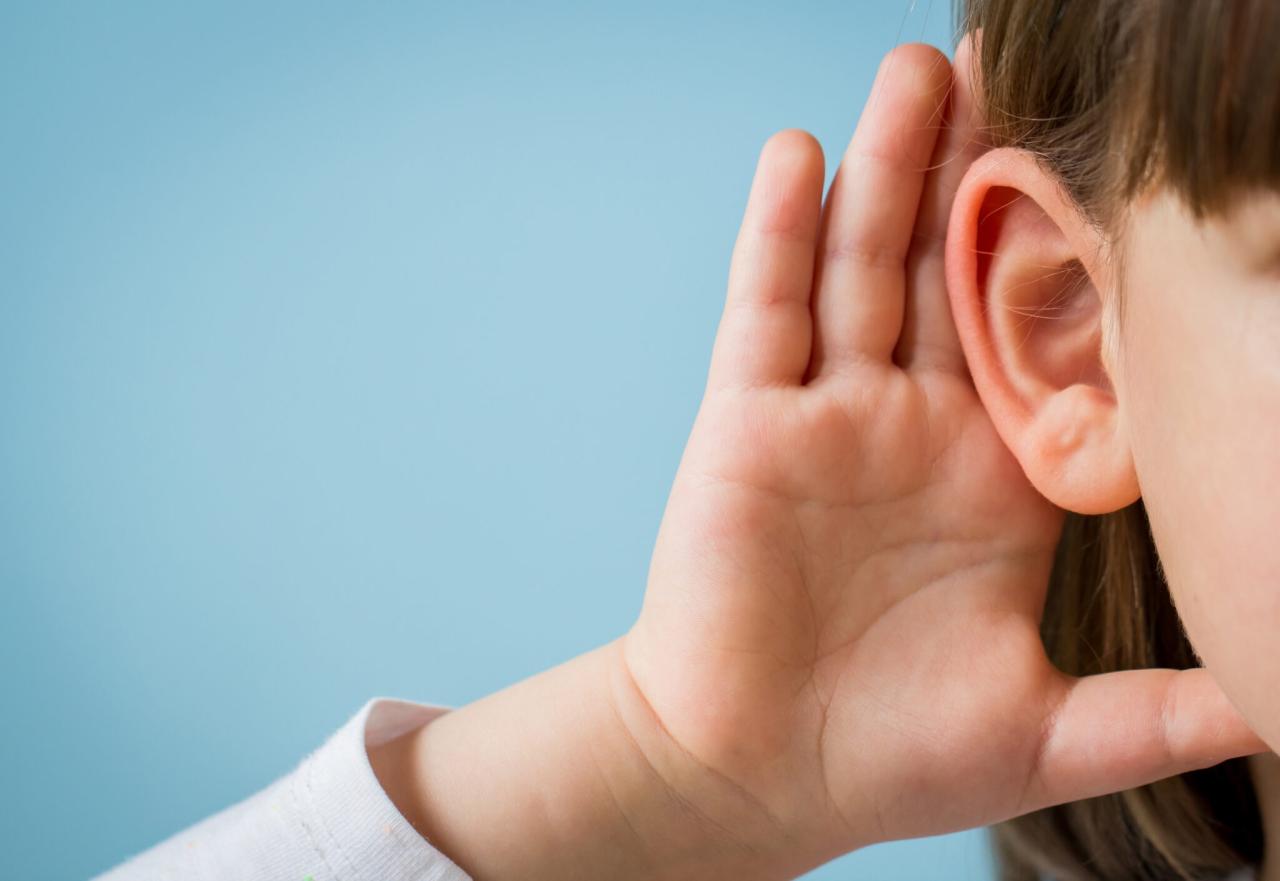
Active listening is a crucial skill applicable across various interpersonal interactions. Its effectiveness transcends specific settings, impacting communication and relationships in profound ways. Understanding how to adapt active listening strategies to different contexts is key to achieving positive outcomes and fostering stronger connections. This section explores the nuanced application of active listening in diverse situations.Active listening is not a one-size-fits-all approach.
Different situations require specific strategies to maximize their effectiveness. Understanding the context of the interaction and the motivations of the speaker are crucial elements in applying active listening techniques successfully. This section explores active listening in team meetings, conflict resolution, customer service, and various communication mediums.
Active Listening in Team Meetings
Effective active listening in team meetings fosters a collaborative environment and promotes a shared understanding of objectives. Participants who actively listen demonstrate respect for others’ perspectives and ideas, contributing to a more productive and harmonious discussion.
- Summarizing and Paraphrasing: Regularly summarizing and paraphrasing key points from team members ensures that everyone is on the same page and that misunderstandings are avoided. This shows attentiveness and confirms comprehension.
- Asking Clarifying Questions: Asking thoughtful clarifying questions demonstrates genuine interest in understanding others’ viewpoints. This helps uncover potential ambiguities or areas of concern.
- Nonverbal Cues: Maintaining appropriate eye contact, using attentive body language, and avoiding distractions signals engagement and encourages others to participate fully.
Active Listening in Conflict Resolution
Active listening is paramount in conflict resolution. By attentively hearing both sides of the story, even when perspectives differ, individuals can create a space for understanding and finding common ground.
- Empathetic Understanding: Focusing on understanding the other person’s emotions and perspective, even if you don’t agree with their viewpoint, is essential for effective conflict resolution. Acknowledging their feelings helps build rapport.
- Reflecting Feelings: Reflecting the emotions expressed by the other party demonstrates empathy and understanding. This acknowledges their emotional state, validating their experience.
- Focusing on Interests: Active listening helps to uncover the underlying interests and needs of each party involved in the conflict. Identifying these can help facilitate solutions that address the core concerns.
Active Listening in Customer Service
In customer service interactions, active listening is crucial for understanding customer needs and concerns. By paying close attention to the customer’s words and nonverbal cues, service representatives can provide tailored solutions and build customer loyalty.
- Empathetic Responses: Demonstrating empathy through attentive listening and appropriate responses shows the customer that their concerns are being heard and valued. This can help build trust and rapport.
- Active Questioning: Asking clarifying questions to ensure a thorough understanding of the customer’s issue helps the representative provide the most suitable assistance. This also confirms that the issue is fully understood.
- Acknowledging Customer Concerns: Acknowledging the customer’s concerns, even if the issue is complex or difficult to resolve, shows respect and helps maintain a positive interaction.
Active Listening in Different Communication Mediums
Active listening techniques can be adapted to various communication mediums.
- Phone Calls: In phone conversations, active listening involves paying close attention to the tone of voice and pauses. Careful listening is essential to understand the message accurately.
- Video Conferences: In video conferences, active listening involves utilizing nonverbal cues such as facial expressions and body language to fully grasp the speaker’s message.
The Role of Body Language in Active Listening
Effective communication relies not only on spoken words but also on the subtle cues of body language. Understanding and employing appropriate non-verbal communication is crucial for active listening, enhancing engagement and fostering a more productive interaction. A thoughtful awareness of your body language demonstrates respect and a genuine interest in the speaker, creating a positive and supportive atmosphere.Nonverbal cues, often unconscious, can significantly impact how a message is received.
By consciously monitoring and adjusting your body language, you can greatly improve your active listening skills. This section will explore the importance of non-verbal communication in active listening, detailing how to use body language to demonstrate engagement and attentiveness, and highlighting potential pitfalls to avoid.
Importance of Non-verbal Communication
Nonverbal communication, encompassing gestures, posture, eye contact, and facial expressions, often carries more weight than spoken words. These unspoken cues can reinforce or contradict the verbal message, shaping the listener’s interpretation and influencing the overall effectiveness of the conversation. A consistent mismatch between verbal and nonverbal communication can lead to confusion, distrust, and ultimately, ineffective communication.
Using Body Language to Show Engagement
To effectively demonstrate engagement and attentiveness, certain nonverbal cues can be used strategically. Leaning forward slightly, maintaining appropriate eye contact, and using open and welcoming postures are key elements in creating a receptive environment for the speaker. Mirroring the speaker’s posture to a degree, while avoiding mimicry, can also help to foster rapport.
Positive and Negative Nonverbal Cues
| Non-Verbal Cue | Positive Impact | Negative Impact |
|---|---|---|
| Leaning forward | Shows interest and engagement, conveys attentiveness | May feel aggressive or intrusive if overdone, can be misinterpreted as overly eager |
| Maintaining eye contact | Shows attentiveness and respect, conveys interest in what is being said | Can feel uncomfortable or intimidating if sustained intensely or unblinking, can be seen as intrusive |
| Open posture (unfolded arms, uncrossed legs) | Conveys openness and receptiveness, shows a willingness to listen and understand | Can be perceived as overly casual or disengaged if not appropriately applied |
| Nodding occasionally | Shows understanding and agreement (where appropriate), encourages the speaker | Excessive nodding can appear insincere or dismissive |
| Smiling appropriately | Conveys warmth, encouragement, and positive reinforcement | Inappropriate smiling can appear insincere or dismissive |
Examples of Hinderances to Active Listening
Several body language cues can hinder active listening and create negative perceptions. Examples include:
- Folding arms across the chest: This posture can signal defensiveness or disinterest, creating a barrier to effective communication.
- Avoiding eye contact: This can make the speaker feel dismissed or unimportant, potentially impacting their willingness to share.
- Fidgeting or displaying distracting movements: Such behaviors can indicate a lack of focus or engagement, conveying to the speaker that you are not truly listening.
- Slouching or having a closed posture: This communicates disinterest and lack of respect, discouraging open communication.
- Interrupting or exhibiting impatience through nonverbal cues (e.g., tapping a foot, sighing): This disrupts the speaker’s flow of thought and creates an environment that discourages genuine interaction.
By understanding both the positive and negative impacts of body language, active listeners can cultivate a supportive environment for effective communication.
Active Listening and Empathy
Active listening is more than just hearing words; it’s a fundamental component of effective communication and fostering meaningful relationships. A crucial aspect of active listening is the development of empathy, the ability to understand and share the feelings of another. This connection between listening and empathy allows for deeper understanding and more supportive interactions.Empathy, in essence, involves stepping into another person’s shoes and experiencing the world from their perspective.
Active listening is the key to unlocking this ability, enabling us to comprehend not only the words but also the underlying emotions and motivations behind them. This deeper understanding lays the groundwork for more compassionate and meaningful connections.
The Intertwined Nature of Active Listening and Empathy
Active listening is a powerful tool for cultivating empathy. By focusing intently on the speaker, reflecting their emotions, and asking clarifying questions, listeners create a safe space for the speaker to share their experiences fully. This process fosters a sense of understanding and validation, leading to a deeper connection. Empathy is the result of truly hearing and comprehending the speaker’s perspective, not just their words.
The Role of Perspective-Taking in Active Listening
Perspective-taking is an essential skill in active listening. It involves recognizing and considering the speaker’s point of view, even if it differs from one’s own. This process of actively trying to see the world through another’s eyes is critical to fostering empathy. It requires a conscious effort to suspend judgment and preconceived notions. By actively seeking to understand the speaker’s background, experiences, and motivations, listeners can gain valuable insights into their perspective, which are key to building genuine empathy.
The Significance of Emotional Intelligence in Active Listening
Emotional intelligence plays a vital role in effective active listening. It involves recognizing and understanding one’s own emotions and those of others. Individuals with high emotional intelligence are better equipped to interpret nonverbal cues, such as body language and tone of voice, which often convey unspoken emotions. This sensitivity to emotional cues enhances the ability to empathize with the speaker, leading to more accurate and comprehensive understanding.
Recognizing and acknowledging the speaker’s emotional state is a crucial aspect of active listening.
Scenario Illustrating Active Listening and Empathy
Imagine a colleague, Sarah, expressing frustration about a recent project deadline. Instead of simply offering solutions, a colleague, Mark, actively listens, reflecting her feelings. He asks clarifying questions about the specific challenges she encountered, validating her emotions, and acknowledging her stress. By taking Sarah’s perspective, Mark demonstrates empathy and understanding. This active listening helps Sarah feel heard and validated, ultimately leading to a more positive and productive outcome for both of them.
This scenario highlights how active listening, combined with empathy, can lead to a deeper understanding and resolution of conflict.
Active Listening and Conflict Resolution
Active listening is not just a valuable communication skill; it is a cornerstone of effective conflict resolution. By actively engaging with the perspectives of all parties involved, we can foster understanding and pave the way for mutually acceptable solutions. This approach is particularly crucial in navigating the often-charged atmosphere of conflict.Understanding and applying active listening techniques can significantly de-escalate conflicts, moving from heated arguments to productive discussions.
By focusing on truly hearing and understanding the other person’s perspective, rather than formulating a response, we can create a safe space for both sides to express their concerns and feelings. This approach fosters trust and encourages collaborative problem-solving.
Application of Active Listening in Conflict Resolution
Active listening is pivotal in conflict resolution because it creates a safe environment for both parties to express their views without interruption or judgment. By demonstrating genuine interest in understanding the other person’s perspective, active listening can transform a confrontational situation into a collaborative one. This, in turn, fosters a more productive dialogue and encourages finding common ground.
De-escalating Conflicts Through Active Listening
Active listening is a powerful tool for de-escalating conflicts. It helps to identify the underlying concerns and emotions driving the disagreement. By reflecting back the speaker’s message, we validate their feelings and encourage them to feel heard. This creates a sense of safety and reduces defensiveness, which are key factors in de-escalating tension.
Examples of Effective Active Listening in Conflict Resolution
A strong example of effective active listening involves paraphrasing what the other person is saying. For instance, if someone expresses frustration about a missed deadline, a response like, “So, you feel frustrated because the project was delayed and this has impacted your workload?” demonstrates active listening. Another example is acknowledging emotions. If someone is upset, reflecting their emotion by saying, “It sounds like you’re feeling quite angry about this situation” can be a powerful step towards de-escalation.
Finally, asking clarifying questions to ensure understanding can also be beneficial. “Can you elaborate on what specifically caused the problem?” or “What steps do you feel would have helped to avoid this situation?” are examples of questions that demonstrate active listening and promote a collaborative approach to problem-solving.
Strategies for Managing Emotional Responses During Conflict Resolution
Managing emotions is vital during conflict resolution. Taking deep breaths, pausing to collect thoughts, and acknowledging the emotional state of both parties can significantly contribute to a productive discussion. Recognizing that emotions are valid, even if not justified, can help maintain a calm and constructive environment. Focusing on the problem rather than the person also contributes to a more productive outcome.
Practicing empathy and seeking to understand the other person’s perspective, rather than reacting defensively, is essential in managing emotions.
Flow Chart: Resolving Conflicts Using Active Listening

This flowchart illustrates a general process for conflict resolution utilizing active listening techniques. It is not a rigid prescription, but a guide for handling diverse conflict scenarios.
- Identify the Conflict: Recognize the situation and its key elements, involving clear identification of the source of the conflict and the participants.
- Prepare Yourself: Ensure you are mentally prepared to listen and understand the other person’s perspective. Manage your emotional responses and avoid interrupting.
- Actively Listen: Fully concentrate on the speaker, avoid interrupting, and summarize their message to confirm understanding. Use verbal and nonverbal cues to convey attentiveness.
- Reflect and Validate Feelings: Acknowledge and validate the speaker’s emotions. Show empathy and understanding. Paraphrase the speaker’s message to ensure accurate comprehension.
- Identify Common Ground: Look for shared interests and goals that can help find a solution. Explore options for mutual benefit.
- Brainstorm Solutions: Collaboratively explore various options and solutions to address the conflict. Encourage open communication and creativity in problem-solving.
- Agree on a Plan: Reach a mutually acceptable agreement and Artikel the steps needed to implement the solution. Ensure all parties understand and are committed to the plan.
- Follow Up: Monitor the implementation of the plan and address any further concerns that may arise. This ensures the conflict resolution is successful.
Outcome Summary
In conclusion, mastering active listening is a multifaceted process involving understanding key principles, developing essential skills, and applying techniques across various contexts. By focusing on the speaker, employing appropriate body language, and fostering empathy, you can transform your interactions and build stronger, more meaningful connections. This comprehensive guide equips you with the knowledge and strategies to enhance your communication skills and navigate any interaction with confidence and understanding.