Effective communication is crucial in navigating the complexities of modern life, from personal relationships to professional endeavors. This guide delves into the essential elements of improving communication skills, providing a roadmap for enhancing interactions and fostering stronger connections.
We will explore various communication styles, active listening techniques, and nonverbal cues, providing practical strategies for clear and concise messaging. Building rapport, resolving conflicts, and giving and receiving feedback will also be addressed, along with overcoming common communication barriers and utilizing technology effectively. Ultimately, this guide aims to equip you with the tools to cultivate meaningful and productive interactions in all aspects of your life.
Understanding Communication Styles
Effective communication hinges on recognizing and adapting to diverse communication styles. Understanding these styles allows individuals to navigate interactions more smoothly, fostering stronger relationships and achieving more positive outcomes in various settings. This section delves into the nuances of assertive, passive, and aggressive communication styles, examining their impacts and potential pitfalls.Communication styles are deeply ingrained patterns of expression, often influenced by personality, cultural background, and past experiences.
Acknowledging these variations is crucial for effective communication. Misunderstandings often arise when individuals fail to recognize the differing communication styles of others. This section will also explore common misinterpretations stemming from these differences.
Communication Style Characteristics
Different communication styles influence how individuals express themselves and react to others. Understanding these distinctions is key to building rapport and navigating interactions effectively.
- Assertive Communication: This style prioritizes expressing needs and opinions directly and respectfully, while also acknowledging the perspectives of others. Assertive communicators clearly state their thoughts and feelings, listen attentively to others, and maintain a healthy balance between self-expression and consideration for others. Assertive communication often leads to mutually beneficial outcomes. For example, in a workplace scenario, an assertive employee might directly express concerns about a project timeline without resorting to blame or aggression.
They would listen to management’s response and collaboratively find a solution that works for everyone.
- Passive Communication: Passive communicators often avoid expressing their needs or opinions, prioritizing the comfort and desires of others. They may frequently yield to the demands of others, sometimes leading to resentment or a sense of being undervalued. In social gatherings, a passive individual might not voice their opinion on a topic, even if they strongly disagree, or avoid conflict by quietly acquiescing to others’ viewpoints.
While seemingly considerate, this approach can ultimately harm the individual’s well-being and relationships.
- Aggressive Communication: This style involves expressing needs and opinions in a forceful, demanding, and potentially hostile manner. Aggressive communicators often disregard the feelings and perspectives of others, leading to conflict and strained relationships. For instance, in a workplace setting, an aggressive employee might interrupt colleagues, dismiss their ideas, and dominate discussions, creating a hostile environment. This approach can negatively impact teamwork and overall productivity.
Comparative Analysis of Communication Styles
The table below summarizes the characteristics, strengths, weaknesses, and potential consequences of each communication style.
| Communication Style | Characteristics | Strengths | Weaknesses | Potential Consequences |
|---|---|---|---|---|
| Assertive | Direct, respectful, considers others’ perspectives | Clear communication, healthy relationships, mutual respect | May be perceived as confrontational in some situations | Stronger relationships, productive interactions, reduced misunderstandings |
| Passive | Avoids expressing needs, prioritizes others | Can avoid conflict, maintain harmony | Can lead to resentment, unmet needs, feelings of being undervalued | Unmet needs, strained relationships, potential for resentment and frustration |
| Aggressive | Forceful, demanding, disregards others’ feelings | Can quickly get desired results | Damages relationships, creates conflict, fosters hostility | Damaged relationships, conflict, reduced productivity, potential for legal issues |
Common Misinterpretations
Differences in communication styles can lead to misinterpretations. For example, a passive individual may be perceived as uninterested or indecisive by an assertive communicator, while an aggressive communicator might be viewed as rude or insensitive by a passive one. These misunderstandings can create barriers in effective communication and lead to conflict. Recognizing these potential misinterpretations and actively working to bridge these gaps in understanding are crucial for improving communication.
Active Listening Techniques

Active listening is a crucial component of effective communication. It goes beyond simply hearing words; it involves understanding the speaker’s message, both verbally and nonverbally. By actively engaging with the speaker, you demonstrate respect, build rapport, and increase the likelihood of resolving misunderstandings and achieving shared understanding. This ultimately leads to more productive interactions and stronger relationships.Active listening involves a conscious effort to focus on the speaker, interpret their message accurately, and respond thoughtfully.
This contrasts with passive listening, where one hears the words but fails to fully process the message and context. Mastering active listening can significantly enhance communication effectiveness in various settings, from personal conversations to professional interactions.
Importance of Active Listening
Active listening is fundamental to effective communication because it fosters mutual understanding and trust. It allows for the accurate interpretation of both verbal and nonverbal cues, leading to a more complete comprehension of the speaker’s message. This, in turn, minimizes misunderstandings and promotes a more collaborative and supportive environment.
Steps Involved in Active Listening
Active listening is more than just hearing words; it requires a conscious effort to understand the speaker’s message. This includes both verbal and nonverbal cues. Understanding and interpreting these cues helps in accurately perceiving the speaker’s intent and emotions.
- Nonverbal Cues: Pay close attention to the speaker’s body language, facial expressions, tone of voice, and gestures. These cues often provide valuable insights into the speaker’s emotions and underlying message. For example, crossed arms might indicate defensiveness, while leaning forward might signify interest. Observe posture, eye contact, and the overall body language for a complete understanding of the speaker’s message.
- Verbal Responses: Responding verbally demonstrates your engagement and understanding. These responses should reflect your active listening and encourage the speaker to continue sharing their thoughts. Examples include nodding, making affirming sounds (like “uh-huh” or “mm-hmm”), and asking clarifying questions. These responses should not interrupt the flow of the conversation, but instead support it.
Paraphrasing and Summarizing
Paraphrasing and summarizing are essential techniques for demonstrating understanding and ensuring accuracy in interpreting the speaker’s message.
- Paraphrasing: Restating the speaker’s message in your own words, focusing on the main points. This ensures you comprehend the core message accurately and avoid misinterpretations. For instance, if someone says, “I’m feeling overwhelmed with all these deadlines,” you might paraphrase, “It sounds like you’re feeling stressed about the upcoming deadlines.” This demonstrates your understanding of the emotional aspect of the message.
- Summarizing: Condensing the speaker’s main points into a concise statement. This is useful for reinforcing your understanding and ensuring you’ve captured the essential elements of the message. For instance, if someone details several reasons for their dissatisfaction, you could summarize, “From what I understand, you’re concerned about the project timeline, budget constraints, and the team’s workflow.”
Practicing Active Listening
Consistent practice is key to developing active listening skills. The more you practice, the more natural and intuitive the process becomes. Applying these techniques in various conversations can greatly enhance your communication effectiveness.
- Focus on the speaker: Minimize distractions and concentrate on what the speaker is saying, both verbally and nonverbally. For example, put away your phone and make eye contact.
- Ask clarifying questions: If something is unclear, ask thoughtful questions to gain a better understanding of the speaker’s perspective. For example, if someone says they have trouble with a process, you could ask, “Can you tell me more about what part of the process is challenging?”
- Paraphrase and summarize: Regularly summarize and paraphrase the speaker’s message to ensure you’ve understood correctly. For example, in a meeting, summarizing each point before moving on reinforces understanding and keeps everyone on the same page.
- Reflect on your own responses: Consider how your responses affect the conversation. Did you misunderstand something? Was your response helpful? Evaluate your responses and work on improvement.
Nonverbal Communication
Nonverbal communication plays a crucial role in shaping how messages are received and interpreted. It encompasses a wide array of cues, often operating alongside verbal communication to create a more nuanced and complete exchange of information. Understanding these cues can significantly improve communication effectiveness and build stronger relationships.Effective communication is not solely dependent on the spoken word. Nonverbal signals, such as facial expressions, body language, and tone of voice, often carry a significant weight in conveying meaning.
These signals can either reinforce or contradict the verbal message, influencing how the receiver perceives the sender’s intentions and emotions. A careful understanding of nonverbal communication allows individuals to better interpret the underlying message, and to communicate more authentically themselves.
Significance of Nonverbal Cues
Nonverbal cues are vital in communication because they often provide crucial context and emotional depth that words alone may miss. They reveal a sender’s true feelings and intentions, which might differ from what is explicitly stated. These subtle cues can be particularly important in situations requiring emotional intelligence or trust-building. Misinterpretations of nonverbal cues can lead to misunderstandings and misjudgments, highlighting the importance of understanding and interpreting them correctly.
Examples of Nonverbal Cues
Various nonverbal cues contribute to the overall communication process. Body language, including posture, gestures, and spatial positioning, significantly influences how a message is perceived. Facial expressions, like smiles, frowns, or raised eyebrows, instantly convey emotions. Tone of voice, encompassing pitch, volume, and pace, adds another layer of meaning to the spoken word. Eye contact and personal space also contribute to the communication dynamic.
Reinforcement and Contradiction of Verbal Messages
Nonverbal cues can powerfully reinforce or contradict the message conveyed verbally. For instance, a person saying they are happy while frowning and avoiding eye contact creates a conflict between the verbal and nonverbal messages. This contradiction often leads to the receiver placing more weight on the nonverbal cues, as they are perceived as more authentic reflections of the sender’s true feelings.
Conversely, a confident posture and direct eye contact can bolster the credibility and impact of a verbal message.
Table of Nonverbal Cues and Interpretations
| Nonverbal Cue | Potential Interpretations |
|---|---|
| Open posture (e.g., uncrossed arms, leaning forward) | Interest, engagement, openness, approachability |
| Closed posture (e.g., crossed arms, avoiding eye contact) | Disinterest, defensiveness, disagreement, discomfort |
| Smiling | Happiness, friendliness, positivity, confidence |
| Frowning | Sadness, displeasure, disapproval, frustration |
| Direct eye contact | Confidence, sincerity, attentiveness, engagement |
| Avoiding eye contact | Shyness, dishonesty, discomfort, lack of confidence |
| Loud tone of voice | Aggression, excitement, emphasis, dominance |
| Soft tone of voice | Submissiveness, calmness, concern, empathy |
Clear and Concise Messaging

Effective communication hinges on conveying information clearly and concisely. Ambiguity and overly complex language can lead to misunderstandings, hindering productive interactions and potentially causing errors. This section explores the importance of clarity and conciseness, providing strategies for crafting messages that resonate effectively with the recipient.Clear and concise language is paramount in fostering understanding and avoiding misinterpretations. When communicating, precision and brevity enhance comprehension, while overly complex or vague language can obfuscate the message and impede the intended recipient from grasping the core ideas.
This section provides practical guidance to help you structure your messages for maximum impact.
Importance of Clear Language
Precise language eliminates potential for misinterpretation and ensures that the intended message is received accurately. Vague or ambiguous language, on the other hand, opens the door to different interpretations, leading to confusion and potentially negative consequences. Clear communication fosters trust and mutual understanding, enabling more efficient problem-solving and collaboration.
Examples of Unclear Language
Consider these examples of unclear and overly complex language, highlighting how they can hinder understanding:
- Instead of: “We anticipate a slight downturn in sales figures during the upcoming quarter,” try: “Sales are projected to decrease slightly in the next three months.” The second example is direct, easily understood, and avoids ambiguity.
- Instead of: “The aforementioned preliminary analysis suggests a potential for operational inefficiencies in the production pipeline,” try: “Our preliminary analysis indicates potential production inefficiencies.”
- Instead of: “The multifaceted challenges associated with the current market conditions warrant a comprehensive review of our strategic objectives,” try: “Current market conditions present significant challenges requiring a review of our strategic goals.” The latter is direct and avoids unnecessary jargon.
Strategies for Crafting Clear Messages
Crafting clear messages involves several key strategies:
- Active Voice: Use active voice whenever possible to make your writing more direct and easier to understand. For example, “The team completed the project” is clearer than “The project was completed by the team.”
- Concise Language: Avoid unnecessary words and phrases. Get straight to the point. For example, instead of “In order to achieve the desired outcome,” use “To achieve the desired outcome.”
- Specific Language: Use specific, concrete language whenever possible. Avoid vague or abstract terms. For example, instead of “good results,” specify “a 15% increase in sales.”
Guidelines for Avoiding Ambiguity
Following these guidelines will significantly reduce the risk of ambiguity and misinterpretations in your communication:
- Define Key Terms: Clearly define any specialized terms or jargon used in your message to ensure everyone understands their meaning.
- Provide Context: Provide sufficient background information to help the recipient understand the context of your message.
- Use Visual Aids: Use charts, graphs, or other visual aids to illustrate your message, making it more accessible and easily understood.
- Proofread Carefully: Thoroughly proofread your message to ensure clarity and accuracy before sending.
Building Rapport and Trust
Establishing rapport and trust is fundamental to effective communication. It creates a safe and comfortable environment where individuals feel understood and valued, fostering open dialogue and stronger connections. This, in turn, leads to more productive interactions, improved problem-solving, and ultimately, better outcomes. A strong foundation of rapport and trust allows for more nuanced and empathetic communication.Building rapport is not a one-size-fits-all process.
Different individuals and groups respond to different approaches. Understanding these nuances and adapting communication styles accordingly is crucial. Active listening and empathy are key components in fostering rapport and trust, allowing for deeper connections and shared understanding.
Methods for Establishing Rapport
Building rapport involves actively seeking common ground and demonstrating genuine interest in others. This often involves demonstrating empathy, acknowledging similarities, and adapting communication styles to resonate with the specific individual or group. Strategies include using open-ended questions, actively listening to responses, and mirroring body language and tone to create a sense of connection.
Active Listening and Empathy in Rapport Building
Active listening is paramount in building rapport and trust. It involves fully concentrating on what the other person is saying, both verbally and nonverbally, reflecting back their message to ensure understanding, and asking clarifying questions. Empathy plays a vital role, enabling one to understand the other person’s perspective and feelings. It involves putting oneself in the other person’s shoes and responding with understanding and consideration.
By demonstrating empathy, communicators create a sense of shared understanding and connection, which strengthens rapport and trust.
Examples of Trust Building
Trust is the cornerstone of any meaningful interaction. A key example is a team leader who actively listens to the concerns and ideas of team members. This fosters a collaborative environment where team members feel comfortable expressing their views, knowing they will be heard and valued. Another example is a manager who consistently follows through on promises and commitments, demonstrating reliability and integrity.
This fosters trust and confidence in the relationship, leading to improved communication and collaboration. In a customer service interaction, a representative who actively listens to the customer’s concerns and patiently addresses their needs, even if the issue is complex, builds trust and demonstrates a commitment to resolving the problem effectively.
Conflict Resolution Strategies

Effective communication is crucial, especially when navigating disagreements or conflicts. Understanding various conflict resolution strategies empowers individuals to address disagreements constructively and maintain positive relationships. These strategies involve recognizing the root causes of conflict, employing active listening, and finding mutually acceptable solutions.
Different Conflict Resolution Strategies
Different approaches to conflict resolution are applicable in various situations. Choosing the appropriate strategy depends on the nature of the conflict, the personalities involved, and the desired outcome. Understanding these approaches can lead to more productive and respectful interactions.
- Collaboration: This strategy focuses on finding a solution that satisfies all parties involved. It requires active listening, empathy, and a willingness to compromise. Collaboration often involves brainstorming and generating multiple options to ensure everyone’s needs are met.
- Compromise: This strategy involves finding a middle ground where each party gives up something to reach a mutually acceptable solution. Compromise acknowledges the importance of each party’s perspective, even if a complete agreement is not possible.
- Accommodation: In this strategy, one party prioritizes the needs and desires of the other party, often sacrificing their own needs to maintain harmony. This approach is beneficial in situations where maintaining the relationship is more important than achieving a personal objective.
- Avoidance: Avoiding conflict by postponing or ignoring the issue is a strategy sometimes used, especially in situations where the conflict is minor or temporary. However, avoidance can sometimes prolong the underlying issue, potentially leading to escalation in the future.
- Competition: This strategy prioritizes one party’s needs and desires over others, often using assertive tactics to achieve a desired outcome. This strategy can be effective in situations where a quick decision is necessary or where one party has significant authority.
Examples of Conflict Resolution Strategies in Action
The following table illustrates how different conflict resolution strategies can be implemented in various scenarios. Applying the correct approach enhances the effectiveness of communication and ensures a more productive resolution.
| Conflict Resolution Strategy | Scenario | Example Implementation |
|---|---|---|
| Collaboration | Team disagreement on project timeline | Team members discuss their individual concerns, identify potential roadblocks, and brainstorm solutions that respect everyone’s input, leading to a revised timeline that balances everyone’s needs. |
| Compromise | Neighborly dispute over shared property use | Neighbors agree to alternate use of the shared driveway based on mutually agreed-upon schedules to satisfy both parties’ needs. |
| Accommodation | Employee needing time off for a family emergency | A manager agrees to grant an employee additional vacation time to prioritize the employee’s family needs, even if it means slightly altering the team’s workload. |
| Avoidance | Minor disagreement between colleagues on a small project detail | Colleagues postpone discussion on the minor detail until they have more time to discuss it calmly, rather than interrupting the workflow with an unproductive argument. |
| Competition | Manager needs to make a quick decision on a critical business issue | A manager, understanding the urgency of the situation, uses their authority to make a decisive decision, ensuring the company’s best interests are served. |
Maintaining a Respectful Tone
Maintaining a respectful tone is paramount in conflict resolution. It fosters understanding and encourages collaboration, enabling all parties to feel heard and valued. This approach helps in preventing the escalation of conflict.
“A respectful tone, characterized by active listening and empathy, is essential in conflict resolution.”
Giving and Receiving Feedback
Providing and receiving feedback effectively is crucial for personal and professional growth. Constructive feedback fosters improvement, strengthens relationships, and promotes a culture of continuous learning. It allows individuals to identify areas for development and helps teams to achieve shared goals more efficiently. Understanding how to give and receive feedback is a vital communication skill.Effective feedback goes beyond simple praise or criticism.
It is a tool for growth and improvement, offering specific insights and actionable steps for enhancement. This section explores the nuances of providing and receiving feedback with a focus on clarity, respect, and positive impact.
Providing Constructive Feedback
Constructive feedback, when delivered effectively, can significantly impact performance and development. It’s not simply pointing out flaws, but offering specific suggestions for improvement. A key element is ensuring the feedback is actionable and focuses on behavior rather than personality.
- Focus on specific behaviors, rather than making general statements. Instead of saying “Your presentation was poor,” state “The transitions between slides could be smoother. Consider using more visual cues to guide the audience.” This approach helps the recipient understand exactly what needs improvement.
- Use “I” statements to express your perspective without placing blame. For example, instead of “You didn’t explain the project clearly,” say “I felt some aspects of the project explanation were unclear. Could you elaborate on…?” This approach fosters a collaborative atmosphere and encourages discussion.
- Offer suggestions for improvement. Don’t just identify problems; provide actionable steps for fixing them. For instance, if someone struggled with time management, suggest creating a daily schedule or using a project management tool.
- Balance positive reinforcement with constructive criticism. Acknowledging strengths and positive contributions alongside areas for improvement demonstrates a supportive and encouraging approach. For example, “I noticed you handled the challenging customer interaction with professionalism. Next time, you might consider using these strategies to further enhance the resolution process.”
Receiving Feedback Effectively
Actively receiving feedback is equally important for growth. An open mind and a willingness to learn are essential. It’s crucial to avoid defensiveness and instead view feedback as an opportunity to improve.
- Listen attentively to the feedback provided. Pay attention to both the verbal and nonverbal cues from the person giving feedback. Avoid interrupting or formulating your response while they are still speaking.
- Ask clarifying questions to ensure you understand the feedback correctly. For example, “Could you elaborate on what you mean by ‘lack of clarity’?” This shows engagement and encourages a deeper understanding.
- Reflect on the feedback received. Consider its relevance and how it aligns with your goals and aspirations. Don’t immediately dismiss or accept the feedback without thoughtful consideration.
- Develop an action plan to address areas for improvement. Document the feedback and develop specific steps to implement the changes suggested.
Feedback Framework for Improvement
A structured approach to providing feedback can significantly enhance its impact. This framework ensures the feedback is specific, actionable, and focused on improvement.
- Context: Briefly describe the situation or context in which the behavior occurred. This provides necessary background information.
- Specific Behavior: Clearly identify the specific behavior you observed. Use precise language to avoid ambiguity. For instance, “During the project meeting, you spoke over your colleagues when discussing the budget proposal.”
- Impact: Explain the impact of the behavior on others or the project. This helps the recipient understand the consequences of their actions. For example, “This made it difficult for others to contribute their thoughts and delayed the discussion.”
- Suggestion: Offer specific, actionable steps for improvement. This should be clear, concise, and practical. For example, “Next time, please allow others to finish their thoughts before responding, and consider using a structured discussion format.”
- Desired Outcome: Articulate the desired future outcome or behavior. This reinforces the goal of the feedback. For example, “In future meetings, I would appreciate your respectful listening and participation, and would like to see a more inclusive approach to discussions.”
Overcoming Communication Barriers
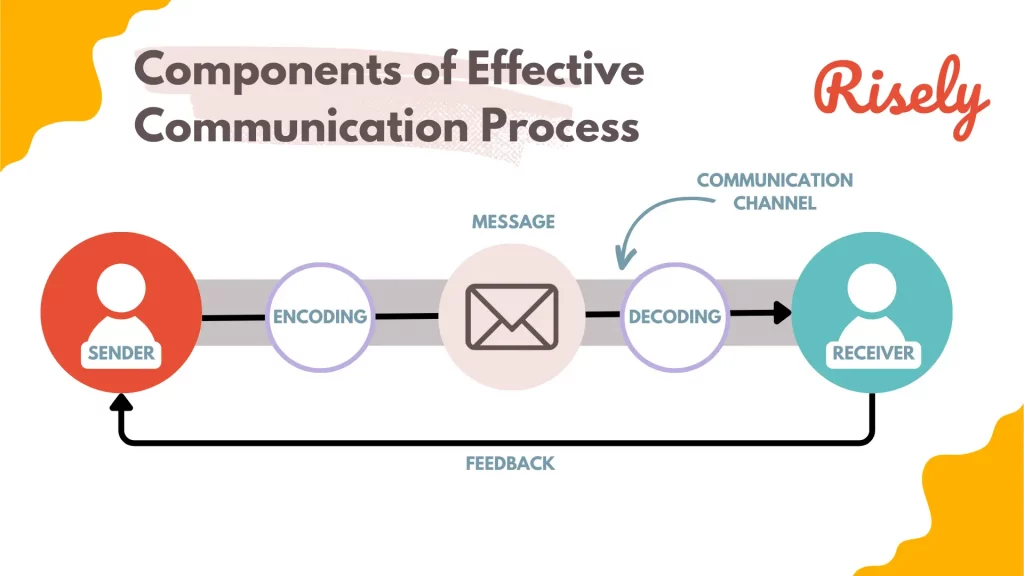
Effective communication relies not only on clear articulation but also on understanding and respecting the diverse perspectives of others. Communication barriers, whether stemming from cultural nuances, language differences, or personal biases, can significantly hinder the exchange of ideas and create misunderstandings. Overcoming these obstacles is crucial for building strong relationships and fostering productive collaborations.Effective communication transcends the spoken word; it involves actively listening, understanding non-verbal cues, and recognizing diverse perspectives.
By understanding the nature of these barriers and implementing appropriate strategies, individuals and organizations can significantly improve their communication effectiveness.
Common Communication Barriers
Communication breakdowns often arise from unforeseen obstacles. Recognizing these barriers is the first step towards finding effective solutions. Cultural differences, language barriers, and personal biases are prominent examples of these obstacles.
- Cultural Differences: Different cultures possess varying communication styles, including differing levels of directness, formality, and nonverbal cues. For instance, direct communication valued in some cultures might be perceived as rude in others. Similarly, eye contact, gestures, and personal space expectations vary greatly across cultures.
- Language Barriers: When individuals do not share a common language, misunderstandings can easily arise. Even within the same language, dialects and accents can create difficulties in comprehension.
- Personal Biases: Preconceived notions and judgments can lead to biased interpretations of messages, hindering effective communication. These biases can stem from various factors, including personal experiences, stereotypes, and prejudices.
Strategies for Overcoming Communication Barriers
Addressing these barriers requires proactive strategies and a commitment to understanding diverse perspectives. By adopting a mindful approach, individuals can foster more productive and respectful interactions.
- Cultural Sensitivity Training: Educating oneself about different cultures can foster empathy and understanding. This includes learning about communication styles, values, and customs.
- Active Listening and Interpretation: Paying close attention to both verbal and nonverbal cues, while acknowledging and respecting diverse interpretations, is paramount. This involves asking clarifying questions and seeking confirmation of understanding.
- Employing Language Tools: Utilizing translation services, interpreters, or language learning resources can bridge language gaps. Simple gestures and visual aids can also aid comprehension.
- Recognizing and Managing Biases: Being aware of one’s own biases is a crucial step towards overcoming them. Actively seeking out diverse perspectives and challenging preconceived notions fosters objectivity.
Importance of Diverse Perspectives
Understanding and respecting diverse perspectives are fundamental to effective communication. Recognizing that different backgrounds and experiences shape interpretations of information is critical.
- Enhanced Problem Solving: Diverse viewpoints often lead to more creative and comprehensive solutions to problems. By considering different angles, individuals can arrive at more well-rounded and effective solutions.
- Stronger Relationships: Respect for diverse perspectives fosters empathy and understanding, ultimately leading to stronger relationships and more collaborative environments.
- Improved Decision Making: Incorporating a range of perspectives into decision-making processes often leads to better outcomes, as diverse viewpoints can identify potential risks and uncover unforeseen consequences.
Examples of Cultural Sensitivity in Communication
Cultural sensitivity is demonstrated in various ways. Consider these examples:
- Adapting Communication Style: A business professional from a formal culture might modify their communication style to be more approachable when interacting with someone from a less formal culture.
- Recognizing Nonverbal Cues: A manager who understands that direct eye contact may be inappropriate in some cultures will avoid misinterpreting this behavior.
- Avoiding Stereotypes: By consciously avoiding stereotypes, a person can engage with individuals from different backgrounds without preconceived notions.
Technology and Communication
Technology has fundamentally reshaped the landscape of modern communication, impacting not only the speed and reach of messages but also the very nature of interactions. From instant messaging to video conferencing, digital tools have created new avenues for connecting with others across geographical boundaries and time zones. This constant evolution necessitates a critical understanding of how technology can both enhance and impede communication effectiveness.The ubiquity of technology presents a double-edged sword.
While it can facilitate rapid and widespread communication, it also carries the risk of misinterpretations, reduced empathy, and a loss of the nuanced aspects of face-to-face interaction. Effective communication in the digital age demands a conscious effort to leverage technology’s potential while mitigating its pitfalls.
The Role of Technology in Modern Communication
Technology plays a multifaceted role in contemporary communication. It streamlines information sharing, facilitates global collaboration, and enables real-time interaction. The ease of access to diverse information sources and communication platforms has broadened the scope of human connection.
Examples of Technology Enhancing Communication
Technology significantly enhances communication in various ways. Video conferencing platforms, for instance, allow geographically dispersed teams to collaborate seamlessly, fostering a sense of presence and shared experience. Instant messaging facilitates quick responses and real-time feedback, crucial for maintaining momentum in projects and interactions. Social media platforms provide channels for broader communication, facilitating networking and building communities around shared interests.
Examples of Technology Hindering Communication
Technology can hinder communication effectiveness if not used judiciously. The brevity often required by digital communication can lead to misunderstandings and a loss of the nuanced context of spoken or written interactions. Over-reliance on abbreviations and emojis can also detract from clarity and professionalism. The constant barrage of notifications and distractions from various digital channels can disrupt focus and impede effective communication.
Best Practices for Using Technology to Communicate Effectively
Maintaining clear and concise communication is paramount when utilizing technology. Avoid ambiguity and ensure that the message’s intent is unambiguous. Choose the appropriate communication channel for the message’s context and urgency. Be mindful of cultural nuances and diverse perspectives when communicating digitally. Always be respectful of the recipient’s time and avoid overwhelming them with information.
Leveraging Technology for Improved Communication Outcomes
To leverage technology effectively for improved communication outcomes, one should cultivate a conscious approach to the digital tools at their disposal. Prioritize clear and concise messaging. Ensure proper channel selection. Be aware of potential misinterpretations and address them promptly. Promote active listening in digital exchanges and strive to foster a sense of empathy and understanding.
Actively encourage feedback and provide opportunities for clarification.
Practice and Improvement
Consistent practice is paramount to developing and refining communication skills. Just as any other skill, communication requires dedicated effort and repetition to achieve mastery. Regular engagement in various communication scenarios, combined with a proactive approach to identifying areas for improvement, significantly enhances proficiency.
The Importance of Consistent Practice
Effective communication is not a one-time achievement; it’s a continuous process of learning, adapting, and refining. Regular practice allows individuals to develop fluency, confidence, and adaptability in diverse communication settings. It helps internalize best practices, allowing for more natural and effective interactions. This sustained effort strengthens the neural pathways associated with communication, making it easier to convey ideas clearly and confidently.
Methods for Practicing Communication Skills
Engaging in various communication activities is crucial for consistent improvement. These practices can take place in both formal and informal settings.
- Role-Playing Exercises: Participating in role-playing scenarios provides a safe environment to practice different communication styles and reactions. Role-playing allows individuals to rehearse difficult conversations, build confidence in handling challenging situations, and refine their responses to various communication styles.
- Mock Presentations and Speeches: Preparing and delivering mock presentations or speeches, whether in front of peers or a recording, is invaluable. This allows for practice in structuring arguments, conveying information clearly, and maintaining audience engagement. Feedback from others on presentation style and content can be invaluable.
- Active Listening Practice: Engage in conversations with a focus on truly understanding the other person’s perspective. Practice paraphrasing, asking clarifying questions, and reflecting back the speaker’s emotions. Record yourself in these interactions to identify areas for improvement in active listening techniques.
- Journaling and Self-Reflection: Regular journaling about communication experiences, identifying successes and areas needing improvement, can lead to significant insights. This self-reflection is a critical component in personal growth and development.
Identifying Areas for Improvement and Tailoring Strategies
Recognizing weaknesses and tailoring strategies for improvement is essential for growth. Self-assessment is key.
- Self-Assessment Tools: Utilize self-assessment questionnaires and tools designed to identify communication strengths and weaknesses. These tools can highlight areas requiring more attention and focus.
- Seeking Feedback: Actively solicit feedback from trusted colleagues, mentors, or friends on specific communication interactions. Be open to constructive criticism and use this feedback to refine communication strategies.
- Analyzing Past Interactions: Review past communication encounters, identifying patterns of successful and unsuccessful interactions. Analyze the specific elements contributing to positive and negative outcomes to refine communication approaches.
- Targeted Practice: Based on the identified areas for improvement, focus practice on these specific skills. For instance, if active listening is a weakness, dedicate time to practicing paraphrasing and asking clarifying questions in real-life conversations.
Resources and Tools for Ongoing Practice
Numerous resources and tools can support ongoing communication skill development.
- Online Courses and Workshops: Many online platforms offer courses and workshops on communication skills. These resources can provide structured learning experiences and practical exercises.
- Books and Articles: Numerous books and articles explore various aspects of communication. These resources can offer valuable insights and techniques to enhance communication proficiency.
- Mentorship Programs: Seek mentorship from experienced communicators who can provide guidance and support throughout the learning process.
- Communication Communities: Join online or offline communities focused on communication. These communities offer opportunities for interaction, feedback, and shared learning experiences.
Epilogue
In conclusion, mastering communication is a continuous process that demands consistent practice and a willingness to adapt. By understanding different communication styles, refining active listening skills, and paying attention to nonverbal cues, you can significantly improve your interactions. This guide has provided a structured approach to crafting clear messages, building trust, resolving conflicts, and giving and receiving constructive feedback.
Remember, effective communication is a skill that evolves with practice and a commitment to understanding others.