Exam season can be a period of significant stress for students of all ages. This comprehensive guide provides practical strategies to navigate the challenges of exam preparation and performance. We’ll explore the root causes of exam stress, offering effective time management techniques and stress-reduction strategies. The guide also highlights the importance of building a strong support system and developing long-term well-being strategies.
From understanding the physiological and psychological effects of exam stress to mastering exam-day strategies, this guide equips you with the tools and knowledge to approach exams with confidence and resilience. We’ll delve into various methods for managing stress, including relaxation techniques, mindfulness practices, and healthy coping mechanisms. We also emphasize the significance of a balanced lifestyle and a supportive network to effectively handle the pressures of exam season.
Understanding Exam Stress
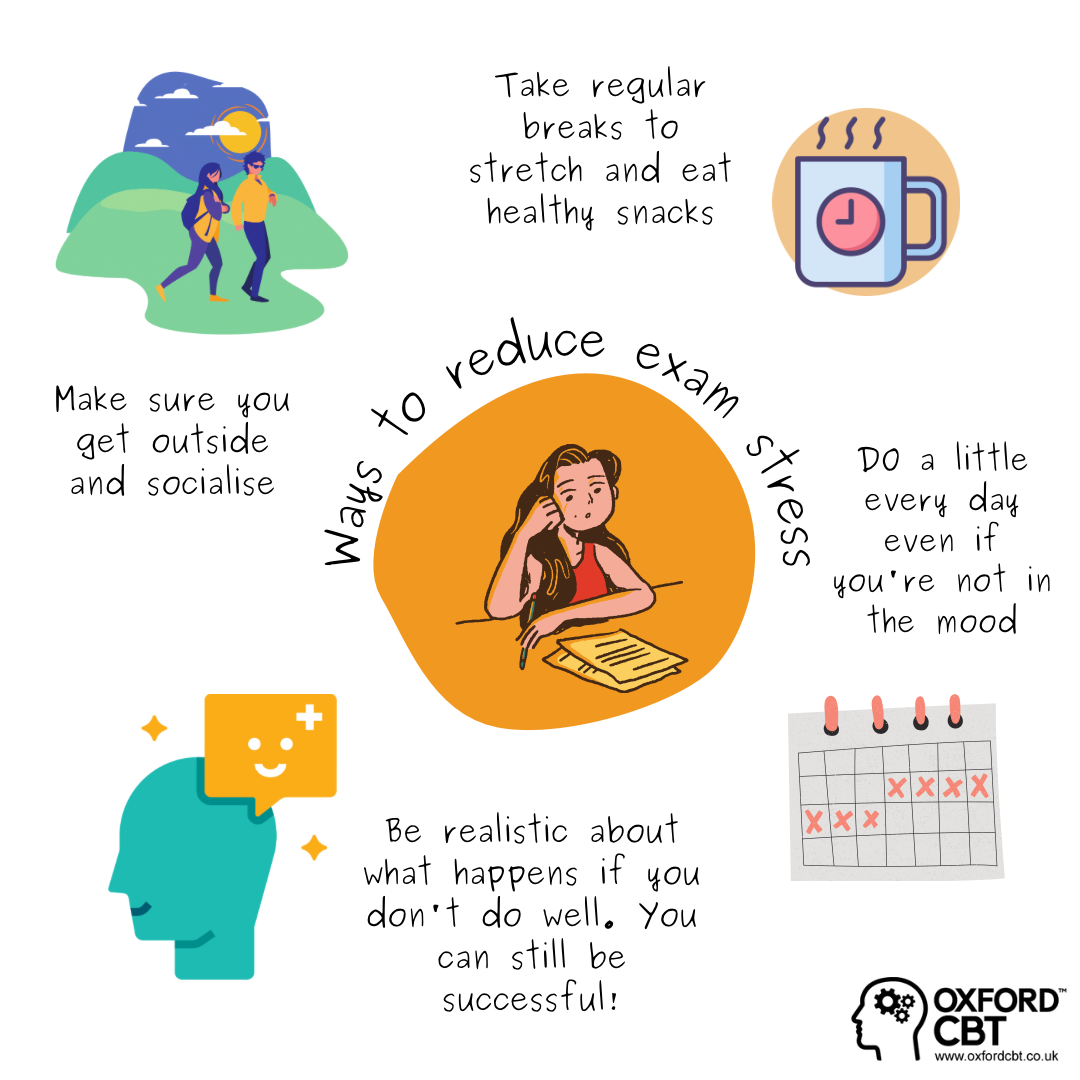
Exam stress is a common experience for students of all ages and academic levels. It’s a multifaceted issue that impacts both mental and physical well-being. Recognizing the various facets of exam stress, from its physiological and psychological effects to its root causes and symptoms, is crucial for developing effective coping mechanisms. This section will delve into the nature of exam stress, providing insights into its different forms and impact on students.Exam stress is a complex phenomenon resulting from a combination of factors.
The pressure to perform well, the fear of failure, and the anticipation of evaluation can trigger a cascade of physiological and psychological responses. These responses, while often temporary, can significantly impact a student’s ability to study, concentrate, and perform during exams.
Physiological and Psychological Effects
Exam stress can manifest in both physiological and psychological ways. Physiological responses often include increased heart rate, elevated blood pressure, muscle tension, and headaches. These physical symptoms can arise from the body’s natural “fight-or-flight” response triggered by perceived threat. Psychologically, exam stress can lead to anxiety, fear, feelings of inadequacy, and even depression. The pressure to succeed can create a sense of overwhelm and distress.
These emotional responses can significantly impact a student’s mental health and academic performance.
Types of Exam Stress
Exam stress can take various forms, each contributing to the overall experience. Understanding these different types can help students identify their specific stressors and develop targeted strategies for managing them.
- Time Pressure: The feeling of not having enough time to complete the exam or prepare adequately is a common source of stress. This often stems from an inadequate study schedule or misjudging the time required for different sections of the exam.
- Fear of Failure: The anticipation of not meeting expectations or failing the exam can induce significant anxiety and stress. This fear can stem from past experiences, self-doubt, or unrealistic expectations.
- Perfectionism: The desire for flawless performance can lead to excessive pressure and stress. Students who strive for perfection often experience heightened anxiety when they perceive even minor shortcomings.
- Uncertainty about the Exam Content: Lack of clarity about the exam’s scope or format can create stress and anxiety. Students may worry about being unprepared or not understanding the material sufficiently.
Common Symptoms of Exam Stress
Exam stress can manifest in a variety of ways. Identifying these symptoms is crucial for early intervention and effective management.
- Anxiety: A common symptom, characterized by feelings of worry, nervousness, and unease.
- Sleep Problems: Difficulty falling asleep, staying asleep, or experiencing restless sleep are frequently reported.
- Difficulty Concentrating: The inability to focus on studying or exam preparation due to heightened anxiety and stress.
- Physical Symptoms: These may include headaches, stomachaches, and muscle tension.
- Changes in Appetite: Some students may experience an increase or decrease in appetite during stressful periods.
Root Causes of Exam Stress in Students
Exam stress often stems from several intertwined factors. Understanding these root causes can provide a more holistic approach to managing exam-related stress.
- Academic Pressure: High expectations from teachers, parents, and peers can place significant pressure on students.
- Fear of Judgement: Students may feel judged or evaluated by others, leading to anxiety and stress.
- Lack of Preparation: Inadequate study habits or a lack of understanding of the material can significantly contribute to exam stress.
- Personal Issues: Stressors outside of the academic realm, such as family problems or personal relationships, can also exacerbate exam stress.
Impact on Different Age Groups
The effects of exam stress can vary significantly across different age groups. This table highlights some of the differences in the manifestation and coping mechanisms of students at various stages of their academic journey.
| Age Group | Physiological Effects | Psychological Effects | Coping Mechanisms |
|---|---|---|---|
| Elementary School | Increased heart rate, sleep disturbances | Anxiety, fear, difficulty concentrating | Encouragement, support from teachers and parents, relaxation techniques |
| Secondary School | Muscle tension, headaches, changes in appetite | Depression, self-doubt, social anxiety | Time management skills, stress-reducing activities, seeking professional help |
| Tertiary Education | Elevated blood pressure, insomnia | Overwhelm, perfectionism, procrastination | Study groups, academic counseling, mindfulness techniques |
Exam Preparation Strategies
Effective exam preparation is crucial for success. A well-structured approach, encompassing time management, diverse study methods, and a supportive environment, can significantly reduce stress and enhance understanding. This section provides practical strategies to optimize your preparation.Exam preparation is more than just cramming; it involves a strategic approach to learning and remembering information. By adopting efficient techniques and creating a personalized study plan, you can approach exams with confidence and achieve your academic goals.
Time Management Techniques
Effective time management is paramount for successful exam preparation. A well-organized schedule allows you to allocate sufficient time for each subject and avoid last-minute cramming.
- Create a realistic study timetable:
- Break down large tasks into smaller, manageable chunks:
- Utilize time-blocking techniques:
- Employ the Pomodoro Technique:
This involves scheduling specific time slots for different subjects, factoring in study breaks, and prioritizing tasks. A realistic timetable considers your existing commitments and allows for flexibility.
Tackling extensive study materials in manageable portions prevents overwhelm and promotes consistent progress. This approach also allows for regular review and reinforcement.
Allocate specific time blocks for different tasks. This helps maintain focus and prevents procrastination.
The Pomodoro Technique involves focused work periods (e.g., 25 minutes) followed by short breaks. This method helps maintain concentration and prevent burnout.
Study Methods and Strategies
Various study methods can enhance learning and memory retention. The best approach often depends on the subject matter and your individual learning style.
- Active Recall:
- Spaced Repetition:
- Elaboration:
- Mind Mapping:
Actively retrieving information from memory, rather than passively rereading, strengthens memory. This method involves testing yourself on the material without looking at the notes.
Reviewing material at increasing intervals strengthens long-term memory. This technique ensures that knowledge is consistently reinforced over time.
Connecting new information to existing knowledge and creating meaningful associations enhances understanding and memory. Think of examples or analogies to solidify concepts.
Visualizing connections between ideas through a diagram can aid in understanding complex topics and recall.
Personalized Study Schedule
A personalized study schedule is tailored to individual needs and preferences.
- Identify your strengths and weaknesses:
- Analyze the exam syllabus:
- Set realistic goals and break them down into smaller tasks:
- Schedule regular breaks and relaxation activities:
- Track your progress and adjust your schedule as needed:
Understanding your strengths and weaknesses in each subject helps you allocate time effectively.
Thoroughly reviewing the syllabus allows you to prioritize topics based on their importance and weighting in the exam.
Establish manageable daily or weekly goals to avoid feeling overwhelmed. Break down large tasks into smaller, more achievable sub-tasks.
Incorporating breaks into your schedule prevents burnout and promotes better concentration. These breaks can include short walks, listening to music, or other relaxation techniques.
Regularly reviewing your progress and making adjustments to your schedule allows for flexibility and ensures you stay on track.
Resources for Exam Preparation
Numerous resources are available to support your exam preparation.
- Textbooks and course materials:
- Online learning platforms:
- Study groups:
- Tutoring services:
- Past exam papers and solutions:
These are essential resources for in-depth understanding and comprehensive coverage of the material.
Online platforms offer supplementary materials, practice quizzes, and interactive exercises.
Collaborating with peers in study groups can provide different perspectives, enhance understanding, and facilitate peer-to-peer learning.
Individual tutoring can provide personalized guidance and address specific learning needs.
Practicing with past exam papers allows you to familiarize yourself with the exam format and identify potential areas for improvement.
Study Environments and Focus
The environment significantly impacts focus and concentration.
- Dedicated study space:
- Minimize distractions:
- Optimize lighting and comfort:
- Consider different settings:
A designated study area free from distractions can foster concentration and improve productivity.
Minimize distractions such as noise, social media, or other interruptions.
Ensure adequate lighting and a comfortable seating arrangement to enhance focus.
Experiment with different study locations to find the one that best supports your focus.
Active Recall Techniques
Active recall techniques enhance memory and understanding.
- Flashcards:
- Self-testing:
- Teach someone else:
- Retrieval practice:
Flashcards can be used to actively recall information by testing yourself on the material.
Regular self-testing using practice questions, quizzes, or summaries is a valuable active recall technique.
Explaining concepts to another person strengthens your understanding and helps identify areas where further review is needed.
Retrieve information from memory without looking at notes or resources.
Stress Management Techniques
Exam stress can significantly impact academic performance and overall well-being. Effective stress management is crucial for navigating this challenging period successfully. Implementing healthy coping mechanisms allows students to approach exams with a clear mind and a positive attitude, ultimately leading to better results.Developing a toolkit of stress-reduction strategies is essential. These techniques, when practiced consistently, can empower students to manage stress effectively, promoting a sense of control and well-being during the exam period.
Proactive strategies can help students feel more prepared and less overwhelmed.
Relaxation Techniques
Relaxation techniques are vital tools for reducing exam-related stress. These techniques promote physical and mental calmness, allowing students to approach exams with a clearer mind. Deep breathing exercises and progressive muscle relaxation are examples of effective relaxation techniques.
- Deep Breathing Exercises: These techniques involve focusing on slow, controlled breaths to regulate the body’s physiological response to stress. Inhaling deeply and exhaling slowly can calm the nervous system, reducing anxiety and promoting a sense of relaxation. Deep breathing helps slow down the heart rate and lower blood pressure, which are common physiological responses to stress. Practice slow, deep breaths for several minutes to experience their calming effects.
- Progressive Muscle Relaxation: This technique involves systematically tensing and relaxing different muscle groups in the body. By consciously tensing and releasing muscle tension, individuals can become more aware of physical sensations associated with stress and learn to release those tensions. This technique helps identify and release physical manifestations of stress, promoting a sense of calm and control.
Mindfulness and Meditation Practices
Mindfulness and meditation practices can significantly reduce exam stress by promoting mental clarity and emotional regulation. These practices encourage present-moment awareness, enabling students to detach from anxious thoughts and cultivate a sense of calm.
- Mindfulness: Mindfulness involves paying attention to the present moment without judgment. Practicing mindfulness during exam preparation can help students focus on the task at hand and avoid dwelling on anxieties or negative thoughts. This practice fosters a greater awareness of thoughts and feelings without getting carried away by them. Mindfulness techniques can help reduce racing thoughts and enhance concentration.
- Meditation: Meditation is a practice of training the mind to focus and quiet the inner chatter. Regular meditation practice can cultivate a sense of inner peace and stability, making it easier to manage exam-related stress. Meditation techniques can help reduce stress hormones and promote emotional regulation.
Managing Negative Thoughts and Self-Doubt
Negative thoughts and self-doubt can significantly exacerbate exam stress. Identifying and challenging these negative thought patterns is a crucial step in managing stress. Cognitive restructuring techniques can help students reframe negative thoughts into more positive and realistic ones.
- Cognitive Restructuring: This technique involves identifying and challenging negative thought patterns, replacing them with more positive and realistic ones. By recognizing and reframing negative thoughts, students can cultivate a more positive and productive mindset, improving their confidence and resilience. Example: Instead of thinking “I’m going to fail this exam,” students can reframe this to “I’m preparing diligently and I’m confident in my abilities.” This approach fosters a more constructive outlook.
Healthy Coping Mechanisms
Healthy coping mechanisms can significantly help in managing exam stress. These mechanisms should be actively sought out to mitigate the negative impacts of stress and promote well-being. Activities like engaging in hobbies, spending time with loved ones, and maintaining a balanced lifestyle are all examples of healthy coping mechanisms.
- Engaging in Hobbies: Engaging in hobbies provides a welcome distraction from exam stress. Hobbies can be a healthy outlet for emotions and a source of enjoyment and relaxation, helping students de-stress and recharge.
- Spending Time with Loved Ones: Connecting with loved ones can offer emotional support and a sense of belonging. This can be a crucial source of comfort and strength during stressful periods. Maintaining strong social connections can help buffer the impact of stress.
Maintaining a Balanced Lifestyle
Maintaining a balanced lifestyle is crucial for managing exam stress. Adequate sleep, a nutritious diet, and regular exercise contribute significantly to physical and mental well-being. This holistic approach to well-being enhances resilience and reduces the impact of stress.
- Sufficient Sleep: Getting enough sleep is essential for cognitive function, mood regulation, and overall well-being. Adequate sleep improves concentration, memory, and problem-solving skills, all of which are crucial during exam preparation.
- Nutritious Diet: A balanced diet provides the necessary nutrients for optimal brain function and energy levels. Nourishing the body with healthy foods can contribute to reduced stress and improved mental clarity.
- Regular Exercise: Physical activity can help reduce stress hormones and improve mood. Regular exercise can help students manage stress effectively and improve their overall well-being.
Stress-Reduction Techniques and Effectiveness
| Technique | Effectiveness | Description |
|---|---|---|
| Deep Breathing | High | Regulates the body’s physiological response to stress. |
| Progressive Muscle Relaxation | Moderate to High | Releases physical tension associated with stress. |
| Mindfulness Meditation | High | Promotes present-moment awareness and emotional regulation. |
| Cognitive Restructuring | High | Challenges and reframes negative thought patterns. |
| Engaging in Hobbies | Moderate | Provides a healthy distraction from stress. |
Building a Support System

Navigating exam stress effectively often requires more than individual strategies. A strong support system plays a crucial role in bolstering resilience and promoting a sense of well-being during this demanding period. Students who feel supported are better equipped to manage their anxieties and focus on their academic goals.Building a supportive network can significantly mitigate the negative impact of exam stress.
This network encompasses a range of individuals, from teachers and mentors to family members and peers. Cultivating these connections provides a safety net for students to lean on during challenging times.
Importance of Seeking Support from Teachers, Mentors, and Family
Teachers and mentors are valuable resources due to their understanding of the academic demands and the student’s individual learning style. They can offer guidance on time management, study strategies, and provide clarity on course material. Family members, too, can offer emotional support and practical assistance, such as helping with household chores or creating a conducive study environment. Open communication with teachers about academic concerns is crucial for addressing potential difficulties promptly.
Parents and family members can often act as a crucial sounding board for stress and concerns, fostering a strong support structure.
Connecting with Peers Facing Similar Challenges
Sharing experiences with peers who are also facing exam stress can be incredibly beneficial. Students often find comfort and validation in knowing they are not alone in their struggles. This shared understanding can reduce feelings of isolation and promote empathy.
Benefits of Joining Study Groups or Support Networks
Study groups offer a collaborative learning environment where students can exchange ideas, clarify concepts, and motivate each other. These groups provide opportunities for peer-to-peer support and knowledge sharing, which can be instrumental in improving academic performance and reducing stress. Formal support networks, whether organized by schools or community organizations, provide a structured environment for students to receive guidance and support from professionals and peers.
Communicating Effectively with Teachers about Academic Concerns
Effective communication with teachers is essential for addressing any academic concerns proactively. Students should feel comfortable expressing their difficulties, asking for clarification on concepts, and requesting additional support. This open dialogue can lead to better understanding and improved academic outcomes. A clear and respectful communication style will foster a positive teacher-student relationship. Scheduling meetings or utilizing email to convey specific issues can also help.
Strategies for Building Resilience and Confidence in Students
Building resilience and confidence is vital for managing stress. Students should be encouraged to practice self-care activities, such as exercise, mindfulness, and healthy eating, to manage stress levels effectively. Recognizing and celebrating small successes, both academic and personal, can boost confidence and motivation. Encouraging students to set realistic goals, break down large tasks into smaller ones, and focusing on their strengths will also help to improve resilience.
Resources for Accessing Mental Health Support
Accessing mental health support is crucial for students experiencing significant stress. Schools often have counselors or psychologists who can provide confidential support and guidance. Community mental health centers and helplines can also offer professional assistance. Identifying and utilizing these resources is essential for addressing any mental health concerns that may arise during the exam period.
- School Counseling Services: Many schools have counselors available to provide individual or group counseling, stress management techniques, and resources for academic support.
- Community Mental Health Centers: These centers offer a wide range of mental health services, including therapy, counseling, and support groups, often at a lower cost or free of charge. They can provide professional guidance and support.
- National Helplines: Organizations like the Crisis Text Line and the National Suicide Prevention Lifeline offer confidential support through text messaging or phone calls, respectively. These helplines provide immediate support and guidance for individuals experiencing emotional distress.
- Online Resources: Websites and apps offer various mental health resources, including articles, self-assessment tools, and support groups. These platforms can provide accessible information and support.
Exam Day Strategies
Successfully navigating exam day requires a proactive and well-structured approach. This involves more than just memorization; it encompasses managing anxiety, maintaining focus, and strategically tackling questions. Effective time management is crucial, allowing you to complete the exam efficiently and confidently.Exam day is a culmination of preparation. The strategies Artikeld here are designed to help you approach the exam with a sense of calm and control, enabling you to perform to your best potential.
Remember, your success is not solely determined by the exam itself but also by how well you manage the associated stress and pressure.
Managing Anxiety on Exam Day
Exam anxiety is a common experience, but its impact can be mitigated. Recognizing and addressing anxious thoughts is key. Techniques like deep breathing exercises, progressive muscle relaxation, and mindfulness can effectively calm your nervous system. Visualizing success and recalling past successful experiences can also build confidence.
Staying Calm and Focused During the Exam
Maintaining focus during an exam can be challenging. Establish a routine before the exam that includes a healthy breakfast and a calming activity like a short walk. Creating a quiet study space, free from distractions, can also help. If you feel your concentration wavering, try a brief mental break, such as focusing on your breath or repeating a positive affirmation.
Remember, short breaks can significantly improve focus.
Approaching Questions Strategically
Effective question-solving involves a strategic approach. Carefully reading each question and understanding the instructions is essential. Break down complex questions into smaller, manageable parts. Start with the questions you find easiest to answer, then return to more challenging ones. Prioritize answering questions that you are confident in answering first.
This helps build confidence and momentum.
The Importance of Positive Self-Talk
Positive self-talk plays a vital role in managing exam stress. Replace negative thoughts with positive affirmations. For example, instead of thinking “I can’t do this,” try “I am prepared and I can succeed.” Emphasize your strengths and past accomplishments to reinforce your confidence.
Managing Time Effectively During the Exam
Time management is crucial on exam day. Review the exam instructions carefully to understand the allotted time per section and question. Allocate time strategically based on the difficulty of each question. If you find yourself spending too much time on one question, move on and return to it later if time permits.
Exam-Day Strategies for Different Exam Types
| Exam Type | Strategy Focus | Specific Techniques |
|---|---|---|
| Multiple Choice | Speed and accuracy | Quickly eliminate incorrect options, use process of elimination, and review your answers before submitting. |
| Essay | Organization and clarity | Plan your essay structure, use clear and concise language, and proofread carefully before submitting. |
| Practical/Lab | Following instructions and meticulousness | Carefully read and follow instructions, pay attention to details, and double-check your work before submitting. |
Long-Term Well-being

Maintaining a positive well-being trajectory after exams is crucial for long-term success and happiness. This phase is not just about the immediate future; it’s about setting a foundation for a healthy and fulfilling life. By developing sustainable habits and strategies, you can navigate future challenges with greater resilience and peace of mind.Building upon the foundations of effective exam preparation and stress management, this section focuses on ensuring a smooth transition into a post-exam life where well-being remains a priority.
This includes proactive strategies to prevent future exam stress, self-care practices, and building a supportive network.
Sustaining Healthy Habits Post-Exams
Maintaining healthy habits after exams is vital for long-term well-being. The intensity of the exam period often disrupts established routines, and returning to a balanced lifestyle is key. This includes establishing a consistent sleep schedule, regular meal times, and incorporating physical activity into your daily routine. These habits contribute to overall well-being and reduce the likelihood of future stress-related issues.
Strategies for Preventing Future Exam Stress
Proactive strategies for preventing future exam stress are essential. Learning from past experiences and proactively addressing potential stressors helps to mitigate anxiety. These strategies encompass planning ahead, developing effective time management skills, and building a strong support system. A crucial component involves recognizing personal stress triggers and developing coping mechanisms for future challenges.
The Significance of Self-Care in Managing Stress and Anxiety
Self-care is paramount in managing stress and anxiety. It involves recognizing individual needs and actively incorporating activities that promote relaxation and rejuvenation. This may include mindfulness practices, engaging in hobbies, spending time in nature, or pursuing creative outlets. Self-care is not a luxury but a necessity for maintaining emotional equilibrium and preventing future stress-related problems.
Activities Promoting Mental and Emotional Well-being
Numerous activities promote mental and emotional well-being. Engaging in hobbies, spending time in nature, pursuing creative endeavors, or practicing mindfulness can significantly contribute to overall well-being. These activities offer a much-needed respite from academic pressure, foster a sense of accomplishment, and reduce stress levels. For example, engaging in creative writing can help process emotions and provide an outlet for creative expression.
Similarly, spending time in nature can promote relaxation and improve mood.
Resources for Continuing Support After the Exam Period
Continuing support is essential for navigating the post-exam period smoothly. Seeking help from counselors, therapists, or support groups is a valuable step. These resources can provide guidance and support for managing stress and anxiety effectively. University counseling centers, community mental health organizations, and online support groups are often available.
Developing a Long-Term Plan for Managing Stress and Improving Well-being
Developing a long-term plan for managing stress and improving well-being is crucial. This involves setting realistic goals, identifying personal stress triggers, and establishing coping mechanisms. A detailed plan should include strategies for time management, relaxation techniques, and support systems. This plan should be adaptable and responsive to changing circumstances and individual needs.
Final Conclusion

In conclusion, effectively handling exam stress involves a multifaceted approach. By understanding the root causes, implementing effective preparation strategies, and utilizing stress management techniques, students can navigate the challenges of exam season with greater ease and confidence. Building a strong support system and prioritizing long-term well-being are crucial elements for success. This guide provides a roadmap for navigating exam stress, equipping you with the necessary tools for a positive and productive experience.