Staying properly hydrated is crucial for optimal energy levels, impacting everything from cellular function to athletic performance. This comprehensive guide explores the intricate relationship between hydration and energy production, providing practical strategies for maximizing your energy throughout the day. Understanding how different fluids affect your body and implementing personalized hydration plans will empower you to unlock your full energy potential.
This guide dives into the science behind hydration’s role in energy production, examining the impact of various hydration types on energy levels. We’ll explore hydration strategies for different activities and situations, from pre-workout routines to daily maintenance. Furthermore, we’ll address common hydration myths and misconceptions, ensuring you have the accurate information needed for healthy hydration habits.
Understanding Hydration’s Role in Energy Production
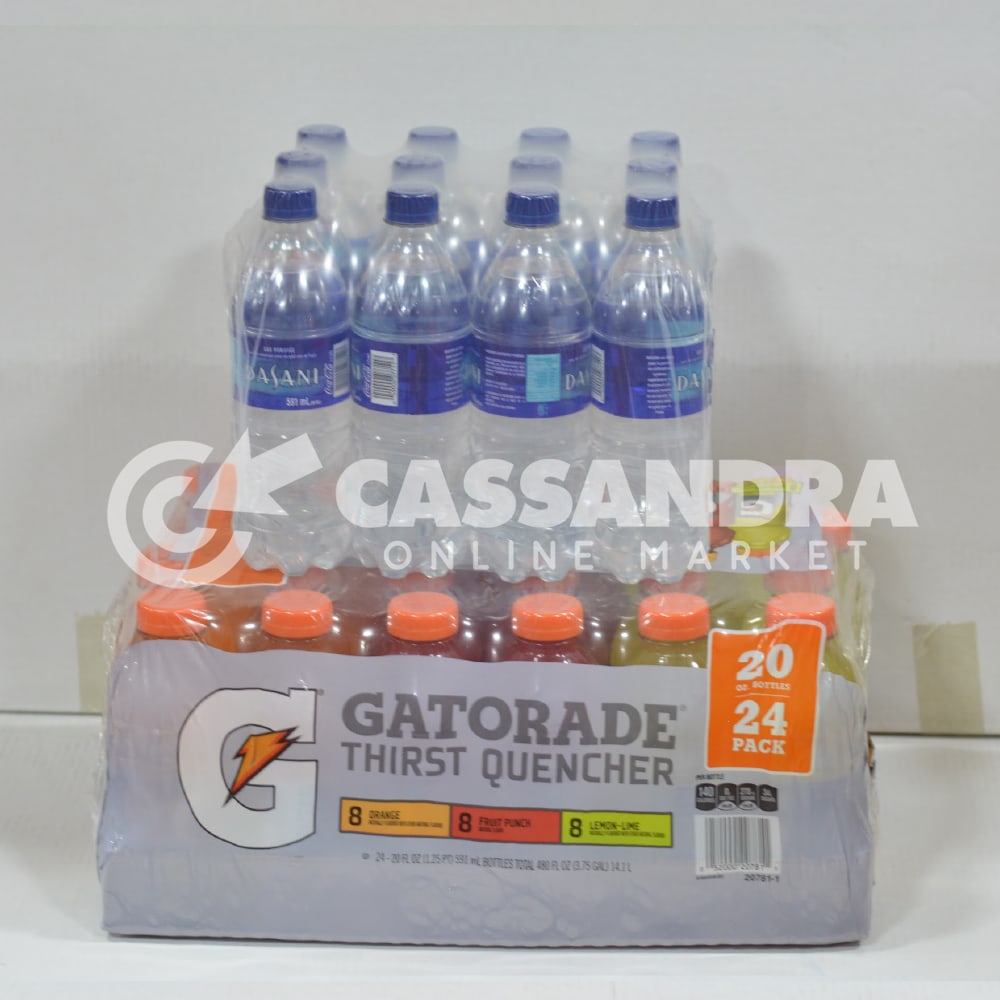
Hydration is crucial for optimal energy production within the body. Water plays a fundamental role in numerous biochemical processes, influencing cellular function and ultimately affecting energy levels. This section will delve into the intricate relationship between hydration and energy metabolism, highlighting the vital role water plays in various energy pathways.Cellular processes rely heavily on water as a solvent and a medium for chemical reactions.
Water facilitates the transport of nutrients, oxygen, and waste products throughout the body, supporting the cellular machinery that generates energy. Without adequate hydration, these processes can become compromised, leading to reduced energy production and overall diminished performance.
Impact of Hydration on Cellular Function
Water is essential for the proper functioning of cells, particularly in the crucial processes of energy production. It acts as a solvent, allowing for the transport and reaction of various molecules involved in cellular respiration. Enzymes, the catalysts for these reactions, require a specific aqueous environment to function optimally. Dehydration can disrupt this delicate balance, hindering enzyme activity and consequently affecting the rate of energy production.
Chemical Processes Involved in Energy Release
Energy is released through the breakdown of nutrients, primarily glucose, in a series of complex chemical reactions. Water is a crucial participant in these processes. Hydrolysis, a reaction that involves the addition of water molecules, is critical in breaking down complex molecules into simpler forms, releasing energy in the process. Furthermore, water is a byproduct of several key metabolic reactions, ensuring the body’s ongoing supply of energy.
For instance, the breakdown of ATP (adenosine triphosphate), the primary energy currency of the cell, involves the hydrolysis of one of its phosphate bonds, releasing energy and producing ADP (adenosine diphosphate) and inorganic phosphate.
ATP + H2O → ADP + Pi + Energy
Energy Metabolism Pathways Requiring Water
Numerous pathways in the body require water for efficient energy metabolism. Glycolysis, the initial breakdown of glucose, requires water to facilitate the chemical reactions. The Krebs cycle, also known as the citric acid cycle, relies on water for several crucial steps in the oxidation of acetyl-CoA. Electron transport chain, the final stage of cellular respiration, also depends on water to accept electrons and facilitate the production of ATP.
Connection Between Hydration and ATP Production
Adequate hydration directly influences the efficiency of ATP production. When the body is properly hydrated, the chemical reactions involved in ATP synthesis occur more smoothly and effectively. Dehydration, on the other hand, can hinder the availability of water required for these processes, leading to a reduction in ATP production. This reduced ATP production can result in fatigue and decreased performance.
Effects of Hydration on Energy Levels
The following table illustrates the impact of hydration levels on energy levels throughout the day, encompassing physical performance and cognitive function.
| Hydration Level | Energy Levels | Physical Performance | Cognitive Function |
|---|---|---|---|
| Dehydrated | Low | Reduced | Impaired |
| Adequate | High | Peak | Optimal |
| Overhydrated | Variable | Potentially Impaired | May be slightly affected |
Types of Hydration and Their Effects

Staying properly hydrated is crucial for optimal energy levels. Different fluids offer varying nutritional profiles and impact on electrolyte balance, affecting how your body utilizes energy. Understanding these distinctions allows you to make informed choices about hydration strategies that best support your energy needs.
Various Fluid Types and Their Impacts
A diverse range of fluids contribute to hydration, each with its own unique effects on energy. Water, sports drinks, juices, and milk all play different roles in replenishing fluids and providing nutrients. Understanding these differences is essential for maximizing the benefits of hydration for energy.
Nutritional Content and Electrolyte Balance Comparison
The nutritional makeup and electrolyte content of different hydration options significantly influence their energy-boosting potential. Water, being primarily composed of H₂O, offers minimal calories and electrolytes. Sports drinks, on the other hand, often contain electrolytes like sodium and potassium, along with carbohydrates to replenish energy stores. Juices provide vitamins and minerals, but their sugar content can vary widely.
Milk offers a combination of calcium, protein, and carbohydrates, contributing to a balanced nutritional intake. These differences in composition directly impact how effectively the body utilizes the fluids for energy production.
Benefits and Drawbacks of Hydration Types
Each hydration type offers distinct advantages and disadvantages regarding energy. Water is essential for bodily functions and maintaining proper hydration, but it lacks the immediate energy boost of other options. Sports drinks, with their added electrolytes and carbohydrates, provide a quick source of energy, especially during strenuous physical activity. However, they often contain significant amounts of sugar.
Juices, packed with vitamins and minerals, offer a natural source of hydration and nutrients, but their high sugar content can lead to a quick energy spike followed by a crash. Milk, with its protein and carbohydrates, provides sustained energy release, making it a suitable option for long-lasting energy.
Potential Energy-Boosting Benefits of Hydration Options
The table below summarizes the potential energy-boosting benefits of different hydration options, considering their nutritional content and electrolyte balance.
| Hydration Type | Nutritional Content | Electrolyte Balance | Energy Boost Potential |
|---|---|---|---|
| Water | Minimal | Neutral | Good |
| Sports Drinks | Electrolytes, Carbohydrates | High | Moderate |
| Juices | Vitamins, Minerals | Variable | Moderate |
| Milk | Calcium, Protein, Carbohydrates | High | Good |
Hydration Strategies for Enhanced Energy

Proper hydration is crucial for optimal energy levels, particularly during physical activity. Maintaining adequate fluid balance supports numerous bodily functions, including nutrient transport, temperature regulation, and muscle function. This section explores hydration strategies to maximize energy throughout the day, focusing on pre-workout, intra-workout, and post-workout hydration, alongside daily hydration schedules and adjustments for varying activity levels and climates.Understanding how hydration supports energy production is essential for effectively implementing a personalized hydration plan.
Hydration directly influences cellular function and the efficient use of energy stores. Dehydration can lead to fatigue, reduced performance, and impaired cognitive function.
Pre-Workout Hydration Strategies
Pre-workout hydration is a proactive approach to optimize energy levels during exercise. By ensuring adequate fluid intake before physical activity, you can minimize the risk of dehydration and maintain peak performance. A crucial aspect of pre-workout hydration is to establish a baseline hydration status prior to commencing your workout. This baseline should be maintained consistently to avoid unexpected drops in energy levels.
Aim to drink approximately 16-20 ounces of water 2-3 hours before exercise. This allows your body to absorb the fluids effectively and prevents an abrupt influx during the workout. Light meals and snacks should also be considered, as they aid in hydration absorption.
Intra-Workout Hydration Strategies
Intra-workout hydration is essential for maintaining energy levels during prolonged physical activity. The human body loses fluids through perspiration, and replenishing these fluids is vital to prevent dehydration and maintain optimal performance. Sip on water or sports drinks at regular intervals, approximately every 15-20 minutes, to maintain consistent hydration levels. Monitoring your thirst cues and adjusting your intake accordingly is crucial.
Pay attention to your body’s signals and drink when you feel thirsty. Sports drinks containing electrolytes can be beneficial, particularly for intense or prolonged workouts, to replenish electrolytes lost through sweat.
Post-Workout Hydration Strategies
Post-workout hydration is vital for replenishing fluids and electrolytes lost during exercise. Immediately following your workout, aim to drink water or a sports drink to replace fluids lost through sweat. The rate of hydration should match the rate of fluid loss. Consume 16-24 ounces of fluid within the first hour after your workout. This replenishes lost fluids and aids in muscle recovery.
Consider a sports drink containing electrolytes if you have experienced intense or prolonged exercise.
Ideal Hydration Schedule for Maintaining Optimal Energy Levels Throughout the Day
Maintaining a consistent hydration schedule throughout the day is essential for sustained energy levels. Drinking water regularly, even when not actively engaged in physical activity, is vital for overall health and well-being. The amount of water needed varies based on individual factors such as activity level, climate, and diet. Try to consume water at regular intervals throughout the day.
Include water in your meals and snacks.
Step-by-Step Guide for Implementing a Hydration Plan for Improved Energy
Implementing a hydration plan is a step-by-step process. Firstly, assess your current hydration habits. Secondly, determine your daily fluid needs based on your activity level and climate. Thirdly, set realistic hydration goals and create a schedule to meet these goals. Regularly monitor your intake and adjust your plan as needed.
Use a water bottle or tracking app to monitor intake. Finally, incorporate water into your daily routine.
Adjusting Hydration Intake Based on Activity Level and Climate
Hydration needs vary based on activity level and climate. Individuals with higher activity levels, especially during intense or prolonged exercise, require increased fluid intake. Warmer climates also increase fluid loss through perspiration, requiring a higher intake. Use a hydration calculator to determine your personalized needs based on your activity level and climate. Adjust your intake accordingly to maintain optimal hydration.
Consider using sports drinks in warmer climates or during strenuous workouts to replenish electrolytes.
Sample Hydration Schedule for a Moderate-Intensity Workout
This sample schedule is designed for a moderate-intensity workout.
| Time | Activity | Hydration Recommendation |
|---|---|---|
| 2 hours before workout | Light activity, meal | 16-20 ounces of water |
| During workout | Moderate-intensity exercise | Sip water every 15-20 minutes |
| Immediately after workout | Cool-down, recovery | 16-24 ounces of water or sports drink |
| Throughout the day | Regular activities | Maintain consistent hydration throughout the day |
Hydration and Specific Energy Needs
Staying properly hydrated is crucial for maintaining optimal energy levels, but individual needs vary significantly. Factors like age, activity level, and even the time of year all influence how much water our bodies require. Understanding these nuances allows us to tailor our hydration strategies for maximum energy throughout our daily lives.Individual hydration requirements are not a one-size-fits-all solution.
The impact of age, gender, activity level, and external factors like climate all contribute to the dynamic nature of our daily hydration needs. This section will delve into the specific considerations for various populations, outlining how hydration needs adjust across different demographics and circumstances.
Impact of Age, Gender, and Activity Level
Age, gender, and activity level are significant determinants of hydration needs. Children, for instance, require different amounts of hydration compared to adults and seniors due to their varying metabolic rates and activity levels. Similarly, individuals engaged in intense physical activity necessitate higher fluid intake than those leading sedentary lives. Gender also plays a role, although the difference is typically minor.
Seasonal Variations in Hydration Needs
Environmental factors, such as temperature and humidity, significantly impact our hydration needs. During warmer months, the body loses more water through perspiration, thus increasing the need for hydration. Conversely, in colder weather, fluid intake might be slightly less, but maintaining adequate hydration remains essential.
Unique Hydration Requirements for Specific Groups
Certain individuals have unique hydration needs. Pregnant women require increased fluid intake to support the growing fetus and maintain their own hydration levels. Athletes, due to the significant water loss through sweat during prolonged or intense exercise, need to consume more fluids than the average person. Proper hydration is paramount for maintaining peak performance. Furthermore, individuals with certain medical conditions may have specific hydration recommendations from their healthcare providers.
Calculating Individual Hydration Needs
A simple method for calculating individual hydration needs considers activity levels and body weight. A general guideline is to consume approximately 30 ml of water per kilogram of body weight per day. For individuals engaging in strenuous physical activity, this calculation should be adjusted upwards. This estimation should not be a substitute for personalized recommendations from a healthcare professional.
For example, an individual weighing 70 kg and participating in moderate exercise may require around 2.1 liters of water daily.
A general guideline is 30 ml of water per kilogram of body weight per day.
Hydration Needs by Age Group
The table below provides a general overview of hydration needs across different age groups. It’s crucial to remember that these are estimations and individual needs may vary based on activity levels and other factors.
| Age Group | Hydration Needs (L/day) | Activity Level | Notes |
|---|---|---|---|
| Children (6-12) | 1.5-2.0 | Varies | Growing bodies require adequate hydration for development. |
| Adults (18-65) | 2.0-2.7 | Varies | This range covers the majority of adults, but individual needs may differ. |
| Seniors (65+) | 1.7-2.0 | Varies | Aging bodies may have reduced thirst signals, requiring mindful hydration. |
Hydration Myths and Misconceptions
Proper hydration is crucial for optimal energy levels and overall well-being. However, several misconceptions surrounding hydration persist, often leading to suboptimal intake and potential health concerns. Understanding these myths and replacing them with accurate information is key to establishing healthy hydration habits.Many believe that consuming large amounts of fluids is always beneficial, but this is not always the case.
Overhydration, while less common than dehydration, can pose serious health risks. This section will clarify common hydration myths and emphasize the importance of finding the right balance for individual needs.
Common Hydration Myths
Misconceptions about hydration often stem from a lack of understanding about the body’s needs and how much water it actually requires. These myths can lead to excessive or insufficient fluid intake, both of which can negatively impact energy levels and health.
- Myth: Drinking excessive amounts of water before, during, and after exercise is always beneficial.
- Reality: While staying hydrated is essential during physical activity, excessive water intake can lead to hyponatremia, a potentially dangerous condition where sodium levels in the blood become dangerously low. Individual needs vary, and proper hydration strategies should be tailored to the duration and intensity of the exercise, as well as the individual’s sweat rate.
- Myth: Thirst is the primary indicator of hydration status.
- Reality: Thirst is a late-stage sign of dehydration. By the time you feel thirsty, your body is already somewhat dehydrated. It’s more effective to proactively maintain hydration throughout the day to prevent dehydration and maintain optimal energy levels.
- Myth: All fluids are created equal for hydration.
- Reality: While water is the most effective and essential fluid for hydration, other beverages like sports drinks and juice can contribute to hydration. However, the composition of these beverages can vary, influencing their suitability for specific situations, like intense exercise, where electrolyte replacement is vital.
Avoiding Overhydration
While dehydration is a more common concern, overhydration, or water intoxication, is also a potential health risk. It occurs when the body absorbs excessive amounts of water, leading to an imbalance of electrolytes, particularly sodium.
- Potential Risks: Overhydration can cause swelling in the brain, leading to severe neurological symptoms, including confusion, headache, seizures, and even coma. It can also lead to a disruption of bodily functions and electrolyte imbalances.
- Prevention Strategies: Individuals should listen to their body’s signals and adjust fluid intake based on their activity level, environment, and overall health. Excessive consumption of water should be avoided. Proper hydration strategies should be personalized based on individual needs and activities.
Evidence-Based Hydration Practices
Accurate information on hydration is vital for maintaining energy levels and overall well-being. By dispelling myths and promoting evidence-based practices, individuals can make informed decisions about their hydration habits.
- Importance of Electrolytes: Electrolytes like sodium, potassium, and magnesium play a critical role in fluid balance and nerve function. During intense physical activity, these electrolytes are lost through sweat, necessitating their replacement to prevent imbalances.
- Individualized Approach: Individual hydration needs vary based on factors like activity level, climate, and overall health. It is essential to listen to your body and adjust fluid intake accordingly. Maintaining a balanced approach to hydration, rather than adhering to rigid rules, is key to long-term health.
Summary
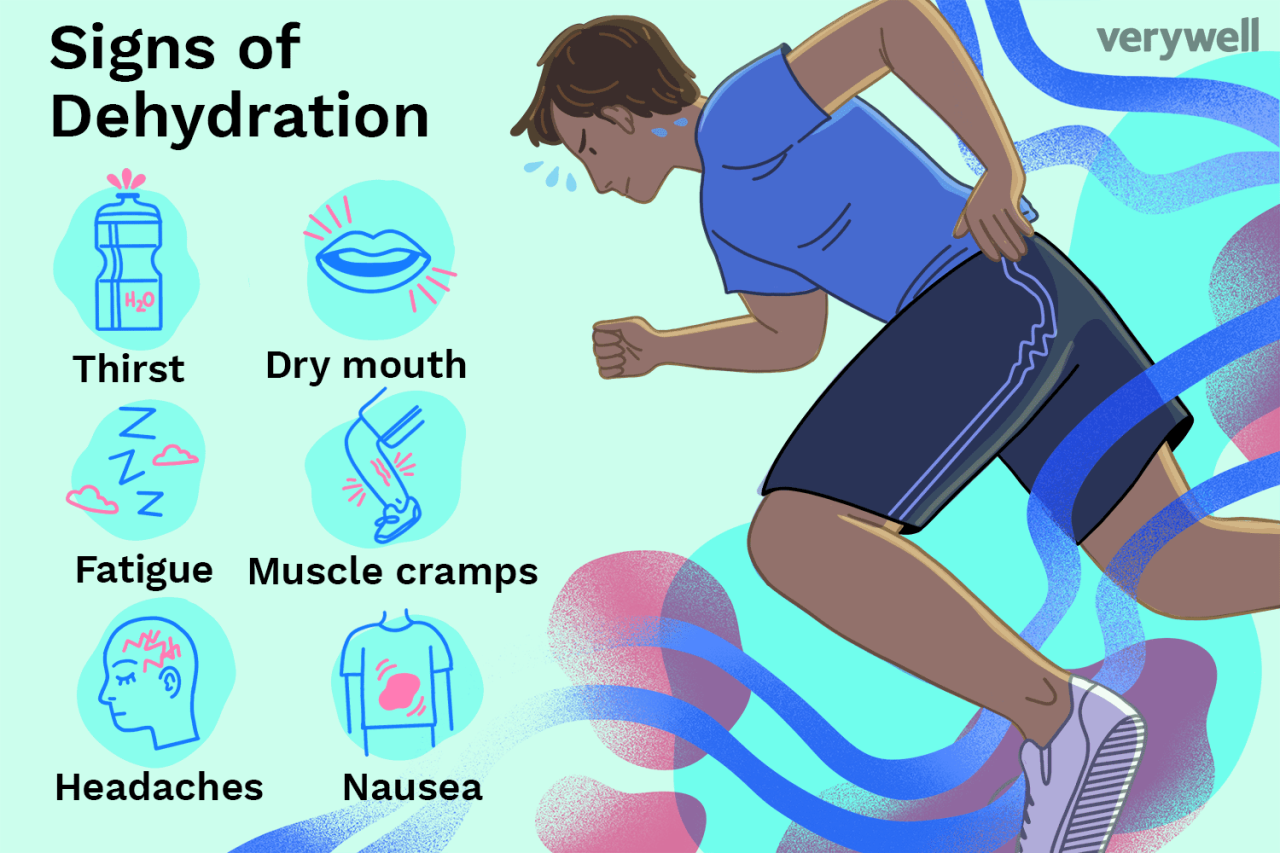
In conclusion, maximizing energy through hydration is a multifaceted approach that considers individual needs and activity levels. This guide has provided a comprehensive overview of the critical role hydration plays in energy production, from the fundamental chemical processes to practical hydration strategies. By understanding your unique hydration requirements and employing the right strategies, you can significantly improve your energy levels, athletic performance, and overall well-being.
Remember, proper hydration is a key factor in achieving your optimal energy potential.