Feeling depleted and drained? This comprehensive guide provides a roadmap to understanding and recharging your energy levels. From identifying the root causes of exhaustion to implementing practical strategies for restoration, we’ll explore a holistic approach to energy management.
We’ll delve into various aspects of energy management, including the vital importance of rest, nourishment, and mindfulness. This exploration will empower you to create a personalized plan for maintaining optimal energy levels throughout your day, leading to a more balanced and fulfilling life.
Understanding Energy Depletion
Recognizing energy depletion is crucial for maintaining well-being and productivity. Understanding the factors that contribute to this depletion allows for proactive strategies to restore and sustain energy levels. Identifying patterns of energy drain can lead to lifestyle adjustments that promote overall health and happiness.Energy depletion isn’t simply feeling tired; it’s a multifaceted experience encompassing physical and mental fatigue.
This section will delve into the various causes, symptoms, and impacts of energy depletion, offering insights into recognizing and managing these patterns.
Examples of Activities that Drain Energy
Sustained periods of intense physical activity, such as marathon training or strenuous labor, can significantly deplete physical energy. Mental activities like complex problem-solving, constant multitasking, and prolonged periods of intense focus also contribute to mental energy depletion. Social obligations and commitments, particularly those involving high-stakes interactions, can drain both physical and mental energy.
Physical vs. Mental Energy Depletion
Physical energy depletion manifests as exhaustion, soreness, and a reduced capacity for physical exertion. Mental energy depletion, on the other hand, is characterized by difficulty concentrating, reduced motivation, and mental fogginess. While intertwined, these two forms of depletion can manifest independently or in combination.
Common Signs of Energy Depletion
Common indicators of energy depletion include persistent fatigue, decreased motivation, difficulty concentrating, irritability, and a general feeling of being overwhelmed. Changes in appetite, sleep patterns, and emotional well-being are also frequently observed. These signs vary from person to person, but their consistent presence often signals the need for attention.
Impact of Insufficient Rest on Energy Levels
Insufficient rest, whether sleep deprivation or inadequate downtime, directly impacts energy levels. Chronic sleep deprivation leads to a diminished capacity for both physical and cognitive tasks. A lack of sufficient rest impairs the body’s ability to recover and regenerate, leading to a progressive decline in energy levels.
Comparison of Different Energy Drains
Various factors contribute to energy depletion. Stress, often stemming from demanding work environments or personal relationships, can significantly drain mental and emotional resources. A poor diet, lacking essential nutrients and proper hydration, can impair physical and cognitive function. Insufficient sleep directly depletes both physical and mental energy stores. The following table provides a concise overview of the effects of these energy drains on the body and mind.
| Energy Drain | Impact on Body | Impact on Mind |
|---|---|---|
| Stress | Muscle tension, headaches, digestive issues | Anxiety, irritability, difficulty concentrating |
| Poor Diet | Fatigue, weakness, reduced immunity | Brain fog, decreased motivation, mood swings |
| Lack of Sleep | Reduced physical endurance, weakened immune system | Impaired cognitive function, difficulty concentrating, emotional instability |
Simple Self-Assessment Tool for Recognizing Energy Depletion Patterns
A simple self-assessment tool involves tracking daily activities, identifying energy levels at different times of the day, and noting any patterns. Pay attention to the types of activities that drain your energy and when these occurrences take place. Journaling about your energy levels and correlating them with specific activities can help identify recurring patterns.
Restorative Practices
Restorative practices encompass a variety of methods aimed at replenishing physical and mental energy. These techniques are crucial for maintaining well-being and productivity, especially in demanding schedules. Effective implementation of these practices can lead to improved focus, reduced stress, and enhanced overall quality of life.Restorative practices are not a one-size-fits-all solution. Individual needs and preferences vary significantly, so tailoring these methods to your specific circumstances is essential for optimal results.
Experimentation and adaptation are key to finding what works best for you.
Physical Rest Methods
Adequate sleep is fundamental to physical restoration. Maintaining consistent sleep schedules, creating a relaxing bedtime routine, and optimizing the sleep environment are vital components of good sleep hygiene. A conducive sleep environment includes a dark, quiet, and cool room. Limiting screen time before bed and avoiding large meals close to bedtime are also recommended. Other physical rest methods include regular exercise, sufficient hydration, and incorporating short breaks throughout the day.
These methods help maintain physical energy and reduce fatigue.
Sleep Hygiene
A well-structured sleep routine can significantly improve the quality of rest. This involves setting a consistent sleep schedule, including both waking up and going to bed at the same time each day, even on weekends. Creating a relaxing bedtime routine, such as taking a warm bath, reading a book, or practicing relaxation techniques, can signal your body that it’s time to wind down.
The sleep environment should be conducive to rest, with a dark, quiet, and cool room. Minimizing screen time before bed and avoiding large meals close to bedtime can also promote better sleep.
Mindfulness and Meditation Techniques
Mindfulness and meditation practices are powerful tools for mental rejuvenation. Mindfulness involves paying attention to the present moment without judgment. Meditation practices, such as focusing on the breath or guided imagery, can help calm the mind and reduce stress. These techniques can help quiet the internal chatter and promote mental clarity. Regular practice can foster emotional regulation and a sense of inner peace.
Importance of Regular Breaks
Regular breaks throughout the day are essential for maintaining focus and preventing burnout. Short breaks, even just a few minutes, can significantly improve concentration and productivity. These breaks allow the mind to rest and recharge, preventing mental fatigue and enhancing cognitive function. They also help to maintain a healthy work-life balance.
Healthy Habits for Rest and Recovery
Maintaining a balanced lifestyle that includes sufficient sleep, nutritious food, regular exercise, and stress-reduction techniques is essential for optimal rest and recovery. Prioritizing hydration, limiting caffeine and alcohol intake, and engaging in activities that bring joy and relaxation are also vital. These habits collectively contribute to overall well-being.
- Regular exercise can help reduce stress and promote better sleep.
- A balanced diet with sufficient protein, fruits, and vegetables supports energy levels and promotes overall well-being.
- Stress-reduction techniques, such as deep breathing exercises or yoga, can help manage stress and promote relaxation.
- Engaging in hobbies and activities you enjoy can foster a sense of joy and reduce stress.
Relaxation Techniques and Their Benefits
Different relaxation techniques cater to diverse needs and preferences. This table Artikels some popular methods and their associated benefits.
| Relaxation Technique | Benefits |
|---|---|
| Progressive Muscle Relaxation | Reduces muscle tension and promotes relaxation. |
| Deep Breathing Exercises | Calms the nervous system, reduces anxiety, and improves focus. |
| Mindfulness Meditation | Enhances self-awareness, reduces stress, and promotes emotional regulation. |
| Yoga | Improves flexibility, strength, and balance while promoting relaxation and stress reduction. |
| Guided Imagery | Promotes relaxation, reduces anxiety, and can be used for stress management. |
Incorporating Rest into a Busy Schedule
Integrating rest into a busy schedule requires prioritization and strategic planning. Scheduling specific time slots for rest and relaxation, even short breaks, can help maintain energy levels. Utilizing the Pomodoro Technique, where work is done in focused intervals with short breaks in between, is an example of effective time management for incorporating rest into a busy day. Identifying and eliminating unnecessary tasks can free up time for essential rest and recovery.
Effectiveness of Rest Methods for Different Individuals
The effectiveness of rest methods can vary based on individual needs and preferences. Some individuals might find deep breathing exercises more effective than others. Similarly, some might benefit more from a structured sleep schedule, while others might find flexibility more beneficial. Understanding personal preferences and experimenting with different approaches are key to finding the most effective rest methods for each individual.
Nourishment and Hydration

Proper nourishment and hydration are crucial for maintaining energy levels throughout the day. A balanced diet, coupled with sufficient water intake, provides the body with the necessary fuel and resources to function optimally. This directly impacts mental clarity, physical performance, and overall well-being. Understanding the role of specific nutrients and fluids is key to effectively managing energy levels.A balanced diet rich in essential nutrients is vital for sustained energy.
These nutrients are broken down and used by the body for various functions, including the production of energy. Hydration plays a critical role in transporting these nutrients and facilitating bodily processes, thus impacting energy levels. The foods we consume and the liquids we drink can either support or hinder our energy levels. Understanding these factors is paramount to achieving and maintaining sustained energy.
The Role of Nutrition in Maintaining Energy Levels
Nutrition plays a critical role in maintaining energy levels. Macronutrients like carbohydrates, proteins, and fats provide the body with the energy it needs to function. Carbohydrates are the body’s primary source of energy, and they are stored as glycogen in the muscles and liver. Proteins are essential for building and repairing tissues, and they also contribute to energy production.
Fats are crucial for hormone production and insulation, and they also provide a concentrated source of energy. A diet rich in complex carbohydrates, lean proteins, and healthy fats provides sustained energy release, avoiding energy spikes and crashes. Micronutrients, such as vitamins and minerals, are equally important, acting as catalysts in metabolic processes, supporting the efficient utilization of macronutrients for energy.
The Importance of Hydration for Optimal Energy
Hydration is essential for optimal energy. Water is involved in virtually every bodily function, including transporting nutrients, regulating body temperature, and removing waste products. Dehydration can lead to fatigue, reduced cognitive function, and decreased physical performance. Maintaining adequate hydration is crucial for energy levels, ensuring the body has the necessary fluids to function effectively. Water is paramount for all metabolic processes, which directly impacts energy production and use.
Examples of Foods That Boost Energy Levels
A variety of foods can contribute to sustained energy levels. Foods rich in complex carbohydrates, such as whole grains, fruits, and vegetables, provide a steady release of energy. Lean proteins, such as fish, poultry, and beans, support energy production and satiety. Healthy fats, such as avocados, nuts, and seeds, contribute to overall well-being and provide sustained energy.
These foods promote sustained energy release, reducing the likelihood of energy crashes.
The Impact of Caffeine and Sugar on Energy
Caffeine and sugar can provide a temporary energy boost, but they often lead to subsequent energy crashes. Caffeine stimulates the nervous system, leading to a perceived increase in alertness and energy. However, this effect is often followed by a significant drop in energy levels. Similarly, sugar provides a rapid energy spike, but this is quickly followed by a crash, leaving individuals feeling even more fatigued.
The temporary nature of these energy boosts should be carefully considered in comparison to the sustained energy provided by balanced nutrition.
Energy-Boosting Potential of Various Foods
| Food | Energy-Boosting Potential (Estimated) | Type of Energy Release |
|---|---|---|
| Oatmeal (with fruit) | High | Sustained |
| Grilled Chicken with brown rice | Moderate | Sustained |
| Banana | Moderate | Moderate |
| Candy Bar | Low | Spiky |
| Coffee | Moderate (short-term) | Spiky |
Note: Energy-boosting potential is an estimate and can vary based on individual metabolism and portion sizes.
Healthy Snacks to Combat Energy Crashes
Healthy snacks can effectively combat energy crashes. These snacks provide a sustained release of energy, preventing the drastic fluctuations often associated with processed foods. Examples include:
- Fruits (apples, bananas, berries)
- Vegetables (carrots, celery)
- Nuts and seeds (almonds, walnuts, pumpkin seeds)
- Greek yogurt
- Whole-grain crackers with hummus
These snacks provide sustained energy release, combating the energy dips often associated with sugary or processed snacks.
Foods and Drinks That Contribute to Sustained Energy
A variety of foods and drinks contribute to sustained energy. Focusing on nutrient-dense options ensures a consistent supply of energy throughout the day.
- Whole grains (brown rice, quinoa, oats)
- Lean proteins (fish, poultry, beans)
- Fruits and vegetables
- Healthy fats (avocado, nuts, seeds)
- Water
- Herbal teas
These options provide sustained energy release, preventing energy crashes and promoting overall well-being.
Mindfulness and Emotional Well-being
Maintaining a healthy energy level is intrinsically linked to emotional well-being. Chronic stress and negative emotions can significantly deplete our energy reserves, making it challenging to engage in daily activities and maintain focus. Conversely, cultivating mindfulness and positive emotional states can bolster our energy levels and enhance our overall well-being. This section explores the intricate connection between stress, emotional regulation, and energy, providing practical strategies for enhancing your emotional well-being and bolstering your energy levels.Stress and energy depletion are closely intertwined.
Prolonged exposure to stress hormones like cortisol can lead to a depletion of vital resources, impacting physical and mental energy. This sustained activation of the stress response system can lead to exhaustion, burnout, and a diminished capacity to cope with daily demands. Managing stress effectively is crucial for maintaining optimal energy levels.
Stress Management Techniques
Effective stress management is vital for maintaining energy levels. Strategies such as deep breathing exercises, progressive muscle relaxation, and mindfulness practices can help regulate the physiological responses to stress. These techniques work by calming the nervous system, reducing the production of stress hormones, and promoting a sense of inner peace.
- Deep Breathing Exercises: Consciously focusing on the breath, inhaling deeply and exhaling slowly, can calm the nervous system and reduce feelings of anxiety. These exercises can be incorporated into daily routines, such as before meetings or during periods of heightened stress.
- Progressive Muscle Relaxation: This technique involves systematically tensing and relaxing different muscle groups in the body. By focusing on the physical sensations of tension and release, individuals can learn to identify and release physical tension associated with stress.
- Mindfulness Meditation: Mindfulness practices, like meditation, involve paying attention to the present moment without judgment. By focusing on thoughts, feelings, and sensations, individuals can develop greater awareness of their emotional states and learn to respond to stress more effectively.
Anxiety Management Strategies
Anxiety, a common emotional experience, can significantly impact energy levels. Understanding and addressing the underlying causes of anxiety is crucial for effective management. Techniques such as cognitive restructuring and journaling can help individuals identify and challenge negative thought patterns contributing to anxiety.
- Cognitive Restructuring: This involves identifying and challenging negative or distorted thought patterns that contribute to anxiety. Replacing negative thoughts with more balanced and realistic perspectives can reduce anxiety levels and improve emotional regulation.
- Journaling: Regular journaling can help individuals process emotions, identify patterns in their thoughts and feelings, and gain insight into the triggers of their anxiety. This self-reflection can facilitate the development of coping mechanisms and strategies for managing anxiety.
Self-Compassion and Positive Thinking
Cultivating self-compassion and fostering positive thinking are essential for maintaining energy levels. Self-criticism can lead to feelings of inadequacy and low self-worth, depleting energy and hindering progress. Practicing self-compassion involves treating oneself with the same kindness and understanding one would offer a friend experiencing a difficult time.
- Self-Compassion Practices: Engage in activities that foster self-acceptance and self-kindness. Acknowledge imperfections without judgment, and offer yourself encouragement and support. This can involve practicing self-compassion meditations or affirmations.
- Positive Affirmations: Regularly repeating positive statements about oneself can foster a more positive self-image and enhance overall well-being. Focusing on strengths and positive qualities can improve energy levels and resilience.
Emotional Regulation Techniques
Emotional regulation is crucial for maintaining consistent energy levels. Individuals who can effectively manage their emotions are better equipped to handle stress, anxiety, and other challenges. Techniques such as emotional labeling and distress tolerance can enhance emotional regulation.
- Emotional Labeling: Identifying and naming emotions as they arise can help individuals gain a greater understanding of their emotional responses. This awareness can facilitate more effective strategies for managing and regulating those emotions.
- Distress Tolerance: Developing skills to tolerate and navigate difficult emotions without resorting to maladaptive coping mechanisms is essential for emotional regulation. This involves accepting and acknowledging challenging emotions without judgment.
Identifying and Challenging Negative Thought Patterns
Negative thought patterns can significantly impact energy levels. Recognizing and challenging these patterns is a crucial step in improving emotional well-being. Strategies such as thought records and reframing negative thoughts can be effective tools.
- Thought Records: Keeping a record of negative thoughts, their triggers, and associated emotions can help individuals identify recurring patterns and develop strategies for challenging those thoughts.
- Reframing Negative Thoughts: This involves actively re-evaluating negative thoughts, looking for alternative perspectives, and replacing them with more realistic and positive ones. This process can lead to improved emotional well-being and energy levels.
Strategies to Improve Emotional Well-being and Energy Levels
| Strategy | Description |
|---|---|
| Mindfulness Meditation | Focusing on the present moment to reduce stress and anxiety. |
| Deep Breathing Exercises | Calming the nervous system through controlled breathing techniques. |
| Progressive Muscle Relaxation | Reducing physical tension associated with stress through systematic muscle tensing and releasing. |
| Cognitive Restructuring | Challenging negative thought patterns and replacing them with more balanced perspectives. |
| Journaling | Processing emotions, identifying patterns, and gaining insight into triggers. |
| Self-Compassion Practices | Treating oneself with kindness and understanding, acknowledging imperfections without judgment. |
| Positive Affirmations | Repeating positive statements to foster a more positive self-image. |
Lifestyle Adjustments
Cultivating a supportive lifestyle is crucial for maintaining energy levels. Effective energy management hinges on making conscious choices regarding how we structure our days and interact with our environments. This involves establishing boundaries, prioritizing tasks, and adopting strategies for time management and organization. Incorporating regular exercise and a well-balanced schedule further contributes to overall well-being and sustained energy throughout the day.Adopting a proactive approach to managing our time and energy resources empowers us to prioritize our well-being and prevent burnout.
By recognizing and addressing potential energy drains, we can cultivate a more fulfilling and balanced lifestyle.
Setting Boundaries and Prioritizing Tasks
Effective energy management necessitates setting clear boundaries to protect our time and mental resources. Prioritizing tasks helps direct efforts towards goals that align with personal values and priorities. This allows for a more focused and productive approach to daily activities.
Saying No to Energy-Draining Commitments
Learning to say no to commitments that don’t align with our priorities is a vital aspect of energy management. This proactive approach prevents overcommitment and the resulting exhaustion. Examples of such commitments include unnecessary social obligations or tasks that do not contribute to our overall well-being. By setting clear boundaries, we can effectively manage our energy levels and prevent burnout.
For instance, if a social gathering requires extensive travel or involves individuals who tend to drain energy, saying no can be a powerful tool in preserving energy.
Time Management and Organization
Efficient time management is crucial for maintaining a balanced lifestyle. Organizing tasks and schedules in a systematic manner allows for a clear understanding of priorities and deadlines. This helps us allocate time effectively, optimizing energy expenditure and minimizing stress. Employing methods like task lists, calendars, or time blocking can greatly enhance productivity and reduce the feeling of being overwhelmed.
Regular Exercise and Physical Activity
Incorporating regular exercise and physical activity into a daily routine is essential for maintaining physical and mental well-being. This proactive approach boosts energy levels, improves mood, and reduces stress. Consistent physical activity is beneficial for overall health and contributes to sustained energy throughout the day.
Benefits of Physical Activity
| Activity | Benefits |
|---|---|
| Walking | Improves cardiovascular health, boosts mood, and reduces stress. |
| Running | Excellent cardiovascular workout, increases energy levels, and improves sleep quality. |
| Yoga | Enhances flexibility, reduces stress, and promotes mindfulness, leading to improved energy management. |
| Swimming | Full-body workout that’s gentle on joints, improves cardiovascular health, and promotes relaxation. |
| Cycling | Low-impact cardiovascular exercise that’s enjoyable and effective for boosting energy. |
Designing a Daily Schedule
Crafting a daily schedule that balances work, rest, and leisure is crucial for maintaining energy levels. This schedule should allocate specific time slots for tasks, allowing for dedicated periods of rest and relaxation. Prioritizing tasks and scheduling breaks throughout the day is essential for avoiding burnout and maintaining energy levels. A well-structured schedule provides a framework for managing time and energy effectively.
Minimizing Time-Wasting Activities
Identifying and minimizing time-wasting activities is crucial for optimizing energy management. These activities often include excessive social media use, procrastination, or engaging in unproductive tasks. Consciously limiting time spent on these activities can free up valuable time and energy, leading to increased productivity and a more fulfilling lifestyle.
Environmental Factors
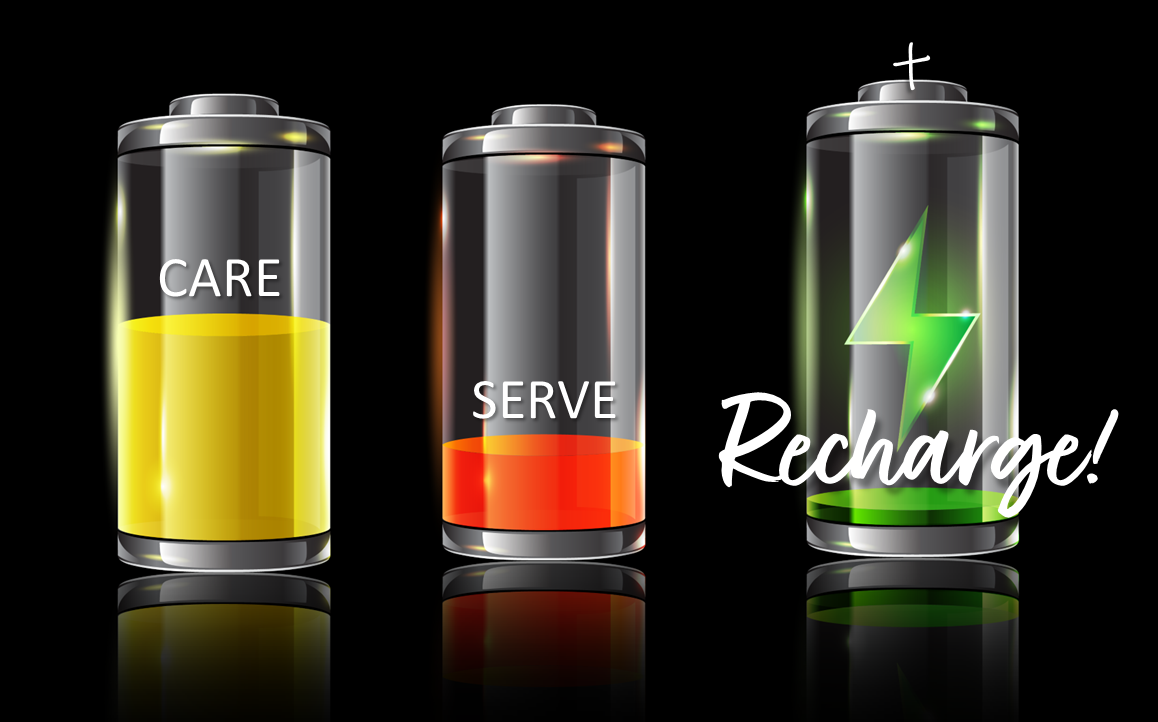
Our environment plays a significant role in our energy levels. A supportive and nurturing environment can foster well-being, while a chaotic or stressful one can drain our resources. Understanding these influences allows us to tailor our surroundings to promote vitality and resilience.Environmental factors, encompassing everything from the physical space we inhabit to the social connections we cultivate, profoundly affect our energy levels.
A thoughtfully designed environment can be a powerful tool for boosting energy and reducing stress, promoting a sense of calm and well-being.
Impact of Environmental Factors on Energy Levels
Various environmental elements significantly impact our energy levels. The physical space, lighting, and even the presence of certain elements can influence our mood and overall energy. A well-organized and aesthetically pleasing space can contribute to a feeling of calm and focus, whereas a cluttered or disorganized space can create feelings of overwhelm and stress.
Examples of Environmental Impacts
A bustling city environment, filled with constant noise and activity, can be draining. Conversely, a quiet and serene natural setting can be rejuvenating. Individuals experiencing seasonal affective disorder (SAD) often find that exposure to natural light helps alleviate symptoms and boost energy levels. Furthermore, a well-ventilated space with fresh air can promote alertness and focus.
Importance of a Supportive and Nurturing Environment
A supportive and nurturing environment fosters a sense of belonging and security. This can manifest in various forms, including strong social connections, positive interactions, and a feeling of safety and trust. These elements contribute to a reduced stress response, allowing us to feel more energized and capable.
Effect of Sunlight and Fresh Air
Sunlight and fresh air are vital for regulating our natural circadian rhythm and energy levels. Exposure to natural light helps regulate melatonin production, influencing sleep cycles and overall energy. Fresh air improves oxygen intake, leading to increased alertness and mental clarity.
Influence of Technology on Energy Levels
Technology’s pervasive presence can significantly impact our energy levels. Constant notifications, social media distractions, and the pressure to be constantly connected can lead to stress and mental fatigue. The blue light emitted from screens can interfere with sleep patterns, disrupting the natural sleep-wake cycle and affecting energy levels. Finding a balance in our technology use is crucial for maintaining optimal energy levels.
Strategies for Creating a Calming and Energizing Home Environment
Creating a home environment that supports well-being requires intentional design and consideration. Strategies include decluttering, incorporating natural light and greenery, and minimizing technology distractions. A calm and organized space can promote a sense of peace and reduce stress, fostering a more energized and productive atmosphere.
- Decluttering: A cluttered space can lead to mental clutter, making it difficult to focus and feel energized. Decluttering not only improves the physical space but also promotes a sense of calm and order, contributing to higher energy levels.
- Natural Light and Greenery: Incorporating natural light and plants can significantly improve a space’s atmosphere. Natural light regulates the circadian rhythm, improving sleep and energy levels, while plants can purify the air and create a more calming environment.
- Minimizing Technology Distractions: Setting boundaries for technology use, such as designating specific areas for work or relaxation, can help prevent mental fatigue. This reduces the constant pressure to be connected, fostering a more balanced and energized state.
- Sound Design: Choosing calming background music or nature sounds can reduce stress and promote relaxation, contributing to a more energized and focused state.
Assessment Checklist for Energy-Boosting Home Environment
This checklist helps evaluate the energy-boosting aspects of your home environment:
| Aspect | Assessment (e.g., Excellent, Good, Fair, Poor) |
|---|---|
| Natural Light | |
| Fresh Air Circulation | |
| Decluttered Spaces | |
| Technology Use Boundaries | |
| Greenery and Plants | |
| Sound Environment |
Outcome Summary
In conclusion, recharging your energy is a multifaceted process that requires understanding your individual needs and implementing a tailored approach. By addressing the interplay of physical, mental, and emotional factors, along with environmental considerations, you can cultivate a sustainable energy management system. This guide has provided practical tools and insights to help you take control of your energy levels and experience a more vibrant and productive life.