In today’s consumer-driven world, it’s easy to get caught up in the whirlwind of impulse purchases. This guide delves into the practice of mindful shopping, empowering you to make conscious choices that align with your values and the well-being of the planet. We’ll explore the core principles, identify common triggers, and provide practical strategies for evaluating products, building sustainable habits, and ultimately reducing your environmental footprint.
From understanding the difference between needs and wants to evaluating a product’s environmental impact, this comprehensive guide offers a roadmap to ethical and sustainable consumption. We’ll also examine how to shop mindfully across different contexts, whether online or in-store, and even during sales periods. The guide also provides helpful tools and resources to support your journey towards mindful shopping.
Understanding Mindful Shopping
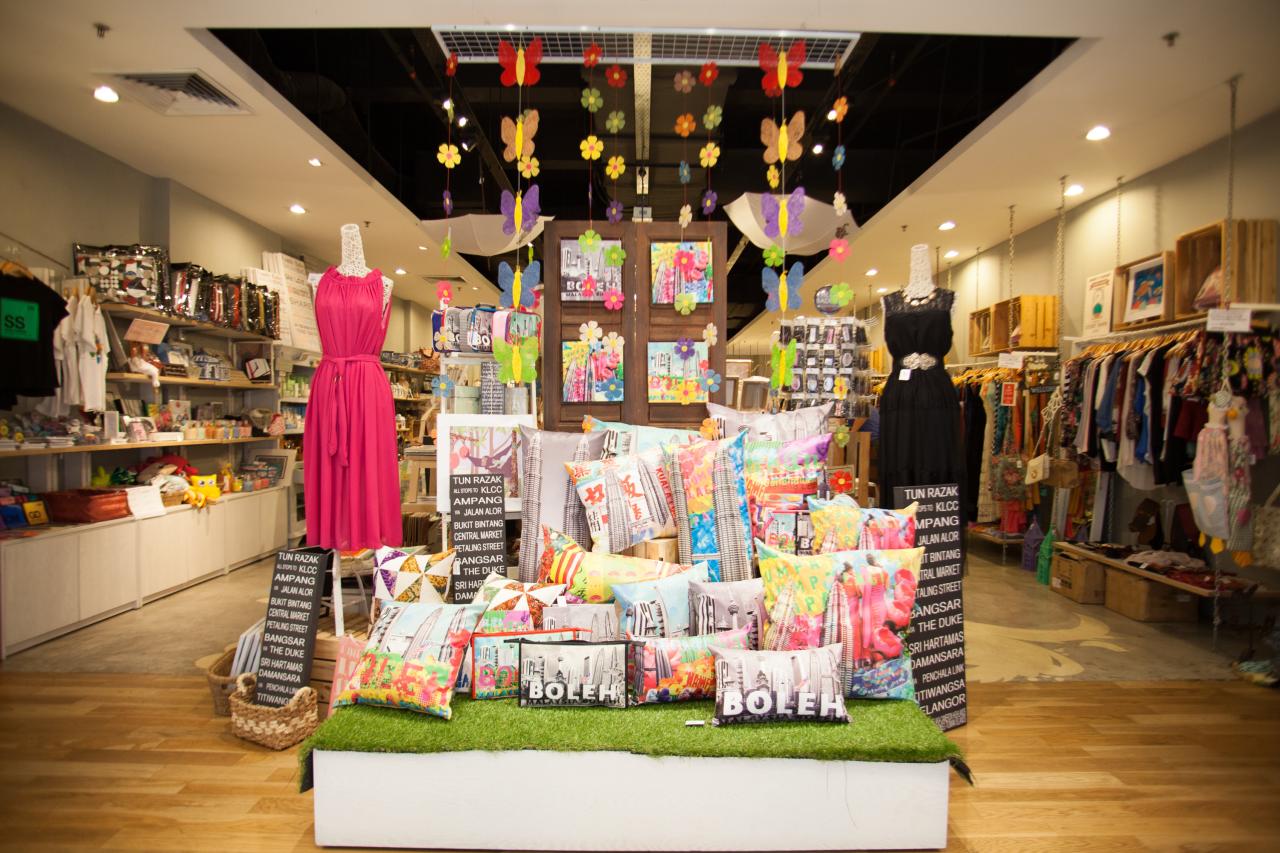
Mindful shopping transcends the simple act of purchasing goods. It’s a conscious approach to consumption, emphasizing awareness and intentionality in our buying decisions. This approach considers the environmental, social, and personal impacts of our choices. It encourages us to reflect on our needs versus our wants, fostering a more balanced and sustainable relationship with material possessions.Mindful shopping differs significantly from impulsive buying.
Impulsive purchases are often driven by immediate desires or emotions, leading to potential regret and unnecessary spending. In contrast, mindful shopping prioritizes careful consideration, planning, and alignment with long-term values. It’s a practice of self-awareness and responsible decision-making.
Core Principles of Mindful Consumption
Mindful consumption is underpinned by several key principles. These principles encourage us to shift our focus from immediate gratification to long-term well-being and sustainability. A fundamental principle is recognizing the interconnectedness of our choices and their impact on the world around us. Another crucial element is understanding our own motivations and needs to avoid unnecessary purchases. This self-awareness is vital to preventing impulsive buying and promoting conscious consumption.
Definition of Mindful Shopping
Mindful shopping is the practice of purchasing goods and services with awareness, intention, and consideration of their environmental, social, and personal impacts. It involves recognizing the difference between genuine needs and fleeting desires. This practice stands in contrast to impulsive buying, which is characterized by immediate gratification and a lack of forethought. Mindful shopping, therefore, focuses on making informed decisions that align with personal values and long-term goals.
Examples of Mindful Shopping Behaviors
Mindful shopping manifests in various everyday behaviors. These behaviors often include meticulous planning before a shopping trip, focusing on needs over wants, and researching products thoroughly before making a purchase. Another key aspect is prioritizing quality over quantity, opting for durable and repairable items over disposable ones. These actions collectively promote a more sustainable and responsible approach to consumerism.
- Prioritizing needs over wants: Instead of succumbing to the allure of a new gadget, a mindful shopper might ask themselves if they genuinely need it or if it’s just a desire fueled by marketing. This self-reflection can prevent unnecessary purchases.
- Researching products thoroughly: Before buying a new appliance, a mindful shopper might research different models, compare prices, and consider the manufacturer’s environmental policies. This ensures a more informed and responsible decision.
- Seeking out sustainable and ethical options: Mindful shoppers actively seek products made from recycled materials, produced in ethical working conditions, or with minimal environmental impact. This commitment to sustainability reflects a broader concern for the planet.
Benefits of Practicing Mindful Shopping
Mindful shopping offers a range of benefits, both personal and societal. These benefits extend beyond simply saving money; they encompass enhanced well-being and a reduced environmental footprint. It leads to greater financial stability, reduced stress related to consumerism, and a stronger sense of purpose in consumption choices.
- Financial stability: By prioritizing needs and avoiding impulsive purchases, mindful shoppers often experience improved financial stability. This results from a reduced tendency to overspend and a more conscious approach to budgeting.
- Reduced stress related to consumerism: The constant barrage of advertisements and promotions can contribute to feelings of anxiety and pressure. Mindful shopping helps to mitigate these feelings by promoting a more balanced approach to consumption.
- Stronger sense of purpose in consumption choices: Mindful shoppers connect their consumption choices with their values and long-term goals. This fosters a greater sense of purpose and meaning in their daily purchases.
A Simple Framework for Understanding Mindful Shopping
A simple framework for mindful shopping involves four key steps:
- Identify needs: Clearly define your actual needs before embarking on a shopping spree. This initial step is crucial in preventing impulse purchases.
- Research options: Thoroughly research available options, comparing prices, features, and sustainability factors.
- Consider values: Reflect on your personal values and choose products that align with them. Consider environmental, social, and ethical impacts.
- Evaluate the impact: Consider the long-term impact of your purchase on your finances, environment, and well-being.
Identifying Consumer Triggers
Understanding the triggers that drive impulsive purchases is crucial for developing effective strategies to shop mindfully. Consumer behavior is complex, and these triggers often stem from a combination of psychological, social, and environmental factors. Identifying these triggers allows us to recognize patterns and develop strategies to resist them.Consumer behavior is influenced by a multitude of forces, both internal and external.
This section delves into the common triggers that lead to impulsive purchases, exploring the role of marketing, advertising, social media, and various consumer motivations. By understanding these influences, consumers can better navigate their shopping experiences and make more deliberate choices.
Common Consumer Triggers
Numerous factors can instigate impulsive purchases. These include emotional responses, such as feelings of happiness, stress, or boredom, and social pressures, such as peer influence or the desire to fit in. Additionally, environmental cues, such as attractive displays in stores, can also contribute to impulsive buying.
- Emotional Triggers: Strong emotions, both positive and negative, can sway purchasing decisions. For example, a person experiencing sadness might buy comfort food or a luxury item to alleviate their mood. Conversely, feelings of joy or excitement can lead to spontaneous purchases, such as buying a gift for a loved one or a celebratory item.
- Social Triggers: Peer pressure and the desire to fit in can significantly impact purchasing decisions. Social media often plays a role in these triggers, with consumers wanting to keep up with trends or emulate others’ lifestyles.
- Environmental Triggers: The environment surrounding a consumer can significantly influence their purchasing behavior. Attractive displays, enticing scents, and the overall atmosphere of a store can stimulate impulsive purchases. For example, a brightly lit store with appealing displays might entice customers to make more purchases than they had initially intended.
The Role of Marketing and Advertising
Marketing and advertising strategies are meticulously designed to influence consumer behavior. Clever tactics, such as limited-time offers, scarcity messaging, and emotional appeals, can subtly manipulate consumers into making impulsive purchases. Understanding these tactics allows consumers to be more discerning and less susceptible to manipulative strategies.
- Limited-Time Offers: A common tactic is creating a sense of urgency. “Limited-time offers” and “while supplies last” messages create a pressure to buy immediately, often overriding rational thought processes.
- Scarcity Messaging: Highlighting the limited availability of a product can create a sense of urgency and desirability. The perception of scarcity can motivate consumers to make a purchase before the product runs out.
- Emotional Appeals: Advertising frequently uses emotional appeals to evoke feelings of joy, happiness, or nostalgia. These emotional connections can influence purchasing decisions, even if the product is not truly necessary.
Impact of Social Media on Impulsive Buying
Social media platforms significantly impact consumer behavior, often fostering a culture of instant gratification and the desire to keep up with trends. Constant exposure to curated lifestyles and aspirational content can trigger impulsive purchases, leading to a desire to acquire products to fit in or enhance one’s online persona.
- Influence of Social Media Trends: Social media fosters the rapid spread of trends, often leading to a demand for products associated with these trends. This can result in impulsive purchases as consumers try to maintain a particular online persona or image.
- Comparison and Social Pressure: Social media often presents idealized lifestyles, leading to feelings of inadequacy and a desire to acquire products to improve one’s standing or to keep up with peers.
Comparison of Consumer Motivations
Consumer motivations can be categorized into various types, including utilitarian, hedonic, and social motivations. Utilitarian motivations focus on the functional benefits of a product, while hedonic motivations relate to the emotional satisfaction it provides. Social motivations are driven by the desire to fit in or be perceived favorably by others.
| Motivation Type | Description | Example |
|---|---|---|
| Utilitarian | Focuses on the practical benefits and functionality of a product. | Buying a new laptop for work efficiency. |
| Hedonic | Driven by the emotional satisfaction and enjoyment a product offers. | Buying a new pair of shoes for the feeling of comfort and style. |
| Social | Motivated by the desire to fit in or be perceived favorably by others. | Buying a specific brand of clothing to align with a social group. |
Strategies to Manage Impulsive Urges
Developing strategies to recognize and manage impulsive urges is key to mindful shopping. Techniques such as mindful awareness, creating a shopping list, and setting a budget can help consumers make more conscious purchasing decisions.
- Mindful Awareness: Becoming more aware of one’s own emotional and psychological triggers can help prevent impulsive purchases. Taking time to pause and reflect before making a purchase can lead to more considered decisions.
- Creating a Shopping List: Developing a detailed shopping list can help focus purchasing on essential items, minimizing the temptation to make impulsive purchases.
- Setting a Budget: Establishing a budget for shopping can limit the amount spent, encouraging more thoughtful choices.
Evaluating Products and Needs

Mindful shopping extends beyond recognizing triggers and understanding your motivations. Crucially, it involves a critical evaluation of products and your own needs, fostering a more conscious and sustainable approach to consumption. This evaluation process allows you to make informed decisions aligned with your values and reduce the environmental footprint of your purchases.A crucial aspect of mindful shopping is separating genuine needs from fleeting desires.
This requires a deliberate assessment of the product’s true value and impact, going beyond the initial appeal. A thorough understanding of both the product’s inherent worth and its broader consequences is key to making responsible choices.
Assessing Product Quality and Value
Evaluating product quality and value involves a multi-faceted approach. Consider the materials used, the construction, and the potential durability of the product. Look for certifications and reputable brands that adhere to high standards. Research online reviews and compare prices across various retailers. This process can save you money and ensure you acquire products that meet your needs and expectations.
It also helps you avoid overspending on items that may not last or meet your needs adequately.
Evaluating Environmental Impact
The environmental impact of a product is a critical factor in mindful shopping. Consider the sourcing of materials, the manufacturing process, and the packaging. Look for products made from recycled or sustainably sourced materials. The carbon footprint associated with the product’s journey from raw material to your hands is important. Consider products with minimal packaging or recyclable materials.
Seek out brands that have clear sustainability policies.
Questions to Ask Before Purchasing
Thorough consideration before a purchase is key to mindful shopping. A series of questions can guide you in making informed decisions.
- Do I genuinely need this product, or is it a want?
- What is the quality and durability of the product?
- What is the environmental impact of the product’s lifecycle, from manufacturing to disposal?
- Are there sustainable alternatives available?
- Can I repair or reuse this product in the future?
- What is the long-term value of this product compared to its cost?
- Are there ethical considerations related to the product’s creation?
These questions promote a more comprehensive understanding of the product and its implications.
Decision-Making Matrix for Mindful Product Selection
A decision-making matrix can help you systematically evaluate potential purchases. This matrix can guide you through a structured evaluation process.
| Criteria | High | Medium | Low |
|---|---|---|---|
| Quality | Durable, well-made, long-lasting | Acceptable quality, functional | Poor quality, likely to break quickly |
| Value | High value for money, cost-effective in the long run | Reasonable value, balanced cost | Poor value for money, overpriced |
| Environmental Impact | Sustainable, minimal waste, eco-friendly | Neutral or slightly positive impact | Negative environmental impact, harmful materials |
| Need vs. Want | Clearly addresses a need | Addresses a need but also fulfills a want | Primarily a want |
This matrix provides a structured framework for evaluating products based on key criteria.
Differentiating Needs and Wants
Distinguishing between needs and wants is crucial in mindful consumption. A need is something essential for survival or well-being. A want is a desire for something that enhances comfort or pleasure, but isn’t essential. Carefully evaluating your motivations behind a purchase will help you avoid impulse buys and ensure that your purchases align with your genuine needs.
Building Sustainable Shopping Habits

Cultivating mindful shopping extends beyond recognizing triggers and evaluating products. It necessitates a shift towards responsible consumption, incorporating sustainable practices into our everyday routines. This approach involves reducing our environmental impact, supporting ethical businesses, and fostering a more conscious relationship with our purchases. By embracing these principles, we can minimize waste and contribute to a more sustainable future.Understanding the interconnectedness of our choices and their wider implications is crucial.
Mindful shopping isn’t just about individual actions; it’s about creating a ripple effect of positive change. By making conscious choices, we can reduce our reliance on unsustainable practices and support businesses that prioritize ethical and environmentally friendly methods.
Conscious Consumption and Reduced Consumption
Conscious consumption, a key element of sustainable shopping, involves prioritizing quality over quantity. It encourages us to consider the entire lifecycle of a product, from its creation to its disposal. This mindful approach prompts us to ask crucial questions about the product’s origin, manufacturing process, and eventual impact on the environment. Choosing durable, repairable, and long-lasting items over disposable ones significantly reduces our consumption footprint.
This is a cornerstone of responsible consumerism, encouraging a shift from impulsive purchases to more considered choices.
Sustainable Shopping Routine
Developing a sustainable shopping routine involves several practical steps. Firstly, create a shopping list and stick to it. This prevents impulse buys and ensures you only purchase items you truly need. Secondly, research products thoroughly before making a purchase. Consider the product’s lifecycle, material sourcing, and the company’s environmental and ethical policies.
Thirdly, prioritize secondhand or pre-owned items when possible. This reduces demand for new products, minimizes waste, and often finds unique treasures at affordable prices.
Waste Reduction in Shopping
Reducing waste in the shopping process starts with minimizing packaging. Look for products with minimal packaging or opt for reusable containers. Bring your own bags and containers when possible. Furthermore, consider the product’s recyclability. Choosing products with recyclable materials reduces the environmental burden of disposal.
Finally, avoid single-use plastics wherever possible. These small changes can significantly reduce the amount of waste generated during the shopping experience.
Ethical Shopping and Supporting Sustainable Businesses
Ethical shopping involves supporting businesses committed to sustainability and ethical labor practices. Research companies that prioritize fair wages, safe working conditions, and environmentally responsible practices. Look for certifications that indicate sustainable practices, such as Fair Trade or organic certifications. These businesses often prioritize the well-being of their employees and the planet, aligning with your values as a conscious consumer.
Minimizing Environmental Footprint
Minimizing your environmental footprint when shopping involves several interconnected actions. First, prioritize products with minimal packaging or opt for reusable alternatives. Second, choose products from local businesses whenever possible to reduce transportation emissions. Third, select products with a reduced carbon footprint, ensuring they have been manufactured and transported with minimal environmental impact. These choices collectively contribute to a more sustainable and responsible shopping approach.
Tools and Resources for Mindful Shopping
Embarking on a mindful shopping journey requires practical tools and resources to support your intentions. These tools empower you to make informed decisions, track your spending, and discover alternatives to traditional consumerism. By leveraging these resources, you can cultivate a more sustainable and ethical approach to purchasing.
Apps and Websites Supporting Mindful Shopping
Numerous apps and websites provide features that facilitate mindful shopping. These platforms often offer functionalities for tracking spending, comparing products based on ethical and environmental criteria, and discovering alternative consumption patterns. These tools can empower individuals to make more conscious choices.
- Eco-Conscious Shopping Apps: Apps like Good on You and Poshmark allow users to assess the ethical and environmental impact of clothing brands and products. Good on You, for example, provides ratings based on factors like labor practices, water usage, and waste management. This information empowers consumers to make informed choices about the brands they support.
- Sustainable Product Discovery Platforms: Websites like Etsy and ThredUp focus on curated marketplaces featuring sustainable or secondhand items. These platforms provide avenues to discover unique and eco-friendly products, reducing the demand for new manufacturing.
- Budget Tracking Apps: Apps like Mint and YNAB (You Need a Budget) assist in monitoring spending patterns, enabling users to identify areas where they can cut back and allocate resources more mindfully. These apps allow for detailed categorization of expenses, providing valuable insights into consumer behavior.
Resources for Understanding Ethical and Sustainable Practices
Ethical and sustainable practices are crucial in mindful shopping. Accessing reliable resources helps you understand these principles and make more informed purchasing decisions.
- Environmental Impact Databases: Databases like the Environmental Protection Agency (EPA) website provide information about the environmental impact of various products and materials. This data empowers consumers to choose options with lower carbon footprints and less waste.
- Ethical Fashion Guides: Organizations dedicated to ethical fashion provide resources, such as the Fashion Revolution website, which offers insights into fair labor practices and ethical production processes. These guides provide transparency into the production process and labor conditions.
- Non-profit Organizations: Numerous non-profit organizations, like the World Wildlife Fund (WWF), offer educational materials and campaigns that highlight the importance of sustainable consumption. These resources help you understand the global impact of your purchasing decisions.
Tools to Track Spending and Consumption Patterns
Tracking spending and consumption patterns is essential for developing sustainable shopping habits. These tools offer insights into your spending behaviors, enabling you to identify areas for improvement.
- Spreadsheet Applications: Spreadsheets offer a flexible platform for meticulously tracking spending and categorizing purchases. Customizable spreadsheets enable users to categorize expenses by product type, brand, or environmental impact. This allows for an in-depth understanding of spending patterns.
- Financial Management Software: Software like Mint and Personal Capital allows you to track your income and expenses in real-time. These platforms provide detailed visualizations of spending habits, making it easier to identify areas where adjustments can be made. This detailed analysis allows for a more comprehensive understanding of spending patterns.
Platforms Offering Alternative Shopping Solutions
Alternative shopping solutions are crucial for fostering mindful consumption. These solutions provide opportunities for reduced waste and more sustainable purchasing practices.
- Secondhand Marketplaces: Sites like eBay, Facebook Marketplace, and Depop offer platforms for buying and selling used goods. This reduces the demand for new products, minimizing environmental impact. This can significantly decrease the amount of waste and consumption.
- Rent-to-Own Platforms: Services like Rent the Runway and peer-to-peer rental platforms provide access to items without the commitment of ownership. This reduces waste and encourages more conscious consumption. These platforms can minimize the environmental footprint of purchasing.
- Subscription Boxes: Subscription boxes allow for a more curated approach to consumption, reducing impulse buys and encouraging more mindful choices. This can help reduce unnecessary purchases.
Mindful Shopping Communities and Forums
Connecting with like-minded individuals can provide support and encouragement in adopting mindful shopping habits. These communities and forums offer opportunities for sharing experiences, exchanging tips, and collaborating on sustainable practices.
- Online Forums: Numerous online forums and groups dedicated to sustainable living and mindful consumption provide valuable insights and support. These platforms offer spaces for discussion, sharing experiences, and seeking advice.
- Social Media Groups: Facebook groups and other social media communities focused on sustainable living and ethical fashion provide opportunities for connecting with individuals who share similar values. These groups offer a supportive network for learning and sharing information about sustainable practices.
Mindful Shopping in Different Contexts

Mindful shopping extends beyond general principles; it necessitates adaptation to various contexts, from specific product categories to differing shopping environments and cultural nuances. Understanding these contextual factors allows for a more nuanced and effective approach to conscious consumption. By tailoring strategies to individual circumstances, consumers can make more informed and responsible purchasing decisions.
Mindful Shopping Strategies for Specific Product Categories
Different product categories present unique considerations for mindful shopping. For instance, the ethical sourcing of clothing materials, the environmental impact of manufacturing processes, and the longevity of garments are crucial factors when purchasing apparel. Electronics, on the other hand, demand consideration of their lifespan, energy consumption, and potential for repair. Mindful shopping in these areas necessitates research and a commitment to prioritizing quality over quantity.
- Clothing: Prioritize sustainable materials like organic cotton, recycled fabrics, or innovative, plant-based alternatives. Look for brands with transparent supply chains and ethical labor practices. Consider the garment’s durability and potential for longevity. Repair or repurpose existing clothing before purchasing new items.
- Electronics: Evaluate the product’s energy efficiency and lifespan. Research repairability and the availability of spare parts. Consider buying refurbished or used electronics to reduce e-waste. Look for products with a commitment to responsible disposal.
- Home Goods: Choose durable, long-lasting products made from sustainable materials. Consider the environmental impact of manufacturing and the potential for reuse or recycling. Seek out locally sourced products to support local economies and reduce transportation emissions.
Online Versus In-Store Shopping
Online and in-store shopping present different challenges and opportunities for mindful consumers. Online shopping often facilitates broader research and comparison of products, but can also lead to impulse purchases due to the lack of immediate tactile experience. In-store shopping provides tangible interaction, enabling a more intuitive assessment of product quality and suitability, but may limit access to a wider range of options.
- Online Shopping: Use comparison websites and reviews to thoroughly evaluate products before purchase. Be aware of potential shipping emissions and choose eco-friendly delivery options. Develop a shopping list to avoid impulse buys. Enable browser extensions for tracking product prices to capitalize on potential deals.
- In-Store Shopping: Engage with store staff to gather information about products’ materials and manufacturing processes. Prioritize buying from stores that align with your values. Carry reusable bags to reduce plastic waste. Actively assess product quality, durability, and aesthetics before making a purchase.
Mindful Gift-Giving
Gift-giving presents an opportunity to practice mindful consumption. Focus on experiences rather than material possessions. Consider the recipient’s needs and preferences when selecting a gift. Opt for gifts that offer long-term value and are aligned with sustainable principles.
- Experiences over Things: Gift a cooking class, a concert ticket, or a weekend getaway instead of a material item. This reduces the environmental impact and focuses on creating shared memories.
- Personalized Gifts: Choose a gift that reflects the recipient’s interests and values. This fosters a stronger connection and reduces the likelihood of unwanted or unnecessary purchases.
- Sustainable Options: Select gifts made from recycled materials or those supporting ethical labor practices. Look for handmade or locally produced items.
Mindful Shopping During Sales and Promotions
Sales and promotions can create tempting opportunities for purchases, but mindful consumers should approach them with discernment. Assess the product’s actual value, considering its quality, durability, and potential long-term use. Avoid impulsive purchases driven solely by price reductions.
- Evaluate Value: Don’t just focus on the discounted price. Consider the product’s true worth, considering its quality, potential for longevity, and alignment with your needs.
- Prioritize Needs: Use sales as opportunities to purchase items you already need, rather than buying things you don’t. Avoid adding to your existing inventory.
- Resist Impulse Purchases: Take time to evaluate your wants versus your needs before making a purchase, even during sales.
Mindful Shopping Across Cultures
Mindful shopping principles can be adapted and applied across diverse cultures. Cultural values and traditions influence purchasing behaviors and priorities. Understanding these variations is crucial for a more inclusive and nuanced approach to mindful consumption.
- Cultural Values: Consider how cultural values impact purchasing decisions, such as emphasizing community-based production or traditional craftsmanship. Seek out products that respect cultural heritage and promote ethical labor practices.
- Local Production: Supporting local businesses and artisans fosters economic growth and reduces the environmental impact of transportation. Seek out products crafted in your region.
- Respect for Tradition: Understand and respect traditional practices and consumption patterns within a culture. Prioritize cultural preservation and sustainability.
Visualizing Mindful Shopping

Mindful shopping extends beyond simply acquiring goods. It’s a holistic approach that considers the entire lifecycle of a product, from its creation to its disposal. Visualizing this process helps us understand the interconnectedness of our purchasing decisions and their impact on the environment, society, and our own well-being. By mapping out the steps and consequences of our choices, we can make more conscious and responsible purchasing decisions.This section explores various visual representations of mindful shopping, providing tools to aid in evaluating options and fostering sustainable practices.
These tools will assist in understanding the impact of different shopping methods and promoting ethical consumption.
Mindful Shopping Process Steps
Understanding the steps involved in mindful shopping allows for a more comprehensive approach to consumerism. By recognizing triggers, evaluating products, and considering sustainable practices, we can shift our focus from impulsive purchases to conscious choices.
| Trigger Recognition | Product Evaluation | Sustainable Practices | Impact Assessment |
|---|---|---|---|
| Identifying underlying desires or needs, recognizing marketing influences. | Assessing product features, materials, and durability. Considering the company’s ethical and environmental record. | Prioritizing products made with sustainable materials, from recycled content to organic fibers. Looking for fair-trade certifications. | Evaluating the environmental footprint of the product, its impact on social justice, and its long-term consequences. |
| Example: A desire for a new phone, influenced by social media trends. | Example: Researching the phone’s materials, repairability, and manufacturer’s sustainability efforts. | Example: Choosing a phone made with recycled aluminum or a phone with a modular design for easier repair. | Example: Evaluating the carbon emissions associated with manufacturing and transportation of the phone. |
Shopping Method Comparison
Different shopping methods offer varying degrees of convenience, cost, and environmental impact. This comparison aids in choosing a method that aligns with personal values.
| Shopping Method | Environmental Impact | Cost | Convenience | Ethical Considerations |
|---|---|---|---|---|
| Online Shopping | Potentially higher transportation emissions, but can reduce local resource consumption if products are shipped from farther distances. | Can be more or less expensive than in-store, depending on the retailer and sales. | Highly convenient, allowing for comparisons and wider selection. | Can lack transparency in ethical labor practices and product sourcing. |
| Secondhand Shopping | Significantly lower environmental impact by reducing waste and resource consumption. | Often more affordable. | May involve more effort in finding desired items. | Potentially greater transparency in product sourcing, potentially supporting local artisans or fair trade practices. |
| In-Store Shopping | Lower transportation emissions if local retailers are chosen, but potentially higher waste if packaging is not reused or recycled. | Often involves higher upfront costs compared to online secondhand options. | Offers direct interaction with products and staff for guidance. | Potential for better understanding of ethical labor practices through direct interactions with the retailer. |
Decision-Making Flowchart
The following flowchart Artikels a structured approach to making mindful purchasing decisions.
Start --> Is there a genuine need? (Yes/No)
    /            \
   /              \
  Yes --> Evaluate Product Features --> Assess Environmental Impact --> Consider Alternatives --> Purchase (if appropriate) --> End
   \              /
    \            /
     No --> End
Sustainable Material Comparison
Understanding the sustainability scores of different materials is crucial for making informed choices.
| Material | Sustainability Score | Environmental Impact | Availability |
|---|---|---|---|
| Recycled Plastic | High | Significantly lower than virgin plastic. | Widely available in various forms. |
| Organic Cotton | Medium-High | Reduced water and pesticide use compared to conventional cotton. | Increasingly available. |
| Bamboo | High | Fast-growing, requires less water and pesticides than many other plants. | Growing in popularity. |
| Recycled Aluminum | High | Significantly reduces the energy required for primary aluminum production. | Readily available for various applications. |
Sustainable Shopping Budget Plan
A structured budget plan can help individuals prioritize sustainable purchases.
| Category | Allocated Budget | Examples of Sustainable Purchases |
|---|---|---|
| Clothing | $50/month | Secondhand clothing, clothing made from sustainable materials (organic cotton, recycled fabrics). |
| Electronics | $100/quarter | Refurbished electronics, products with extended warranties, modular phones for easier repairs. |
| Home Goods | $25/month | Reusable shopping bags, bamboo utensils, and furniture made from sustainable materials. |
Final Conclusion
By embracing the principles of mindful shopping, you gain the power to make informed decisions that are not only beneficial for your personal well-being but also contribute to a more sustainable future. This guide provides a practical framework for recognizing triggers, evaluating products, and building sustainable habits, ultimately fostering a more conscious and ethical relationship with consumption. The tools and resources provided equip you to navigate the complex landscape of modern shopping with greater awareness and purpose.