Understanding your weaknesses is a crucial step toward personal and professional growth. This guide provides a structured approach to identifying, understanding, and overcoming these areas for improvement. It delves into various methods for self-assessment, explores the nature of weaknesses, and offers actionable strategies for addressing them.
From self-reflection exercises to external resources and support, we’ll equip you with the tools and insights necessary to pinpoint your weaknesses and transform them into opportunities for development. This exploration will cover diverse areas of personal and professional life, enabling you to gain a comprehensive understanding of your strengths and limitations.
Identifying Weaknesses
Understanding personal weaknesses is crucial for growth and development. Acknowledging areas where improvement is needed allows for targeted efforts, leading to enhanced performance and a more fulfilling life. This process is not about self-criticism, but rather a proactive approach to self-improvement.Identifying and addressing weaknesses is a continuous process. It involves a combination of introspection, feedback from others, and utilizing various assessment tools.
By understanding these methods, individuals can gain valuable insights into their strengths and areas for development.
Self-Reflection Exercises
Self-reflection is a fundamental method for identifying personal weaknesses. It involves a deep dive into one’s thoughts, feelings, and behaviors. Through introspection, individuals can pinpoint recurring patterns and behaviors that hinder their performance or cause dissatisfaction.
- Journaling: Regularly documenting thoughts, feelings, and experiences can reveal recurring themes and patterns that indicate potential weaknesses. This practice allows for a retrospective analysis of situations and behaviors.
- Mind Mapping: Creating visual representations of thoughts and ideas can highlight interconnected concepts and pinpoint areas where one consistently struggles or feels inadequate.
- Situational Analysis: Identifying specific situations where difficulties arise allows for a focused examination of the underlying causes and contributing factors.
- Goal Setting and Review: Analyzing the gap between desired goals and actual performance can reveal areas where one falls short and needs improvement.
Assessments and Questionnaires
Various self-assessment tools and questionnaires provide structured approaches to identifying personal weaknesses. These tools offer a standardized framework for evaluating different aspects of personality, skills, and behaviors.
- Myers-Briggs Type Indicator (MBTI): This personality assessment categorizes individuals into different personality types, revealing strengths and potential weaknesses associated with each type. Strengths include a broad overview of personality traits, but limitations include a tendency for oversimplification and potential for misinterpretation.
- StrengthsFinder 2.0: This assessment identifies an individual’s top talents and strengths, implicitly suggesting areas where development might be beneficial. StrengthsFinder 2.0 can be valuable in understanding and leveraging talents, but may not provide as detailed a view of specific weaknesses.
- DISC Assessment: This assessment categorizes individuals based on their dominant behavioral styles (Dominance, Influence, Steadiness, and Conscientiousness). This assessment helps understand how individuals interact and relate with others, and may reveal potential weaknesses related to interpersonal interactions.
- 360-degree Feedback: This method gathers feedback from multiple sources (e.g., supervisors, colleagues, subordinates, and clients). It provides a comprehensive perspective on one’s strengths and weaknesses, offering valuable insights into behavior in different contexts.
Utilizing Feedback Constructively
Feedback from others can provide valuable insights into areas where improvement is needed. It is crucial to approach feedback with an open mind and a willingness to learn. This includes actively listening, seeking clarification, and considering the feedback within the context of the relationship.
- Active Listening: Pay close attention to the feedback provided, focusing on understanding the message rather than formulating a response. This helps ensure the feedback is received accurately.
- Seeking Clarification: Don’t hesitate to ask questions to ensure a complete understanding of the feedback provided. This helps to prevent misinterpretations and promotes a more constructive dialogue.
- Considering Context: Recognize that feedback is often influenced by the specific context of the interaction. Evaluate the feedback in light of the situation and relationship.
- Reflection and Action Planning: Reflect on the feedback received, identifying actionable steps for improvement. Develop a plan to address the identified areas of weakness.
Comparison of Self-Assessment Methods
| Assessment Method | Strengths | Weaknesses |
|---|---|---|
| Myers-Briggs Type Indicator (MBTI) | Provides a broad overview of personality traits. | Can be overly simplistic and may lead to misinterpretations. |
| StrengthsFinder 2.0 | Highlights talents and strengths. | May not provide detailed insight into specific weaknesses. |
| DISC Assessment | Helps understand behavioral styles and interactions. | May not be suitable for all contexts. |
| 360-degree Feedback | Provides a comprehensive perspective from multiple sources. | Requires careful management and interpretation of feedback from various individuals. |
Understanding the Nature of Weaknesses
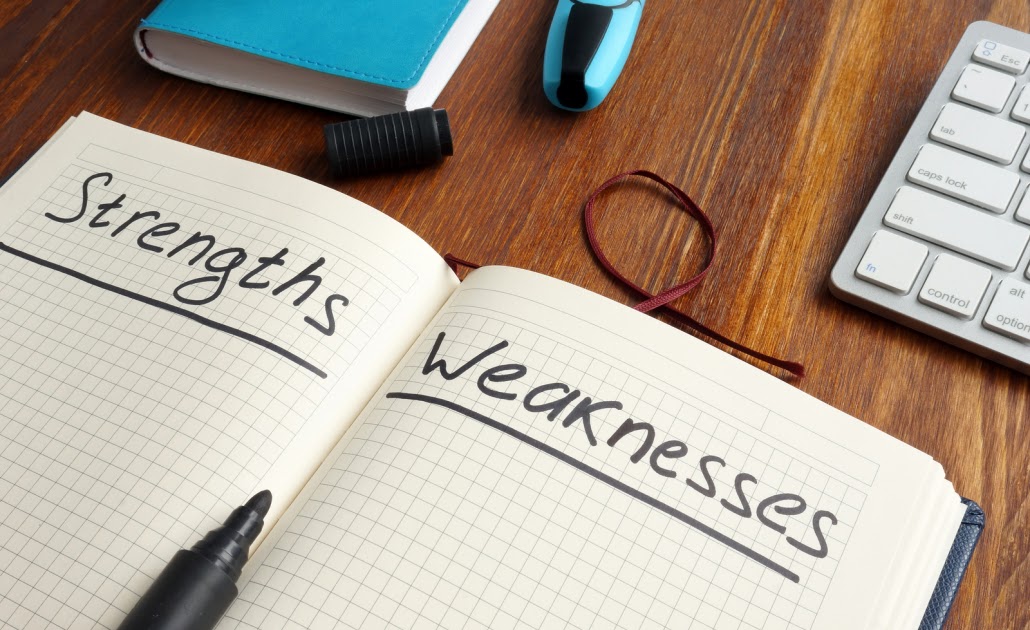
Identifying weaknesses is a crucial step in personal and professional development. However, understanding the nuances of what constitutes a weakness is equally important. Simply acknowledging a perceived deficiency is not enough; a deeper exploration is needed to transform it into a catalyst for growth. This section delves into the nature of weaknesses, differentiating them from limitations and exploring the potential for positive transformation.Recognizing weaknesses is often a prerequisite for progress.
However, it’s important to distinguish between weaknesses, which are areas for development, and limitations, which represent inherent restrictions. Limitations are inherent constraints, often stemming from physical or cognitive abilities. Weaknesses, on the other hand, are areas where performance can be improved through effort and learning.
Differentiating Weaknesses and Limitations
Weaknesses and limitations are distinct concepts. Limitations are inherent restrictions; they represent boundaries beyond which one cannot reasonably progress. Weaknesses, on the other hand, are areas where performance can be improved through effort and learning. For example, someone may have a natural predisposition toward introversion, which could be a limitation in certain social settings, but it’s not necessarily a weakness.
Conversely, a tendency to procrastinate is a weakness that can be overcome with strategies and discipline.
Transforming Weaknesses into Learning Opportunities
A perceived weakness can be a powerful springboard for learning and development. By reframing a weakness as an area for growth, one can cultivate a proactive approach to improvement. This involves identifying the root cause of the weakness and developing targeted strategies to address it. This proactive approach to self-improvement is key to maximizing personal potential.
Reframing Weaknesses into Strengths or Areas for Development
Transforming weaknesses into strengths or areas for development is a process of active engagement and focused improvement. For instance, a person who struggles with public speaking can view this as an area for development. Through consistent practice, such as joining Toastmasters clubs or participating in public speaking workshops, they can transform this perceived weakness into a strength. Another example is someone who struggles with time management.
They can develop specific time management techniques and tools to mitigate the issue and transform this weakness into a strength.
Separating Personal Weaknesses from External Circumstances
It is important to discern between weaknesses stemming from personal attributes and those stemming from external circumstances. While some weaknesses are deeply rooted in personal habits or approaches, others are influenced by external factors. For example, a lack of confidence in a specific skill could stem from a past negative experience, and recognizing this external influence is crucial for effective development.
Similarly, a lack of resources, such as a lack of access to relevant training materials, can hinder progress. Careful consideration of these external factors is critical to ensure that interventions are targeted and effective.
Recognizing Weaknesses in Specific Areas
![What Are Your Weaknesses? [With 10 Sample Interview Answers] - Prep My ...](https://kenzo.web.id/wp-content/uploads/2025/09/AdobeStock_242705830-1200x1200-1.jpg "What Are Your Weaknesses? [With 10 Sample Interview Answers] - Prep My ...")
Identifying your weaknesses in specific areas of personal and professional life is crucial for targeted improvement. Understanding these areas allows for focused development and enhancement of skills, leading to greater success and satisfaction. This section will delve into common weaknesses across various domains, providing examples and prompting self-reflection to pinpoint your individual vulnerabilities.Recognizing weaknesses is not about labeling oneself negatively.
Instead, it’s a proactive step toward self-awareness and personal growth. This section offers a framework to analyze your current strengths and areas for development, enabling informed decisions about how to proceed.
Common Weaknesses in Personal Life
Understanding common weaknesses in personal life allows for targeted improvement and enhanced relationships. Identifying these patterns enables you to develop strategies to address them, leading to greater personal fulfillment and improved connections with others.
- Communication: Difficulties in expressing thoughts and feelings clearly and effectively can negatively impact relationships. This may manifest as struggling to articulate ideas, being overly emotional, or not actively listening to others.
- Time Management: Ineffective time management can lead to missed deadlines, stress, and decreased productivity. This can include difficulty prioritizing tasks, procrastination, or poor planning.
- Decision-Making: Hesitation or difficulty making choices can hinder progress in personal and professional spheres. This might involve overthinking, avoiding decisions, or struggling to weigh options objectively.
- Conflict Resolution: Unresolved conflicts can strain relationships and lead to emotional distress. This might involve avoiding conflict, resorting to aggression, or lacking empathy.
- Emotional Regulation: Inability to manage emotions effectively can lead to interpersonal difficulties and personal struggles. This might involve reacting impulsively, suppressing emotions, or experiencing difficulty recognizing emotional triggers.
Common Weaknesses in Professional Life
Identifying professional weaknesses is essential for career advancement and success. Acknowledging these areas for improvement allows for proactive development and enhancement of professional skills, fostering a more productive and rewarding career path.
- Communication: Ineffective communication skills can hinder collaboration, lead to misunderstandings, and impede project progress. This could include unclear presentations, poor written communication, or difficulty communicating complex ideas.
- Problem-Solving: Struggling to identify and solve problems can negatively impact productivity and efficiency. This might involve difficulty analyzing situations, coming up with creative solutions, or not considering alternative viewpoints.
- Teamwork: Lack of teamwork skills can negatively impact collaboration and create friction among colleagues. This could include difficulties in contributing to group projects, not being supportive of team members, or lacking collaborative spirit.
- Time Management: Inefficient time management can lead to missed deadlines, increased stress, and reduced productivity. This can include difficulties in prioritizing tasks, poor planning, or procrastination.
- Adaptability: Inability to adapt to changing circumstances or new information can hinder professional progress. This could include resistance to change, clinging to outdated methods, or not being flexible in your approach.
Questions to Pinpoint Specific Weaknesses
The following questions can aid in self-assessment to identify specific weaknesses in various aspects of life.
- In what situations do I consistently struggle to communicate effectively? What specific actions or behaviors contribute to these difficulties?
- What tasks or projects frequently cause me to miss deadlines or experience stress? What strategies could I employ to improve my time management skills?
- In what circumstances do I find it challenging to make timely and sound decisions? What factors contribute to this difficulty?
- How can I better manage conflicts in personal and professional settings? What steps can I take to improve my conflict resolution skills?
- What are my emotional triggers? How can I develop strategies to manage my emotional responses more effectively?
Overcoming Weaknesses
Identifying and understanding your weaknesses is a crucial step toward personal and professional growth. However, recognizing these shortcomings is only the first phase. Equally important is developing strategies to actively address and mitigate these areas of deficiency. This section provides actionable steps and techniques to effectively overcome weaknesses, fostering continuous improvement and ultimately, success.Addressing weaknesses isn’t about simply ignoring them; it’s about proactively working to strengthen those areas.
This involves a shift in mindset, from accepting limitations to actively pursuing development and improvement. By implementing the strategies Artikeld below, individuals can transform perceived weaknesses into strengths, leading to enhanced performance and greater self-assurance.
Actionable Strategies for Addressing Weaknesses
Effective strategies for overcoming weaknesses require a multifaceted approach. It’s not enough to simply acknowledge a weakness; you must actively work to improve it. This involves a combination of understanding the root cause, developing targeted strategies, and maintaining consistent effort. Consistent practice is paramount in the process of overcoming weaknesses.
Skill Development and Practice
Developing new skills and consistently practicing them is a vital component of mitigating weaknesses. For example, if your weakness is public speaking, enrolling in a public speaking course and practicing presentations in front of a supportive audience can significantly enhance your skills. This approach emphasizes active engagement and continuous reinforcement of new behaviors. This requires patience, as mastery takes time and effort.
Importance of Consistent Effort and Persistence
Overcoming weaknesses demands sustained effort and unwavering persistence. The journey of improvement is rarely linear; setbacks and plateaus are inevitable. It’s crucial to maintain a positive attitude, learn from mistakes, and stay committed to the process. This unwavering dedication fuels progress and ultimately leads to overcoming the identified weaknesses.
Techniques to Overcome Specific Weaknesses
This table provides a framework for addressing various weaknesses in different areas. It illustrates the interplay between identifying the weakness, developing a targeted strategy, and the importance of consistent practice.
| Weakness Area | Specific Weakness | Targeted Strategy | Example Practice |
|---|---|---|---|
| Communication | Lack of clarity in expressing ideas | Develop clear and concise communication strategies. Use specific language and examples to illustrate concepts. | Practice explaining complex topics to others using simple terms. Seek feedback on your communication style. |
| Time Management | Procrastination | Implement time management techniques such as breaking tasks into smaller, more manageable steps. Prioritize tasks based on importance and urgency. | Create a daily or weekly schedule and allocate specific time slots for different tasks. Use a planner or digital calendar to track progress. |
| Problem-solving | Difficulty identifying root causes | Employ analytical frameworks to systematically break down problems into their constituent parts. Research potential causes and evaluate their impact. | Practice brainstorming possible solutions and evaluate the potential impact of each. |
| Decision-making | Hesitation in making decisions | Identify the factors influencing your decisions. Establish a decision-making framework. Consider the potential consequences of different options. | Practice making decisions on smaller issues. Seek advice from trusted mentors or colleagues. |
Monitoring Progress and Adapting Strategies

Continuous improvement hinges on diligently monitoring progress and adapting strategies based on observations. By tracking progress, individuals gain valuable insights into the effectiveness of their chosen methods, allowing for adjustments that maximize improvement potential. This iterative process ensures that efforts remain aligned with desired outcomes.
Importance of Tracking Progress
Tracking progress in addressing weaknesses is crucial for demonstrating the efficacy of chosen strategies and identifying areas needing adjustment. It provides tangible evidence of progress, fostering motivation and maintaining focus on the desired outcomes. Regular monitoring allows for early detection of potential setbacks, enabling timely interventions and preventing stagnation. Furthermore, tracking progress offers valuable data for analyzing trends and patterns, which can illuminate areas for strategic improvement.
Methods for Evaluating Strategy Effectiveness
Several methods can be employed to assess the effectiveness of strategies designed to mitigate weaknesses. Quantitative metrics, such as performance scores or test results, provide objective measurements of improvement. Qualitative assessments, including self-reflection, feedback from peers or mentors, and observation of behaviors, offer nuanced insights into the impact of strategies on daily actions and interactions. Combining quantitative and qualitative data provides a comprehensive picture of progress and effectiveness.
Adapting Strategies Based on Progress and New Insights
Strategies for addressing weaknesses must be adaptable. As progress is tracked, new insights emerge, highlighting areas where the initial strategies might be less effective or even counterproductive. This necessitates flexibility in approach, allowing for modifications and adjustments to the chosen methods. The ability to adapt is paramount in achieving sustained progress and optimal outcomes. It allows for adjustments in pace, intensity, or specific tactics as needed.
Process for Monitoring Progress and Adjusting Strategies
| Stage | Action | Evaluation Method | Potential Adjustments |
|---|---|---|---|
| Initial Assessment | Identify weakness, establish baseline, define specific strategies. | Self-assessment, consultation with mentors or peers. | Refine strategy scope, redefine goals, adjust timelines. |
| Implementation | Execute chosen strategies consistently. | Regular self-monitoring, tracking key metrics. | Adjust frequency or intensity of strategies, consider alternative tactics. |
| Progress Review | Evaluate progress against established benchmarks. | Quantitative and qualitative analysis (e.g., performance scores, feedback). | Modify strategies, re-prioritize activities, explore new approaches. |
| Refinement and Iteration | Adjust strategies based on observations and feedback. | Continuous monitoring, ongoing feedback from stakeholders. | Tailor strategies, modify approach based on ongoing progress. |
External Resources and Support
Addressing weaknesses effectively often requires leveraging external resources and support. Seeking guidance from experts, utilizing online platforms, and exploring various learning materials can significantly accelerate the process of overcoming challenges and enhancing skills. This section Artikels valuable resources and strategies for maximizing your learning journey.External support can provide perspectives, tools, and encouragement that internal reflection alone may not offer.
Utilizing these resources in conjunction with self-assessment and targeted action plans can dramatically improve the effectiveness of your efforts to develop your skills.
Resources for Addressing Weaknesses
Identifying and utilizing suitable resources can be a crucial step in overcoming weaknesses. This involves a combination of finding materials aligned with your specific needs and understanding how to best utilize the available resources. A well-chosen approach to external support can be invaluable in achieving your personal and professional goals.
- Books: Numerous books offer frameworks and strategies for self-improvement. Works like “Atomic Habits” by James Clear provide actionable insights on building good habits and breaking bad ones, which can be instrumental in addressing weaknesses related to consistency and discipline. “The 7 Habits of Highly Effective People” by Stephen Covey offers a comprehensive guide to personal effectiveness, applicable to various areas of weakness.
Furthermore, books specifically focused on particular skills (e.g., communication, problem-solving) can provide targeted strategies.
- Websites: Online resources offer a vast array of information. Sites like Coursera, edX, and Udemy provide access to a wide range of courses covering numerous skills and topics. These platforms are particularly useful for skill enhancement and gaining new knowledge. Furthermore, dedicated websites for specific industries or professions can offer valuable insights into common weaknesses and their solutions.
- Mentors: A mentor can provide personalized guidance and support. Mentors can offer valuable insights based on their experience, helping to navigate challenges and identify effective solutions. Mentors can also provide motivation and accountability, which are crucial in overcoming weaknesses.
Utilizing Online Courses and Communities
Online courses offer structured learning experiences, providing a flexible and accessible method for skill development. These platforms often include interactive elements, exercises, and opportunities for feedback, which can further enhance the learning process. Engaging with online communities can foster a sense of shared experience and provide peer support, which can prove beneficial in overcoming specific weaknesses.
- Online Courses: Platforms like LinkedIn Learning, Skillshare, and Coursera offer structured courses on various topics, including soft skills like communication and time management, and technical skills related to specific fields. These courses often provide structured learning experiences, including video lectures, exercises, and assessments, leading to measurable improvements in specific skills.
- Online Communities: Engaging with online communities dedicated to specific fields or interests can offer valuable support and insights. These platforms can provide a space to ask questions, share experiences, and receive feedback from peers and experts, helping you understand and overcome your weaknesses. This collaborative environment can often accelerate the learning process.
Seeking Professional Guidance
Professional guidance, such as coaching or therapy, can offer tailored support for addressing specific weaknesses. A professional can provide objective feedback, identify underlying patterns, and develop personalized strategies for improvement. This can be particularly valuable when weaknesses are impacting personal or professional well-being.
- Coaching: A coach can provide personalized guidance and support in achieving specific goals, such as improving communication skills or managing stress. Coaches can offer objective feedback and help you develop action plans for overcoming weaknesses.
- Therapy: In cases where weaknesses are rooted in emotional or psychological factors, therapy can provide a safe space for exploration and growth. A therapist can help you identify the underlying causes of your weaknesses and develop coping strategies for improvement.
Organized Resources
| Resource Type | Description |
|---|---|
| Books | Offer frameworks and strategies for self-improvement, addressing weaknesses related to consistency, discipline, and personal effectiveness. |
| Websites | Provide a vast array of information, including courses on various skills and topics, and insights into industry-specific weaknesses. |
| Mentors | Offer personalized guidance and support, providing valuable insights and helping to navigate challenges effectively. |
| Online Courses | Offer structured learning experiences, including video lectures, exercises, and assessments, for skill development. |
| Online Communities | Provide a space for shared experiences, feedback, and support from peers and experts, accelerating the learning process. |
| Coaching | Provides personalized guidance and support in achieving specific goals, such as improving communication or stress management. |
| Therapy | Offers support for addressing weaknesses rooted in emotional or psychological factors, helping identify underlying causes and develop coping strategies. |
Outcome Summary

In conclusion, knowing your weaknesses is not about dwelling on shortcomings, but rather about recognizing areas for growth. This guide has presented a multi-faceted approach, equipping you with the knowledge and tools to identify, understand, and overcome your weaknesses. By incorporating self-assessment, external feedback, and strategic action plans, you can effectively navigate challenges and achieve greater success in all aspects of your life.
Ultimately, this process fosters self-awareness, enabling you to optimize your strengths and address your limitations constructively. Embrace the journey of self-discovery and watch as your weaknesses transform into stepping stones for personal and professional advancement.