Emotional intelligence (EI) is increasingly recognized as a crucial skill for success in personal and professional life. This guide provides a comprehensive framework for understanding and enhancing your emotional intelligence, covering essential aspects from self-awareness to relationship management.
From recognizing your own emotions to effectively navigating social interactions, this guide equips you with practical strategies and techniques. Explore the key components of EI, including self-regulation, social awareness, and relationship management. Discover how to apply these principles to various contexts, from personal growth to leadership and customer service.
Understanding Emotional Intelligence (EI)
Emotional intelligence, often abbreviated as EI, is a crucial aspect of personal and professional success. It encompasses the ability to understand and manage one’s own emotions, as well as recognize and influence the emotions of others. Developing emotional intelligence is a journey that yields significant rewards in navigating complex interpersonal dynamics.This section delves into the core principles of emotional intelligence, outlining its key components and exploring its profound impact on various facets of life.
Understanding emotional intelligence provides a framework for personal growth and effective interactions, both in personal relationships and professional environments.
Definition of Emotional Intelligence
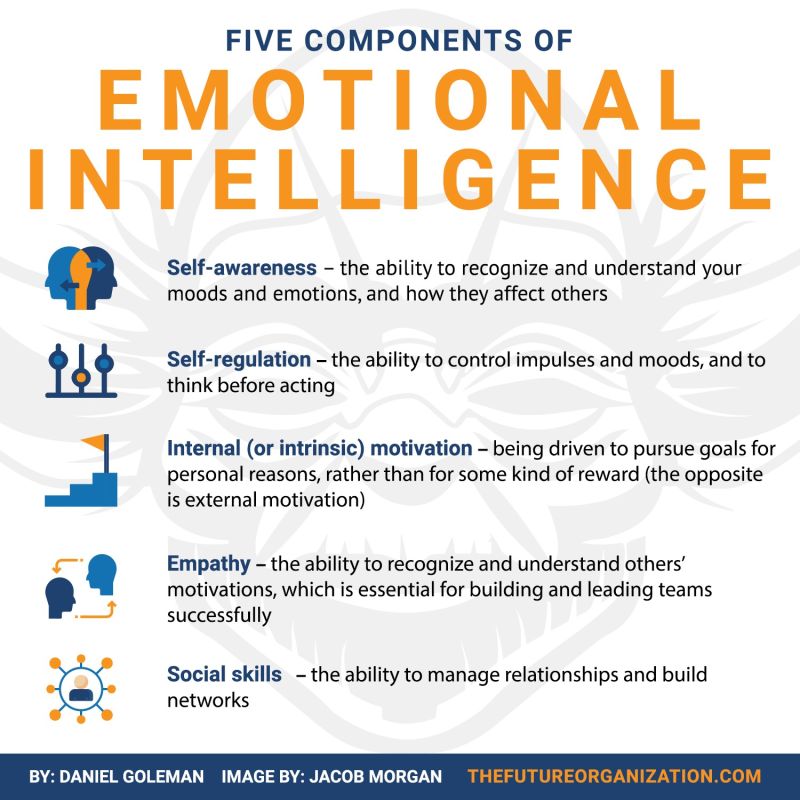
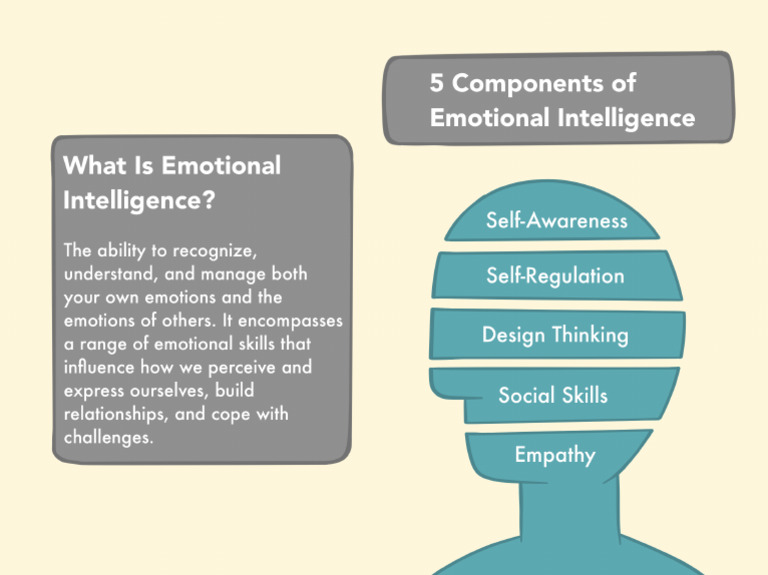
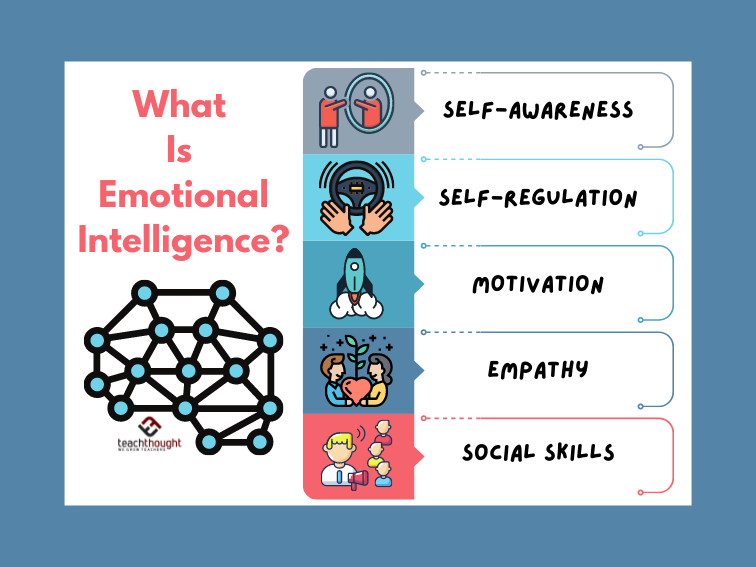
Emotional intelligence is the capacity to be aware of, control, and express one’s emotions, and to handle interpersonal relationships judiciously. It encompasses the ability to perceive, evaluate, and regulate emotions in oneself and others. This encompasses self-awareness, self-regulation, motivation, empathy, and social skills.
Key Components of Emotional Intelligence
Several key components contribute to a strong emotional intelligence. These are interwoven and interdependent, shaping an individual’s overall ability to navigate social situations and manage their own emotional responses effectively.
- Self-Awareness: This involves recognizing and understanding one’s own emotions, strengths, weaknesses, values, and motivations. Self-awareness is fundamental to making sound judgments and decisions, both personally and professionally. For example, recognizing your tendency to become easily frustrated allows you to proactively manage stress and avoid impulsive reactions.
- Self-Regulation: This encompasses the ability to control and manage one’s emotions, impulses, and reactions. Individuals with strong self-regulation are able to remain calm under pressure, avoid impulsive decisions, and maintain composure in challenging situations. A critical aspect is the ability to delay gratification, which is vital for long-term success.
- Motivation: This involves possessing a passion for one’s work, commitment to goals, and persistence in the face of setbacks. Highly motivated individuals are often driven by a strong sense of purpose and a desire for continuous improvement. This translates into dedication to work, strong initiative, and the ability to bounce back from failures.
- Empathy: This involves the ability to understand and share the feelings of others. Empathetic individuals can effectively connect with people on a deeper level, fostering stronger relationships and understanding diverse perspectives. This is crucial in conflict resolution and building trust.
- Social Skills: This encompasses the ability to build and maintain healthy relationships, communicate effectively, and influence others positively. Strong social skills are essential for collaboration, teamwork, and navigating complex social dynamics. This includes active listening, clear communication, and conflict resolution skills.
Importance of Emotional Intelligence in Life
Emotional intelligence significantly impacts both personal and professional life. Individuals with high emotional intelligence tend to experience greater success in relationships, careers, and overall well-being. They are better equipped to manage stress, resolve conflicts, and build strong, supportive connections. In the workplace, they excel in teamwork, leadership, and communication.
Comparison of Emotional Intelligence Models
Different models of emotional intelligence offer varying perspectives on its structure and components. A comparative analysis highlights the commonalities and distinctions between these models.
| Model | Key Components | Focus |
|---|---|---|
| Salovey and Mayer’s Model | Perceiving emotions, using emotions to facilitate thought, understanding emotions, managing emotions | Focuses on the cognitive aspects of emotional intelligence, emphasizing the role of emotion in reasoning and decision-making. |
| Goleman’s Model | Self-awareness, self-regulation, motivation, empathy, social skills | Emphasizes the practical applications of emotional intelligence in personal and professional settings. |
| Bar-On’s Model | Intrapersonal, interpersonal, adaptability, stress management, general mood | Considers emotional intelligence as a broader set of skills impacting well-being and success. |
Self-Awareness
Cultivating self-awareness is a cornerstone of emotional intelligence. It involves recognizing and understanding your own emotions, motivations, and how they impact your thoughts and behaviors. This self-understanding is crucial for effective communication, building strong relationships, and navigating challenging situations. A deeper understanding of your emotional landscape allows you to make more informed decisions and respond more effectively to various circumstances.Developing self-awareness requires consistent introspection and a willingness to examine your internal world.
It’s not about being perfect, but about gaining a clearer picture of your strengths and weaknesses in managing your emotions. This process empowers you to take control of your reactions and responses, leading to improved interpersonal interactions and overall well-being.
Recognizing and Understanding Emotions
Recognizing your emotions is the first step toward managing them effectively. Pay attention to the physical sensations associated with different emotions (e.g., a racing heart for anxiety, a tightness in the chest for anger). Journaling can be a valuable tool for tracking emotional patterns and identifying triggers. By regularly noting your emotional responses in various situations, you can develop a better understanding of what circumstances tend to elicit certain feelings.
Identifying Personal Strengths and Weaknesses
Identifying personal strengths and weaknesses related to emotional intelligence requires self-reflection and feedback from trusted sources. Consider situations where you excelled at managing your emotions and those where you struggled. What factors contributed to your success or setbacks? Seeking constructive feedback from colleagues, friends, or family members can offer valuable insights into areas for improvement. For example, a friend might note your tendency to become easily frustrated under pressure, a valuable insight for developing coping mechanisms.
Evaluating Emotional Responses in Different Situations
Evaluating emotional responses in various situations involves a critical analysis of your reactions. Consider the context surrounding the event, your thoughts, and the resulting actions. Ask yourself questions such as: Was my response proportionate to the situation? Did my emotions influence my judgment? Did I handle the situation effectively?
By systematically evaluating your emotional responses, you can pinpoint patterns and develop more adaptive strategies. This self-evaluation process is essential for continuous growth and improvement.
Benefits of Practicing Self-Awareness
Understanding your emotional responses is key to developing more adaptive strategies. A deeper self-awareness leads to greater self-control and improved relationships. This enhanced emotional intelligence can contribute to significant benefits across various aspects of life.
| Benefit | Explanation |
|---|---|
| Improved Relationships | Self-awareness fosters empathy and understanding, leading to stronger and more fulfilling connections with others. |
| Enhanced Decision-Making | A clear understanding of your emotions helps you make more rational and thoughtful decisions, reducing impulsive reactions. |
| Increased Self-Confidence | Recognizing your strengths and weaknesses builds self-assurance and empowers you to take control of your life. |
| Reduced Stress and Anxiety | By understanding your emotional triggers, you can develop coping mechanisms to manage stress and anxiety more effectively. |
| Improved Communication | Self-awareness allows you to express your emotions constructively and understand the emotions of others, leading to more effective communication. |
Self-Regulation
Self-regulation is a crucial aspect of emotional intelligence, enabling individuals to manage their emotions effectively and respond constructively to challenging situations. It involves the ability to control impulsive reactions, manage stress, and maintain composure under pressure. By developing self-regulation skills, individuals can improve their overall well-being and build stronger relationships.Effective self-regulation isn’t about suppressing emotions, but rather about understanding and managing them in a healthy way.
This allows for more thoughtful responses and a greater capacity for resilience in the face of adversity.
Strategies for Managing and Controlling Emotions
Understanding the triggers that lead to emotional responses is a vital first step in managing them. By recognizing patterns and identifying personal emotional hot buttons, individuals can proactively develop strategies to address these triggers and manage their reactions. Techniques like deep breathing exercises, mindfulness practices, and progressive muscle relaxation can effectively reduce stress and anxiety, promoting emotional balance.
Techniques for Responding Constructively to Stressful Situations
Stressful situations are inevitable parts of life. Developing effective coping mechanisms is paramount for maintaining emotional equilibrium. Proactive planning and preparation for potential stressors can mitigate the impact of challenging events. This involves identifying potential stressors, creating contingency plans, and practicing relaxation techniques to manage the emotional responses to these events. Seeking support from trusted individuals, such as friends, family, or mentors, is also an effective strategy to alleviate stress.
How to Regulate Impulsive Reactions
Impulsive reactions often stem from a lack of awareness of one’s emotions and the potential consequences of actions. Developing self-awareness is key to understanding and managing impulses. Practicing mindfulness and focusing on the present moment can help individuals recognize impulsive thoughts and feelings before they escalate into actions. Utilizing a pause technique, which involves taking a moment to breathe and consider alternative responses, can also help individuals regulate impulsive reactions.
Actions to Take When Feeling Overwhelmed
Feeling overwhelmed is a common experience. It’s essential to develop strategies for managing these feelings effectively. Identifying the source of the overwhelming feeling is crucial. Breaking down overwhelming tasks into smaller, more manageable steps can make the situation feel less daunting. Prioritizing tasks based on urgency and importance can also help to create a sense of control.
Seeking support from others, such as confiding in a friend, family member, or professional, can provide much-needed perspective and assistance. Taking a break, engaging in a relaxing activity, or practicing mindfulness can often alleviate feelings of overwhelm. Recognizing and accepting the feeling of overwhelm is the first step in managing it. This acknowledges the temporary nature of the feeling and allows for a more measured response.
- Identify the Source: Pinpointing the specific cause of overwhelm can provide a clear path to addressing the problem.
- Break Down Tasks: Dividing large, overwhelming tasks into smaller, manageable steps makes the situation feel less daunting and more achievable.
- Prioritize Tasks: Focus on urgent and important tasks first, creating a sense of accomplishment and reducing overall pressure.
- Seek Support: Talking to a trusted friend, family member, or professional can provide perspective and assistance.
- Take Breaks: Stepping away from the situation allows for a mental reset and a return with a fresh perspective.
- Engage in Relaxation: Practicing relaxation techniques, such as deep breathing or meditation, can help calm the mind and body.
- Practice Mindfulness: Focusing on the present moment can help to reduce anxiety and promote a sense of control.
Social Awareness
Developing social awareness is crucial for navigating interpersonal relationships effectively. It involves understanding the perspectives, emotions, and motivations of those around you. This understanding is a cornerstone of strong communication and collaborative work environments. It allows us to build rapport, resolve conflicts, and foster a sense of shared understanding.
Understanding the Emotions of Others
Recognizing and interpreting the emotional states of others is a fundamental aspect of social awareness. This involves paying close attention to both verbal and nonverbal cues. Active listening, combined with an awareness of contextual factors, plays a significant role in accurate emotional interpretation. Observing body language, facial expressions, and tone of voice can offer valuable insights into a person’s emotional state.
Recognizing Nonverbal Cues in Communication
Nonverbal cues often reveal more about a person’s true feelings than words. These cues include facial expressions, posture, gestures, eye contact, and tone of voice. Learning to interpret these cues requires practice and mindful observation. For example, crossed arms might indicate defensiveness, while a smile might mask underlying anxiety. A person leaning forward during a conversation typically signals engagement and interest.
Showing Empathy and Compassion
Empathy is the ability to understand and share the feelings of another. Compassion, building on empathy, is the desire to alleviate the suffering of others. These are essential components of social awareness. Actively listening to others, seeking to understand their perspectives, and responding with sensitivity are key components of demonstrating empathy and compassion. For instance, if a colleague expresses frustration, showing empathy might involve asking clarifying questions to understand the root cause of their concern.
Examples of Emotional Responses in Social Situations
| Social Situation | Appropriate Emotional Response |
|---|---|
| A colleague is having a difficult time completing a project due to a personal issue. | Express empathy, offer support, and suggest resources or strategies for managing the situation. |
| A customer is upset about a product defect. | Listen attentively to their concerns, acknowledge their frustration, and offer a sincere apology. Propose a solution that addresses the issue effectively. |
| A friend is going through a tough breakup. | Offer a listening ear, validate their feelings, and express your support without judgment. Avoid offering unsolicited advice unless explicitly requested. |
| A team member is making a mistake during a presentation. | Offer constructive feedback in a supportive manner. Focus on the specific action and its impact, rather than attacking the person’s character. |
| A family member is expressing anger. | Acknowledge their feelings, avoid escalating the conflict, and find a calm and constructive way to resolve the issue. |
Relationship Management
Cultivating positive and productive relationships is crucial for success in personal and professional life. Effective relationship management involves understanding and responding to the needs and emotions of others, fostering trust, and resolving conflicts constructively. This ability allows individuals to build strong networks, navigate complex social dynamics, and achieve shared goals.
Strategies for Building and Maintaining Positive Relationships
Building and maintaining positive relationships requires consistent effort and a commitment to understanding others’ perspectives. Key strategies include active listening, empathy, and demonstrating genuine interest in the well-being of others. Open communication channels and a willingness to compromise are essential components of healthy relationships.
- Active Listening: This involves focusing on the speaker, paying attention not just to their words but also to their body language and tone of voice. Summarizing and paraphrasing the speaker’s message to ensure understanding demonstrates active engagement and respect.
- Empathy: Empathy is the ability to understand and share the feelings of another. It allows individuals to connect with others on a deeper level and respond appropriately to their emotional needs.
- Demonstrating Genuine Interest: Taking an interest in others’ lives, asking thoughtful questions, and remembering details about them fosters a sense of connection and value.
- Open Communication Channels: Creating a safe and open environment for communication is vital. Encouraging feedback and actively seeking to understand different perspectives promotes mutual respect and trust.
- Compromise: Compromise is a crucial skill in maintaining healthy relationships. It involves a willingness to adjust one’s position or perspective to reach a mutually agreeable outcome.
Effective Communication in Different Contexts
Effective communication is a cornerstone of successful relationship management. Understanding different communication styles and adapting communication strategies accordingly is essential in various contexts. This includes tailoring communication to the audience, considering the context, and utilizing appropriate language.
- Contextual Awareness: Understanding the context of a conversation or interaction is critical for effective communication. Factors like the relationship between the parties, the setting, and the purpose of the communication should be considered.
- Tailoring Communication: Adjusting communication style based on the audience’s background, personality, and communication preferences enhances understanding and rapport.
- Appropriate Language: Using language that is clear, concise, and appropriate to the situation is crucial for effective communication. Avoid jargon or overly technical terms when communicating with those unfamiliar with the subject matter.
Conflict Resolution Techniques
Conflict is inevitable in any relationship, but effective conflict resolution techniques can transform disagreements into opportunities for growth and understanding. Key strategies include active listening, identifying common ground, and seeking mutually beneficial solutions.
- Active Listening: Active listening is paramount in conflict resolution. Pay close attention to the other person’s perspective and acknowledge their feelings. Ask clarifying questions to ensure mutual understanding.
- Identifying Common Ground: Focusing on shared interests and values can help bridge differences and find common ground.
- Seeking Mutually Beneficial Solutions: Collaborating to find solutions that address the concerns of all parties involved fosters a sense of fairness and shared responsibility.
Communication Styles and Their Impact
Understanding different communication styles is crucial for navigating various interpersonal interactions. The table below illustrates different communication styles and their potential impact on relationships.
| Communication Style | Description | Potential Impact |
|---|---|---|
| Assertive | Expressing needs and opinions clearly and respectfully, while also considering others’ perspectives. | Builds trust, fosters respect, and encourages open dialogue. |
| Passive | Avoiding conflict and expressing needs indirectly. | May lead to resentment, frustration, and unmet needs. |
| Aggressive | Expressing needs and opinions forcefully, potentially at the expense of others’ feelings. | Damages relationships, creates conflict, and fosters defensiveness. |
| Passive-Aggressive | Expressing needs indirectly while subtly criticizing or undermining others. | Creates tension, mistrust, and unspoken resentment. |
Developing EI Skills

Cultivating emotional intelligence is a continuous journey, not a destination. Once you’ve grasped the foundational concepts of self-awareness, self-regulation, social awareness, and relationship management, the next step involves actively practicing and developing these skills. This process requires dedication and consistent effort, but the rewards are significant, leading to improved relationships, enhanced communication, and greater personal fulfillment.Developing emotional intelligence involves a multifaceted approach, incorporating various activities and strategies.
This section will detail practical exercises to hone specific EI competencies, from boosting self-awareness to fostering empathy and effective communication.
Specific Activities to Improve Emotional Intelligence
Understanding emotional intelligence is one thing; applying it is another. To truly improve EI, you must engage in activities that target each component. These activities can range from simple mindfulness exercises to more complex interpersonal interactions. Consistent practice strengthens these skills and makes them more natural over time.
- Mindfulness Practices: Engaging in mindfulness exercises, such as meditation or deep breathing, can significantly enhance self-awareness. These practices allow individuals to become more attuned to their internal emotional states, enabling them to identify patterns and triggers. Regular practice cultivates emotional regulation skills by fostering a sense of calm and control amidst stressful situations.
- Journaling: Regular journaling can be a powerful tool for self-reflection. By documenting daily experiences, emotions, and reactions, individuals gain valuable insights into their emotional patterns. Journaling prompts focusing on emotional triggers, responses, and desired outcomes can be particularly helpful. This practice enhances self-awareness and facilitates the development of self-regulation strategies.
- Seeking Feedback: Actively soliciting feedback from trusted colleagues, friends, or family members provides valuable perspectives on how one’s actions and communication styles impact others. This feedback helps individuals recognize blind spots and refine their approaches to social interactions.
Practical Exercises to Enhance Self-Awareness
Self-awareness is the cornerstone of emotional intelligence. It involves recognizing and understanding one’s own emotions, motivations, and values. Engaging in exercises that promote self-reflection and introspection can greatly enhance this crucial competency.
- Emotional Check-Ins: Throughout the day, taking time to identify and label one’s emotions is an effective self-awareness exercise. Note the intensity and source of the emotion. This practice increases familiarity with personal emotional responses.
- Identifying Emotional Triggers: Recognizing situations, people, or events that evoke strong emotional reactions is crucial for self-regulation. Keeping a log of these triggers and corresponding responses helps individuals develop strategies to manage these situations more effectively.
- Values Clarification: Understanding one’s core values provides a framework for decision-making and behavior. Reflecting on personal values clarifies motivations and priorities, leading to more congruent actions. This can help individuals align their behaviors with their internal compass.
Methods for Practicing Empathy and Compassion
Empathy and compassion are vital aspects of emotional intelligence. They involve understanding and sharing the feelings of others, and acting with kindness and concern. Practicing these skills can foster stronger relationships and a more supportive environment.
- Active Listening: Truly listening to others, not just waiting for your turn to speak, is essential for empathy. Paying attention to verbal and nonverbal cues, and seeking to understand the speaker’s perspective, fosters a deeper understanding of their emotions and needs. This fosters stronger connections and reduces misunderstandings.
- Perspective-Taking Exercises: Putting yourself in another person’s shoes to understand their point of view is crucial for empathy. Reading books, watching movies, or engaging in discussions with people from diverse backgrounds helps broaden one’s perspective and build empathy.
- Acts of Kindness: Engaging in acts of kindness, whether large or small, fosters compassion and strengthens relationships. Small gestures, like offering a helping hand or a listening ear, can make a significant difference in others’ lives.
Strategies for Improving Communication Skills
Effective communication is paramount in navigating social interactions. Improving communication skills enhances relationships and promotes mutual understanding. By honing communication strategies, individuals can express themselves clearly and constructively.
- Nonverbal Communication Awareness: Being mindful of body language, tone of voice, and facial expressions during communication is crucial. Recognizing and understanding nonverbal cues from others is equally important. This ensures that communication is congruent and effective.
- Assertive Communication Techniques: Expressing your needs and opinions clearly and respectfully, while acknowledging the perspectives of others, is a key element of assertive communication. This approach builds stronger, healthier relationships.
- Constructive Feedback: Providing and receiving feedback in a constructive manner is essential for personal and professional growth. Focus on specific behaviors, offer suggestions for improvement, and maintain a respectful tone.
Resources for Further Learning and Development
Expanding knowledge and skills in emotional intelligence is an ongoing process. These resources offer various perspectives and approaches to enhance EI.
- Books: Numerous books delve into emotional intelligence, providing insights and practical strategies. Seek out books by recognized experts in the field.
- Workshops and Courses: Workshops and online courses provide structured learning environments and opportunities to practice new skills with guidance.
- Mentorship Programs: Seeking mentorship from experienced individuals can provide tailored guidance and support in developing EI.
EI in Different Contexts
Emotional intelligence (EI) is not confined to a single domain; its application and impact are pervasive across various aspects of life. From personal relationships to professional settings, EI plays a significant role in shaping interactions and outcomes. Understanding how EI manifests and is valued in different contexts provides valuable insights into its multifaceted nature.The ability to understand and manage one’s own emotions, along with recognizing and responding to the emotions of others, is crucial for success in any environment.
This adaptability is especially important in navigating diverse social and professional situations, and demonstrates the importance of EI in shaping personal and professional lives.
EI in the Workplace
Effective communication and collaboration are essential for team success. EI enables employees to understand and respond to the emotions of colleagues, fostering positive working relationships and a supportive environment. Strong emotional intelligence is also critical for effective leadership, conflict resolution, and navigating complex workplace dynamics.
EI in Relationships
Emotional intelligence significantly impacts the quality of personal relationships. Individuals with high EI are better equipped to understand and respond to the emotional needs of others, leading to stronger bonds and more fulfilling connections. This involves empathy, active listening, and the ability to manage conflict constructively. They are also better at communicating their own needs and desires effectively, which contributes to more balanced and satisfying relationships.
EI and Personal Growth
Self-awareness is fundamental to personal growth. By understanding their own emotions and how they impact behaviour, individuals can make conscious choices to improve their emotional well-being and overall life satisfaction. Developing emotional intelligence allows for self-reflection, self-improvement, and a greater understanding of personal motivations.
EI and Decision-Making
Emotional intelligence significantly influences decision-making. Individuals with high EI are better able to consider the emotional impact of their choices on themselves and others, leading to more thoughtful and effective decisions. They are more likely to consider various perspectives and anticipate potential consequences.
EI and Cultural Variations
The value placed on emotional intelligence varies across cultures. Some cultures emphasize direct communication and assertiveness, while others prioritize indirect communication and harmony. Understanding these cultural nuances is critical for effective cross-cultural interactions and avoiding misunderstandings. Recognizing and adapting to these differences is essential for navigating diverse environments and achieving positive outcomes.
EI in Leadership
Leaders with high EI inspire trust and motivate their teams. Their ability to understand and respond to the emotional needs of their followers creates a positive and productive work environment. Strong emotional intelligence allows leaders to provide constructive feedback, resolve conflicts effectively, and make decisions that consider the well-being of their team members.
EI in Customer Service
Customer service interactions are highly dependent on emotional intelligence. Empathy and active listening are critical for understanding customer needs and concerns. Employees with high EI can effectively manage customer emotions, even in challenging situations. This leads to higher customer satisfaction and loyalty, ultimately benefiting the business.
Measuring EI
Assessing emotional intelligence (EI) is crucial for understanding and developing one’s own and others’ emotional capabilities. Accurate measurement provides valuable insights into strengths and areas needing improvement, guiding targeted interventions and fostering personal and professional growth. Various methods exist for evaluating EI, each with its own set of advantages and disadvantages.Different methods offer varied perspectives on emotional intelligence, from self-reported questionnaires to more objective behavioral observations.
The choice of assessment method depends on the specific goals of the evaluation, the context in which it’s being used, and the resources available. The importance of using valid and reliable instruments cannot be overstated. Accurate measurement facilitates the development of tailored strategies for enhancement, leading to positive outcomes.
Different Methods for Assessing EI
Various approaches are employed to evaluate emotional intelligence. These methods can be categorized into self-report questionnaires, behavioral observations, and performance-based assessments. Each method offers unique insights into different aspects of EI, and their strengths and weaknesses must be carefully considered.
- Self-report questionnaires are widely used due to their accessibility and ease of administration. These instruments typically present respondents with a series of statements reflecting emotional and social skills, and participants rate their agreement with each statement. Examples include the Mayer-Salovey-Caruso Emotional Intelligence Test (MSCEIT) and the Schutte Self-Report Emotional Intelligence Scale (SSREIS). Strengths lie in their relative simplicity and broad reach.
However, self-report measures are susceptible to biases like social desirability, potentially underestimating or overestimating EI.
- Behavioral observations involve assessing individuals in real-world situations. Trained observers record and analyze their behaviors related to emotional intelligence, such as conflict resolution, empathy, and communication styles. Examples include performance evaluations, situational judgment tests, and role-playing exercises. These methods provide a more realistic portrayal of emotional intelligence in action. Limitations include the potential for observer bias and the time and resources required for observation.
- Performance-based assessments involve tasks that require individuals to demonstrate their emotional intelligence skills. Participants might be presented with scenarios or dilemmas that require them to apply their understanding of emotions and social situations. Examples include simulations, case studies, and problem-solving exercises. These assessments provide a more nuanced understanding of how individuals apply their EI in practical settings.
However, they can be more complex to develop and administer.
Examples of EI Assessments
Several assessments are available to evaluate emotional intelligence. Each instrument measures different aspects of EI, with varying degrees of reliability and validity.
- The MSCEIT assesses emotional intelligence by evaluating four branches: perceiving emotions, using emotions to facilitate thought, understanding emotions, and managing emotions. This instrument is considered highly reliable and valid.
- The SSREIS focuses on the ability to perceive, understand, and manage emotions. This self-report questionnaire is widely used and provides a measure of emotional intelligence across various facets.
- Other assessments, like the Emotional Quotient Inventory (EQ-i), offer comprehensive EI profiles, incorporating elements of personality and behavior.
Strengths and Limitations of Each Assessment Method
Each assessment method for emotional intelligence has its own advantages and drawbacks. A thorough understanding of these aspects is crucial for selecting the most appropriate method.
| Assessment Method | Strengths | Limitations |
|---|---|---|
| Self-report questionnaires | Easy to administer, relatively inexpensive, and widely available. | Susceptible to social desirability bias, may not accurately reflect real-world behavior. |
| Behavioral observations | Provides a more realistic portrayal of EI in action. | Time-consuming and resource-intensive, prone to observer bias. |
| Performance-based assessments | Evaluates how individuals apply their EI in practical settings. | Complex to develop and administer, may not capture all aspects of EI. |
Importance of Accurate and Valid EI Assessment Tools
The accuracy and validity of EI assessment tools are paramount for their effective application. Reliable instruments provide a foundation for targeted interventions and facilitate meaningful development.Accurate assessment tools allow for the identification of individuals’ strengths and weaknesses in emotional intelligence. Valid tools ensure that the results accurately reflect the construct being measured, avoiding misinterpretations and fostering informed decision-making.
The results of accurate assessments are crucial for individuals and organizations to develop and improve emotional intelligence.
Role of Feedback in Improving EI
Constructive feedback is essential for personal growth in emotional intelligence. Feedback provides valuable insights into behaviors and strategies that can be adjusted for improvement. Constructive feedback is essential for individuals to understand their emotional intelligence and to develop strategies for improvement.Feedback should be specific, actionable, and focused on observable behaviors rather than personal traits. Individuals receiving feedback should be encouraged to reflect on the feedback and identify areas for growth.
This reflective process is critical for the successful implementation of feedback and improvement of emotional intelligence.
Overcoming Emotional Challenges
Emotional intelligence encompasses the ability to understand and manage our own emotions, as well as recognize and influence the emotions of others. A crucial aspect of emotional intelligence is the capacity to navigate emotional challenges effectively. This involves developing strategies for managing negative emotions, overcoming emotional blocks, and effectively coping with stress and anxiety. Recognizing when professional support is needed is also vital.Developing resilience and coping mechanisms is essential for navigating life’s inevitable emotional ups and downs.
By understanding and addressing these challenges, we can cultivate emotional well-being and improve our overall quality of life. This section explores practical strategies for effectively managing and overcoming emotional difficulties.
Strategies for Dealing with Negative Emotions
Understanding the root causes of negative emotions is the first step in effectively managing them. Identifying triggers and patterns allows for proactive strategies to be implemented. This involves acknowledging the emotion, labeling it accurately, and exploring potential underlying causes. Journaling, meditation, and mindfulness practices can aid in this process.
- Identifying Triggers: Recognizing specific situations, people, or thoughts that evoke negative emotions is key. This allows for anticipatory measures and preparation. For example, if public speaking triggers anxiety, practicing relaxation techniques beforehand can help manage the response.
- Emotional Regulation Techniques: Techniques like deep breathing exercises, progressive muscle relaxation, and cognitive reframing can be used to calm and manage overwhelming emotions. These techniques can help individuals respond to triggers in a more constructive manner.
- Acceptance and Validation: Acknowledging and accepting negative emotions without judgment is crucial. Allowing oneself to experience these feelings without trying to suppress them can lead to a more balanced emotional response. For example, acknowledging feelings of sadness without judgment can pave the way for processing and moving forward.
Techniques for Overcoming Emotional Blocks
Emotional blocks can hinder personal growth and well-being. Identifying and addressing these blocks is vital for achieving emotional freedom. Common emotional blocks include fear of vulnerability, perfectionism, and self-doubt. Overcoming these blocks involves recognizing their presence, challenging negative self-talk, and fostering a growth mindset.
- Challenging Negative Self-Talk: Identifying and questioning negative self-talk is essential for overcoming emotional blocks. Replacing negative thoughts with positive and realistic affirmations can lead to significant improvements in self-perception.
- Setting Realistic Goals: Setting achievable goals that align with personal values and aspirations can help build confidence and reduce feelings of inadequacy. These goals should be challenging yet attainable, providing a sense of accomplishment.
- Seeking Support from Others: Talking to trusted friends, family members, or therapists can provide valuable perspectives and support. Sharing experiences and gaining insights from others can aid in overcoming emotional blocks.
Coping Mechanisms for Managing Stress and Anxiety
Stress and anxiety are common experiences, and effective coping mechanisms are essential for managing these emotions. Proactive strategies can reduce the impact of stress and anxiety, leading to improved mental and physical well-being.
- Time Management Techniques: Prioritizing tasks, breaking down large projects into smaller steps, and setting realistic deadlines can reduce feelings of overwhelm. Using tools like to-do lists and calendars can aid in organization and reduce stress.
- Mindfulness and Meditation: Mindfulness practices can help individuals stay present in the moment, reducing reactivity to stressful situations. Meditation can calm the mind and body, promoting a sense of peace and control.
- Healthy Lifestyle Choices: Adequate sleep, regular exercise, and a balanced diet play a significant role in managing stress and anxiety. Prioritizing these aspects of well-being can significantly improve emotional resilience.
Seeking Professional Support When Needed
Professional support is often beneficial in addressing complex emotional challenges. Seeking guidance from a therapist or counselor can provide a safe space for exploration and support.
- Recognizing When Professional Support is Necessary: If emotional challenges significantly impact daily life, professional support should be considered. If symptoms persist or worsen, seeking professional help is a proactive step.
- Finding a Suitable Therapist or Counselor: Researching and selecting a therapist or counselor with relevant experience and expertise is crucial. Finding someone who understands and empathizes with your needs is important.
- Understanding the Benefits of Therapy: Therapy can provide a structured approach to understanding and addressing emotional challenges, fostering coping mechanisms and strategies.
Steps to Take When Experiencing Intense Emotional Distress
Intense emotional distress can be overwhelming. Taking proactive steps can mitigate the impact and promote recovery.
- Reach Out to a Trusted Person: Communicating with a trusted friend, family member, or support group can provide immediate emotional support.
- Seek Immediate Help if Necessary: If the distress is severe or life-threatening, contact emergency services or a crisis hotline immediately.
- Engage in Self-Soothing Activities: Engage in activities that promote relaxation and comfort, such as listening to music, taking a warm bath, or spending time in nature.
Closing Notes
In conclusion, enhancing emotional intelligence is a journey of self-discovery and skill development. By understanding the core components, practicing the techniques, and applying EI in diverse contexts, you can cultivate stronger relationships, improve decision-making, and navigate challenges with greater resilience and effectiveness. This comprehensive guide provides a roadmap for this journey, offering insights, strategies, and resources for continued growth.