Achieving long-term goals often hinges on consistent effort. This guide delves into the multifaceted nature of consistency, exploring its importance in personal development and various life domains. From understanding the core principles to identifying potential obstacles and implementing effective strategies, we’ll cover the entire spectrum of staying consistent.
The journey towards consistency isn’t always straightforward. This guide will equip you with practical tools and techniques to navigate common challenges, build sustainable habits, and adapt to life’s inevitable changes. We’ll examine the role of external support, the significance of resilience, and methods for measuring and evaluating your progress.
Understanding Consistency

Consistency, in the context of personal development and goal achievement, refers to the reliable and predictable application of effort and behavior over time. It’s not about perfection, but rather about maintaining a steady course towards a desired outcome. This steadfastness, when coupled with a well-defined plan, dramatically increases the likelihood of success.Consistency isn’t a one-size-fits-all approach; it must be tailored to individual needs and goals.
It’s about creating routines and habits that align with personal values and aspirations. Furthermore, understanding consistency involves acknowledging that setbacks and deviations from the planned path are inevitable. The key is to learn from these experiences and adjust the approach without losing sight of the ultimate objective.
Defining Consistency
Consistency, in the realm of personal development, is the dependable application of effort and behavior toward achieving goals. It is characterized by regularity and predictability in actions, thoughts, and feelings. This consistent application is essential for cultivating positive habits and achieving long-term success.
Examples of Consistent Behaviors
Consistent behaviors manifest in various aspects of life. At work, this might involve consistently meeting deadlines, actively participating in team projects, and demonstrating a proactive attitude. In relationships, consistency translates to demonstrating empathy, communicating effectively, and consistently showing support. In hobbies, consistency could mean dedicating regular time for practice, actively seeking improvement, and maintaining engagement.
Importance of Consistency for Long-Term Success
Consistency is crucial for long-term success because it builds momentum and resilience. By consistently pursuing goals, individuals cultivate habits and routines that become ingrained. This steady progress, even in the face of challenges, significantly increases the likelihood of achieving significant milestones.
Consistency vs. Rigidity
Consistency should not be confused with rigidity. While consistency involves a predictable pattern of behavior, rigidity entails inflexibility and an unwillingness to adapt to changing circumstances. Consistency allows for adjustments based on feedback and experience, whereas rigidity hinders growth and adaptability. Consistent individuals are open to modifying their approaches based on new information, while rigid individuals often fail to acknowledge their shortcomings.
Illustrative Table
| Behavior | Frequency | Duration | Impact on Goal |
|---|---|---|---|
| Daily Exercise | Every day | 6 months | Improved physical health, increased energy levels, and a stronger sense of well-being. |
| Regular Reading | 30 minutes daily | 1 year | Enhanced vocabulary, improved critical thinking skills, and broadened perspectives. |
| Consistent Networking | Weekly | 2 years | Expanded professional network, new opportunities, and a stronger sense of community. |
| Active Listening in Relationships | Throughout interactions | Ongoing | Stronger, more fulfilling relationships based on trust and understanding. |
Identifying Barriers to Consistency

Maintaining consistent habits and achieving goals requires understanding the obstacles that often hinder progress. Numerous factors can disrupt the desired routine, and recognizing these barriers is the first step toward overcoming them. By identifying and addressing these challenges, individuals can significantly improve their ability to stay on track and achieve their objectives.
Common Obstacles to Consistency
Understanding the common obstacles that prevent individuals from staying consistent is crucial for developing effective strategies to overcome them. Procrastination, lack of motivation, and external pressures are among the most prevalent factors that disrupt routines and prevent individuals from maintaining consistency.
Procrastination
Procrastination, the act of delaying tasks, is a significant barrier to consistency. It often stems from fear of failure, perfectionism, or an overwhelming feeling of the task’s difficulty. The immediate gratification of other activities often outweighs the long-term benefits of completing the task, leading to a cycle of missed deadlines and reduced motivation. For instance, starting a new exercise routine might be delayed due to the feeling of initial discomfort or the perception of a lengthy process.
Lack of Motivation
Maintaining consistent effort requires sustained motivation. A lack of intrinsic or extrinsic motivation can lead to inconsistent behavior. This can manifest in a decreased desire to engage in the activity, feeling a lack of purpose, or a perceived lack of progress. Motivation can fluctuate based on various factors such as personal circumstances, emotional state, or external influences.
For example, an individual might lose motivation to learn a new language due to a perceived lack of immediate benefit or a challenging learning curve.
External Pressures
External pressures, such as unexpected events, responsibilities, or obligations, can significantly impact consistency. These pressures often emerge unexpectedly and can disrupt established routines, causing individuals to deviate from their goals. Family emergencies, work deadlines, or personal crises are examples of external factors that can disrupt consistency.
Impact of Self-Doubt and Fear of Failure
Self-doubt and the fear of failure can significantly hinder consistency. These internal barriers create a sense of insecurity and apprehension, leading to a reluctance to commit to a course of action. This negative self-perception can manifest in avoiding challenges, setting unrealistic expectations, or ultimately abandoning efforts. For example, someone pursuing a creative career might avoid submitting their work due to fear of criticism or negative feedback.
Environmental Factors
Environmental factors can also impact consistency. These factors include the physical surroundings, access to resources, and the social environment. Unfavorable conditions, such as a chaotic workspace or a lack of necessary tools, can impede progress and diminish motivation. For example, a student might struggle to maintain focus in a noisy or distracting study environment.
Strategies to Overcome Barriers
Overcoming these obstacles requires a proactive approach. Strategies for addressing procrastination, lack of motivation, external pressures, self-doubt, and environmental factors are essential for achieving consistency. By developing coping mechanisms and implementing strategies, individuals can cultivate a positive mindset and successfully navigate challenges.
| Barrier | Description | Example | Strategies to Overcome |
|---|---|---|---|
| Procrastination | Delaying tasks due to fear, perfectionism, or perceived difficulty. | Postponing a writing assignment due to fear of not meeting expectations. | Break down tasks into smaller, manageable steps; set realistic deadlines; create a dedicated workspace; reward yourself for completing tasks. |
| Lack of Motivation | Decreased desire to engage in an activity due to a lack of purpose or perceived lack of progress. | Losing interest in a workout routine due to a perceived lack of results. | Identify the underlying reasons for the lack of motivation; set clear goals; find ways to make the activity more enjoyable; seek support from others. |
| External Pressures | Unexpected events, responsibilities, or obligations that disrupt routines. | Missing a workout session due to an unexpected family emergency. | Prioritize tasks; create a flexible schedule; communicate with others about your commitments; develop coping mechanisms for stressful situations. |
| Self-Doubt & Fear of Failure | Insecurity and apprehension that prevent commitment to a course of action. | Avoiding a job interview due to fear of not being good enough. | Practice self-compassion; focus on progress, not perfection; seek positive feedback; remind yourself of past successes. |
| Environmental Factors | Physical surroundings, access to resources, and social environment that hinder consistency. | Difficulty concentrating in a noisy or cluttered study area. | Create a dedicated workspace; eliminate distractions; utilize available resources; seek a supportive social environment. |
Building Habits for Consistency
Cultivating consistent habits is a cornerstone of achieving long-term goals. It’s not about overnight transformations, but rather about developing sustainable routines that become ingrained over time. This process requires understanding your personal motivations and identifying effective strategies to overcome obstacles. This section will provide practical approaches to building and maintaining consistent habits.Developing consistent habits is not a one-size-fits-all endeavor.
Success hinges on understanding your unique needs and preferences. It’s crucial to create a tailored approach that aligns with your personal circumstances and aspirations. This section will Artikel methods to structure your life around consistent habits and provide practical tools to track your progress.
Strategies for Developing Consistent Habits
Consistent habits are not formed overnight. They are built through conscious effort and a structured approach. This involves identifying specific actions, determining the frequency with which they should be performed, and creating a supportive environment. This section will Artikel key strategies to facilitate this process.
- Mindful Action Planning: Start by identifying the specific actions you want to make consistent. Clearly define the behavior. For example, “exercise for 30 minutes, three times a week.” This clarity provides a concrete target. Furthermore, understanding your motivation behind the habit helps sustain commitment.
- Gradual Integration: Begin with small, manageable steps. Instead of aiming for an immediate overhaul, introduce new habits gradually. This approach reduces the likelihood of feeling overwhelmed and fosters a sense of accomplishment as you progress. For example, instead of aiming to work out daily, start with 15 minutes three times a week, gradually increasing the duration and frequency.
- Reward-Based Systems: Positive reinforcement plays a crucial role. Establish a reward system that motivates you to maintain consistency. This could involve treating yourself to something enjoyable after achieving a specific milestone. For example, after completing a week of consistent exercise, treat yourself to a new workout outfit or a relaxing bath.
The Role of Routines and Schedules
Consistent routines and schedules are indispensable for maintaining consistency. They provide a framework for incorporating new habits into your daily life. Creating a predictable structure reduces decision fatigue, freeing up mental energy for other important tasks. This structured approach enhances the likelihood of success.
- Structured Scheduling: Allocate specific time slots for your habits within your daily schedule. Treat these appointments with the same importance as any other scheduled activity. This creates a sense of obligation and enhances the likelihood of adherence.
- Routine Incorporation: Incorporate new habits into existing routines. For example, if you want to read more, make it a part of your evening routine, perhaps after dinner. This integration helps seamlessly incorporate the new habit into your existing structure.
Setting Realistic Goals and Breaking Them Down
Setting realistic goals and breaking them down into smaller steps is critical for sustaining consistency. Ambitious targets often lead to disappointment and discouragement. Instead, focus on incremental progress. This approach fosters a sense of accomplishment and keeps you motivated.
- Realistic Goal Setting: Begin by setting achievable goals. These should be specific, measurable, achievable, relevant, and time-bound (SMART goals). For example, “read 10 pages per day” is more attainable than “read a book a week.”
- Step-by-Step Approach: Break down larger goals into smaller, manageable steps. This makes the overall task less daunting and allows you to celebrate small victories along the way. For example, if you want to run a marathon, start with shorter distances and gradually increase your mileage.
Tracking Progress and Identifying Patterns
Tracking your progress and identifying patterns is crucial for understanding what works and what doesn’t. This data-driven approach allows you to adjust your strategies based on your specific needs. This section details the importance of documenting your progress and analyzing trends.
- Monitoring Progress: Use a journal, a spreadsheet, or a habit-tracking app to document your progress. Record the frequency of the habit and any challenges encountered. This systematic approach allows you to identify patterns and make necessary adjustments.
- Pattern Analysis: Regularly review your progress logs to identify any patterns. Are there specific days or times when you struggle to maintain consistency? This understanding allows you to address these obstacles proactively. For example, if you find you consistently miss workouts on Mondays, identify the cause (e.g., social commitments) and find a solution (e.g., reschedule workouts).
Example Habit Tracking Table
| Habit | Action Steps | Frequency | Reward System |
|---|---|---|---|
| Daily Exercise | 30-minute workout (e.g., running, yoga) | Daily | Treat yourself to a healthy snack or listen to an audiobook after completing the exercise. |
| Reading | Read for 30 minutes | Daily | Buy a new book or magazine after completing a week of consistent reading. |
| Learning a new skill | Practice for 30 minutes daily | Daily | Treat yourself to a meal or coffee after completing a week of consistent practice. |
Strategies for Maintaining Consistency

Cultivating consistency is not a one-time achievement but a continuous journey requiring conscious effort and adaptable strategies. It demands a proactive approach to motivation, resilience, and a willingness to adjust plans as needed. Effective strategies can significantly improve the likelihood of success in any endeavor.Maintaining consistency hinges on understanding that setbacks and challenges are inevitable. Recognizing these as learning opportunities, rather than insurmountable obstacles, allows individuals to adapt their approach and continue progressing toward their goals.
The key lies in developing a robust system of support and self-regulation, which are discussed in more detail below.
Staying Motivated and Focused
Sustaining motivation over extended periods is crucial for consistent behavior. Intrinsic motivation, deriving from internal rewards and personal satisfaction, is more sustainable than external motivators. Setting specific, measurable, achievable, relevant, and time-bound (SMART) goals provides a clear direction and a tangible sense of progress. Regular self-reflection on progress and challenges helps to identify areas for improvement and adjust strategies accordingly.
Furthermore, breaking down large goals into smaller, manageable tasks can reduce feelings of overwhelm and increase the sense of accomplishment. Visualizing success and celebrating milestones are also valuable tools in maintaining motivation.
Self-Care and Stress Management
Prioritizing self-care and effective stress management is essential for maintaining consistency. Adequate sleep, balanced nutrition, regular exercise, and relaxation techniques contribute to overall well-being, allowing individuals to better handle stress and maintain focus. Recognizing and addressing stress triggers can help to prevent burnout and maintain a positive mindset. Mindfulness practices, such as meditation and deep breathing exercises, can enhance self-awareness and improve coping mechanisms.
The incorporation of regular breaks and downtime can prevent mental fatigue and promote a sustainable approach to consistency.
Overcoming Setbacks and Challenges
Setbacks are an inevitable part of any journey toward consistency. Developing a proactive approach to handling setbacks is crucial. Instead of viewing them as failures, individuals should analyze the root cause of the setback and identify areas for improvement. A growth mindset, which embraces challenges as opportunities for learning and development, fosters resilience. Seeking support from mentors, peers, or support groups can provide valuable perspectives and encouragement during challenging times.
A detailed plan for dealing with potential setbacks, including contingency plans, can be beneficial.
Adjusting Plans without Losing Momentum
Flexibility and adaptability are key components of maintaining consistency. Rigid plans can hinder progress when unforeseen circumstances arise. The ability to adjust plans without losing momentum is essential. Regular reviews of progress and re-evaluation of goals can help individuals to proactively adapt to changing circumstances. A clear understanding of the core principles behind the goals can facilitate adjustments without losing sight of the overarching objectives.
Anticipating potential obstacles and having alternative strategies ready can minimize disruptions and maintain forward momentum.
Comparison of Approaches to Maintaining Consistency
Various approaches can support consistency. Mindfulness practices, for example, enhance self-awareness and promote present-moment focus. Positive reinforcement strategies, such as rewarding progress, can encourage continued effort and build positive associations with desired behaviors. Identifying the specific approach that best aligns with personal preferences and needs is key. Mindfulness, by promoting self-awareness, helps to understand triggers and maintain focus, while positive reinforcement motivates sustained effort.
Strategies for Maintaining Consistency
| Strategy | Description | Example | Benefits |
|---|---|---|---|
| Goal Setting (SMART) | Establishing specific, measurable, achievable, relevant, and time-bound goals. | “Walk for 30 minutes, three times a week, for the next month.” | Provides clear direction, tracks progress, and increases motivation. |
| Self-Care | Prioritizing physical and mental well-being through adequate sleep, nutrition, exercise, and relaxation. | Scheduling time for exercise, healthy meals, and meditation. | Reduces stress, improves focus, and enhances resilience. |
| Contingency Planning | Developing alternative plans for anticipated obstacles. | If the gym is closed, go for a run in the park. | Maintains momentum in the face of unexpected disruptions. |
| Positive Reinforcement | Rewarding progress and desired behaviors. | Treating oneself to a movie after achieving a specific goal. | Encourages continued effort and builds positive associations. |
External Support and Accountability
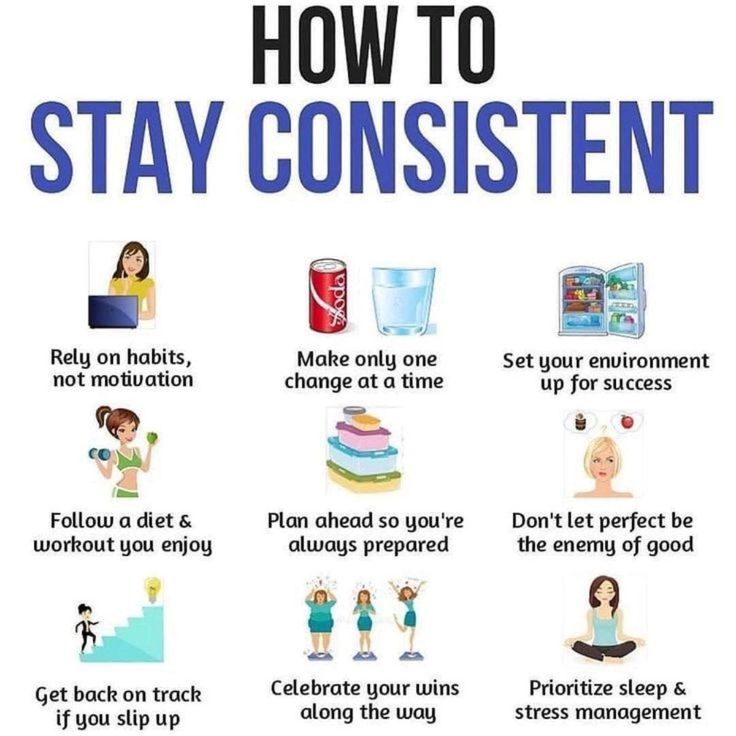
Cultivating consistency is a journey that often benefits greatly from external support and accountability. Having a strong support system can provide encouragement, motivation, and guidance, helping you stay on track even when facing challenges. Understanding the role of various support structures and actively seeking help when needed are crucial components of a sustainable approach to consistency.External support isn’t just about having someone to talk to; it’s about having a network of people who understand your goals and are invested in your success.
This network can provide encouragement, guidance, and a sense of shared purpose, making it easier to overcome obstacles and maintain momentum. Building such a system is a proactive step toward achieving your objectives.
The Role of Support Systems
A robust support system plays a critical role in fostering consistency. This system provides a network of encouragement and accountability, offering a vital safety net when motivation wanes. The encouragement from supportive individuals can help maintain positive momentum, while the accountability aspect ensures continued effort and adherence to goals.
The Importance of Mentorship and Accountability Partners
A mentor or accountability partner can be invaluable in maintaining consistency. A mentor provides guidance, knowledge, and experience, offering insights into navigating potential obstacles and celebrating successes. Accountability partners, on the other hand, provide regular check-ins and support, helping you stay committed to your goals. They serve as a crucial external force, motivating you to maintain consistency and address setbacks promptly.
Leveraging Technology and Online Communities
Online communities and technology offer numerous opportunities for external support. Platforms like social media groups, forums, and dedicated online communities can connect you with like-minded individuals, fostering a supportive environment where you can share experiences, receive encouragement, and gain valuable insights. This type of digital support can be particularly helpful for those pursuing goals that require specialized knowledge or for those in remote locations.
Examples of Support Systems
Support systems can manifest in diverse forms, including family members, friends, colleagues, mentors, and online communities. Each type of support offers unique advantages, contributing to a well-rounded approach to maintaining consistency. Finding a system that aligns with your needs and personality is crucial for effective support.
Seeking Help When Needed
Seeking help is a sign of strength, not weakness. Recognizing when you need additional support is essential for maintaining consistency. Don’t hesitate to reach out to trusted individuals or resources when facing challenges or feeling overwhelmed. This proactive approach allows you to address obstacles and maintain progress toward your goals.
Table of Support Systems
| Support System | Description | Benefits | Examples |
|---|---|---|---|
| Family and Friends | Support from loved ones who understand your goals and provide encouragement. | Emotional support, shared experiences, encouragement, and a sense of belonging. | Sharing progress with family, discussing challenges with friends, receiving encouragement from loved ones. |
| Mentors | Experienced individuals who guide and provide advice based on their knowledge and expertise. | Guidance, knowledge sharing, insights into potential obstacles, and learning from experience. | Seeking advice from a professional in your field, engaging with experienced peers. |
| Accountability Partners | Individuals who regularly check in to ensure you stay on track with your goals. | Motivation, consistent reminders, support to overcome challenges, and shared responsibility. | Partnering with a friend to track progress, collaborating with a colleague to stay on task. |
| Online Communities | Digital platforms that connect individuals with shared interests and goals. | Shared experiences, encouragement, support, and access to a wider range of perspectives. | Joining online forums, participating in social media groups, connecting with individuals pursuing similar goals. |
Adapting Consistency to Change
Maintaining consistency isn’t about rigid adherence to a predetermined plan, but rather about a flexible approach that allows for adjustments and adaptations. Life throws curveballs, and true consistency involves the ability to navigate these unexpected changes while still achieving your goals. This requires understanding that adapting to change is an integral part of maintaining long-term consistency.Consistency is not a static entity; it is a dynamic process that needs to evolve alongside life’s inevitable shifts.
Flexibility and adaptability are crucial components in this dynamic process. Recognizing this allows us to proactively address challenges and ensure that our efforts remain aligned with our goals, even when circumstances shift.
Importance of Flexibility and Adaptability
Flexibility and adaptability are essential for maintaining consistency in the face of change. Rigid adherence to a plan, without the capacity to adjust, can lead to frustration, burnout, and ultimately, abandonment of the desired goals. Embracing change as an opportunity for refinement, rather than an obstacle, allows for a more sustainable and fulfilling pursuit of objectives. This ability to adjust allows us to remain engaged and motivated, even when the path deviates from the original plan.
Strategies for Adjusting Goals and Plans
Effective strategies for adjusting goals and plans when faced with unexpected changes include:
- Re-evaluating priorities: When faced with a significant change, taking time to re-evaluate your priorities is crucial. This involves assessing which goals remain relevant and which might need to be adjusted or even temporarily deferred. For instance, if a family emergency arises, personal goals might take a backseat for a period, but the underlying commitment to long-term objectives should remain intact.
- Breaking down goals into smaller, manageable steps: Breaking down larger goals into smaller, more manageable steps allows for greater flexibility. If a major project is impacted by a change, the smaller, actionable steps can be re-prioritized or adapted to maintain progress. This allows for a more agile and responsive approach.
- Identifying alternative solutions: When a planned activity is disrupted, brainstorming alternative solutions is key. For example, if a training session is canceled, finding a substitute method for gaining the desired knowledge or skill is a critical component of maintaining consistency.
Adapting Routines to New Circumstances
Adjusting routines to new circumstances is a critical aspect of maintaining consistency. Adaptability involves recognizing that life’s changes may necessitate adjustments to existing routines.
- Scheduling flexibility: Integrating flexibility into daily schedules allows for unexpected events and adjustments. This may involve shifting start times, extending deadlines, or finding alternative ways to accomplish tasks.
- Utilizing time management techniques: Effective time management techniques can help accommodate changes and ensure that progress continues. Tools like task prioritization and time blocking can facilitate adaptation.
- Prioritizing tasks: Focusing on the most important tasks first and adjusting priorities as needed can be crucial in adapting to new situations. This involves understanding what can be postponed and what requires immediate attention.
Learning from Setbacks and Adjusting Strategies
Learning from setbacks is a crucial component of maintaining consistency. Setbacks are inevitable; the key lies in learning from them and adapting strategies accordingly.
- Analyzing the cause of setbacks: Identifying the underlying reasons behind setbacks provides valuable insights for future adjustments. By understanding the reasons, we can develop strategies to avoid similar issues.
- Experimenting with new approaches: If a particular strategy is proving ineffective, exploring alternative approaches can lead to more successful outcomes. This might involve trying new tools, methods, or techniques.
- Seeking support and feedback: Seeking support from mentors, peers, or coaches can provide valuable perspectives and feedback, which can be crucial in adapting strategies.
Resilience and Perseverance
Resilience and perseverance are crucial in adapting to change and maintaining consistency. The ability to bounce back from setbacks and maintain a positive attitude is essential for sustained success. Developing these traits fosters a more resilient approach to navigating life’s challenges.
“The difference between ordinary and extraordinary is that little extra.”
Jimmy Johnson
Table: Adapting to Change
| Change | Impact | Strategy | Outcome |
|---|---|---|---|
| Unexpected project deadline shift | Disruption of existing workflow | Re-prioritize tasks, adjust timelines, communicate with team | Project completion within the new deadline, maintaining team morale |
| Sudden illness impacting training schedule | Disruption of fitness routine | Explore alternative training methods (e.g., online workouts), adjust goals to accommodate recovery | Continued progress towards fitness goals, improved health and well-being |
| Family emergency requiring relocation | Disruption of daily routine, potential work schedule changes | Communicate with employer, adjust work schedule, find suitable accommodation | Maintaining employment and supporting family needs, preserving long-term goals |
| Loss of key equipment | Impaired workflow, potential project delays | Seek alternative resources, explore different methods, communicate with stakeholders | Continued project progress, maintaining efficiency |
Measuring and Evaluating Consistency
Understanding consistency is not just about maintaining a routine; it’s also about objectively assessing how well you’re adhering to it. This crucial step allows for identification of strengths, weaknesses, and areas requiring adjustment in your approach to achieving goals. Accurate measurement enables proactive adjustments and reinforces positive behaviors.Effective evaluation of consistency hinges on the ability to track progress, set measurable milestones, and analyze patterns over time.
This process involves a combination of self-assessment, feedback, and data analysis. By understanding the patterns of your consistency, you can fine-tune your strategies and maintain momentum toward your goals.
Tracking Progress Towards Goals
Regular tracking of progress is essential for maintaining consistency. It provides a concrete view of your performance and allows for adjustments to be made when necessary. Tracking methods can range from simple journaling to more sophisticated digital tools. The key is to choose a system that aligns with your personal preferences and the nature of your goals.
Consistent recording of progress allows you to see trends and identify potential challenges early on.
Setting Measurable Milestones
Setting measurable milestones is crucial for tracking progress effectively. Instead of aiming for vague goals, define specific, measurable, achievable, relevant, and time-bound (SMART) milestones. For example, instead of “exercise more,” a SMART milestone could be “walk for 30 minutes, 3 times a week, for the next month.” These milestones provide tangible markers of progress and motivation. Clear milestones are crucial for maintaining focus and drive.
Using Data to Assess Progress
Data analysis provides valuable insights into your consistency patterns. Analyzing data helps identify areas where you’re excelling and where you might need to improve. For example, if you’re tracking your daily writing time, noticing a consistent dip in productivity on Mondays could suggest a need for adjusting your schedule or routine. Regular analysis of data allows you to understand the nuances of your consistency patterns.
Analyzing Consistency Patterns Over Time
Analyzing consistency patterns over time reveals trends and insights that may not be immediately apparent. This analysis involves examining data collected over weeks, months, or even years to identify recurring patterns and understand the factors influencing your consistency. For instance, if you notice a consistent decline in productivity during the week leading up to a major deadline, you might be able to adjust your schedule or routines to account for this pattern.
This analysis is crucial for proactive adjustments to maintain consistency.
Role of Feedback and Self-Reflection
Feedback, both from external sources and self-reflection, plays a vital role in evaluating consistency. Constructive feedback can highlight areas where you excel and point out potential areas for improvement. Self-reflection allows you to understand your motivations, identify triggers for inconsistency, and adjust your approach accordingly. Integrating feedback and self-reflection provides a comprehensive evaluation.
Example Consistency Evaluation Table
| Metric | Measurement | Target | Analysis |
|---|---|---|---|
| Daily Reading Time | Recorded in a journal | 30 minutes | Shows a slight dip in reading time on weekends, potentially due to social activities. |
| Exercise Frequency | Tracked in a fitness app | 4 times a week | Consistent performance throughout the week, indicating a well-established routine. |
| Study Time | Logged in a planner | 2 hours daily | Needs improvement. Shows significant variability and potential need for time management adjustments. |
Final Thoughts
In conclusion, maintaining consistency is a continuous process demanding self-awareness, strategic planning, and a proactive approach to challenges. By understanding the fundamental principles, identifying potential barriers, and implementing tailored strategies, you can cultivate lasting habits and achieve your aspirations. This comprehensive guide provides the necessary insights to embark on this journey toward enduring success.