How to improve relationships is a multifaceted journey, encompassing various types of connections – from romantic partnerships to familial bonds and platonic friendships. This guide delves into the intricacies of relationship dynamics, highlighting the common threads that weave together healthy and fulfilling connections. It explores the crucial role of communication, the potential pitfalls of conflict, and the strategies for building trust and intimacy.
Ultimately, this resource aims to empower readers with the knowledge and tools necessary to cultivate stronger, more meaningful relationships.
The guide systematically examines the elements contributing to successful relationships, starting with a thorough understanding of different relationship types and the shared characteristics of healthy ones. It then addresses the common challenges faced, including conflicts, external stressors, and destructive behaviors. Subsequently, the guide emphasizes the importance of effective communication, trust-building, and conflict resolution techniques, concluding with strategies for maintaining healthy boundaries and seeking support when needed.
Understanding Relationship Dynamics

Relationships are the bedrock of a fulfilling life, encompassing a wide spectrum of connections. From the intimate bonds of romantic partnerships to the enduring ties of family and the cherished friendships of platonic relationships, understanding the nuances of these connections is crucial for navigating the complexities of human interaction. A strong grasp of relationship dynamics allows us to foster healthier, more meaningful bonds with others.
Types of Relationships
Relationships manifest in various forms, each with its unique characteristics and dynamics. Romantic relationships are characterized by intimacy, passion, and commitment, often involving shared values, goals, and a deep emotional connection. Familial relationships, rooted in blood ties or adoption, are often long-lasting and deeply ingrained in cultural and social structures. Platonic relationships, built on mutual respect, trust, and shared interests, offer valuable support and companionship without romantic implications.
Understanding the specific nature of each relationship type is key to recognizing its unique needs and expectations.
Elements of Healthy Relationships
Across all types of relationships, certain common elements contribute to a healthy dynamic. Trust, respect, and open communication are foundational. Shared values, mutual support, and a commitment to growth are essential for fostering long-term well-being within the relationship. A willingness to compromise and address conflicts constructively is paramount for navigating challenges and maintaining a strong bond. These principles are equally applicable whether the relationship is romantic, familial, or platonic.
The Role of Communication
Effective communication is the cornerstone of any healthy relationship. It facilitates understanding, builds trust, and allows for the resolution of conflicts. Active listening, clear expression of needs and feelings, and a willingness to understand differing perspectives are critical components. Honest and respectful communication fosters empathy and strengthens the connection between individuals.
Communication Styles and Their Impact
Different communication styles exist, each with varying degrees of impact on relationships. Assertive communication, characterized by clear expression of needs and respect for others’ perspectives, generally fosters healthy interactions. Passive communication, on the other hand, can lead to resentment and unmet needs. Aggressive communication, marked by hostility and disregard for others’ feelings, damages relationships and often results in conflict.
Understanding these styles and their implications is essential for building a strong foundation of communication within relationships.
Characteristics of Strong vs. Weak Relationships
| Characteristic | Strong Relationship | Weak Relationship |
|---|---|---|
| Communication | Open, honest, and respectful exchange of thoughts and feelings. Active listening is practiced. | Limited or guarded communication. Passive or aggressive behaviors. Poor listening skills. |
| Trust | High levels of trust and confidence in each other’s intentions and actions. | Low levels of trust. Suspicion and doubt are common. |
| Respect | Mutual respect for each other’s opinions, boundaries, and individuality. | Lack of respect. Disregard for each other’s feelings and needs. |
| Conflict Resolution | Constructive approaches to conflict resolution. Willingness to compromise and find solutions. | Avoidance of conflict or destructive methods of resolution. Inability to address issues effectively. |
| Support | Mutual support and encouragement during challenging times. Celebration of successes. | Limited or absent support. Neglecting each other’s needs. |
A well-defined comparison of these characteristics highlights the fundamental differences between strong and weak relationships. The table above provides a framework for understanding these key distinctions.
Identifying Challenges in Relationships
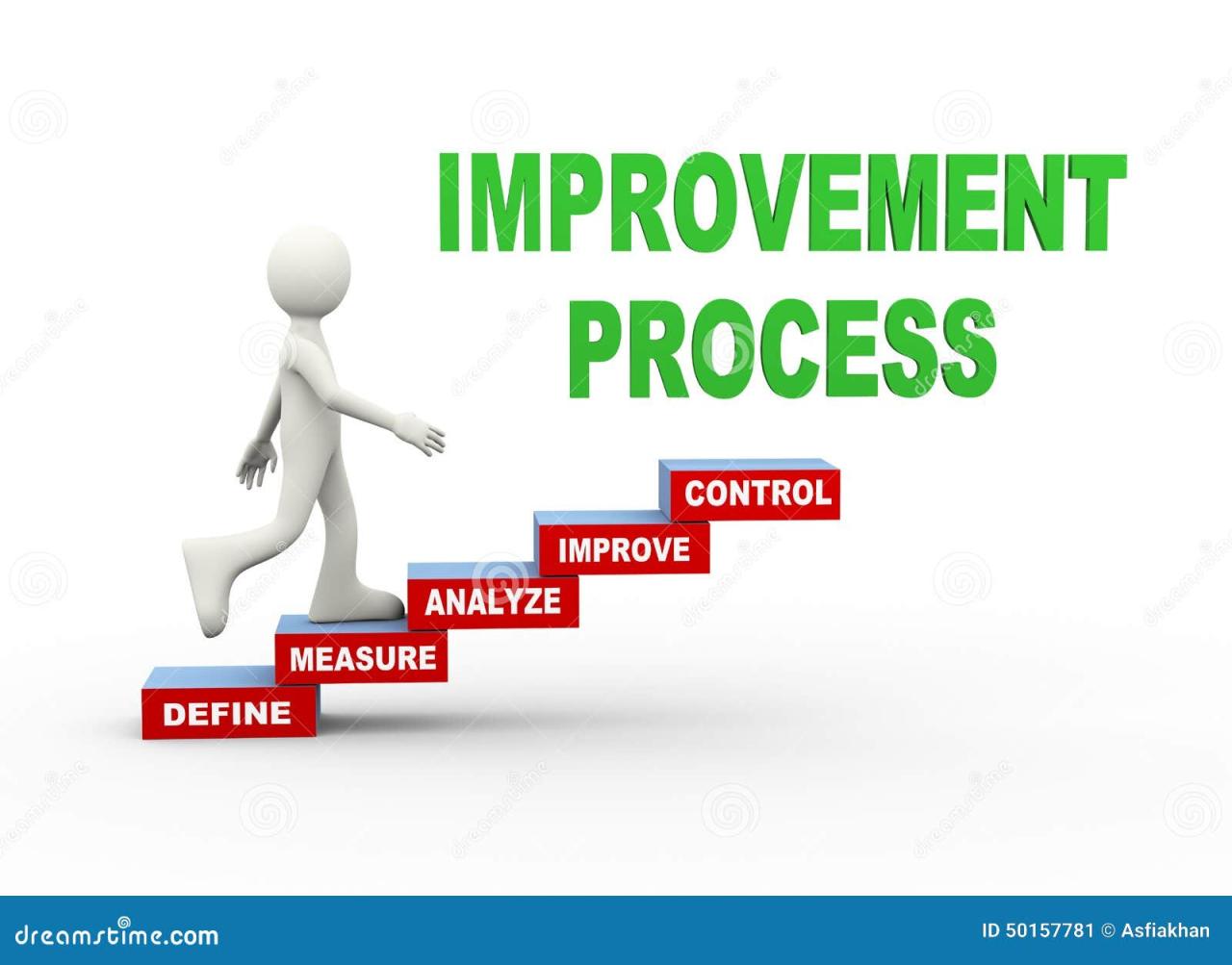
Understanding the potential challenges that can arise in any relationship is crucial for fostering healthy and lasting connections. Relationships are dynamic, and navigating inevitable conflicts and disagreements requires awareness and effective strategies. Recognizing the sources of tension and implementing constructive conflict resolution techniques are essential steps toward strengthening bonds and maintaining harmony.
Common Relationship Conflicts and Disagreements
Various factors can contribute to disagreements and conflicts within relationships. Misunderstandings about expectations, differing communication styles, and conflicting values often lead to friction. Differences in priorities, financial concerns, and differing approaches to household tasks or childcare can also strain relationships. These conflicts, if not addressed constructively, can escalate and damage the connection between partners.
Potential Sources of Conflict and Tension
Several potential sources of conflict can strain relationships, including differing views on personal values, conflicting priorities, and differing expectations regarding household responsibilities or childcare. Communication breakdowns, resulting from poor listening skills or ineffective expression of needs, can also contribute significantly to tension. Jealousy, insecurity, or unmet emotional needs can also create tension and lead to conflict.
Impact of External Factors on Relationships
External factors such as financial pressures, job insecurity, health concerns, and family issues can significantly impact relationships. Stress from these external factors can often spill over into the relationship, leading to increased conflict and tension. Understanding how external stressors affect the relationship is vital to developing strategies for coping and maintaining emotional well-being for both partners.
Behaviors That Can Damage a Relationship
Certain behaviors can significantly damage a relationship. These include dishonesty, infidelity, lack of respect, and consistent criticism. Passive-aggressive behaviors, such as avoiding confrontation or subtly expressing resentment, can also erode trust and intimacy. Controlling behaviors, verbal abuse, and emotional manipulation can severely damage the relationship dynamics and create a hostile environment.
- Dishonesty: Deception and dishonesty, whether big or small, erode trust and can damage the foundation of the relationship. Trust is essential for a healthy relationship and once broken, it can be extremely difficult to rebuild.
- Lack of Respect: A lack of respect, manifested in disrespectful language or actions, can create a hostile and uncomfortable atmosphere. Respect is a fundamental element in any healthy relationship.
- Infidelity: Infidelity, whether emotional or physical, often leads to significant emotional pain and distrust. It can severely damage the bond between partners and create deep emotional wounds.
- Consistent Criticism: Consistent criticism can damage a relationship by making one or both partners feel inadequate or undervalued. Constructive feedback is essential, but excessive criticism can lead to resentment and a breakdown of communication.
- Passive-Aggressive Behaviors: Passive-aggressive behaviors, such as avoiding confrontation or subtly expressing resentment, can erode trust and intimacy. They create an environment of hidden resentment and can cause further damage to the relationship.
- Controlling Behaviors: Controlling behaviors, which aim to manipulate or dominate a partner, create an environment of fear and power imbalance. This can damage a relationship by making one or both partners feel unsafe and controlled.
- Verbal Abuse: Verbal abuse, including insults and name-calling, can severely damage a relationship by creating a hostile environment and undermining a partner’s self-worth.
- Emotional Manipulation: Emotional manipulation, which involves using emotions to control or influence a partner, can severely damage the trust and intimacy in a relationship. It creates a dynamic where one partner feels powerless and controlled.
Conflict Resolution Strategies
Effective conflict resolution is crucial for maintaining healthy relationships. Choosing the right approach can significantly impact the outcome of a disagreement.
| Conflict Resolution Strategy | Description | Effectiveness |
|---|---|---|
| Active Listening | Paying close attention to what the other person is saying, both verbally and nonverbally, and responding thoughtfully. | High. Demonstrates empathy and understanding. |
| Compromise | Finding a solution that meets the needs of both partners to some extent. | Moderate to High. Requires flexibility and willingness to concede. |
| Assertive Communication | Expressing needs and feelings directly and respectfully, without resorting to aggression or manipulation. | High. Promotes understanding and open dialogue. |
| Negotiation | Reaching a mutually agreeable solution through discussion and bargaining. | Moderate to High. Requires active participation from both parties. |
| Seeking Professional Help | Consulting a therapist or counselor for guidance on resolving conflicts. | High. Provides neutral perspective and structured approach. |
Fostering Effective Communication
Open and honest communication is the cornerstone of any healthy relationship. It allows partners to understand each other’s needs, resolve conflicts constructively, and build a stronger connection. Effective communication goes beyond simply exchanging words; it involves active listening, clear expression of feelings, and a willingness to compromise. This section will delve into methods for enhancing these crucial elements.
Active Listening Techniques
Active listening is a crucial skill in any relationship. It involves paying close attention not only to the words being spoken but also to the nonverbal cues and the emotional tone. This includes making eye contact, nodding to show engagement, and reflecting back what you’ve heard to ensure understanding. These techniques create a safe space for open communication and encourage deeper connection.
- Focusing on the speaker: Put aside distractions and give your full attention to the person speaking. Resist the urge to interrupt or formulate your response while they are still talking. This demonstrates respect and encourages them to express themselves fully.
- Reflecting back what you hear: Paraphrase the speaker’s message to confirm your understanding. For example, “So, if I understand correctly, you’re feeling frustrated because…” This shows the speaker you are listening and allows them to clarify if needed.
- Asking clarifying questions: When unsure about something, ask thoughtful questions to gain a better understanding. For instance, “Can you tell me more about…” or “What do you mean by…?” This demonstrates your interest in understanding their perspective.
- Avoiding judgment: Listen without interrupting or imposing your own opinions or judgments. Focus on understanding the speaker’s perspective, even if you don’t agree with it.
Constructive Expression of Needs and Feelings
Expressing needs and feelings in a healthy way is essential for relationship satisfaction. This involves using “I” statements to communicate your feelings without placing blame on the other person. It also requires choosing appropriate times and places to discuss sensitive topics.
- Using “I” statements: Instead of saying “You always…” try phrasing it as “I feel…” or “I need…” This approach focuses on your own experience and avoids accusatory language. For example, instead of “You never listen to me,” try “I feel unheard when…”
- Choosing the right time and place: Avoid discussing sensitive topics when either partner is stressed, tired, or distracted. Find a calm and private setting where you can both focus on the conversation.
- Identifying underlying needs: Understanding the root cause of your feelings is key to expressing them effectively. Ask yourself what your core need is, and articulate that clearly. For instance, if you feel neglected, your underlying need might be for more quality time together.
Respectful Conflict Resolution Strategies
Disagreements are inevitable in any relationship. Learning to address these disagreements respectfully is crucial for maintaining a healthy dynamic. This involves active listening, clear communication, and a willingness to compromise.
- Identifying the root cause of the conflict: Avoid jumping to conclusions or blaming each other. Instead, try to understand the underlying reasons for the disagreement. What are the unmet needs of each party?
- Finding common ground: Focus on areas of agreement and shared values. This can help bridge the gap between differing viewpoints.
- Using “I” statements to express concerns: Communicate your perspective and needs using “I” statements, focusing on your feelings and avoiding accusatory language. This approach helps maintain a constructive dialogue.
- Seeking solutions collaboratively: Work together to find solutions that address the concerns of both partners. Compromise and flexibility are essential in reaching mutually agreeable outcomes.
Examples of Healthy Communication Patterns
Healthy communication styles vary depending on the relationship context. For instance, communication in a romantic partnership differs from communication in a professional setting or a family dynamic.
- Romantic Partnerships: Open dialogue about feelings, needs, and desires. Active listening and clear expression of needs are vital.
- Family Dynamics: Respectful communication that acknowledges different perspectives and values. Empathy and understanding are crucial.
- Professional Relationships: Clear and concise communication focused on tasks and goals. Active listening and respectful feedback are important for teamwork.
Setting Boundaries in Relationships
Establishing healthy boundaries is essential for maintaining a positive and respectful dynamic in any relationship. This involves recognizing your own needs and limits, and communicating them clearly to others.
- Recognizing your needs and limits: Understand your own emotional and physical boundaries. What makes you uncomfortable? What do you need to feel safe and respected?
- Communicating boundaries clearly: Express your boundaries directly and assertively. Use “I” statements to describe how your boundaries will be maintained. For instance, “I need space when…” or “I prefer…”
- Respecting others’ boundaries: Recognize that others have their own boundaries, and treat them with the same respect you expect for your own.
Communication Styles Comparison
| Communication Style | Description | Impact on Relationships |
|---|---|---|
| Assertive | Direct, honest, and respectful expression of needs and feelings. Clearly states boundaries while respecting others’ boundaries. | Healthy, balanced, and fosters mutual respect. Promotes understanding and cooperation. |
| Passive | Avoiding conflict by suppressing needs and feelings. Often avoids expressing opinions or boundaries. | Can lead to resentment, frustration, and unmet needs. May result in feelings of being unheard or taken advantage of. |
| Aggressive | Expressing needs and feelings in a forceful or demanding way. Often disregards others’ needs and boundaries. | Creates conflict, tension, and damage to the relationship. Can lead to feelings of intimidation and hurt. |
Building Trust and Intimacy
Trust and intimacy are fundamental pillars of strong and fulfilling relationships, regardless of their nature. They form the bedrock upon which healthy communication, conflict resolution, and mutual support are built. Without a foundation of trust and intimacy, relationships can struggle to thrive and face challenges in navigating the complexities of human connection.
Importance of Trust in Various Relationships
Trust is crucial across all types of relationships, from romantic partnerships to familial bonds and friendships. It allows individuals to feel safe, supported, and understood. In romantic relationships, trust underpins the emotional connection and shared vulnerability necessary for a deep and lasting bond. Within families, trust facilitates open communication and strengthens the bonds between members. In friendships, trust allows for honest interactions, mutual support, and a sense of shared understanding.
This shared trust allows for vulnerability, crucial in fostering intimacy and shared experiences.
Strategies for Building Trust and Emotional Intimacy
Building trust and emotional intimacy requires conscious effort and consistent action. Active listening, empathy, and genuine respect are fundamental. Open and honest communication, where both partners feel heard and valued, is essential. Regular quality time spent together, engaging in shared activities, and showing appreciation are vital components. Furthermore, demonstrating reliability and consistency in actions fosters trust and encourages emotional vulnerability.
Examples of Actions that Foster Trust and Understanding
Numerous actions can cultivate trust and understanding within relationships. For example, keeping promises, being accountable for one’s actions, and demonstrating empathy in challenging situations are key. Actively seeking to understand the other person’s perspective, even when differing opinions exist, shows respect and fosters a deeper connection. Being reliable and consistent in commitments, both large and small, is crucial in building trust.
Vulnerability and Self-Disclosure in Relationships
Vulnerability and self-disclosure are integral components of healthy relationships. Sharing personal thoughts and feelings, acknowledging flaws and insecurities, and allowing oneself to be vulnerable fosters intimacy and deepens emotional connection. It is through these acts of vulnerability that partners can truly understand each other and build a stronger bond. This also allows for the understanding and acceptance of differences.
Empathy and Compassion in Strengthening Relationships
Empathy and compassion are crucial for strengthening relationships. Empathy allows individuals to understand and share the feelings of another, fostering a sense of connection and understanding. Compassion involves extending kindness and concern to others, creating a supportive and nurturing environment. Through demonstrating empathy and compassion, relationships become more resilient and supportive.
Activities Promoting Intimacy and Connection
These activities aim to foster intimacy and a deeper connection in relationships:
| Activity | Description |
|---|---|
| Shared Hobbies and Interests | Engaging in activities that both partners enjoy strengthens shared experiences and creates opportunities for deeper conversations. |
| Quality Time Together | Dedicated time without distractions allows for focused interaction and connection. |
| Open and Honest Communication | Creating a safe space for open communication about thoughts, feelings, and needs is essential for intimacy. |
| Acts of Service and Appreciation | Simple acts of service and expressions of appreciation demonstrate care and value for the other person. |
| Active Listening | Giving full attention and demonstrating understanding to the other person’s perspective strengthens the connection. |
Managing Conflicts and Disagreements
Navigating disagreements constructively is crucial for maintaining healthy and fulfilling relationships. Effective conflict management involves recognizing the inevitability of disagreements, understanding their root causes, and employing strategies to resolve them peacefully. This section explores practical approaches to transform conflicts into opportunities for growth and strengthening the bond between individuals.Disagreements are a natural part of any relationship. How these disagreements are handled significantly impacts the overall health and longevity of the relationship.
Understanding effective strategies for managing conflicts empowers individuals to address issues constructively, fostering mutual respect and understanding.
Effective Strategies for Navigating Conflict
Conflict resolution necessitates a proactive approach, moving beyond simply avoiding or suppressing disagreements. Understanding the underlying causes of conflict is vital for finding effective solutions. Active listening, empathy, and a willingness to compromise are key elements in navigating disagreements productively.
- Active Listening: Truly hearing and understanding the other person’s perspective, without interrupting or formulating a response, is paramount. Pay close attention to both verbal and nonverbal cues, demonstrating genuine interest in their point of view.
- Empathy: Attempting to see the situation from the other person’s viewpoint, recognizing their feelings and motivations, even if you don’t agree with them, can help facilitate a more understanding environment.
- Clear Communication: Expressing your own needs and concerns directly and respectfully is essential. Use “I” statements to avoid placing blame, focusing instead on your own feelings and experiences.
- Focus on the Issue, Not the Person: Avoid personal attacks or generalizations. Concentrate on the specific issue at hand and its impact on the relationship.
The Importance of Compromise and Negotiation
Compromise and negotiation are essential components of effective conflict resolution. They involve finding mutually acceptable solutions that address the needs and concerns of all parties involved. This requires flexibility and a willingness to adjust positions.
- Finding Common Ground: Identify shared interests and goals. Recognize areas where compromise can be achieved.
- Flexible Positions: Be prepared to adjust your own stance, acknowledging the validity of the other person’s perspective. This is a key element in achieving a mutually agreeable resolution.
- Collaborative Problem Solving: Work together to brainstorm potential solutions that address the needs of both individuals.
Resolving Disagreements Without Negativity
Maintaining a positive and respectful tone during conflict resolution is crucial. Avoid resorting to accusatory language, personal attacks, or negativity. Focus on finding solutions rather than assigning blame.
- Maintain a Respectful Tone: Avoid raising your voice, using insults, or engaging in personal attacks. Keep the conversation focused on the issue at hand.
- Active Problem Solving: Work together to identify solutions that address the concerns of both parties.
- Avoid Accusations: Focus on the specific actions or behaviors causing the conflict, not on general character flaws.
Examples of Apologizing and Forgiving
A sincere apology acknowledges wrongdoing and expresses remorse. Forgiveness involves releasing resentment and allowing healing.
- Sincere Apology: Acknowledge your mistake, express remorse, and offer a commitment to change.
- Acceptance of Apology: Understand the other person’s attempt to reconcile.
- Forgiveness: Release resentment and allow yourself to move forward.
Avoiding Blame and Criticism
Focusing on solutions rather than assigning blame is crucial. Avoid generalizing or criticizing character flaws.
- Focus on Behavior, Not Character: Instead of labeling someone as “always late,” address specific instances of tardiness.
- Constructive Feedback: Offer specific and actionable feedback focused on improving behavior rather than criticizing personality.
Conflict Resolution Techniques
The following table provides examples of different conflict resolution techniques.
| Technique | Description | Example |
|---|---|---|
| Active Listening | Paying close attention to what the other person is saying, both verbally and nonverbally. | Reflecting back what the other person has said, asking clarifying questions, and summarizing their points. |
| Compromise | Finding a solution that meets the needs of both parties, even if it means giving up something. | Agreeing to alternate weekend plans, one person’s choice one weekend, and the other person’s the next. |
| Negotiation | Working together to find a mutually acceptable solution. | Discussing the financial implications of a new project and arriving at a fair agreement. |
Maintaining Healthy Boundaries
Healthy boundaries are essential for fostering fulfilling and respectful relationships. They define the limits of acceptable behavior and protect our emotional well-being. Understanding and consistently maintaining these boundaries ensures that our needs are met while respecting the needs of others. This is crucial for avoiding resentment, frustration, and potential conflict in all types of relationships.Setting and maintaining healthy boundaries is not about being selfish, but rather about recognizing and respecting personal needs and limits.
It’s a proactive step towards creating a more balanced and harmonious environment for everyone involved. This includes recognizing and acknowledging that individuals have varying levels of tolerance and comfort.
Importance of Setting and Maintaining Healthy Boundaries
Healthy boundaries are fundamental to maintaining a positive and balanced relationship dynamic. They ensure that individuals’ needs and limits are acknowledged and respected, fostering mutual understanding and preventing potential resentment or conflict. Respecting personal boundaries is a crucial aspect of building trust and intimacy. By establishing clear boundaries, individuals can create a safe and supportive space where everyone feels valued and respected.
Impact of Crossing Boundaries in Relationships
Crossing boundaries can have a significant negative impact on relationships. It can erode trust, create feelings of vulnerability and violation, and lead to resentment or anger. Repeated boundary violations can damage the relationship’s foundation and potentially cause emotional distress for the individuals involved. A pattern of crossed boundaries can ultimately result in the deterioration of the relationship.
Examples of Setting Boundaries in Different Relationships
Establishing boundaries in various relationships requires careful consideration of the specific dynamics and expectations involved. In romantic relationships, boundaries might involve discussing personal space, emotional support, or financial matters. In family relationships, boundaries might include communication styles, personal time, or household responsibilities. In friendships, boundaries might involve time commitment, expectations for support, or acceptable behavior.
Strategies for Dealing with Individuals Who Violate Boundaries
When individuals repeatedly violate boundaries, it’s crucial to address the issue directly and calmly. Firstly, clearly communicate the specific boundary that has been crossed. Secondly, explain how the violation made you feel. Thirdly, suggest alternative behaviors or ways of interacting. If the violation continues despite attempts at communication, it might be necessary to re-evaluate the relationship and consider whether it’s healthy to maintain it.
Importance of Respecting Individual Needs and Limits
Respecting individual needs and limits is essential for healthy relationships. Recognizing that each person has their own unique emotional and physical needs, tolerances, and comfort levels is crucial. It’s about understanding that boundaries are not meant to stifle growth or limit interactions, but rather to create a space where everyone feels safe and supported. This is key to building a respectful and mutually beneficial relationship.
Identifying and Communicating Personal Boundaries Clearly
Identifying and communicating personal boundaries clearly involves self-reflection and honest communication. Start by identifying your values, needs, and limits. Then, articulate these boundaries in a clear and concise manner. Use “I” statements to express how specific behaviors make you feel. For example, instead of saying “You always interrupt me,” say “When you interrupt me, I feel unheard and frustrated.” Be specific about the behavior and the impact it has on you.
Consistency is key to maintaining boundaries. Regular communication and reiteration of boundaries is crucial for a healthy relationship.
- Identify Personal Values: Reflect on your core values and how they relate to your personal needs and limits.
- Recognize Personal Needs: Identify your emotional, physical, and psychological needs, including personal space and time.
- Define Personal Limits: Clearly define the limits of acceptable behavior in various aspects of your life, including communication, emotional support, and physical space.
- Express Boundaries Clearly: Communicate your boundaries to others using “I” statements, outlining the specific behavior and its impact on you.
- Practice Consistency: Maintain your boundaries consistently to reinforce their importance in your relationships.
Seeking Support and Resources
Strengthening relationships often requires acknowledging the need for external support. Seeking guidance from professionals or joining supportive groups can provide valuable insights and strategies for navigating challenges. This section details various resources available and emphasizes the benefits of seeking help, while highlighting the importance of self-care within the context of relationship improvement.Relationships, like any complex endeavor, can benefit from external perspectives and strategies.
Professional guidance can provide tools and insights that may not be immediately apparent to individuals within the relationship. Further, understanding the importance of self-care allows individuals to better support their partner and foster a healthier dynamic.
Resources for Relationship Support
A range of resources can assist individuals and couples in navigating relationship difficulties. These resources include counseling services, workshops, and support groups. The choice of resource will depend on individual needs and preferences.
- Counseling Services: Licensed therapists and counselors offer a safe and confidential space for individuals and couples to explore relationship issues. They can provide guidance, tools, and support to address communication breakdowns, conflict resolution, and other challenges.
- Relationship Workshops: Workshops offer structured learning experiences focusing on specific relationship skills, such as communication, conflict resolution, and intimacy building. These can be particularly beneficial for couples or individuals seeking practical tools and strategies.
- Support Groups: Support groups offer a space for individuals to connect with others facing similar relationship challenges. Sharing experiences and strategies with peers can provide encouragement, validation, and support in navigating the difficulties.
Organizations and Professionals Offering Relationship Guidance
Numerous organizations and professionals offer relationship guidance. Their expertise can be invaluable in navigating complex issues.
- Marriage and Family Therapists (MFTs): MFTs are trained to work with individuals, couples, and families to address a wide range of relationship concerns. They are equipped to address communication patterns, conflict resolution, and intimacy issues.
- Licensed Clinical Social Workers (LCSWs): LCSWs possess expertise in individual and family therapy and can provide guidance and support to individuals facing relationship problems. They often integrate a holistic approach, considering various factors influencing the relationship.
- Relationship Coaches: Relationship coaches provide personalized guidance and support to help individuals and couples improve their relationships. They focus on practical strategies and tools to address specific relationship needs.
Benefits of Seeking Professional Help
Seeking professional help for relationship issues can provide significant benefits. It can lead to increased understanding of relationship dynamics, improved communication skills, and strengthened relational bonds.
- Increased Understanding: A therapist can provide insights into the dynamics of the relationship, highlighting patterns and behaviors that may be contributing to difficulties. This understanding can be transformative in resolving issues.
- Improved Communication Skills: Professionals can teach effective communication strategies, helping individuals and couples express their needs and feelings more effectively. This can significantly improve the overall relationship dynamic.
- Strengthened Relational Bonds: Through guidance and support, couples can develop strategies for conflict resolution, fostering a stronger sense of connection and intimacy. This leads to more sustainable and fulfilling relationships.
Importance of Self-Care and Personal Well-being
Self-care and personal well-being are crucial for maintaining healthy relationships. Prioritizing individual needs and maintaining a sense of balance allows individuals to better support their partner.
- Stress Reduction: Maintaining a healthy lifestyle and engaging in self-care practices can significantly reduce stress levels. This reduction in stress positively impacts the relationship by fostering a more supportive and understanding environment.
- Emotional Regulation: Self-care promotes emotional regulation, allowing individuals to respond to challenges with greater clarity and composure. This can lead to healthier interactions and reduce conflicts within the relationship.
- Improved Perspective: Self-care fosters a more balanced perspective, allowing individuals to approach relationship issues with objectivity and a greater understanding of their own needs and those of their partner.
Finding a Therapist or Counselor
Finding a therapist or counselor is a personal journey. Several avenues can assist in finding the right professional.
- Recommendations: Seeking recommendations from friends, family, or colleagues who have had positive experiences with therapists can be a helpful starting point.
- Online Directories: Online directories provide access to a wide range of therapists and counselors. These directories often allow for filtering by specialization, location, and insurance coverage.
- Insurance Providers: Checking with insurance providers for in-network therapists can streamline the process and ensure cost-effectiveness.
Support Groups and Their Benefits
Support groups offer a structured environment for individuals to connect with others facing similar challenges.
| Support Group Type | Potential Benefits |
|---|---|
| Couples Therapy Groups | Improved communication skills, conflict resolution strategies, and shared experiences with similar couples. |
| Individual Therapy Groups | Increased self-awareness, support in navigating personal challenges, and validation of experiences. |
| Online Support Groups | Accessibility for individuals in remote areas, anonymity for those seeking support discreetly, and diverse perspectives from individuals across various backgrounds. |
Enhancing Connection and Appreciation

Cultivating strong and lasting relationships hinges on fostering a deep sense of connection and appreciation. This involves recognizing the value of each individual’s contributions and actively demonstrating gratitude for shared experiences. By prioritizing quality time and thoughtful actions, couples can strengthen their bonds and build a foundation of mutual respect and affection.Building meaningful connections requires a conscious effort to nurture appreciation and value each other’s presence.
This can be achieved through various methods, including expressing gratitude, dedicating quality time, and engaging in shared experiences. These actions cultivate a sense of belonging and create a positive and supportive environment within the relationship.
Expressing Appreciation and Gratitude
Expressing gratitude is fundamental to fostering a positive and supportive relationship dynamic. It acknowledges the value of each individual’s contributions and reinforces the positive aspects of the connection. Regular expressions of appreciation, whether through verbal affirmations, heartfelt gestures, or thoughtful notes, create a climate of positivity and encourage reciprocal affection. The simple act of noticing and acknowledging the efforts of a partner strengthens the bond and demonstrates a genuine appreciation for their presence.
Quality Time Together
Dedicated quality time is essential for maintaining connection and fostering intimacy. It allows for uninterrupted engagement, creating opportunities for deeper conversations, emotional sharing, and a more profound understanding of each other’s needs and perspectives. This uninterrupted time is crucial for reconnecting and revitalizing the relationship. Scheduling specific time for togetherness, free from distractions, reinforces the importance of the relationship and fosters a stronger emotional bond.
Shared Experiences and Activities
Shared experiences and activities play a vital role in building memories and strengthening the connection between partners. Engaging in activities that both enjoy, whether it’s pursuing hobbies, traveling, or simply enjoying a quiet evening together, creates lasting memories and strengthens the bond. These shared moments build a common history and shared experiences, fostering a deeper understanding and appreciation for each other.
Participating in new experiences together, outside of the routine, also invigorates the relationship and encourages growth.
Acts of Kindness and Consideration
Acts of kindness and consideration, large or small, demonstrate thoughtfulness and appreciation for a partner’s needs and feelings. These acts can range from a simple compliment to a thoughtful gesture, such as preparing a favorite meal or offering help with a task. Consistent acts of kindness cultivate a sense of security and belonging, creating a positive and supportive environment for both partners.
Small acts of service, like bringing a coffee in the morning or remembering a special occasion, can significantly impact the relationship’s well-being.
Playfulness and Humor
Playfulness and humor are powerful tools for maintaining connection and creating a positive atmosphere within a relationship. Sharing laughter and lighthearted moments can relieve stress, foster intimacy, and strengthen the bond between partners. A sense of humor allows for a lighter approach to challenges and difficulties, promoting a sense of resilience and shared joy. Humor also allows for a more relaxed and enjoyable dynamic within the relationship.
Creating Meaningful Experiences Together
Cultivating shared experiences and memories strengthens the emotional connection within a relationship. The key is to engage in activities that both partners enjoy and that resonate with their individual interests. This fosters a sense of shared purpose and strengthens the bond between partners. The following list offers a variety of ideas for creating meaningful experiences:
- Exploring Local Culture: Visiting museums, attending concerts, or taking a cooking class can expose both partners to new experiences and foster a deeper understanding of each other’s interests.
- Travel Adventures: Planning a weekend getaway or a longer vacation can create unforgettable memories and strengthen the bond through shared experiences and adventures.
- Creative Expression: Engaging in creative activities like painting, writing, or photography can foster a deeper connection and allow for self-expression within the relationship.
- Volunteer Opportunities: Engaging in volunteer work together can provide a sense of purpose and create opportunities for meaningful conversations and shared experiences.
- Culinary Delights: Trying new recipes together, attending cooking classes, or creating a meal from scratch can be a fun and interactive experience that strengthens the bond between partners.
Outcome Summary
In conclusion, fostering strong relationships requires a multifaceted approach that considers various factors, including understanding different relationship dynamics, effectively managing conflicts, and building trust. This comprehensive guide provides a roadmap for navigating the complexities of human connection, empowering individuals to cultivate meaningful relationships. By focusing on open communication, active listening, and a willingness to compromise, readers can cultivate deeper connections and build stronger, more fulfilling relationships.