In today’s fast-paced world, maximizing productivity is crucial for success. This guide delves into the principles of “working smarter, not harder,” offering practical strategies to boost efficiency and achieve optimal results. By understanding the nuances of effective time management, process optimization, and leveraging technology, you can transform your work approach and unlock your true potential.
The core concept revolves around identifying and eliminating inefficiencies, optimizing workflows, and embracing productivity techniques that align with individual work styles. This comprehensive guide provides a roadmap to achieve a sustainable and fulfilling work experience.
Defining “Working Smarter, Not Harder”
The phrase “working smarter, not harder” encapsulates a fundamental shift in approach to productivity. It’s not about avoiding work, but rather about optimizing efforts to achieve maximum results with minimal expenditure of time and energy. This involves identifying and leveraging efficient methods, streamlining processes, and maximizing the utilization of available resources. It’s a strategic, proactive approach that yields greater returns on investment, both personally and professionally.The key difference between working hard and working smart lies in the
- approach* rather than the
- effort*. Working hard often involves putting in long hours, often without a clear strategy or efficient methods. Working smart, on the other hand, emphasizes intelligent problem-solving, proactive planning, and resourcefulness. It’s about achieving the same, or even better, outcomes with less time and energy expenditure.
Defining Working Smarter
Working smarter involves a conscious effort to identify and implement more efficient and effective methods of accomplishing tasks. This often involves re-evaluating current processes, utilizing available tools and technologies, and optimizing workflows to minimize unnecessary steps. Examples include streamlining communication channels, automating repetitive tasks, or delegating responsibilities appropriately.
Examples of Working Smarter
A few examples of activities that exemplify working smarter, not harder, include:
- Utilizing project management software: Tools like Trello, Asana, or Monday.com allow for better organization, task prioritization, and progress tracking, leading to more efficient project completion.
- Developing a detailed schedule: A well-structured schedule allows for effective time management, prioritizing tasks, and minimizing wasted time, ultimately improving overall output.
- Delegating tasks: If appropriate, delegating tasks to others who possess the necessary skills frees up your time for higher-level responsibilities, thereby improving overall efficiency.
- Implementing automation: Automating repetitive tasks, such as sending email reminders or generating reports, frees up valuable time for more strategic work.
- Learning and utilizing new tools and technologies: Staying updated with advancements in technology allows for faster and more effective problem-solving.
Mindset Shift
Adopting a “working smarter” approach requires a significant mindset shift. This involves moving from a reactive to a proactive approach, focusing on optimization rather than simply completing tasks. It necessitates embracing a growth mindset, valuing continuous learning and improvement, and a willingness to experiment with new techniques. Individuals must cultivate a proactive approach, anticipate needs, and find solutions before problems arise.
Comparison of Working Hard vs. Working Smart
| Methods | Results | Time Investment |
|---|---|---|
| Working Hard | Often yields satisfactory results but with a significant time investment. | High |
| Working Smart | Achieves superior results with minimal time investment, focusing on efficiency and effectiveness. | Low |
| Working Hard Example | Long hours, repetitive tasks, without optimization. | Hours |
| Working Smart Example | Utilizing tools, strategic planning, delegation. | Minutes or hours depending on strategy |
Identifying Time-Saving Strategies

Boosting efficiency and productivity often hinges on strategically employing time-saving methods. Understanding how to effectively manage time allows individuals to accomplish more within their allocated timeframe, leading to increased output and reduced stress. This approach fosters a healthier work-life balance.Effective time management is crucial for maximizing productivity. By implementing appropriate strategies, individuals can accomplish more while feeling less overwhelmed.
Prioritization, delegation, and automation are key elements in this process.
Prioritizing Tasks
Prioritization is a fundamental skill in time management. It involves assessing tasks based on urgency, importance, and deadlines. A well-defined prioritization strategy allows individuals to focus on the most critical tasks first, maximizing efficiency and minimizing wasted time. The Eisenhower Matrix, for instance, is a widely used tool for categorizing tasks based on urgency and importance, guiding decision-making on task allocation.
- Urgent and Important: These tasks demand immediate attention and should be tackled promptly. Examples include responding to critical emails or resolving urgent customer issues.
- Important but Not Urgent: These tasks contribute to long-term goals and should be scheduled thoughtfully. Examples include planning for future projects or conducting training sessions.
- Urgent but Not Important: These tasks often stem from interruptions or unexpected demands. They should be delegated or scheduled for a less crucial time, if possible. Examples include attending unnecessary meetings or handling trivial requests.
- Neither Urgent nor Important: These tasks can be eliminated or postponed, as they don’t directly contribute to objectives. Examples include unproductive meetings or non-essential emails.
Delegation and Outsourcing
Effective delegation and outsourcing can significantly reduce workload and free up time for more crucial tasks. Identifying tasks that can be safely delegated or outsourced is crucial. This involves assessing the complexity and importance of tasks.
- Internal Delegation: Assigning tasks to colleagues with the appropriate skills and knowledge can be a powerful strategy for managing workload. Clear communication and established expectations are key to successful delegation.
- Outsourcing: For tasks that can be completed by external vendors or specialists, outsourcing can be a valuable option. This might include data entry, graphic design, or customer service functions.
Automation Tools and Software
Leveraging automation tools and software can significantly streamline workflows and save considerable time. Specific software solutions can be tailored to automate routine tasks and free up time for higher-level activities.
- Scheduling Software: Tools like Google Calendar or Outlook Calendar can automate scheduling appointments, meetings, and deadlines, minimizing scheduling conflicts.
- Project Management Software: Software like Asana or Trello can help in managing project timelines, tasks, and communication, ensuring tasks are completed on time and within budget.
- Customer Relationship Management (CRM) Software: CRM systems can automate customer interactions, track sales leads, and streamline communication, ultimately saving time spent on administrative tasks.
Application in Various Work Environments
The following table illustrates how time-saving techniques can be adapted to different work settings.
| Time-Saving Technique | Office Environment | Remote Work Environment |
|---|---|---|
| Prioritization | Establish clear priorities for daily tasks, and schedule meetings efficiently. | Use tools like to-do lists and project management software to manage tasks remotely. |
| Delegation | Assign tasks to colleagues based on their skills and expertise. | Delegate tasks to team members or use remote assistants. |
| Automation | Utilize office automation software for repetitive tasks. | Leverage cloud-based applications for remote automation. |
Optimizing Work Processes
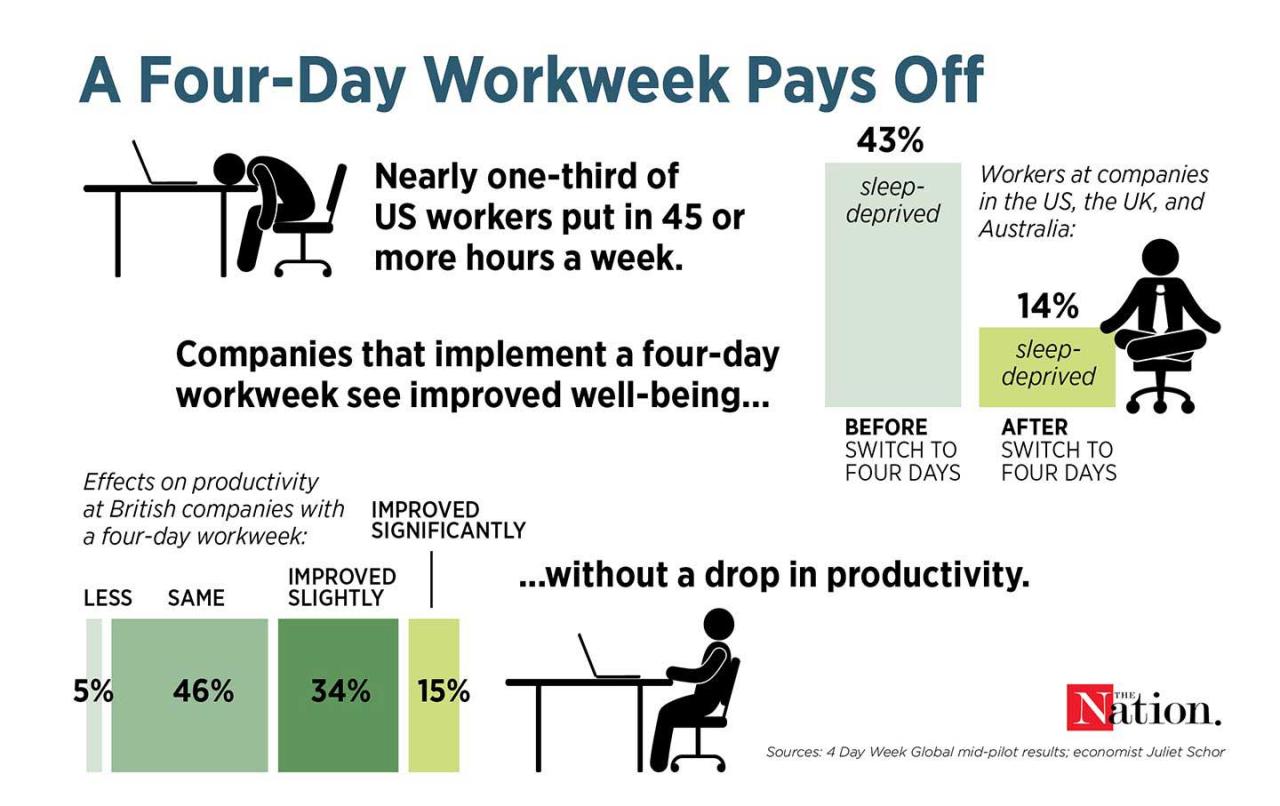
Streamlining workflows and processes is crucial for enhancing productivity and efficiency. By identifying bottlenecks and implementing improvements, organizations can significantly reduce wasted time and resources. This optimization process, often supported by data analysis and feedback loops, leads to more effective outcomes and increased employee satisfaction.
Methods for Streamlining Workflows
Efficient workflows are characterized by clear steps, minimal handoffs, and well-defined responsibilities. Several methods can be employed to achieve this, including process mapping, which visually represents the steps involved in a process. This visualization aids in identifying redundant steps, areas for automation, and potential bottlenecks. Another method is to use technology to automate repetitive tasks, freeing up employees for more strategic work.
This includes utilizing software solutions for project management, communication, and task assignment.
Identifying Bottlenecks in Processes
Bottlenecks are points in a process where the flow of work is impeded. They can stem from various factors, such as insufficient resources, inadequate communication, or complex procedures. Identifying these bottlenecks involves analyzing workflow data, such as task completion times and resource utilization. Interviews with employees involved in the process can also reveal valuable insights into the pain points.
Once identified, bottlenecks can be addressed by implementing solutions such as improving resource allocation, enhancing communication protocols, or simplifying procedures. For example, a lengthy approval process can be a bottleneck. Streamlining this process by introducing an electronic approval system can significantly reduce delays.
Using Data Analysis to Optimize Workflows
Data analysis plays a critical role in understanding workflow performance and identifying areas for improvement. Key performance indicators (KPIs) such as task completion times, error rates, and resource utilization provide quantifiable measures of process efficiency. Statistical analysis can reveal trends and patterns that indicate areas for optimization. By tracking these metrics over time, organizations can identify fluctuations and pinpoint specific points of concern.
For instance, a sudden increase in customer support ticket resolution time might indicate a need for additional support staff or process improvements.
Importance of Feedback Loops in Process Improvement
Feedback loops are essential for continuous improvement in any workflow. Regular feedback from employees involved in the process, as well as from external stakeholders, can reveal areas where the process could be improved. Implementing a system for collecting and analyzing feedback allows for proactive adjustments to address emerging issues and adapt to changing circumstances. Feedback can be collected through surveys, interviews, and performance reviews.
This information provides crucial insights into the effectiveness of implemented changes.
Flowchart of a Process Improvement Project
The following flowchart illustrates a typical process improvement project.
        Start
        |
        V
    Define Problem/Opportunity
        |
        V
  Analyze Current Process (Mapping, Data Collection)
        |
        V
Identify Bottlenecks/Opportunities for Improvement
        |
        V
Develop Solution/Improvements
        |
        V
Implement Changes
        |
        V
Test and Evaluate
        |
        V
Document and Standardize
        |
        V
Monitor and Maintain
        |
        V
End
This flowchart provides a visual representation of the steps involved in a process improvement project, from defining the problem to maintaining the improved process.
Enhancing Productivity Techniques

Effective productivity hinges on cultivating focus, managing distractions, and strategically integrating breaks and rest. By understanding and implementing these techniques, individuals can optimize their work processes and achieve greater efficiency without sacrificing well-being. A balanced approach that prioritizes both output and mental health is crucial for sustained high performance.
Optimizing focus and concentration, mitigating distractions, and strategically integrating rest are fundamental elements in maximizing productivity. A well-structured approach encompassing these elements is vital for sustained high performance.
Boosting Focus and Concentration
Maintaining sustained focus is essential for completing tasks effectively. Several techniques can support this, including the use of dedicated workspaces, minimizing distractions, and incorporating mindfulness practices. Establishing a routine and consistent workspace helps to signal the brain that it’s time to focus.
- Dedicated Workspace: A designated area free from clutter and distractions can significantly enhance focus. This dedicated space serves as a mental cue for concentration, separating work from relaxation activities. For example, a home office or a specific corner of a room can be optimized for concentration.
- Minimizing Distractions: Identify and eliminate potential distractions. This includes turning off notifications, closing unnecessary tabs, and informing others of your need for uninterrupted time. For instance, using website blockers or placing your phone on silent can dramatically improve concentration.
- Mindfulness Practices: Mindfulness techniques, such as meditation or deep breathing exercises, can improve focus by training the mind to stay present and resist distractions. Regular practice cultivates a greater awareness of thoughts and emotions, enabling a more focused state.
Managing Distractions Effectively
Distractions are inevitable in today’s work environment. However, proactive strategies can minimize their impact on productivity. These methods involve setting boundaries, prioritizing tasks, and creating a conducive work environment.
- Setting Boundaries: Establishing clear boundaries between work and personal time is vital. This might involve designated work hours, using specific tools for work tasks, and communicating your availability to colleagues and family. Clear communication about work hours helps maintain focus.
- Prioritizing Tasks: Focus on high-impact tasks first. Prioritization techniques, such as the Eisenhower Matrix, help streamline workflow and reduce the likelihood of getting bogged down by less crucial tasks. This targeted approach ensures more efficient task completion.
- Creating a Conducive Work Environment: A well-organized and quiet workspace can significantly reduce distractions. This might involve using noise-canceling headphones, opting for a quiet room, or utilizing a co-working space with minimal distractions.
The Role of Breaks and Rest in Maintaining Productivity
Regular breaks are not a sign of inefficiency, but rather a key component of maintaining sustained productivity. Short breaks throughout the day can refresh the mind, prevent burnout, and ultimately enhance overall performance. Adequate rest allows for better cognitive function and a more positive work experience.
- Short Breaks: Scheduling regular short breaks (5-10 minutes) throughout the workday can significantly boost concentration. These breaks allow for a mental refresh, preventing mental fatigue and maintaining focus. A quick walk, a few minutes of stretching, or a change of scenery can rejuvenate the mind.
- Longer Breaks: Longer breaks (30 minutes or more) throughout the day are crucial for recovery. This allows for a more complete mental and physical rest, leading to a renewed sense of energy and focus for the remainder of the workday. This could include a lunch break or a more extended period of relaxation.
- Sufficient Sleep: Prioritizing adequate sleep (7-9 hours) is essential for optimal cognitive function and productivity. A well-rested mind is a more focused mind, which can translate to increased efficiency and reduced errors.
Setting Realistic Goals and Time Management
Establishing clear, attainable goals, coupled with effective time management strategies, is crucial for sustained productivity. This involves breaking down larger tasks into smaller, manageable steps and creating a schedule that aligns with these goals.
- Realistic Goals: Setting achievable goals is critical to avoiding feelings of overwhelm. Breaking down larger projects into smaller, more manageable steps ensures consistent progress and fosters a sense of accomplishment. This approach enhances motivation and reduces stress.
- Time Management Strategies: Implementing time management strategies, such as the Pomodoro Technique or time blocking, can help optimize workflow and allocate time effectively. These techniques ensure tasks are completed within designated timeframes, improving overall productivity.
Comparing and Contrasting Productivity Techniques
Different productivity techniques offer varying approaches to task completion. Understanding their nuances allows for personalized selection.
| Technique | Description | Advantages | Disadvantages |
|---|---|---|---|
| Pomodoro Technique | Working in focused intervals (e.g., 25 minutes) followed by short breaks. | Enhances focus, reduces mental fatigue, and promotes structure. | May not suit all task types, potentially inflexible. |
| Time Blocking | Allocating specific time blocks for specific tasks. | Excellent for scheduling complex projects, allows for better organization. | Requires careful planning, may be rigid for unforeseen events. |
Leveraging Technology for Efficiency
Technology has revolutionized the modern workplace, offering powerful tools to enhance productivity and streamline workflows. By embracing these technological advancements, individuals and teams can significantly improve efficiency, reduce wasted time, and ultimately achieve more in less time. This section explores how technology can be harnessed to work smarter, not harder.
Project Management Tools
Project management tools provide a structured approach to task management, collaboration, and communication. These platforms facilitate better organization, tracking, and reporting on project progress. Utilizing these tools empowers teams to effectively manage complex projects, meet deadlines, and deliver high-quality results. Real-world examples show significant improvements in project completion times and reduced errors when employing such tools.
- Asana and Trello are popular choices for visual task management, enabling teams to break down complex projects into manageable tasks, assign responsibilities, and track progress visually.
- Monday.com offers a versatile platform for managing various types of projects, from marketing campaigns to software development cycles, providing flexibility and customization options.
- Jira, often used in software development, allows for detailed task tracking, version control, and collaboration amongst developers.
Communication Platforms for Collaboration
Effective communication is critical for smooth teamwork. Modern communication platforms provide efficient channels for sharing information, coordinating tasks, and fostering collaboration. Utilizing these platforms facilitates real-time interactions and streamlines communication processes.
- Slack and Microsoft Teams enable instant messaging, file sharing, and video conferencing, fostering real-time communication and collaboration among team members.
- Zoom and Google Meet are essential for conducting virtual meetings, fostering seamless communication even when team members are geographically dispersed.
- Email, though a traditional tool, remains vital for formal communication, project updates, and documentation, especially for important decisions and follow-up.
Information Organization and Management Tools
Efficient organization and management of information are key to maintaining productivity. Tools for organizing and managing information allow for easy access, retrieval, and sharing, significantly reducing time spent searching and ensuring everyone has the right information at the right time.
- Evernote and OneNote provide robust note-taking and information organization capabilities, allowing for tagging, searching, and sharing of notes.
- Google Drive and Dropbox facilitate cloud storage and file sharing, ensuring easy access to documents and files from any location.
- Specialized databases are crucial for managing specific types of information, such as customer data, product catalogs, or internal documents.
Technology Use Cases
This table illustrates how various technologies can enhance efficiency across different work scenarios.
| Technology | Work Scenario | Specific Use Case |
|---|---|---|
| Project Management Software (e.g., Asana) | Project Planning & Execution | Task assignment, progress tracking, communication, and collaboration within project teams. |
| Communication Platforms (e.g., Slack) | Team Collaboration & Communication | Real-time messaging, file sharing, and video conferencing to facilitate seamless communication. |
| Cloud Storage (e.g., Google Drive) | Document Management & Sharing | Centralized storage and sharing of documents, enabling easy access from anywhere and improved version control. |
| CRM Software (e.g., Salesforce) | Sales & Customer Relationship Management | Centralized customer data management, sales tracking, and communication to improve customer relationships. |
| Specialized Databases (e.g., SQL databases) | Data Analysis & Reporting | Efficient storage, retrieval, and analysis of large amounts of data, enabling data-driven decision making. |
Building Effective Work Habits

Cultivating effective work habits is crucial for sustained productivity and overall well-being. These habits are not just about getting tasks done; they’re about optimizing your approach to work, fostering a positive mindset, and maximizing your potential. By establishing and maintaining consistent routines, you can significantly improve your efficiency and enjoyment of the workday.
Developing effective work habits is a journey, not a destination. It involves continuous refinement and adaptation to changing circumstances. These habits are not rigid rules but rather flexible guidelines that can be adjusted to fit individual needs and preferences. Understanding the importance of self-care, continuous learning, and effective communication is key to building a sustainable and fulfilling work style.
Building Productive Habits
Establishing a strong foundation of productive habits is essential for maximizing efficiency and minimizing wasted time. These habits go beyond simply completing tasks; they encompass a holistic approach to work, encompassing both the process and the individual. Consistent routines create predictability, reducing decision fatigue and allowing you to focus on the work at hand.
- Prioritization and Time Management: Prioritize tasks based on urgency and importance. Utilize time management techniques like the Eisenhower Matrix (urgent/important) or the Pareto Principle (80/20 rule) to focus on high-impact activities. Break down large tasks into smaller, more manageable steps. This approach increases efficiency and reduces the feeling of being overwhelmed.
- Proactive Planning: Planning ahead is crucial for staying organized and on track. Establish daily, weekly, and monthly goals. Schedule specific blocks of time for particular tasks or projects. Use calendars, to-do lists, or project management tools to maintain an overview of commitments and deadlines.
- Regular Breaks and Rest: Schedule regular breaks throughout the workday. Short breaks help maintain focus and prevent burnout. Stepping away from your workspace for even a few minutes can significantly refresh your mind and improve concentration. Adequate sleep and rest outside of work hours are essential for sustained productivity and overall well-being.
Continuous Learning and Skill Development
Continuous learning and skill development are vital for professional growth and adaptability in today’s dynamic work environment. Staying updated on industry trends, acquiring new skills, and improving existing ones leads to increased efficiency and effectiveness. This approach empowers individuals to tackle new challenges and opportunities with confidence.
- Embrace Lifelong Learning: Actively seek opportunities to expand your knowledge and skills, whether through formal courses, workshops, online resources, or mentorship programs. Continuous learning fosters adaptability, allowing you to navigate evolving work demands effectively.
- Stay Updated with Industry Trends: Regularly review industry publications, attend conferences, or join online communities to stay informed about the latest developments. This knowledge allows you to make more informed decisions and adapt to changes in the marketplace.
- Identify Skill Gaps and Address Them: Regularly assess your skills and identify areas needing improvement. Seek out training or resources to address those gaps, enabling you to work more effectively and efficiently.
Effective Communication and Collaboration
Effective communication and collaboration are paramount for teamwork and project success. Clear and concise communication fosters understanding, reduces misunderstandings, and improves overall productivity.
- Active Listening and Feedback: Practice active listening when engaging in conversations. Seek to understand different perspectives and provide constructive feedback to colleagues. Open and honest communication strengthens working relationships.
- Clear and Concise Communication: Ensure your communication is clear, concise, and avoids ambiguity. Use appropriate language and format for different communication channels (email, instant messaging, meetings). This ensures clarity and prevents misinterpretations.
- Collaborative Tools and Techniques: Utilize project management tools, instant messaging platforms, and video conferencing to facilitate collaboration and information sharing among team members.
Self-Care and Well-being
Prioritizing self-care and well-being is essential for sustained productivity. Taking care of your physical and mental health allows you to perform at your best. A balanced approach to work and personal life is critical for long-term success.
- Maintaining a Healthy Lifestyle: Prioritize healthy eating habits, regular exercise, and sufficient sleep. These factors contribute significantly to overall well-being and mental clarity.
- Managing Stress Effectively: Develop strategies for managing stress, such as mindfulness, meditation, or engaging in relaxing activities. Stress management techniques help maintain focus and productivity.
- Setting Boundaries: Establish clear boundaries between work and personal life. This helps prevent burnout and ensures a healthy work-life balance.
Daily Routines for Maintaining Productivity
Establishing consistent daily routines can significantly impact your productivity and well-being. These routines provide structure and support in maintaining focus and efficiency throughout the day.
- Morning Routine: Start your day with a routine that sets the tone for the day. This could include exercise, meditation, or a healthy breakfast.
- Work Schedule: Establish a schedule that clearly defines work blocks and breaks. This structured approach helps maintain focus and prevents procrastination.
- Evening Routine: Wind down before bed with relaxing activities to prepare for a good night’s sleep. This contributes to a more refreshed and focused start to the next day.
Adapting Strategies to Different Work Styles
Successfully navigating the modern workplace requires understanding and adapting to the diverse range of working styles present. This includes recognizing individual preferences, acknowledging varying team dynamics, and fostering a flexible and inclusive environment. Effective communication and strategic adjustments are crucial for optimizing productivity and achieving collective goals.
Effective strategies must acknowledge the nuances of individual personalities and working preferences. By understanding these differences, managers and team members can cultivate a more supportive and productive atmosphere. This adaptability is key to maximizing individual contributions and ensuring team success.
Comparing Introverted and Extroverted Work Styles
Introverts and extroverts approach tasks and interactions differently. Introverts often thrive in focused, independent work, preferring quiet environments and minimal interruptions. Extroverts, conversely, frequently benefit from collaborative settings and social interaction. Recognizing these inherent differences allows for tailored strategies. For example, introverted team members might excel at tasks requiring deep concentration, while extroverted colleagues may flourish in brainstorming sessions or presentations.
This understanding is crucial in assigning tasks and organizing work environments.
Adjusting Strategies for Different Team Dynamics
Team dynamics are influenced by factors such as communication styles, leadership approaches, and the overall work environment. Adapting strategies to accommodate these dynamics is vital. For instance, a team with a more collaborative ethos may benefit from regular brainstorming sessions and open communication channels. Conversely, a team with a more hierarchical structure might thrive under a clear division of roles and responsibilities.
Effective team leaders recognize and respond to the prevailing dynamic.
Importance of Flexibility and Adaptability in the Workplace
The modern workplace is characterized by constant change and evolving needs. Adaptability and flexibility are paramount for success. Teams must be able to adjust to new projects, shifting priorities, and changing technologies. Embracing flexibility allows for innovation, quicker responses to challenges, and improved problem-solving. Flexibility allows for adjustments to meet evolving circumstances, promoting a dynamic and responsive approach to work.
Managing Remote Work Effectively
Effective remote work management requires a shift in approach. Clear communication channels, regular check-ins, and well-defined goals are essential. Remote teams benefit from utilizing project management tools and video conferencing to maintain connection and collaboration. Setting clear expectations, utilizing technology effectively, and establishing a robust communication system are critical elements for managing remote teams successfully. Regular virtual meetings and frequent communication are key to fostering a sense of connection and shared purpose in a distributed team.
Strategies for Working Effectively with Diverse Teams
Diverse teams bring a wealth of perspectives and experiences to the table. Strategies for working effectively with these teams emphasize cultural sensitivity, active listening, and clear communication. Active listening, empathy, and the recognition of diverse viewpoints are crucial to avoid misunderstandings and ensure everyone feels valued. Open-mindedness and a commitment to inclusive practices are vital for harnessing the strengths of a diverse workforce.
Encouraging open dialogue and active listening, providing opportunities for team members to share their perspectives, and actively seeking feedback are important steps. Understanding and respecting different communication styles and work preferences are critical components for success.
Analyzing Common Productivity Roadblocks
Effective productivity strategies are not just about implementing techniques; they are also about understanding and overcoming the obstacles that hinder progress. Recognizing and addressing these roadblocks is crucial for sustained improvement and achieving desired outcomes. This section delves into common productivity roadblocks, offering practical strategies for navigating them.
Procrastination and Demotivation
Procrastination and demotivation are frequent roadblocks to achieving productivity goals. These issues often stem from a lack of clarity, unrealistic expectations, or a feeling of being overwhelmed. Addressing procrastination involves breaking down large tasks into smaller, manageable steps. Setting realistic deadlines and focusing on the immediate next action can also help. Furthermore, understanding the underlying causes of demotivation, such as burnout or a lack of interest, is key to developing sustainable solutions.
This could involve exploring new approaches to tasks, seeking support from colleagues, or even re-evaluating career goals.
Maintaining a Positive Work Environment
A positive and supportive work environment significantly impacts productivity. A collaborative atmosphere fosters creativity, reduces stress, and encourages open communication. This includes fostering respect among team members, promoting inclusivity, and actively seeking feedback. Creating an environment that values work-life balance and encourages breaks can also contribute to maintaining a positive and productive atmosphere.
Managing Stress and Burnout
Stress and burnout are significant threats to sustained productivity. Prolonged periods of high-pressure work can lead to decreased performance, reduced motivation, and even health problems. Implementing stress management techniques, such as regular exercise, mindfulness practices, and adequate sleep, is crucial. Recognizing the signs of burnout, such as exhaustion, irritability, and cynicism, and seeking support from supervisors or mentors is vital for preventing it.
Common Productivity Roadblocks and Strategies
| Productivity Roadblock | Strategies to Overcome |
|---|---|
| Procrastination | Break down tasks, prioritize tasks, set realistic deadlines, focus on the immediate next action, reward yourself for progress. |
| Demotivation | Identify the cause, explore new approaches to tasks, seek support from colleagues, re-evaluate career goals, seek professional help if needed. |
| Negative Work Environment | Foster respect, promote inclusivity, encourage open communication, create a culture of appreciation, promote work-life balance, schedule breaks. |
| Stress and Burnout | Implement stress management techniques (exercise, mindfulness, sufficient sleep), recognize early signs of burnout, seek support from supervisors or mentors, prioritize self-care. |
| Lack of Clarity | Clearly define goals and tasks, create detailed plans, seek guidance from supervisors or mentors, involve team members for support. |
Developing a Personal Action Plan

A well-defined personal action plan is crucial for translating abstract strategies into tangible results. It provides a roadmap for achieving productivity goals, making it easier to stay focused and motivated. This plan should be tailored to individual circumstances, preferences, and work style, ensuring that the chosen strategies are both effective and sustainable.
A successful action plan goes beyond simply listing tasks. It requires a deep understanding of individual needs and a proactive approach to identifying and overcoming potential obstacles. This document Artikels a structured approach to building a personal action plan that empowers you to work smarter, not harder.
Framework for a Personalized Action Plan
A robust action plan begins with a clear understanding of current work habits and identified areas for improvement. This involves self-assessment, recognizing strengths and weaknesses, and honestly evaluating the current workflow. By acknowledging the existing situation, you can effectively target interventions and tailor the plan to your specific requirements.
Key Areas for Improvement
Identifying specific areas for improvement is vital for a targeted action plan. These areas can include time management, prioritization techniques, delegation strategies, and effective communication methods. Identifying and tackling these areas head-on can lead to significant improvements in overall productivity.
Tracking Progress and Measuring Results
Tracking progress is essential to monitor the effectiveness of the action plan. This involves establishing clear metrics and benchmarks. Regular monitoring of progress allows for adjustments and course corrections, ensuring the plan remains aligned with individual needs. Using a simple spreadsheet or project management tool can be highly effective in recording progress.
Importance of Ongoing Adjustments and Refinement
The workplace is dynamic. Adapting the action plan to changing circumstances is vital for maintaining effectiveness. Regular reviews and adjustments to the plan allow for improvements based on experience and evolving needs. This ensures that the plan remains relevant and effective in the long run.
Step-by-Step Process for Creating a Personalized Action Plan
- Self-Assessment: Begin by honestly evaluating your current work habits, identifying strengths, weaknesses, and areas requiring improvement. Consider factors like time management, prioritization, communication styles, and work environment. A detailed journal or log can help in this process. Record your current routines, noting both positive and negative aspects.
- Goal Setting: Define specific, measurable, achievable, relevant, and time-bound (SMART) goals. Break down larger goals into smaller, more manageable tasks. Example: “Improve time management skills” can be broken down into “Allocate 15 minutes daily for planning.” Quantify the goals whenever possible, such as reducing email response time by 20%.
- Strategy Selection: Based on your self-assessment and goals, choose time-saving strategies, productivity techniques, and tools. Identify specific techniques or tools to address identified weaknesses. Consider techniques such as the Pomodoro Technique, Eisenhower Matrix, or task prioritization methods.
- Action Plan Implementation: Begin implementing the chosen strategies. Monitor progress closely, documenting successes and challenges. This step is about consistent application, not perfection.
- Review and Refinement: Regularly evaluate the effectiveness of your plan. Adjust strategies as needed to optimize efficiency and effectiveness. This ongoing review is critical for adapting to changes in workflow and personal needs.
Ultimate Conclusion
In conclusion, working smarter, not harder, is not just about increasing output; it’s about enhancing your overall work experience. By implementing the strategies Artikeld in this guide, you can achieve greater productivity, reduce stress, and ultimately achieve a more balanced and fulfilling professional life. The key is to tailor these strategies to your individual needs and circumstances, fostering a personalized approach to work that drives success.