Planning your day effectively is crucial for achieving your goals and maximizing your time. This comprehensive guide will walk you through the process of creating a personalized daily plan, from understanding the fundamental principles to optimizing your approach for maximum productivity. We’ll explore various methods, tools, and techniques, and provide actionable strategies for implementing and refining your daily schedule.
Whether you’re a busy professional, a student, a freelancer, or a parent, this guide offers practical advice tailored to your specific needs and circumstances. We will address the importance of setting realistic goals, prioritizing tasks, and effectively managing time, providing you with a clear roadmap to successful daily planning.
Understanding Daily Planning
Daily planning is a crucial aspect of personal and professional productivity. It involves structuring your day to achieve specific goals and tasks effectively. This structured approach helps manage time, reduce stress, and improve overall well-being by providing a roadmap for the day. Without a plan, tasks can easily feel overwhelming, leading to missed deadlines, procrastination, and decreased satisfaction.Daily planning is more than just time management, although it is intrinsically linked.
While time management focuses on optimizing how you use your time, daily planning is about proactively deciding how to allocate that time. It involves prioritizing tasks, setting realistic expectations, and creating a structured framework to achieve them. This proactive approach helps you stay organized and focused throughout the day.
Defining Daily Planning
Daily planning is the process of outlining and organizing the activities and tasks for a given day. It involves identifying key objectives, breaking down larger projects into smaller, manageable tasks, and allocating specific time slots for each. The core of daily planning lies in anticipating your needs and commitments to proactively structure your day for optimal performance. This proactive approach fosters a sense of control and reduces the feeling of being overwhelmed.
Differentiating Daily Planning from Time Management
While closely related, daily planning and time management differ in their focus. Time management emphasizes techniques for optimizing the use of time, such as prioritizing tasks and avoiding procrastination. Daily planning, on the other hand, centers on proactively organizing tasks within a specific timeframe. It encompasses more than just efficient time usage; it involves defining the goals you wish to achieve during the day.
Time management is a tool, while daily planning is the strategic framework for achieving those goals.
Various Approaches to Daily Planning
Several methods can be employed for daily planning. These methods vary in complexity and structure, each offering unique benefits.
- To-do lists: These are simple lists of tasks that need to be completed. They are a straightforward approach, useful for quick reminders and keeping track of pending activities. To-do lists are often used in conjunction with other methods for more comprehensive planning.
- Calendars: Calendars provide a visual representation of your day, allowing you to schedule appointments, meetings, and tasks. They offer a structured overview of your commitments, aiding in time management and avoiding scheduling conflicts.
- Mind maps: Mind maps use visual branching to represent ideas and tasks. They can be particularly helpful for brainstorming and breaking down complex projects into smaller, more manageable components. Mind maps are effective for creative problem-solving and for generating ideas for future planning.
Significance of Realistic Goals and Priorities
Setting realistic goals and priorities is paramount in daily planning. Unrealistic expectations can lead to frustration and feelings of inadequacy. Prioritizing tasks according to their importance and urgency allows you to focus on the most crucial elements of your day. Prioritization, coupled with realistic goals, creates a manageable and achievable plan. By focusing on what matters most, you can effectively utilize your time and energy to accomplish your goals.
Comparing Daily Planning Methods
The table below summarizes the pros, cons, and use cases of various daily planning methods.
| Method | Pros | Cons | Use Cases |
|---|---|---|---|
| Bullet Points | Simple, quick to create, easy to modify. | Can become disorganized quickly if not well-structured. | Simple task lists, quick reminders, brainstorming. |
| Lists | Clear structure, easy to track progress. | Can feel rigid and may not accommodate unexpected events. | Projects with clear steps, tasks with defined outcomes. |
| Calendars | Visual representation, helps avoid scheduling conflicts. | Can be overwhelming if overly detailed. | Appointments, meetings, time-sensitive tasks. |
| Mind Maps | Visual, promotes creativity, good for complex projects. | Can be time-consuming to create initially. | Brainstorming, complex problem-solving, outlining projects. |
Crafting a Daily Plan
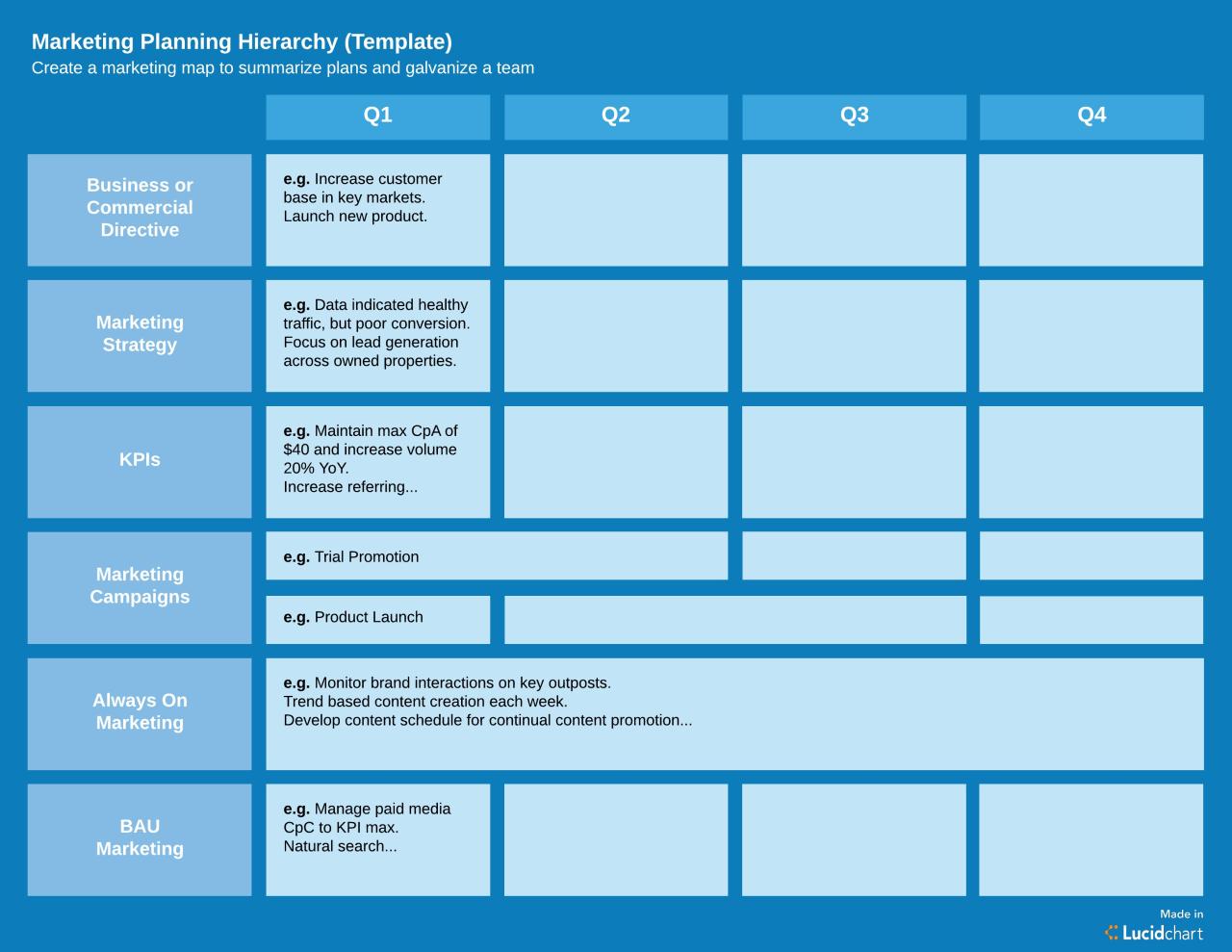
Developing a personalized daily plan is a powerful tool for maximizing productivity and achieving your goals. It’s not about rigid schedules, but rather a structured framework that adapts to your individual needs and preferences. By incorporating flexibility and adjustments, you can create a plan that supports your well-being and allows for unexpected events.This section provides a detailed guide to crafting a daily plan, including examples, templates, and strategies for incorporating personal preferences and needs.
We’ll explore the importance of flexibility and how to estimate time for tasks effectively. Understanding these aspects empowers you to create a daily plan that truly works for you.
Creating a Step-by-Step Guide
A well-structured daily plan is crucial for efficient time management. This process involves several key steps:
- Identifying Priorities: Start by identifying your most important tasks and goals for the day. Consider deadlines, appointments, and personal commitments. Prioritize tasks based on urgency and importance. This initial step ensures that crucial activities receive the necessary attention.
- Estimating Time: Accurately estimate the time needed for each task. Be realistic; overestimating is often better than underestimating. Consider potential interruptions and unexpected delays. Using a timer or stopwatch can help you develop a more accurate sense of how long tasks take in real-world conditions.
- Scheduling Tasks: Allocate specific time slots for each task in your daily plan. This creates a visual representation of your day and ensures that important activities are scheduled appropriately.
- Incorporating Breaks: Schedule regular breaks throughout the day. Breaks are essential for maintaining focus and preventing burnout. Short breaks can help improve concentration and overall productivity.
- Review and Adjust: Regularly review your daily plan and make necessary adjustments. Life is dynamic, and circumstances change. Flexibility is key to adapting to unforeseen events and maintaining a productive schedule.
Daily Planning Templates
Templates provide a structured framework for planning. They offer a visual representation of your daily activities and allow for easier organization.
| Template Type | Description |
|---|---|
| Work Template | Focuses on work-related tasks, including meetings, projects, and deadlines. This template often includes sections for communication, task completion, and potential roadblocks. |
| Study Template | Tailored for students, this template incorporates study sessions, revision time, and breaks. It may include sections for note-taking and resource allocation. |
| Personal Life Template | Includes personal activities such as exercise, social engagements, household chores, and self-care. This template is designed to balance personal and professional life. |
Incorporating Personal Preferences and Needs
A personalized daily plan reflects your individual preferences and needs. Consider factors such as your preferred work style, energy levels, and personal commitments. Prioritize tasks based on your individual circumstances.
Flexibility and Adjustments
A daily plan should not be rigid. Life throws curveballs, and the ability to adjust is crucial. Build flexibility into your schedule to accommodate unexpected events. Consider buffer time between tasks to allow for unexpected delays or interruptions.
Sample Daily Schedule for a Busy Professional
A busy professional’s schedule requires careful planning and prioritization. The following schedule provides an example.
- 7:00 AM – 8:00 AM: Wake up, exercise, and breakfast.
- 8:00 AM – 9:00 AM: Review emails and prioritize tasks.
- 9:00 AM – 12:00 PM: Deep work on major projects.
- 12:00 PM – 1:00 PM: Lunch and short break.
- 1:00 PM – 4:00 PM: Meetings and client interactions.
- 4:00 PM – 5:00 PM: Prepare for the next day, wrap up loose ends.
- 5:00 PM onwards: Personal time.
Estimating Time for Tasks and Activities
Estimating time accurately is crucial for effective planning. Consider past experiences, similar tasks, and potential obstacles when estimating time. Use a timer to track the actual time spent on tasks. This data provides valuable insights for future planning. Analyze these time estimations to fine-tune your approach for optimal efficiency.
Implementing Your Daily Plan
Successfully executing a daily plan hinges on more than just creating it. Effective implementation requires a strategic approach to prioritizing tasks, allocating time, managing distractions, and maintaining accountability. This involves developing techniques to ensure your plan isn’t just a document, but a practical guide for achieving your goals.Understanding the practical steps to implement your daily plan allows you to translate intentions into tangible results.
This involves understanding how to allocate time effectively, prioritize tasks, and manage distractions, ultimately leading to a more productive and fulfilling day. It is about creating a structure that allows you to not just survive, but thrive.
Prioritizing Tasks
Prioritization is crucial for focusing on the most important tasks first. The Eisenhower Matrix, categorizing tasks by urgency and importance, provides a structured framework for this. Urgent and important tasks demand immediate attention, while important but not urgent tasks require proactive scheduling. Delegating tasks that are neither urgent nor important can free up valuable time. This prioritization allows for efficient use of time and energy.
Time Allocation
Effective time allocation is about recognizing the time commitment required for each task. This involves estimating the time needed for each item in your plan, ensuring you don’t overschedule your day. Consider using time blocking, assigning specific time slots for particular activities. A realistic schedule prevents feeling overwhelmed and allows for flexibility in case of unforeseen events.
For example, a project requiring 4 hours might be broken down into 30-minute increments to maintain focus.
Managing Distractions and Interruptions
Distractions can significantly derail your progress. Strategies to minimize distractions include creating a dedicated workspace, turning off notifications, and using website blockers. Communicate your availability to others to avoid unnecessary interruptions. Establishing clear boundaries between work and personal time helps maintain focus and prevents burnout. For instance, setting aside specific periods for checking emails and social media can help manage these distractions effectively.
Accountability and Self-Discipline
Accountability and self-discipline are key to sticking to your plan. Find an accountability partner to share your plan with, or use a daily planner or app for tracking progress. Rewarding yourself for completing tasks reinforces positive habits. Regularly reviewing your plan and adjusting it based on performance can enhance efficiency and self-discipline. Having a system for tracking progress, such as marking off tasks as completed, can be a strong motivator.
Incorporating Breaks and Relaxation
Regular breaks are essential for maintaining focus and preventing burnout. Schedule specific time for rest and relaxation in your daily plan. This could include a short walk, listening to music, or engaging in a hobby. Incorporating breaks into your daily routine can significantly improve productivity and well-being. For instance, a 15-minute break after every two hours of focused work can help maintain concentration.
Adapting to Unexpected Events
Unexpected events are inevitable. Build flexibility into your daily plan by leaving buffer time between tasks. This allows for unforeseen delays or changes in plans. Develop a system for quickly re-prioritizing tasks and adjusting the schedule when necessary. For example, if a meeting runs longer than anticipated, you can shift the time allocation for subsequent tasks to accommodate the delay.
Optimizing Your Daily Plan
Refining your daily plan isn’t just about getting more done; it’s about aligning your activities with your goals and maximizing your well-being. Effective optimization involves continuous review, strategic adjustments, and a proactive approach to time management. This process fosters a more productive and fulfilling daily routine.Reviewing and evaluating your daily plan is crucial for identifying areas for improvement. Regular reflection allows you to assess the effectiveness of your strategies and pinpoint potential bottlenecks.
This iterative process leads to a more efficient and personalized daily plan.
Reviewing and Evaluating Your Daily Plan
Regularly reviewing your daily plan is essential for continuous improvement. This involves analyzing what worked well and what didn’t, identifying tasks that took longer than anticipated, and pinpointing areas where you felt overwhelmed or unproductive. Understanding these aspects provides valuable insights for refining future plans.
Strategies for Improving Efficiency and Productivity
Implementing strategies for efficiency and productivity is crucial for optimizing your daily plan. Prioritize tasks based on urgency and importance using techniques like the Eisenhower Matrix (urgent/important, important/not urgent, urgent/not important, not urgent/not important). Break down large tasks into smaller, manageable steps. Leveraging technology for task management and scheduling can also enhance efficiency.
Identifying and Eliminating Time-Wasting Activities
Identifying and eliminating time-wasting activities is a vital aspect of optimizing your daily plan. Be mindful of distractions like social media, unnecessary meetings, or procrastination. Develop strategies to mitigate these distractions, such as scheduling specific blocks of time for focused work or implementing time-blocking techniques. By recognizing and minimizing these time-wasters, you can maximize your productive time.
Tracking Progress and Measuring Success
Tracking progress and measuring success with your daily plan is important for motivation and accountability. Use a planner, calendar, or digital tool to monitor your progress. Regularly check in on your accomplishments and adjust your plan as needed. Consider using metrics such as the number of tasks completed, time spent on tasks, and the overall feeling of accomplishment at the end of the day.
This data can provide valuable feedback for future improvements.
Common Mistakes to Avoid in Daily Planning
Several common mistakes can hinder the effectiveness of daily planning. Avoid underestimating the time required for tasks. Over-scheduling can lead to burnout and decreased productivity. Similarly, neglecting to account for unexpected events or interruptions can disrupt your plan. Failure to review and adjust your plan regularly can also result in inefficiencies.
- Over-scheduling: Over-committing to tasks can lead to stress and reduced productivity.
- Underestimating task duration: Accurately estimating time for each task is crucial for effective scheduling.
- Ignoring flexibility: Building in flexibility for unexpected events is essential for maintaining a smooth workflow.
- Lack of review and adjustment: Regular review and adjustments to your plan ensure its effectiveness.
- Ignoring breaks: Regular breaks are essential for maintaining focus and preventing burnout.
Comparing and Contrasting Time Management Systems
Different time management systems offer various approaches to planning. Systems like the Pomodoro Technique, which involves focused work intervals with short breaks, can enhance concentration. Other systems, such as time blocking, assign specific time slots for different tasks, promoting a structured approach. The choice of system depends on individual preferences and work styles.
| Time Management System | Description | Strengths | Weaknesses |
|---|---|---|---|
| Pomodoro Technique | Focused work intervals with short breaks | Improves concentration, reduces procrastination | Can be rigid for complex tasks |
| Time Blocking | Specific time slots for different tasks | Structure and clarity in workflow | May not be suitable for unpredictable tasks |
| GTD (Getting Things Done) | Systematic approach to task management | Comprehensive and adaptable | Requires significant upfront effort |
Tools and Resources for Daily Planning
![48 Professional Project Plan Templates [Excel, Word, PDF] - Template Lab](https://kenzo.web.id/wp-content/uploads/2025/09/que-es-un-plan-ejemplos-1.png "48 Professional Project Plan Templates [Excel, Word, PDF] - Template Lab")
Effective daily planning hinges on the right tools and resources. Choosing the right tools can streamline your day, helping you achieve your goals and maintain a sense of control over your schedule. This section explores various methods and resources, from digital applications to physical planners, to help you select the best approach for your needs.Leveraging appropriate tools can significantly impact your daily productivity and overall well-being.
A well-structured daily plan, combined with suitable tools, allows you to allocate time effectively, prioritize tasks, and ultimately achieve more in less time. By carefully selecting and utilizing these tools, you can create a personalized system that optimizes your daily workflow.
Digital Planning Tools
Digital calendars and to-do list applications offer unparalleled flexibility and accessibility. They allow for seamless integration with other productivity tools and offer features like reminders, notifications, and task management.
- Digital Calendars: These tools are invaluable for scheduling appointments, meetings, and deadlines. They provide a centralized view of your commitments, enabling you to visualize your entire schedule at a glance. Popular choices include Google Calendar, Outlook Calendar, and Apple Calendar. These calendars allow you to share schedules with others, set reminders, and integrate with other apps.
- To-Do List Apps: These apps offer various features for organizing tasks, setting priorities, and tracking progress. Popular options include Todoist, Any.do, and Microsoft To Do. These apps often include features like task dependencies, subtasks, and recurring tasks, streamlining complex projects.
- Project Management Software: Tools like Asana, Trello, and Monday.com provide more robust task management, especially for collaborative projects or teams. They offer features for assigning tasks, setting deadlines, and tracking progress through visual boards or kanban-style views.
Physical Planning Tools
While digital tools are prevalent, physical planners and notebooks offer a tangible approach to daily planning. They can provide a sense of control and focus that digital tools sometimes lack.
- Planners: Dedicated planners, whether daily, weekly, or monthly, allow for structured organization. They provide a clear space for scheduling appointments, listing tasks, and jotting down ideas. Choosing a planner that aligns with your personal style and needs is crucial for consistent use. The variety of planner formats, from simple daily planners to detailed weekly spread planners, allows for personalized customization.
- Notebooks: Simple notebooks are excellent for brainstorming, capturing ideas, and recording notes. They provide a blank canvas for creative expression and allow for more fluid organization, making them beneficial for those who prefer less structure.
Integrating Different Planning Tools
Combining digital and physical tools can maximize efficiency and provide a more comprehensive approach to daily planning.
- Centralized Scheduling: Use a digital calendar to schedule appointments and deadlines. Record key tasks in a physical planner or notebook for quick reference and a sense of accomplishment. This approach allows for flexibility and personalized organization.
- Idea Generation and Capture: Use a notebook to jot down ideas, brainstorming sessions, and insights. Transfer essential items to a digital to-do list for follow-up and action.
- Collaboration Tools: Utilize project management software for collaborative projects, sharing tasks and deadlines with colleagues using digital platforms. Ensure that key information is also recorded in your personal physical planner for easy reference and to maintain personal control.
Further Learning Resources
Numerous resources offer insights into daily planning and time management strategies.
- Online Articles and Blogs: Many websites and blogs provide practical tips, strategies, and advice on daily planning and time management. Look for resources focusing on productivity, personal development, and goal setting for valuable information.
- Productivity Books: Books like “Getting Things Done” by David Allen offer comprehensive strategies for managing tasks and improving productivity. These resources provide in-depth knowledge and practical advice for creating a structured system for your daily planning.
- Online Courses: Many online platforms offer courses and workshops on time management and productivity. These courses provide structured learning and practical exercises for developing effective planning techniques.
Illustrative Examples
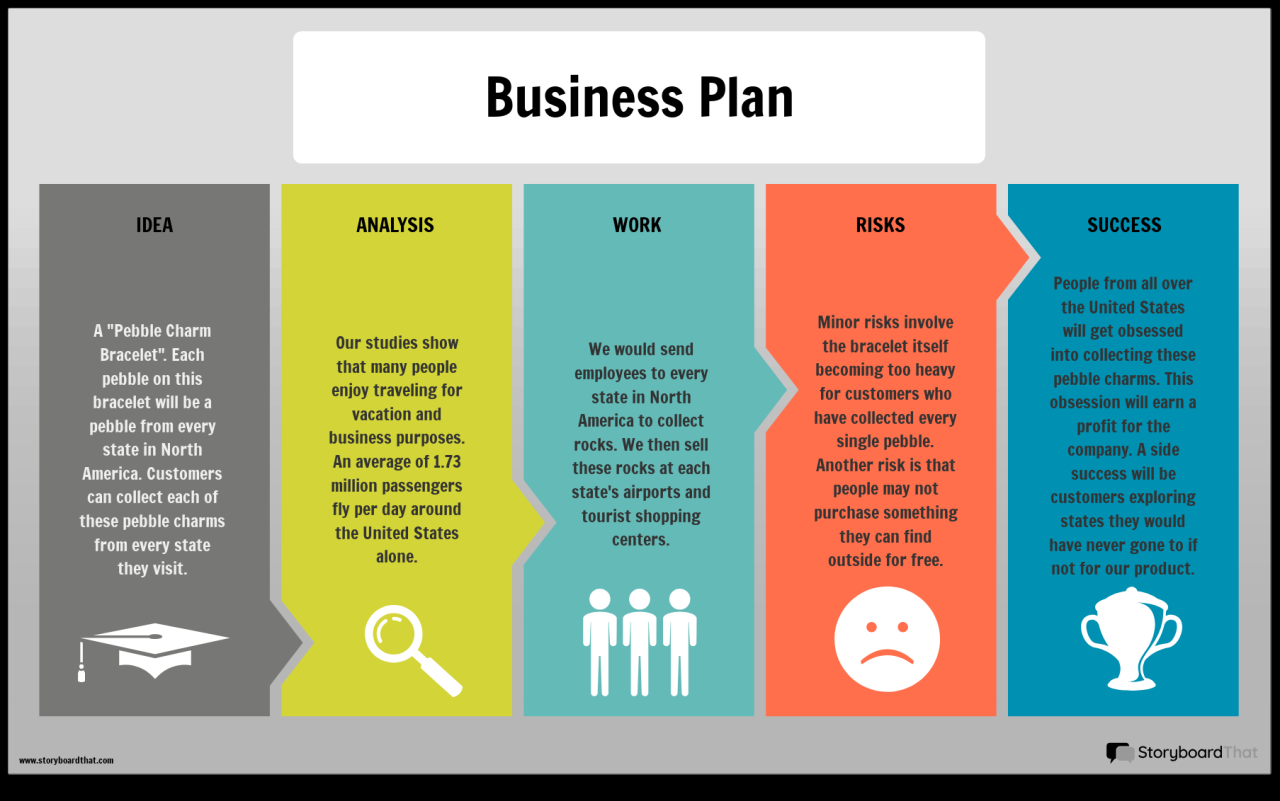
Effective daily planning empowers individuals to manage their time and responsibilities efficiently. By tailoring plans to specific roles and circumstances, individuals can prioritize tasks, optimize productivity, and reduce stress. This section presents practical examples demonstrating the versatility of daily planning.
Student Daily Plan
A well-structured daily plan for a student prioritizes academic commitments and personal well-being. This plan ensures sufficient time for studying, completing assignments, attending classes, and engaging in extracurricular activities.
- 7:00 AM – 7:30 AM: Wake up, light breakfast, and prepare for the day.
- 7:30 AM – 8:30 AM: Morning study session (focus on challenging subjects).
- 8:30 AM – 9:00 AM: Prepare and eat breakfast, review notes from the previous study session.
- 9:00 AM – 12:00 PM: Attend classes and actively participate in lectures.
- 12:00 PM – 1:00 PM: Lunch break and short break for relaxation.
- 1:00 PM – 4:00 PM: Afternoon study session (focus on subjects needing more practice).
- 4:00 PM – 5:00 PM: Review notes and complete assignments. Consider short breaks between tasks.
- 5:00 PM – 6:00 PM: Dinner, relaxation, and light exercise (e.g., walk or stretching).
- 6:00 PM – 8:00 PM: Extracurricular activities or personal time (e.g., socializing, hobbies).
- 8:00 PM – 9:00 PM: Review material from the day and prepare for the next day.
- 9:00 PM – 10:00 PM: Relaxation and wind-down activities (e.g., reading, meditation).
- 10:00 PM: Bedtime.
Freelancer Daily Plan (Working From Home)
A daily plan for a freelancer working from home requires flexibility and self-discipline. It balances work responsibilities with personal needs and time management.
- 7:00 AM – 8:00 AM: Wake up, personal care, and prepare breakfast.
- 8:00 AM – 9:00 AM: Review emails, plan tasks for the day, and prioritize work.
- 9:00 AM – 12:00 PM: Focus on high-priority tasks and client communication.
- 12:00 PM – 1:00 PM: Lunch break and short break for relaxation.
- 1:00 PM – 4:00 PM: Work on medium-priority tasks and respond to emails.
- 4:00 PM – 5:00 PM: Review completed tasks, prepare for the next day, and close out client communication.
- 5:00 PM – 6:00 PM: Dinner, and relaxation time.
- 6:00 PM onwards: Personal time, exercise, or social activities.
Parent Daily Plan
Managing family responsibilities requires a daily plan that balances household tasks, childcare, and personal needs. This plan ensures time for essential tasks and quality time with family.
- 7:00 AM: Wake up, personal care, and prepare breakfast for the family.
- 7:30 AM – 8:30 AM: Childcare activities (e.g., getting kids ready for school).
- 8:30 AM – 9:00 AM: Household tasks (e.g., laundry, dishes, or other chores).
- 9:00 AM – 12:00 PM: Work, errands, or personal commitments.
- 12:00 PM – 1:00 PM: Lunch with the family.
- 1:00 PM – 5:00 PM: Childcare, household tasks, and personal time.
- 5:00 PM – 6:00 PM: Dinner and family time.
- 6:00 PM – 8:00 PM: Personal time, hobbies, or relaxation.
- 8:00 PM onwards: Family time, bedtime routine, and preparation for the next day.
Multiple Commitments Daily Plan
A daily plan for individuals with multiple commitments necessitates clear prioritization and time management skills. This plan helps allocate time effectively across various obligations.
- 7:00 AM – 8:00 AM: Wake up, personal care, and prepare breakfast.
- 8:00 AM – 9:00 AM: Prioritize and plan tasks for the day.
- 9:00 AM – 12:00 PM: Focus on high-priority tasks from work, study, or personal obligations.
- 12:00 PM – 1:00 PM: Lunch break.
- 1:00 PM – 5:00 PM: Work, study, or personal appointments.
- 5:00 PM – 6:00 PM: Dinner and relaxation.
- 6:00 PM onwards: Attend appointments, complete tasks, and prepare for the next day.
Visual Representation of a Well-Structured Daily Plan
A well-structured daily plan should be visually appealing and easy to understand. Consider using a calendar, a digital planner, or a whiteboard to visualize tasks and allocated time.
| Time | Activity | Priority |
|---|---|---|
| 7:00 AM – 8:00 AM | Wake up, Personal Care | High |
| 8:00 AM – 9:00 AM | Work | High |
| 9:00 AM – 12:00 PM | Study | High |
| 12:00 PM – 1:00 PM | Lunch | Medium |
| 1:00 PM – 4:00 PM | Work | Medium |
| 4:00 PM – 5:00 PM | Personal Time | Low |
Customizing Your Daily Plan
Daily plans are not one-size-fits-all. They must be customized to meet individual needs and circumstances. Consider factors like your role, responsibilities, and personal preferences. Adjust your plan based on feedback and evaluation.
Closing Notes
In conclusion, mastering the art of daily planning empowers you to take control of your time and achieve your objectives. By understanding different approaches, crafting a personalized schedule, implementing effective strategies, optimizing your plan, utilizing valuable tools, and learning from illustrative examples, you’ll be well-equipped to navigate your day with purpose and efficiency. This guide provides a structured framework to create a daily plan that works for you, helping you maximize your productivity and achieve a more fulfilling and balanced lifestyle.