Effective note-taking is a crucial skill for academic success, yet efficient review is equally vital for retaining information. This guide delves into a multifaceted approach to reviewing notes, encompassing various styles, organizational strategies, technological tools, and active recall techniques. By mastering these methods, you can transform your notes from mere records into powerful learning instruments.
The guide will explore different note-taking styles, from the classic Cornell method to mind mapping, and explain how to adapt them to diverse subjects. We’ll also cover the importance of note organization, using headings, subheadings, and visual aids to enhance understanding and retrieval. Furthermore, we’ll discuss the integration of digital tools and active recall strategies, ultimately optimizing your study environment for efficient review.
Note-Taking Styles and Methods
Effective note-taking is crucial for efficient review. Different note-taking styles cater to various learning preferences and subject matter. Understanding the strengths and weaknesses of each approach allows you to select the most suitable method for optimal learning and review. This section explores common note-taking styles, their advantages and disadvantages, and how to adapt them to different subjects.
Note-Taking Styles
Various note-taking styles exist, each with its own advantages and disadvantages. Choosing the right style depends on your learning preferences and the subject matter. Understanding the strengths and weaknesses of each approach allows you to tailor your method for optimal review.
- Cornell Method: This structured method involves dividing a page into sections, typically a main note-taking area, a cue column, and a summary section. The cue column is used to record key concepts and questions, while the summary section is dedicated to concise summaries of the main notes. This method fosters active recall and promotes deeper understanding. Advantages include clear organization, which facilitates quick review.
However, it can be less adaptable to subjects with complex diagrams or visual elements. For example, in a history class, the Cornell method can be used by creating cues for key events, dates, and figures, then summarizing their significance. In science, students can use the cue column to record key formulas or laws and the summary section to explain their applications.
- Mind Mapping: This method uses a central idea or concept from which branches radiate outwards, representing related ideas and s. It’s visually engaging and allows for a holistic view of interconnected information. Mind maps are exceptionally beneficial for grasping complex relationships and interconnected concepts. However, they might not be ideal for subjects requiring a linear progression of information, such as mathematics.
In a history class, students can create a mind map with the central theme of World War I, then branching out to key events, battles, and political figures. In a science class, students could use mind mapping to visualize the structure of an atom, with protons, neutrons, and electrons branching off from the central idea.
- Linear Note-Taking: This method involves taking notes in a sequential manner, typically in bullet points or paragraphs. It’s straightforward and suitable for subjects that lend themselves to a structured, chronological presentation. Linear notes are ideal for subjects like mathematics, where formulas and equations follow a specific order. However, they might not be as effective for capturing complex relationships between concepts.
In a history class, students can use linear notes to record events in chronological order, noting causes and effects. In a mathematics class, linear notes are used to list and record equations and formulas in a sequential manner.
Comparison of Note-Taking Styles
| Style | Advantages for Review | Disadvantages for Review |
|---|---|---|
| Cornell | Clear organization; promotes active recall; easy to summarize and review; good for subjects with a lot of facts and details. | Less suitable for visual or diagram-heavy subjects; can be time-consuming to set up for complex topics. |
| Mind Mapping | Visually engaging; highlights connections between ideas; good for grasping complex relationships; facilitates brainstorming. | Can be difficult to review in a linear fashion; might not be ideal for subjects requiring a sequential approach. |
| Linear | Straightforward and easy to follow; good for subjects requiring a structured approach; suitable for subjects like mathematics or programming. | Can become overwhelming for complex topics; might not highlight connections between concepts effectively. |
Organizing Notes for Effective Review

Effective note-taking is a crucial step in the learning process, but equally important is the subsequent organization of those notes. A well-organized system allows for efficient review, enabling you to quickly access and synthesize information when needed. This organized approach transforms raw notes into a readily accessible and meaningful resource.Logical organization significantly enhances the review process. By structuring notes in a clear and coherent manner, you establish a pathway for your mind to navigate and retrieve information effortlessly.
This process facilitates a deeper understanding and retention of the material, transforming your notes into an active learning tool.
Strategies for Logical Note Organization
A well-structured approach to note organization is essential for effective review. This involves more than just jotting down ideas; it requires a thoughtful and deliberate system for arranging information in a way that supports recall. This is achieved through a series of techniques, including the strategic use of headings, subheadings, and visual cues.
Importance of Headings, Subheadings, and Visual Cues
Headings and subheadings serve as signposts, guiding you through the content. They break down complex information into digestible chunks, making it easier to locate specific details during review. Visual cues, such as highlighting, underlining, and using different colors, further aid in the organization and retrieval of information. These visual markers act as visual reminders, drawing your eye to important concepts and facilitating a quicker review.
Creating a Categorization System
A well-defined system for categorizing information is crucial for efficient note review. This system allows you to group related concepts together, fostering a more comprehensive understanding of the subject matter. For instance, you might categorize notes by topic, concept, or date, depending on the type of material and your learning style.
Note Organization Techniques
Various techniques can enhance note organization. Color-coding, for example, can distinguish different concepts or ideas, making them visually distinct and memorable. Using symbols to represent specific categories or types of information can also create a unique visual shorthand.
- Color-coding allows for quick identification of related concepts, improving visual association and recall.
- Employing symbols for different types of information can facilitate quick identification during review.
Example: Using Headings and Subheadings
A well-organized system for using headings and subheadings is vital for efficient review. It breaks down complex information into manageable sections, enhancing the ability to quickly locate and review specific details. This is especially helpful for large amounts of material.
| Heading Level | Use Case | Example |
|---|---|---|
| Main Heading (H1) | Broad topic or overall concept | Introduction to Thermodynamics |
| Subheading (H2) | Key concepts within the main topic | Laws of Thermodynamics |
| Sub-subheading (H3) | Specific details or examples under the subheading | First Law of Thermodynamics |
| Sub-sub-subheading (H4) | Further breakdown of sub-subheadings, if needed | Internal Energy Changes |
Using Technology for Note Review

Leveraging digital note-taking tools can significantly enhance the efficiency and effectiveness of reviewing your notes. These tools offer features specifically designed to streamline the process of identifying key concepts, summarizing information, and locating specific details, thereby optimizing your study time and comprehension. Digital platforms provide a flexible and adaptable environment for note review, accommodating diverse learning styles and note-taking preferences.Digital note-taking tools often provide functionalities that facilitate efficient note review.
These tools often go beyond simply storing notes, offering a range of features tailored for effective review. This includes advanced search capabilities, customizable note organization, and the ability to integrate various multimedia elements, enabling a richer and more engaging review experience. This approach fosters a more dynamic and interactive learning process, promoting active recall and deeper understanding.
Digital Note-Taking Tools and Capabilities
Digital note-taking applications have evolved to offer a range of capabilities for reviewing notes. They transcend basic note storage, providing functionalities specifically designed for streamlined review.
- Advanced Search Functionality: Many digital note-taking applications incorporate sophisticated search algorithms that enable users to quickly locate specific information within their notes. This allows for precise retrieval of key concepts, definitions, or examples, making it easier to identify and review relevant material.
- Customizable Note Organization: Digital platforms permit users to structure and organize their notes in various ways. This can include categorizing notes, creating tags, and using hierarchical structures, enhancing note retrieval and review. These organizational tools allow users to tailor their note-taking system to their individual needs, improving the efficiency of the review process.
- Integration of Multimedia Elements: Digital note-taking tools often facilitate the integration of multimedia elements like images, audio, and video into notes. This enhances the engagement and comprehensiveness of the notes, enabling a more holistic learning experience. This integration facilitates a more nuanced and richer understanding of the material during the review phase.
- Collaboration Features: Some digital note-taking applications enable collaboration with others, facilitating group study and review sessions. This allows for shared access to notes, collaborative annotations, and the exchange of insights, creating a dynamic and interactive learning environment.
Comparison of Digital Note-Taking Applications
Different digital note-taking applications cater to varying needs and preferences. Their capabilities and functionalities differ, impacting the efficiency of note review.
| Application | Pros | Cons |
|---|---|---|
| Evernote | Excellent search capabilities, robust organizational tools, wide range of integrations. | Can be complex to learn and use, may not be ideal for basic note-takers. |
| Notion | Highly customizable and versatile, adaptable to various note-taking styles. | Steeper learning curve compared to simpler apps, might require more time to set up. |
| Google Keep | Simple and intuitive interface, integrates seamlessly with other Google services. | Limited organizational features, may not be suitable for complex note systems. |
| OneNote | Excellent for collaborative note-taking, integration with Microsoft Office suite. | Can be less intuitive for users unfamiliar with the Microsoft ecosystem. |
Review Techniques and Strategies
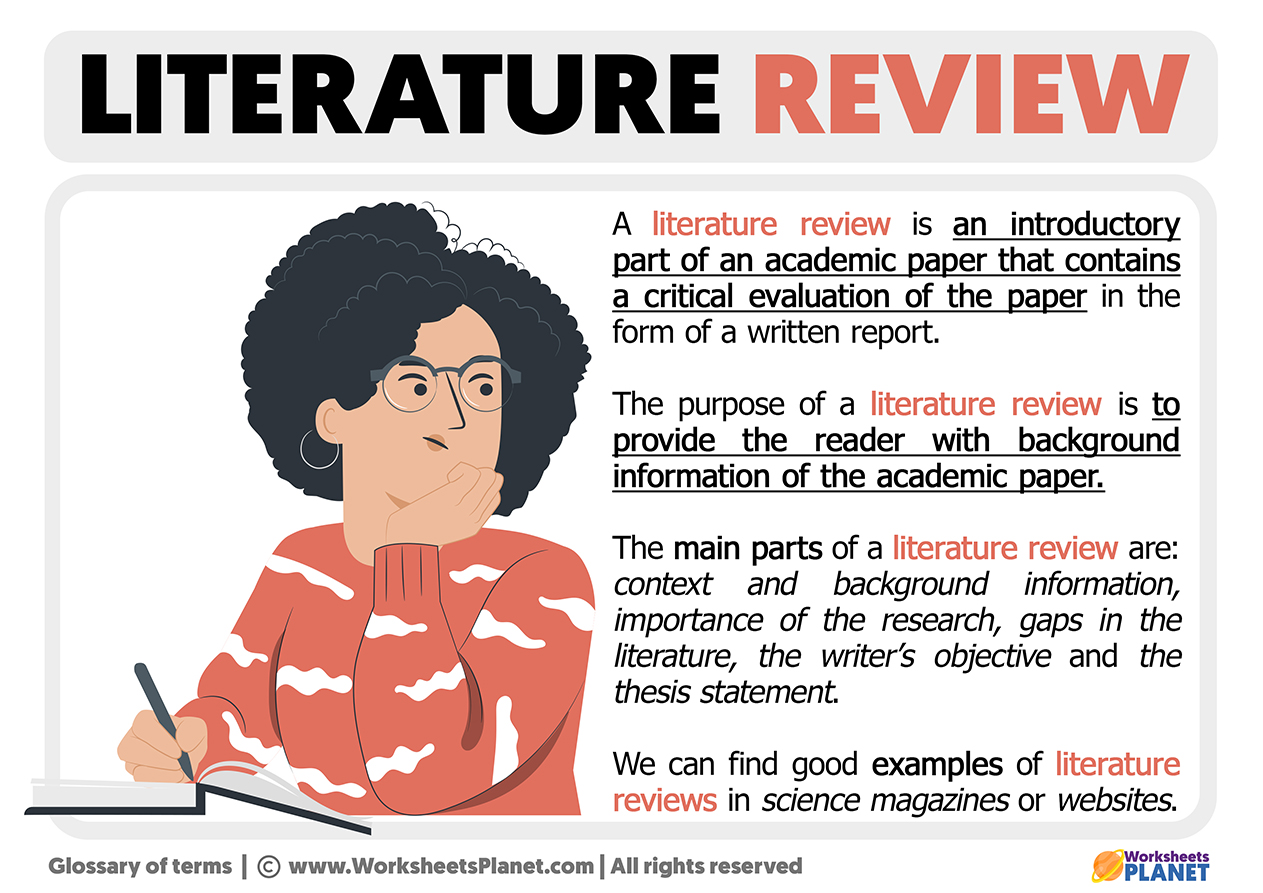
Effective note review is crucial for retaining information and applying knowledge. Beyond simply rereading notes, active recall and strategic review methods significantly enhance learning and long-term memory. These techniques provide a dynamic approach to engagement with the material, moving beyond passive absorption to active engagement.
Active Recall Techniques
Active recall techniques are methods that encourage retrieval of information from memory rather than simply rereading notes. This process strengthens memory connections and improves understanding. These techniques are particularly effective when used in conjunction with other review methods.
- Self-Testing: Create practice questions and tests based on your notes. Answering these questions without looking at your notes forces your brain to retrieve the information, reinforcing memory pathways. This process is a cornerstone of effective learning and should be integrated into the review process.
- Retrieval Practice: Regularly attempt to recall information without looking at your notes. This could involve summarising a section or answering specific questions about the material. This focused retrieval strengthens memory and boosts understanding.
- The Feynman Technique: Explain the concept in your own words as if you were teaching it to someone else. If you struggle to explain it clearly, it signifies areas where your understanding is incomplete. This process helps identify knowledge gaps and clarifies concepts.
Spaced Repetition
Spaced repetition is a learning technique where you review material at increasing intervals. This method leverages the spacing effect, which shows that spaced learning is more effective than massed learning (cramming).
- Utilizing Software: Several software programs, such as Anki and Quizlet, employ spaced repetition algorithms. These tools track your performance and adjust the review intervals based on your learning progress.
- Manual Scheduling: Create a schedule for reviewing your notes at progressively longer intervals. Begin with shorter intervals, and increase the time between reviews as you demonstrate understanding. This approach ensures your memory retention is consistent and long-lasting.
- Variable Intervals: Employ variable intervals rather than fixed ones for review. Adjust review times based on your ability to recall information accurately. This strategy ensures that you are consistently challenging your memory.
Creating Practice Questions and Tests
Creating practice questions and tests is an effective way to assess your understanding and identify knowledge gaps. These assessments provide feedback on what you need to focus on during your review.
- Conceptual Questions: Frame questions that probe your understanding of the core concepts, rather than just asking for factual recall. These questions promote deeper engagement with the material.
- Application Questions: Pose questions that require applying the concepts to different scenarios or problems. This method strengthens your ability to utilize the knowledge in practical situations.
- Multi-Step Questions: Construct questions that require several steps to answer. This builds your ability to process information sequentially and thoroughly.
Using Flashcards
Flashcards are a simple but effective tool for reviewing notes. They aid in memorization and recall.
- Front-Back Structure: Use one side of the card to present a concept or question, and the other side to provide the answer or explanation.
- Elaborative Recall: Encourage elaborate recall by including relevant details, examples, and illustrations on the cards.
- Regular Review: Review flashcards frequently to reinforce learning and maintain knowledge retention.
Active Recall Methods Table
| Method | Description | Example |
|---|---|---|
| Self-Testing | Creating and answering practice questions to assess understanding. | Creating a quiz on the key concepts from a chapter. |
| Retrieval Practice | Attempting to recall information without looking at notes. | Trying to summarise a section of notes without referencing them. |
| Feynman Technique | Explaining concepts as if teaching them to someone else. | Explaining the concept of photosynthesis to a hypothetical student. |
Optimizing Your Study Environment
A conducive study environment plays a pivotal role in effective note review. A well-organized space fosters concentration, minimizes distractions, and maximizes the efficiency of your review sessions. This dedicated area allows for a focused and productive approach to learning and understanding the material.A well-structured study environment significantly enhances the ability to absorb and retain information from your notes.
Creating an atmosphere that promotes focus and minimizes distractions will ultimately lead to a more thorough and productive review process.
Importance of a Dedicated Study Space
A dedicated study space, whether a designated corner in your room or a quiet library area, provides a consistent location for note review. This consistency helps establish a mental association between that space and focused learning, making it easier to enter the “study mode” mindset. It also helps to eliminate the mental friction associated with searching for a suitable place to review notes.
Creating a Conducive Environment
To optimize your study environment, create an atmosphere that encourages concentration. Natural light, if possible, is preferable to artificial lighting. Ensure the space is well-ventilated, free from clutter, and organized in a manner that promotes a sense of calm. Consider adding elements like plants, soothing artwork, or calming music to further enhance the environment.
Minimizing Distractions
Distractions are significant obstacles to efficient note review. Identify and eliminate potential distractions in your environment. These distractions can include noisy roommates, social media notifications, or even the temptation of other tasks. Develop strategies to minimize these interruptions.
Importance of Lighting, Temperature, and Noise Levels
Proper lighting, temperature, and noise levels significantly impact focus and concentration. Ensure the lighting is neither too bright nor too dim, and adjust the temperature to a comfortable level. Minimize background noise by using noise-canceling headphones or choosing a quiet environment. For example, a library or a quiet study room is ideal for note review, minimizing environmental distractions.
Potential Distractions and Solutions
- Social Media/Phone Notifications: Turn off notifications or put your phone on silent and out of sight. Consider using website blockers to prevent access to distracting websites.
- Noisy Roommates/Family Members: Communicate with roommates or family members about your need for quiet time during your study sessions. Consider using noise-canceling headphones or choosing a quiet location.
- Cluttered Workspace: Keep your workspace clean and organized. This minimizes visual distractions and promotes a sense of calm and focus.
- Uncomfortable Temperature/Lighting: Adjust the temperature and lighting in your study space to create a comfortable and conducive environment.
Step-by-Step Guide to Optimizing Your Study Space
- Identify a Suitable Location: Choose a space that is quiet, well-lit, and free from distractions. Consider the environment and how it might affect your focus.
- Minimize Distractions: Turn off notifications, put your phone away, and inform others of your need for quiet time. Consider using website blockers.
- Organize Your Workspace: Keep your workspace clean and organized to minimize visual distractions. This includes removing clutter and arranging items in a way that promotes focus.
- Adjust Lighting and Temperature: Adjust the lighting and temperature to create a comfortable and conducive environment.
- Implement Noise Control: Use noise-canceling headphones or find a quiet environment to minimize background noise.
Reviewing Notes Before, During, and After Lectures
Effective note-taking is a crucial skill for academic success. Reviewing your notes at various stages of a lecture can significantly enhance comprehension and retention. Consistent review helps consolidate information, identify gaps in knowledge, and ultimately improve learning outcomes. By strategically reviewing notes before, during, and after a lecture, you can create a powerful learning cycle.A well-structured review process helps students build a strong foundation for understanding the material.
This proactive approach allows students to actively engage with the subject matter, fostering deeper learning and long-term retention. The strategies Artikeld below can help you build this structured review process.
Reviewing Notes Before a Lecture
Previewing the lecture material before attending class can significantly enhance your comprehension and engagement during the lecture. Reviewing relevant readings, summaries, or previous notes from similar topics helps activate prior knowledge, allowing you to connect new information to existing concepts. This proactive approach can increase your focus and help you anticipate the lecture’s direction, making it easier to identify key points.
By reviewing material beforehand, you establish a framework for understanding the upcoming lecture and can better integrate new information into your existing knowledge.
Actively Reviewing Notes During a Lecture
During the lecture, active engagement is key to effective note-taking and retention. As the lecturer presents information, actively listen and try to synthesize the key ideas. Identify patterns, connections, and key terms. Use abbreviations, symbols, and visual cues to enhance your notes and aid comprehension. Engage in note-taking during the lecture, summarizing main points and identifying examples.
Reviewing Notes Immediately After a Lecture
Reviewing your notes immediately after the lecture reinforces your learning. This process allows you to fill in gaps, clarify ambiguities, and connect ideas. The immediate post-lecture review session is crucial for consolidating the information in your short-term memory into long-term memory. It’s an active recall process where you re-evaluate the material and ensure you understand the core concepts.
The sooner you review, the more effective the review process is.
Comparison of Note Review Strategies
| Stage | Strategy | Pros | Cons |
|---|---|---|---|
| Before | Review previous notes, readings, or summaries related to the topic. | Activates prior knowledge, allows for better anticipation of the lecture’s content, connects new information to existing concepts. | Might not be applicable for lectures without pre-reading material. Can lead to passive learning if not actively engaged. |
| During | Listen actively, synthesize key ideas, use abbreviations and visual cues, summarize main points. | Promotes active engagement during the lecture, facilitates immediate understanding and retention. | Requires concentration and focus, can be challenging to take thorough notes and actively listen simultaneously. |
| After | Review and fill in gaps, clarify ambiguities, connect ideas. | Reinforces learning, consolidates information, allows for clarification of concepts. | Requires time and effort, can be challenging if notes are unclear or incomplete. |
Final Conclusion
In conclusion, this comprehensive guide has explored various methods for reviewing notes efficiently. From choosing the right note-taking style to optimizing your study environment, mastering these techniques will empower you to unlock the full potential of your notes. By implementing the strategies Artikeld, you’ll not only retain information effectively but also cultivate a deeper understanding of the material.