Mastering personal finance begins with effective budgeting. This guide provides a roadmap to understanding budgeting fundamentals, tracking income and expenses, and creating a realistic budget. It delves into strategies for managing debt and savings, budgeting for specific needs, and adapting your plan for long-term financial success. Whether you’re a student, young professional, or family, this comprehensive approach offers practical tools and insights to help you achieve your financial goals.
By examining different budgeting methods and their pros and cons, you can choose the strategy that best suits your lifestyle and financial situation. This exploration of practical budgeting techniques equips you with the knowledge and tools to make informed financial decisions and confidently navigate the complexities of personal finance.
Understanding Budgeting Fundamentals
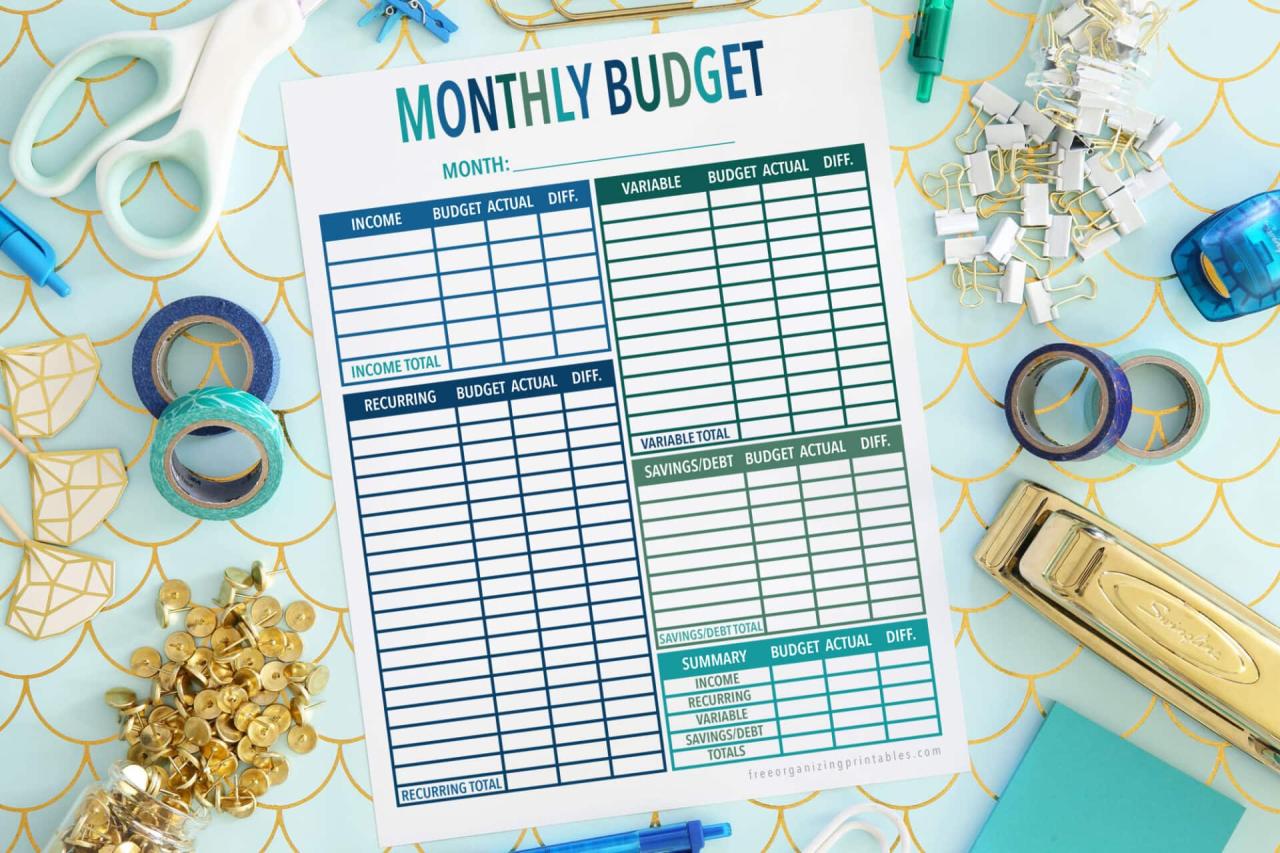
Budgeting is a crucial component of sound personal finance. It’s a systematic process of planning how to allocate your income to cover expenses and achieve financial goals. A well-structured budget empowers you to take control of your finances, ensuring you have enough resources for necessities, savings, and future aspirations. Without a budget, it’s easy to overspend and lose sight of your financial objectives.
Definition and Importance of Budgeting
Budgeting is the process of creating a financial plan that Artikels anticipated income and expenses over a specific period. This plan helps individuals and families manage their money effectively, ensuring they have enough resources to cover essential needs and achieve their financial goals. Its importance lies in its ability to promote financial stability, prevent debt accumulation, and enable informed decision-making about spending and saving.
Core Principles of Effective Budgeting
Effective budgeting rests on several fundamental principles. One crucial element is meticulously tracking income and expenses. This involves recording all sources of income and every outflow of money, from everyday purchases to larger commitments. Accurate tracking provides a clear picture of financial inflows and outflows, allowing for informed adjustments and proactive management of spending habits. Another key principle is prioritizing needs over wants.
Differentiating between essential expenses and discretionary spending allows for responsible allocation of resources.
Types of Budgets
Various budgeting methods cater to different financial needs and preferences. The zero-based budget allocates every dollar of income to a specific category, ensuring that all income is accounted for. This method promotes thorough financial management. The 50/30/20 rule suggests allocating 50% of income to needs, 30% to wants, and 20% to savings and debt repayment. This simple guideline can be easily adopted for budgeting.
Other methods, such as the envelope system, focus on allocating physical cash to different categories, fostering awareness of spending.
Setting Financial Goals and Budgeting
Financial goals are integral to effective budgeting. Defining goals like saving for a down payment on a house, paying off debt, or funding a child’s education provides direction for budgeting decisions. By aligning spending patterns with these objectives, individuals can actively work towards achieving their desired financial outcomes. Goals also provide motivation for saving and reducing unnecessary expenses.
Pros and Cons of Different Budgeting Methods
| Budgeting Method | Pros | Cons |
|---|---|---|
| Zero-Based Budget | Ensures all income is accounted for, promotes thorough financial management | Can be complex and time-consuming to set up and maintain |
| 50/30/20 Rule | Simple, easy to understand and implement, provides a clear guideline for spending | May not be suitable for everyone’s financial circumstances, flexibility might be limited |
| Envelope System | Encourages awareness of spending, promotes physical control over money | Can be cumbersome for larger transactions, might not be suitable for all types of spending |
Tracking Income and Expenses
Effective budgeting hinges on accurate tracking of both income and expenses. This crucial step provides the data needed to understand spending habits, identify areas for improvement, and ultimately, achieve financial goals. Understanding where your money goes is paramount to informed decision-making.A well-structured tracking system allows you to monitor your financial health and adapt your budget as needed. Regular review of income and expense records empowers you to make necessary adjustments and stay on course.
By meticulously logging every financial transaction, you gain invaluable insights into your spending patterns and can make proactive choices to improve your financial well-being.
Income Tracking Template
A dedicated income tracking system is essential for accurately reflecting your financial inflows. This system enables you to monitor your income sources and ensure your budget aligns with your earnings.
| Date | Source of Income | Amount | Notes |
|---|---|---|---|
| 2024-10-27 | Salary | $4,000 | Regular bi-weekly paycheck |
| 2024-10-27 | Freelance Project | $500 | Completed design project |
| 2024-10-27 | Interest Income | $25 | Savings account interest |
Expense Tracking Template
This structured approach to expense tracking enables a detailed analysis of your spending patterns. Regularly reviewing your expense records allows you to identify areas for potential savings and optimize your financial resources.
| Date | Category | Description | Amount | Notes |
|---|---|---|---|---|
| 2024-10-27 | Housing | Rent | $1,500 | Monthly rent payment |
| 2024-10-27 | Food | Groceries | $200 | Weekly grocery shopping |
| 2024-10-27 | Transportation | Gas | $50 | Fuel for the week |
Expense Tracking Methods
Various methods exist for meticulously recording expenses, each with its own strengths and weaknesses. Choosing the method that best suits your needs and lifestyle is crucial for successful budget management.
- Budgeting Apps: Apps like Mint, Personal Capital, and YNAB offer automated expense tracking, categorization, and personalized insights. These tools often provide visual representations of spending patterns, which are helpful in identifying potential areas for savings. They typically integrate with bank accounts for seamless data transfer.
- Spreadsheets: Spreadsheet programs like Microsoft Excel or Google Sheets provide a customizable platform for tracking income and expenses. This method offers flexibility to tailor the template to your specific needs and preferences. Manually entering data may require more effort but offers control over the data structure and categorization.
- Notebooks: Traditional notebooks and pen methods remain a viable option for tracking expenses. This method is beneficial for those who prefer a hands-on approach and can be especially effective for those who want a more personalized approach to budgeting.
Expense Categorization
A well-defined expense categorization system is crucial for analyzing spending patterns. A comprehensive system allows you to understand where your money is going and to make informed decisions about your spending.
- Housing: Rent, mortgage payments, property taxes, and home maintenance.
- Food: Groceries, dining out, and eating out expenses.
- Transportation: Gas, public transport, car payments, and maintenance.
- Utilities: Electricity, water, gas, and internet services.
- Entertainment: Movies, concerts, and other leisure activities.
Analyzing Spending Patterns
Analyzing spending patterns helps to identify areas where adjustments can be made to optimize your financial well-being. Regular review of your spending patterns can help you to adjust your budget as needed.
- Identify Irregular Expenses: Unpredictable expenses can quickly disrupt your budget. By recognizing these irregular expenses, you can plan for them or reduce their impact.
- Spotting Recurring Expenses: Regular expenses, such as rent, utilities, and groceries, can be tracked to help you plan your budget accordingly.
- Identifying Savings Opportunities: Analyze your spending patterns to identify areas where you can reduce expenses without compromising your lifestyle.
Automating Income and Expense Tracking
Automating income and expense tracking simplifies the budgeting process. Automation saves time and reduces the risk of errors.
- Bank Account Integration: Many budgeting apps connect directly to bank accounts to automatically import transactions, simplifying the process and reducing manual entry.
- Scheduled Payments: Set up automatic payments for recurring expenses, like rent or subscriptions, to streamline the process and prevent late fees.
- Regular Reviews: Schedule regular reviews of your income and expense records to stay informed about your financial status and make necessary adjustments.
Creating a Realistic Budget
A realistic budget is a crucial step towards financial well-being. It’s not about deprivation, but about understanding your financial situation and making informed choices. This section will guide you through the process of estimating income and expenses, identifying areas for saving, and tailoring a budget to your specific life stage.Creating a budget that accurately reflects your financial reality is paramount to its success.
It’s not a one-size-fits-all document, but a dynamic tool that adjusts with your life’s changes. This necessitates careful consideration of both your income and expenses, allowing for flexibility and potential adjustments over time.
Estimating Income and Expenses
Accurate income and expense estimations are foundational to a sound budget. This involves a thorough review of all sources of income, including salary, freelance work, investments, or other sources of revenue. Similarly, a detailed accounting of all expenses is vital. This encompasses fixed costs like rent or mortgage, utilities, and transportation, as well as variable costs such as groceries, entertainment, and dining out.
Tools like budgeting apps or spreadsheets can streamline this process.
Identifying and Eliminating Unnecessary Expenses
Identifying and eliminating unnecessary expenses is a key component of effective budgeting. This involves meticulous tracking of spending habits over a period. This practice often reveals recurring expenditures that could be reduced or eliminated entirely. Consider reviewing past spending patterns, examining receipts, and categorizing expenses for a clear understanding of where your money is going. This will help identify potential areas for savings.
Examples include cancelling unused subscriptions, negotiating lower utility rates, or choosing cheaper transportation options.
Realistic Budget Allocations for Different Life Stages
Budget allocations should be tailored to individual circumstances and life stages. For students, the budget may prioritize tuition, books, and living expenses. Young professionals might allocate more for savings and debt repayment. A family budget might require more substantial allocations for childcare, education, and household needs.
- Student: Allocate funds for tuition, books, housing, food, transportation, and entertainment, keeping in mind potential part-time work income.
- Young Professional: Prioritize debt repayment, savings, and emergency funds, along with housing, food, transportation, and personal expenses.
- Family: Budget should cover housing, utilities, groceries, childcare, education, transportation, and personal needs of all family members. Consider future goals and saving for children’s education.
Budgeting Tools and Resources
A variety of tools and resources can aid in creating and managing a budget. These include budgeting apps, spreadsheet software, and financial advisors. Choosing the right tool depends on individual needs and comfort level. Budgeting apps often offer features like automated expense tracking, budgeting categories, and financial goal setting. Spreadsheet software provides flexibility for customization and detailed analysis.
Financial advisors can offer personalized guidance and support in developing and managing a budget.
- Budgeting Apps: Mint, YNAB (You Need a Budget), Personal Capital offer automated tracking, categorization, and goal setting.
- Spreadsheet Software: Microsoft Excel, Google Sheets allow for customized budgeting templates and detailed financial analysis.
- Financial Advisors: Can provide personalized guidance and strategies for achieving financial goals. Consider seeking a certified financial planner for expert advice.
Prioritizing Needs and Wants
Prioritizing needs and wants is essential when creating a budget. Needs are essential for survival and well-being (e.g., housing, food, utilities). Wants are desirable but not essential (e.g., entertainment, luxury items). Differentiating between these categories allows for allocating resources effectively. Allocate funds to needs first, ensuring they are covered, and then consider allocating the remaining funds to wants.
Prioritizing needs over wants is a key element of sound financial management.
Managing Debt and Savings
Effective budgeting extends beyond simply tracking income and expenses; it encompasses strategic debt management and consistent savings. This crucial aspect ensures financial stability and helps achieve long-term financial goals. A well-structured approach to managing debt and savings allows for the efficient allocation of funds, minimizing financial stress and maximizing potential returns.Debt and savings are intertwined components of a comprehensive financial strategy.
Managing debt effectively frees up resources for savings, while strategic savings can provide a safety net for unexpected expenses and support future aspirations. This section explores various methods for managing debt and building savings, highlighting how these elements can be incorporated into a personal budget.
Strategies for Effective Debt Management
Debt management involves more than simply paying the minimum. Understanding different debt types and implementing appropriate strategies can significantly reduce the burden and accelerate repayment. Various methods are available to effectively manage debt, each with its own set of advantages and disadvantages.
- Debt Consolidation: Consolidating multiple debts into a single loan with a lower interest rate can simplify repayment and potentially reduce overall interest costs. This strategy can be beneficial if it leads to lower monthly payments and a faster repayment schedule.
- Debt Snowball Method: This strategy prioritizes smaller debts first, regardless of interest rate. The satisfaction of quickly eliminating smaller debts can motivate continued progress and build momentum. This method is often more psychologically motivating but may result in higher overall interest paid.
- Debt Avalanche Method: This strategy prioritizes debts with the highest interest rates first. While it might take longer to eliminate smaller debts, the lower overall interest paid over time can save significant funds in the long run.
- Balance Transfer Credit Cards: Utilizing a balance transfer credit card with a 0% introductory APR can temporarily lower interest payments. However, it’s crucial to understand that interest charges will resume after the introductory period ends. Carefully consider the terms and conditions of any balance transfer offer.
Incorporating Debt Repayment into a Budget
Integrating debt repayment into a budget requires careful planning and prioritization. This involves identifying the specific debts, calculating minimum payments, and determining the extra amount that can be allocated to debt repayment.
- Prioritize high-interest debts: Allocating a portion of the budget specifically to high-interest debts can significantly reduce overall interest costs over time. Focus on paying off the debt with the highest interest rate first, as it is the most expensive to carry.
- Create a debt repayment schedule: A structured schedule can track progress, manage expectations, and maintain motivation. Consider using budgeting software or spreadsheets to organize and monitor debt reduction.
- Adjust budget allocations: Reducing non-essential spending and allocating additional funds to debt repayment can significantly accelerate the repayment process. Review and adjust the budget as needed based on progress.
Saving Strategies
Effective saving strategies are essential for achieving financial goals and building a strong financial foundation. A well-structured savings plan is critical for securing a financial future and meeting various needs.
- Emergency Fund: Establishing an emergency fund is crucial for unexpected expenses. A common recommendation is to aim for 3-6 months of living expenses. This fund provides a safety net during unforeseen circumstances, like job loss or medical emergencies.
- Retirement Savings: Contributing to retirement accounts, such as 401(k)s or IRAs, is vital for securing financial stability in later life. Start early, contribute consistently, and consider the tax advantages of various retirement savings plans.
- Specific Savings Goals: Set aside funds for specific goals, such as a down payment on a house, a vacation, or a child’s education. By setting clear savings goals, it becomes easier to track progress and maintain motivation.
Allocating Funds for Savings Goals
Strategic allocation of funds for savings goals involves careful planning and prioritization. This includes identifying the specific savings goals, estimating the required amount, and establishing a realistic timeline.
| Savings Goal | Estimated Amount | Timeline |
|---|---|---|
| Emergency Fund (3 months expenses) | $10,000 | 1 year |
| Down payment on a house | $50,000 | 5 years |
| Child’s education | $100,000 | 18 years |
Monitoring and Adjusting the Budget
Financial circumstances often change. A flexible approach to monitoring and adjusting the budget is essential for long-term financial success. Regular review and adaptation are crucial to ensure the budget remains aligned with current financial realities.
Budgeting for Specific Needs
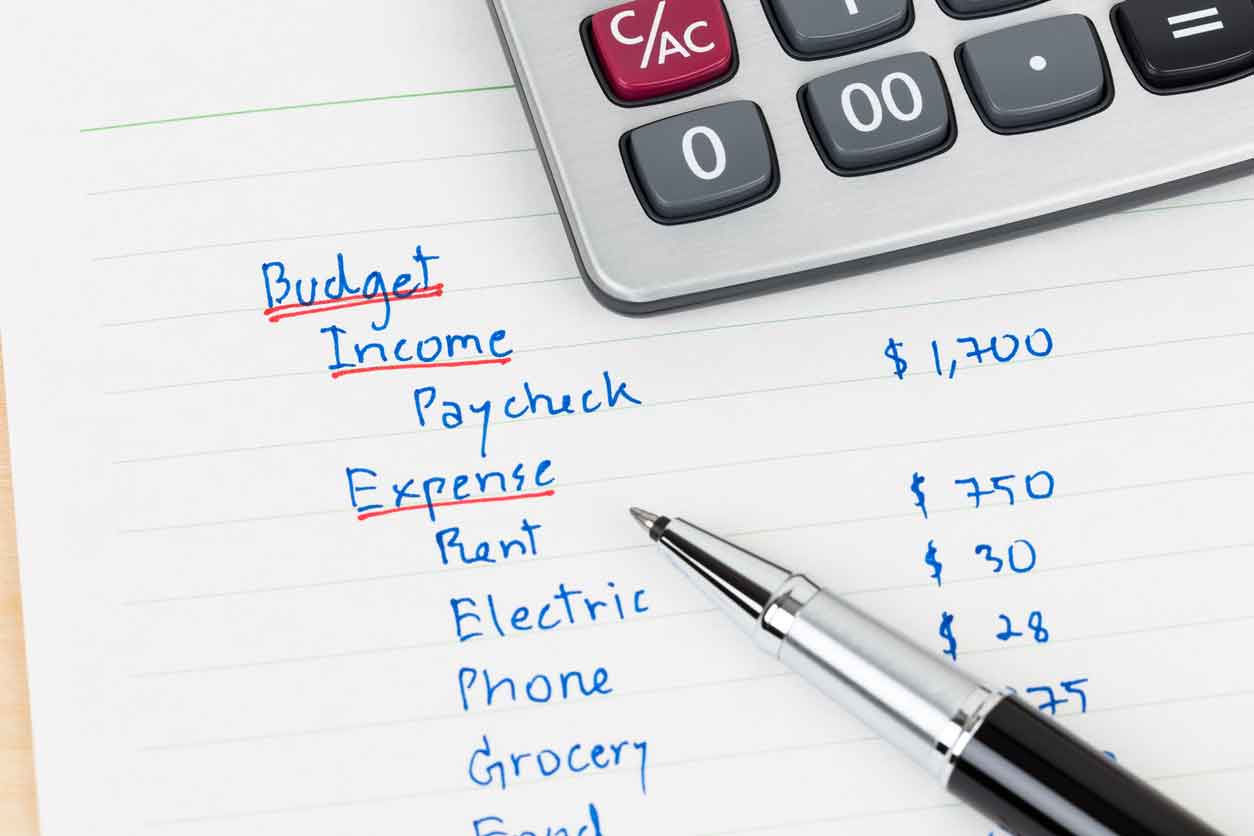
Effective budgeting extends beyond recurring expenses; it encompasses proactive strategies for unexpected events and achieving personal goals. A well-structured budget accounts for these contingencies, enabling financial stability and the pursuit of aspirations. This section delves into tailored budgeting approaches for various needs.Understanding your specific needs is crucial for building a comprehensive budget. This involves identifying potential future expenses and allocating resources to address them, thus ensuring financial preparedness and long-term financial security.
Budgeting for Unexpected Expenses
Unexpected expenses, such as medical emergencies, car repairs, or appliance malfunctions, can disrupt financial stability. A dedicated emergency fund is essential to mitigate the impact of these unforeseen circumstances. This fund should be readily accessible and sufficient to cover at least three to six months of living expenses.
Budgeting for Specific Goals
Achieving specific goals, like travel, education, or homeownership, requires careful planning and allocation of resources. Establishing a dedicated savings account for each goal allows for focused accumulation and tracking of progress. This systematic approach enhances motivation and fosters a sense of accomplishment. Consider using different interest-bearing accounts for different goals to maximize potential returns.
Budgeting Tips for Different Spending Categories
| Spending Category | Tips for Budgeting |
|---|---|
| Groceries | Plan meals in advance, create a grocery list, and stick to it. Take advantage of sales and coupons. Consider buying in bulk for certain items. |
| Utilities | Review your utility bills regularly to identify potential areas for cost reduction. Consider energy-efficient appliances and practices. Negotiate with providers for better rates. |
| Transportation | Calculate the cost of transportation, including fuel, maintenance, and potential repairs. Evaluate alternatives like public transportation or carpooling. Consider fuel-efficient vehicles or alternative modes of transportation. |
| Entertainment | Create a budget for entertainment activities, outlining a specific amount for movies, concerts, or other forms of enjoyment. Look for free or low-cost activities in your community. Prioritize experiences over material goods. |
| Clothing | Set a budget for clothing purchases, and shop strategically. Consider buying used clothing or opting for durable, long-lasting items. Plan your wardrobe purchases around special occasions or events. |
Budgeting Strategies for Large Purchases
Large purchases, such as a car or a house, necessitate careful planning and budgeting. Develop a detailed timeline and financial plan for the purchase, including research on financing options, loan terms, and potential interest rates. Avoid impulsive decisions and prioritize your financial well-being.
Saving on Specific Expenses
Saving money on specific expenses, such as groceries or entertainment, involves adopting effective strategies. For groceries, create a meal plan, utilize coupons and sales, and consider buying in bulk for certain items. For entertainment, explore free or low-cost activities, prioritize experiences over material goods, and avoid impulsive purchases. Tracking spending habits helps identify areas where savings can be implemented.
Adapting and Maintaining a Budget
Budgeting is a dynamic process, not a static one. Life throws curveballs, and a budget that works perfectly today might need adjustments tomorrow. Adaptability and ongoing review are key to long-term financial success. A flexible approach allows you to navigate unexpected expenses and seize opportunities for improvement.
Importance of Flexibility and Adaptability
A well-structured budget should be viewed as a roadmap, not a rigid set of rules. Circumstances like job changes, unexpected medical bills, or family emergencies can significantly impact your financial situation. A flexible budget allows you to make necessary adjustments without feeling overwhelmed or discouraged. This adaptability is crucial for maintaining financial stability and achieving your long-term financial goals.
Adjusting a Budget When Circumstances Change
When life throws you a curveball, your budget should adapt. Analyze the change in your income or expenses. If your income increases, consider allocating a portion of the extra funds to savings or debt repayment. If expenses rise, identify areas where you can cut back. Re-evaluate your budget to reflect the new circumstances.
For example, if you experience a job loss, your budget will require drastic adjustments. This might include reducing non-essential expenses, seeking financial assistance, and exploring alternative income sources. A realistic assessment of your new financial position is paramount.
Reviewing and Revising the Budget Periodically
Regular budget reviews are essential for maintaining its effectiveness. At least monthly, and ideally quarterly or annually, revisit your budget to assess its alignment with your current situation. Has your spending behavior changed? Have your financial goals shifted? Reviewing your spending habits against your budget allows you to identify areas where you can save more or where you are overspending.
Identify areas for improvement and modify your budget accordingly. Consider factors such as seasonal changes in expenses, inflation, and interest rate fluctuations. Budget reviews provide insights into areas for optimization and adjustments.
Strategies for Staying Motivated and Committed to a Budget
Maintaining commitment to a budget can be challenging. Find ways to make budgeting enjoyable. Connect your financial goals with your values. Consider using budgeting apps or tools to track your progress and celebrate milestones. Celebrate small victories, like saving a certain amount each month.
Visualize your long-term financial goals, and the positive impact a budget can have on achieving them. If you find yourself struggling, seek support from a financial advisor or join a support group. Remember, consistency is key. Don’t get discouraged by occasional setbacks. Adjust your approach and stay committed to your financial plan.
Resources for Further Learning and Support
- Financial Literacy Courses: Many online platforms offer comprehensive courses on budgeting and personal finance. These courses often provide practical exercises and interactive tools to enhance understanding.
- Financial Advisors: A financial advisor can offer personalized guidance and support in developing and maintaining a budget tailored to your specific circumstances.
- Support Groups: Connecting with others facing similar financial challenges can provide valuable encouragement and insights.
- Online Communities: Numerous online forums and communities dedicated to personal finance offer a platform to share experiences and seek advice.
- Books and Articles: Numerous books and articles provide valuable insights into various aspects of budgeting and personal finance. Seek reputable sources.
Concluding Remarks

In conclusion, mastering the art of budgeting is a crucial step toward achieving financial stability and security. This comprehensive guide has provided a framework for understanding the principles of effective budgeting, from tracking income and expenses to managing debt and savings. By implementing the strategies Artikeld here, you can create a personalized budget that aligns with your unique financial needs and aspirations.
Remember, consistency and adaptation are key to long-term success in your financial journey.