Navigating the pressures of modern life, whether it’s meeting deadlines, managing expectations, or overcoming personal challenges, is a universal experience. This guide delves into practical strategies for maintaining composure and resilience in high-pressure situations, offering a roadmap to calm amidst chaos.
From understanding the different types of pressure and recognizing your personal stress triggers to developing effective coping mechanisms and building resilience, this comprehensive resource equips you with the tools to thrive under pressure. We’ll explore the science behind relaxation techniques, and practical applications across various environments. Ultimately, we’ll empower you to cultivate a healthy lifestyle and seek support when needed.
Understanding Pressure

Pressure is a ubiquitous aspect of modern life, impacting our emotional and physical well-being. Recognizing the different types of pressure and their potential effects is crucial for developing effective coping mechanisms. Understanding the physiological responses to pressure allows us to identify and manage these responses more effectively. This section delves into the multifaceted nature of pressure, exploring its various forms, associated physiological reactions, and the contrasting impacts of short-term and long-term pressure.Understanding pressure involves recognizing its diverse manifestations and the unique challenges each presents.
The ability to identify the source and nature of pressure is the first step in effectively managing it. This understanding is essential for developing strategies that promote calm and resilience in demanding situations.
Types of Pressure
Pressure can stem from a variety of sources, each with its own characteristics and potential impact. This section details the different types of pressure and their underlying causes.
- Deadlines: Deadlines, whether personal or professional, often generate pressure due to the time constraints they impose. This type of pressure frequently arises from tasks with specific completion dates, such as project submissions or appointments. Meeting these deadlines can lead to feelings of urgency and stress, particularly if the task is complex or if the individual feels inadequately prepared.
- Social Expectations: Social expectations, encompassing norms and values, can create pressure to conform or achieve certain standards. This type of pressure can stem from various sources, such as family, friends, colleagues, or broader societal norms. The desire to meet these expectations can lead to anxiety and feelings of inadequacy if perceived as unattainable.
- Personal Challenges: Personal challenges, including health issues, relationship difficulties, or financial concerns, can generate significant pressure. These challenges often involve navigating complex emotional and practical issues, which can contribute to stress and anxiety.
Examples of Pressurizing Situations
Many situations can trigger feelings of pressure. The following examples illustrate the range of experiences that can induce pressure and stress.
- A student facing a looming exam – The pressure of performing well on an exam can evoke feelings of anxiety and stress. The pressure is compounded by the need to demonstrate knowledge and understanding within a specific time frame. This pressure can stem from the fear of failing, the importance placed on the exam by the student or their family, or the perceived difficulty of the subject matter.
- An employee under a tight deadline – The pressure to meet a deadline in a professional setting can lead to heightened stress levels. The perceived urgency of the task, the potential consequences of failure, and the complexity of the work are contributing factors.
- An individual facing a major life decision – Major life decisions, such as choosing a career path or relocating, can be stressful due to the significant changes and uncertainties involved. The pressure to make the right decision can lead to feelings of anxiety and self-doubt.
Physiological Responses to Pressure
Pressure triggers a cascade of physiological responses in the body. These responses are often involuntary and can range from subtle to dramatic.
- Increased heart rate: The body’s response to perceived pressure often involves an increase in heart rate, reflecting the heightened state of alertness and readiness. This response is a natural part of the fight-or-flight response.
- Muscle tension: Pressure can lead to muscle tension, which can manifest as stiffness or discomfort. This response can stem from the body’s preparation for potential action or from a state of chronic anxiety.
- Elevated cortisol levels: Stress hormones like cortisol are released in response to pressure. Sustained elevated cortisol levels can have negative impacts on both physical and mental health.
Short-Term vs. Long-Term Pressure
The impact of pressure varies significantly depending on its duration.
- Short-term pressure, while potentially stressful, is often manageable. The body’s physiological responses can adapt to the situation. The key is to recognize and manage the short-term pressure effectively.
- Long-term pressure, however, can lead to a range of negative health consequences, including chronic stress, anxiety disorders, and physical ailments. Prolonged exposure to pressure can have a cumulative effect on the body and mind, demanding ongoing attention and management strategies.
Impact of Different Pressure Types
| Type of Pressure | Potential Effects |
|---|---|
| Deadlines | Increased stress, anxiety, potential for errors |
| Social Expectations | Social anxiety, low self-esteem, feelings of inadequacy |
| Personal Challenges | Depression, anxiety, sleep disturbances, health problems |
Recognizing Your Stress Triggers
Understanding your personal stress triggers is a crucial step in managing pressure effectively. By identifying these triggers, you can anticipate potential emotional responses and develop proactive coping strategies. This knowledge empowers you to navigate stressful situations with greater composure and resilience.Identifying your stress triggers allows you to anticipate potential emotional responses and develop proactive coping strategies. This proactive approach can help you to navigate stressful situations with greater composure and resilience.
Identifying Personal Stress Triggers
Stress triggers are specific factors that consistently evoke feelings of stress or anxiety. These triggers can be diverse, ranging from specific tasks and people to environmental factors. Recognizing these triggers is the first step in developing strategies to manage your reactions.
- Specific tasks: Some individuals find certain tasks inherently stressful, such as public speaking, meeting deadlines, or handling conflict. These tasks can trigger anxiety, worry, or feelings of inadequacy.
- People: Interactions with certain individuals can be a source of significant stress. This can include challenging personalities, demanding bosses, or family members with conflicting expectations. The nature of the relationship and communication styles often play a key role in determining the level of stress experienced.
- Environments: Specific environments can trigger stress responses. For example, a chaotic work environment, a noisy public place, or a stressful home environment can create a sense of unease and anxiety. The degree of stress depends on individual tolerance levels and coping mechanisms.
Relationship Between Stress Triggers and Emotional Responses
There’s a direct correlation between encountering a stress trigger and the resulting emotional response. When an individual encounters a trigger, the body’s physiological response, often associated with the fight-or-flight mechanism, can lead to various emotional reactions. These reactions can manifest as anxiety, anger, frustration, or even sadness.
Common Stress Triggers and Coping Mechanisms
The following table provides examples of common stress triggers and corresponding coping mechanisms.
| Stress Trigger | Emotional Response | Coping Mechanism |
|---|---|---|
| Public speaking | Anxiety, fear of judgment | Practice, deep breathing exercises, visualization |
| Deadlines | Pressure, overwhelm | Prioritization, time management techniques, breaking tasks into smaller steps |
| Conflict with others | Anger, frustration, hurt feelings | Active listening, seeking clarification, assertive communication |
| Financial worries | Anxiety, fear, insecurity | Budgeting, seeking financial advice, developing a savings plan |
| Traffic congestion | Frustration, impatience | Alternative routes, meditation, listening to music |
Different Reactions to Similar Stressors
Individuals react differently to similar stressors. The intensity and nature of the emotional response are shaped by personal experiences, personality traits, and existing coping mechanisms. For instance, while one person might freeze under pressure, another might become aggressive. Understanding individual differences in responses is crucial in tailoring coping strategies. This awareness helps individuals to develop personalized approaches for managing their unique stress triggers.
Developing Coping Mechanisms

Effective coping mechanisms are crucial for managing pressure and stress. By learning and practicing various techniques, individuals can equip themselves with tools to navigate challenging situations with greater composure and resilience. Understanding how these techniques work, and applying them thoughtfully, can lead to a more balanced and less stressful life.
Mindfulness and Meditation
Mindfulness practices, encompassing a wide range of techniques, encourage focused attention on the present moment. This involves observing thoughts and feelings without judgment, fostering a sense of detachment and allowing for a clearer perspective on the situation at hand. Meditation, a core component of mindfulness, cultivates a deeper understanding of inner states, thereby enhancing emotional regulation. Regular practice can lead to improved focus, reduced anxiety, and enhanced self-awareness.
Deep Breathing Exercises
Deep breathing techniques are powerful tools for calming the nervous system. By consciously controlling the breath, individuals can regulate their heart rate and blood pressure, promoting a sense of relaxation. These techniques are particularly effective in reducing feelings of panic and anxiety.
Time Management Strategies
Effective time management plays a significant role in stress reduction. By prioritizing tasks, creating realistic schedules, and learning to delegate responsibilities, individuals can significantly reduce the feeling of being overwhelmed. This allows for a more structured approach to tackling daily challenges and commitments. A well-structured schedule reduces the stress of feeling disorganized and allows for a greater sense of control.
Progressive Muscle Relaxation
Progressive muscle relaxation involves systematically tensing and releasing different muscle groups in the body. This technique promotes physical relaxation, leading to a reduction in muscle tension and associated stress. By focusing on the sensations of tension and release, individuals can learn to recognize and manage physical tension, which often mirrors mental and emotional tension.
Practical Exercise for Relaxation Techniques (Example: Deep Breathing)
1. Find a quiet space
Choose a comfortable and distraction-free environment.
2. Assume a comfortable posture
Sit or lie down in a position that allows for easy breathing.
3. Inhale deeply
Breathe in slowly and deeply through your nose, filling your lungs completely.
4. Hold the breath
Hold your breath for a few seconds.
5. Exhale slowly
Exhale slowly through your mouth, releasing the air gradually.
6. Repeat
Repeat steps 3-5 for several minutes.
7. Focus on the breath
During the exercise, concentrate solely on the sensation of the breath entering and leaving your body.
Scientific Basis of Relaxation Techniques
Relaxation techniques, such as deep breathing, trigger the parasympathetic nervous system, which counteracts the “fight-or-flight” response associated with stress. This activation of the parasympathetic nervous system leads to a reduction in heart rate, blood pressure, and muscle tension. Studies have demonstrated a correlation between regular practice of relaxation techniques and improved mental and physical well-being.
“The parasympathetic nervous system is responsible for the body’s ‘rest and digest’ response, counteracting the stress response of the sympathetic nervous system.”
Comparison of Coping Mechanisms
The effectiveness of different coping mechanisms varies depending on the nature of the stressful situation. Mindfulness and meditation might be particularly useful for managing chronic stress or anxiety, while time management strategies are better suited for tackling overwhelming workloads. Progressive muscle relaxation is particularly beneficial for reducing physical tension associated with stress. A combination of approaches is often most effective.
Step-by-Step Guide to Implementing a Coping Mechanism (Example: Time Management)
1. Identify your stressors
Determine the specific tasks or situations that contribute to your feeling overwhelmed.
2. Prioritize tasks
List all tasks and assign priorities based on urgency and importance.
3. Break down large tasks
Divide large, complex tasks into smaller, more manageable steps.
4. Set realistic deadlines
Establish deadlines that allow for completion without undue pressure.
5. Schedule your time
Create a schedule incorporating allocated time slots for different tasks.
6. Regularly review and adjust
Evaluate your schedule and make necessary adjustments based on progress and changing priorities.
7. Seek support if needed
Don’t hesitate to ask for help or guidance from colleagues, family, or mentors.
Building Resilience
Resilience is the capacity to recover quickly from difficulties. It’s a crucial component of stress management, enabling individuals to bounce back from setbacks and maintain composure under pressure. Developing resilience isn’t about eliminating stress, but rather about equipping oneself with the tools to navigate challenging situations effectively and emerge stronger. This involves fostering mental fortitude, emotional regulation, and a proactive approach to self-care.
Understanding the Concept of Resilience
Resilience is not a fixed trait; it’s a skill that can be cultivated and strengthened over time. Individuals who demonstrate resilience possess a strong sense of self-efficacy, believing in their ability to overcome obstacles. They typically adopt a growth mindset, viewing challenges as opportunities for learning and growth, rather than insurmountable hurdles. This proactive approach allows them to adapt to changing circumstances and persevere through adversity.
Strategies for Building Mental Toughness and Coping Skills
Developing mental toughness involves building coping mechanisms to navigate stressful situations effectively. This can include mindfulness practices, such as meditation and deep breathing exercises, which help to regulate emotions and promote a sense of calm. Problem-solving skills are also essential; individuals should approach challenges with a structured and analytical mindset. Seeking support from trusted friends, family, or mentors can provide valuable perspective and emotional support.
Identifying and Challenging Negative Thought Patterns
Negative thought patterns can significantly impact an individual’s ability to cope with pressure. Identifying these patterns is a critical first step in developing resilience. Cognitive restructuring techniques can help individuals challenge and reframe negative thoughts. This involves identifying distorted or unhelpful thought processes and replacing them with more realistic and positive perspectives. For example, if an individual anticipates failure, cognitive restructuring can involve identifying the evidence supporting this belief and challenging the validity of that fear.
The Importance of Self-Care in Maintaining Resilience
Self-care is not a luxury but a necessity for maintaining resilience. It encompasses a range of activities that promote physical, emotional, and mental well-being. Adequate sleep, a balanced diet, regular exercise, and engaging in hobbies or activities that bring joy are essential for fostering a sense of calm and emotional regulation. Self-care allows individuals to replenish their energy reserves, enabling them to handle pressure more effectively.
Table: Resilience and Stress Management Techniques
| Resilience Factor | Stress Management Technique | Example |
|---|---|---|
| Strong Self-Efficacy | Setting Realistic Goals | Breaking down a large project into smaller, achievable tasks. |
| Growth Mindset | Seeking Feedback | Actively asking for constructive criticism to identify areas for improvement. |
| Emotional Regulation | Mindfulness Meditation | Practicing focused attention on the present moment to reduce anxiety. |
| Problem-Solving Skills | Developing a Plan | Analyzing a problem systematically and creating a step-by-step solution. |
| Self-Care | Prioritizing Sleep | Ensuring sufficient hours of sleep to maintain physical and mental well-being. |
Practical Applications
Mastering calmness under pressure involves translating theoretical understanding into actionable strategies. This section delves into practical applications, demonstrating how to apply coping mechanisms in various scenarios, from everyday life to high-pressure work environments. It also presents real-life examples and adaptable strategies for different types of pressure.Successfully navigating stressful situations requires a flexible approach, tailoring techniques to specific challenges.
This section highlights how to adjust your strategies based on the nature of the pressure you face.
Applying Strategies in Everyday Situations
Everyday stressors, such as traffic jams, deadlines, or interpersonal conflicts, can significantly impact our well-being. By recognizing these triggers and employing coping mechanisms, we can effectively manage these pressures. For example, deep breathing exercises can be employed during a frustrating traffic jam, helping to calm the mind and body. Similarly, prioritizing tasks and breaking down complex deadlines into smaller, more manageable steps can ease the stress associated with time constraints.
Active listening and clear communication can resolve interpersonal conflicts more constructively.
Strategies for High-Pressure Work Environments
High-pressure work environments, characterized by tight deadlines, demanding superiors, and complex projects, often trigger significant stress. Implementing stress-reduction techniques is crucial in such settings. Prioritizing tasks, utilizing time management strategies, and delegating responsibilities when possible can significantly reduce workload and associated stress. Moreover, maintaining a healthy work-life balance, including regular breaks and dedicated relaxation time, is essential to prevent burnout.
Examples of Successful Pressure Management
Numerous individuals have effectively managed pressure in their lives. A software engineer, facing a critical project deadline, utilized time management techniques and sought support from colleagues, successfully delivering the project on time and within budget. An executive, navigating a challenging negotiation, employed active listening and assertive communication to achieve a mutually beneficial outcome. These examples highlight the effectiveness of proactive strategies in managing pressure.
Adjusting Strategies for Different Types of Pressure
The nature of pressure varies significantly. Emotional pressure, financial strain, or interpersonal conflicts necessitate different coping strategies. Understanding the source of pressure is crucial for choosing the most appropriate response. For emotional pressure, techniques like mindfulness and emotional regulation can be beneficial. For financial stress, creating a budget and seeking financial advice can provide a pathway to resolution.
Interpersonal conflicts often benefit from active listening, clear communication, and seeking mediation.
Practical Tips for Staying Calm Under Pressure
| Scenario | Practical Tip |
|---|---|
| Traffic Jam | Deep breathing exercises, listening to calming music, or planning an alternative route. |
| Meeting Deadline | Prioritize tasks, break down large tasks into smaller ones, and utilize time management techniques. |
| Interpersonal Conflict | Active listening, assertive communication, and seeking mediation if necessary. |
| High-Pressure Project | Time management, delegation, and seeking support from colleagues. |
| Financial Strain | Creating a budget, seeking financial advice, and prioritizing needs. |
| Emotional Pressure | Mindfulness, journaling, or seeking support from a therapist. |
Maintaining a Healthy Lifestyle
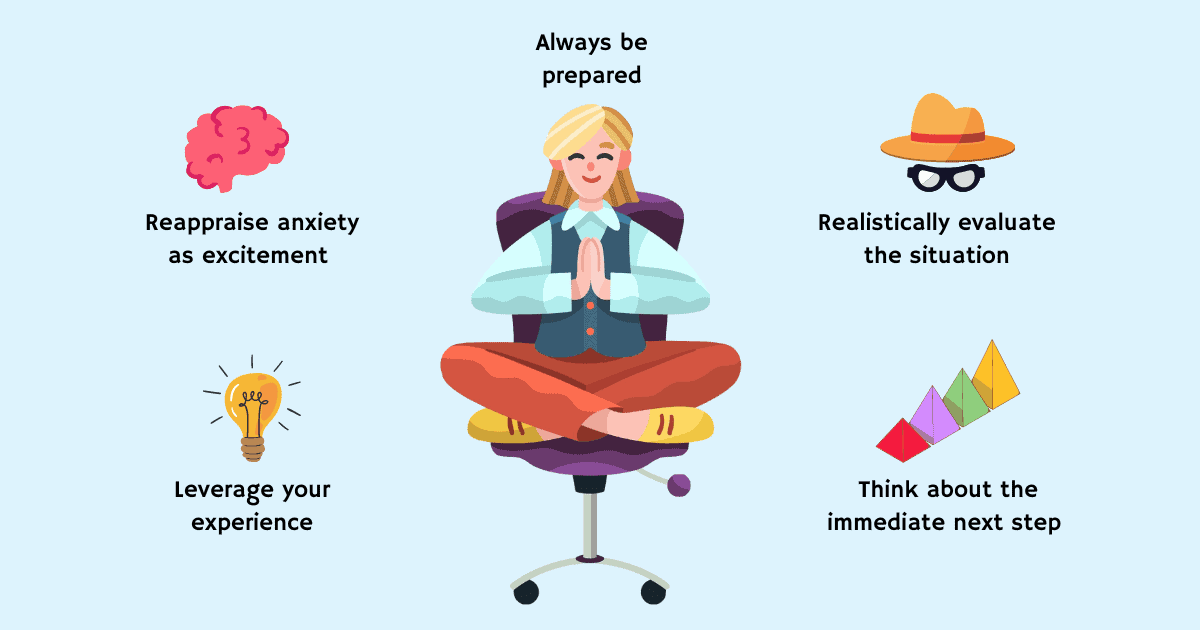
A healthy lifestyle is not merely about physical well-being; it plays a crucial role in emotional resilience and stress management. Cultivating habits that support physical health can significantly impact one’s ability to cope with pressure and stress. By prioritizing sleep, nutrition, and exercise, individuals can bolster their emotional well-being and build a stronger foundation for handling challenging situations.Maintaining a healthy lifestyle isn’t a one-size-fits-all approach; rather, it’s a personalized journey of conscious choices that contribute to overall well-being.
A holistic approach that considers physical, mental, and emotional factors is essential for navigating stressful situations effectively. It is important to note that stress management is not just about coping mechanisms; it also involves proactive measures to support overall health and well-being.
The Interplay of Physical and Emotional Well-being
Physical health and emotional well-being are intricately linked. A healthy body is better equipped to manage stress hormones and maintain emotional balance. Conversely, chronic stress can negatively impact physical health, leading to various ailments. This interconnectedness underscores the importance of prioritizing physical health for effective stress management.
The Importance of Sleep, Nutrition, and Exercise
Adequate sleep, balanced nutrition, and regular exercise are cornerstones of a healthy lifestyle and vital for managing stress. These elements provide the body with the resources it needs to function optimally, reducing the impact of stress hormones. The relationship between these factors and stress reduction is well-documented, demonstrating their importance in the overall strategy for managing pressure.
Practical Tips for Incorporating Healthy Habits
Consistent incorporation of healthy habits into daily routines is crucial for long-term well-being. Small, manageable changes over time can yield significant results. Schedule time for sleep, plan nutritious meals, and incorporate physical activity into your daily routine. For example, a 20-minute walk during lunch breaks can significantly improve overall well-being and reduce stress levels.
Importance of Social Support in Stress Management
Strong social support networks play a significant role in stress management. Having supportive relationships provides a sense of belonging, emotional validation, and practical assistance during stressful times. These connections can act as a buffer against the negative effects of stress. Sharing experiences and seeking advice from trusted friends and family can be invaluable in navigating challenging situations.
Healthy Lifestyle Choices for Emotional Well-being
- Prioritizing Sleep: Aim for 7-9 hours of quality sleep each night. Establish a consistent sleep schedule and create a relaxing bedtime routine to improve sleep quality.
- Nourishing Diet: Focus on a balanced diet rich in fruits, vegetables, whole grains, and lean protein. Limit processed foods, sugary drinks, and excessive caffeine or alcohol.
- Regular Exercise: Incorporate regular physical activity into your daily routine, whether it’s a brisk walk, a workout session, or a yoga class. Find activities you enjoy to maintain consistency.
- Mindfulness and Relaxation Techniques: Practice mindfulness techniques such as meditation or deep breathing exercises to manage stress and promote relaxation.
- Social Connections: Nurture strong relationships with family and friends. Engage in activities you enjoy with loved ones to foster social connections and support.
- Stress Management Techniques: Learn and practice stress-reduction techniques such as journaling, progressive muscle relaxation, or time management strategies.
- Seeking Professional Help: Don’t hesitate to seek professional help if stress becomes overwhelming or impacts daily life. Therapists and counselors can provide guidance and support.
Seeking Support When Needed
Recognizing when you need support is a crucial step in managing pressure and stress effectively. It demonstrates strength and self-awareness, rather than weakness. This section explores the importance of reaching out to others and the various resources available for support.Seeking help is a sign of strength, not weakness. It allows you to access a wider range of perspectives and strategies for coping with challenging situations.
By acknowledging your needs and reaching out for support, you are actively taking steps towards a healthier and more resilient you.
Importance of Seeking Help
Seeking help from others is essential for maintaining well-being, especially during periods of high stress or pressure. Social support can provide a sense of validation, understanding, and perspective that can be invaluable. Confiding in trusted individuals or professionals can lighten the emotional load and help you develop healthier coping mechanisms. Furthermore, external support can prevent the feeling of isolation, a common factor contributing to increased stress levels.
Types of Support Resources
Numerous resources are available to provide support during challenging times. These resources offer diverse approaches to help individuals navigate stress and pressure effectively.
- Therapists/Counselors: Licensed therapists and counselors are trained professionals equipped to address a wide range of emotional and mental health concerns. They can offer personalized strategies for managing stress, anxiety, and other mental health conditions. Therapists can also provide guidance on identifying and modifying maladaptive coping mechanisms.
- Support Groups: Support groups offer a safe and confidential space for individuals facing similar challenges to connect, share experiences, and learn from each other. These groups can provide valuable emotional support and a sense of belonging, reducing feelings of isolation.
- Friends and Family: Open communication with loved ones is crucial. Sharing your struggles with trusted individuals can provide emotional support, practical assistance, and a sense of connection. Strong support networks are essential for navigating difficult times.
Identifying When Professional Help is Necessary
Recognizing when professional help is necessary is a key aspect of self-care. Persistent feelings of stress, anxiety, or depression, impacting daily life, warrant professional attention. Significant changes in mood, behavior, or sleep patterns may also indicate a need for professional guidance. If you find yourself struggling to cope with everyday challenges, or if your stress is significantly affecting your relationships or work, seeking professional help is a positive step.
If you’re unsure whether or not professional help is needed, it is always best to consult with a trusted healthcare provider or mental health professional.
Benefits of Open Communication with Loved Ones
Open communication with loved ones can foster stronger relationships and provide valuable support during challenging times. Sharing your struggles with trusted individuals can create a supportive environment where you feel understood and validated. This open communication can lead to increased empathy and understanding from loved ones, strengthening the bonds within your support network. Furthermore, it allows for the sharing of burdens and responsibilities, lightening the emotional load and facilitating problem-solving.
Resources for Mental Health Support
The following resources provide valuable information and support for mental health concerns:
| Resource | Description |
|---|---|
| National Alliance on Mental Illness (NAMI) | Provides support, education, and advocacy for individuals with mental health conditions and their families. |
| The Crisis Text Line | Offers 24/7 crisis support via text message. |
| The Trevor Project | Provides crisis intervention and suicide prevention services specifically for LGBTQ youth. |
| SAMHSA’s National Helpline | Provides free, confidential support and referrals for substance abuse and mental health services. |
Visualizing Calm
Harnessing the power of visualization can significantly aid in stress reduction and promoting a sense of inner peace. By actively creating mental images of calm and serene environments, individuals can effectively manage stress responses and cultivate a more resilient mindset. This technique taps into the subconscious mind’s ability to influence physiological responses, allowing individuals to mentally prepare for and navigate challenging situations.Visualization involves creating vivid mental images that evoke feelings of tranquility.
These mental pictures can be tailored to individual needs and preferences, offering a personalized approach to stress management. It’s a powerful tool that can be integrated into daily routines to proactively manage stress rather than reacting to it.
Techniques for Creating Mental Images of Calmness
Visualization techniques can be tailored to individual preferences and experiences. A key aspect of successful visualization is the ability to create vivid, detailed mental images. This involves engaging multiple senses, such as sight, sound, smell, and touch, to create a comprehensive and immersive experience. This strengthens the emotional connection to the visualized scene, further enhancing its impact on the mind.
- Guided Imagery: This technique involves following instructions to create a specific mental image. A guide may lead the individual through a serene environment, such as a peaceful beach or a tranquil forest, emphasizing details of the scene to deepen the experience. This approach can be particularly helpful for beginners, as it provides structure and guidance.
- Sensory Visualization: This approach focuses on engaging multiple senses. Individuals can vividly imagine the sights, sounds, smells, and textures of a calm environment. For example, envisioning the gentle lapping of waves on a sandy beach, the aroma of pine trees in a forest, or the soft feel of a warm blanket. Engaging multiple senses enhances the realism and emotional impact of the visualization.
- Progressive Relaxation: This technique involves systematically tensing and relaxing different muscle groups in the body. As each muscle group relaxes, the individual can visualize a sense of calm and release spreading throughout the body. This process can be combined with visualization of a peaceful scene, creating a synergistic effect on stress reduction.
Examples of Positive Visualizations for Calming the Mind
Visualizing positive and calming images can significantly impact stress levels. The following examples offer a starting point for developing personalized visualizations.
- Peaceful Landscape: Imagine a serene beach, with the soft rhythm of waves, the warmth of the sun on your skin, and the gentle breeze. This image can be tailored to incorporate other sensory details, like the smell of salt air, the feel of sand between your toes, or the sound of seagulls.
- Tranquil Nature Scene: Picture yourself in a lush forest, surrounded by towering trees, the sounds of birdsong, and the scent of fresh earth. Focus on the vibrant colors of the leaves, the textures of the bark, and the feeling of fresh air filling your lungs.
- Comfortable Safe Space: Visualize a cozy room, perhaps your favorite chair or a warm bed. Imagine soft lighting, comfortable textures, and a sense of security and peace. This image can be a refuge to return to during moments of stress.
Role of Imagery in Promoting Relaxation
The role of imagery in promoting relaxation is multifaceted. Imagery can act as a powerful anchor, bringing the individual back to a state of calm during stressful situations. When confronted with pressure, recalling a previously visualized calming image can quickly redirect the mind and body toward a more relaxed state. This mental imagery effectively acts as a self-soothing mechanism.
Visualization Techniques and Their Benefits
| Visualization Technique | Description | Benefits |
|---|---|---|
| Guided Imagery | Following instructions to create a specific mental image. | Structured approach, helpful for beginners. |
| Sensory Visualization | Engaging multiple senses to create a comprehensive mental image. | Enhanced realism and emotional impact. |
| Progressive Relaxation | Systematically tensing and relaxing muscle groups, coupled with visualization. | Synergistic effect on stress reduction. |
Wrap-Up
In conclusion, mastering the art of staying calm under pressure is a journey of self-discovery and skill-building. By understanding your stressors, developing coping mechanisms, building resilience, and maintaining a healthy lifestyle, you can navigate challenging situations with greater composure and confidence. Remember to seek support when needed, and leverage the power of visualization to cultivate a state of inner calm.
This guide provides a framework for effective stress management, empowering you to approach pressure with clarity and grace.