Negative thoughts can significantly impact our well-being and daily lives. This comprehensive guide provides a structured approach to understanding and effectively managing these thoughts. From identifying patterns to developing healthy coping mechanisms, we’ll explore practical strategies to cultivate a more positive mindset.
The guide delves into the roots of negative thinking, exploring psychological factors, emotional states, and environmental influences. It also offers a variety of techniques, including cognitive restructuring, mindfulness exercises, and building resilience, to equip you with the tools to navigate challenging situations and foster emotional well-being.
Identifying Negative Thoughts
Understanding and recognizing negative thought patterns is a crucial first step in managing them effectively. These patterns, often ingrained and automatic, can significantly impact our mood, behavior, and overall well-being. By becoming aware of these patterns, we can begin to challenge and reframe them, leading to more positive and constructive thinking.
Common Negative Thought Patterns
Negative thought patterns are recurring patterns of thinking that tend to be overly critical, pessimistic, and self-defeating. Identifying these patterns is the first step in challenging and changing them. They frequently stem from underlying beliefs and assumptions about ourselves, others, and the world.
- Catastrophizing: This involves anticipating the worst possible outcome in a given situation, often exaggerating the potential negative consequences.
- Overgeneralization: Drawing broad conclusions from a single event or limited evidence, leading to sweeping statements about oneself or others. For instance, if you fail a test, you might think, “I’m a complete failure,” rather than focusing on the specific factors contributing to the result.
- Mind Reading: Assuming you know what others are thinking or feeling without evidence. This often involves negative interpretations of their intentions.
- Emotional Reasoning: Believing that because you feel a certain way, it must be true. For example, if you feel anxious, you might conclude that something terrible is about to happen.
- Should Statements: Placing excessive pressure on yourself or others by using “should” or “must” statements, leading to feelings of guilt or inadequacy if these standards aren’t met.
- Labeling: Assigning a negative label to oneself or others based on a single behavior or incident. For example, if you make a mistake, you might label yourself as “incompetent.”
- Personalization: Taking responsibility for events or outcomes that are not entirely your fault. This can involve blaming yourself for things beyond your control.
Recognizing Negative Thoughts in Your Thinking
Becoming aware of these patterns requires conscious effort and self-reflection. A crucial step is to pay attention to your inner dialogue. What are you telling yourself? Are your thoughts predominantly positive or negative? Are there recurring themes?
- Pay Attention to Your Inner Voice: When you’re faced with a challenge or stressful situation, notice the thoughts that come to mind. Are they focused on potential problems or solutions? Are they helpful or unhelpful?
- Identify Triggers: Certain situations or events can trigger negative thought patterns. By recognizing these triggers, you can anticipate and prepare for them. For example, a particular person or a specific type of task might bring up negative thoughts.
- Journaling: Keeping a journal can be a powerful tool for identifying negative thought patterns. Record your thoughts and feelings throughout the day, noting when and how often specific negative thoughts appear. This provides valuable insights into your patterns.
Different Ways to Identify Negative Thoughts in Various Situations
Negative thought patterns can manifest in different ways, depending on the context. Recognizing these variations is crucial for effective identification and management.
- Stressful Events: During stressful events, pay attention to your inner dialogue. Are you focusing on the potential negative consequences or looking for solutions? A critical step is to distinguish between realistic assessments and exaggerated anxieties.
- Social Interactions: In social situations, observe your thoughts about yourself and others. Are you focusing on potential criticisms or judgments? Are your assumptions about others based on evidence or your own fears?
- Everyday Tasks: Even in everyday tasks, negative thoughts can creep in. Are you focusing on the difficulty of the task or the potential for mistakes? A key aspect is to differentiate between productive concerns and self-criticism.
Self-Assessment Tool for Recognizing Negative Thought Patterns
This tool provides a structured approach to identifying negative thought patterns. Use this tool regularly to monitor your thinking and identify areas for improvement.
| Thought Pattern | Example | Frequency | Impact |
|---|---|---|---|
| Catastrophizing | “If I don’t get this promotion, my career is over.” | (e.g., daily, weekly) | (e.g., anxiety, stress) |
| Overgeneralization | “I failed this test, I’m going to fail all my tests.” | (e.g., frequently) | (e.g., self-doubt, decreased motivation) |
| Mind Reading | “She’s thinking I’m stupid.” | (e.g., occasionally) | (e.g., social anxiety, conflict) |
Understanding the Root Causes
Negative thoughts are often not simply random occurrences; they stem from various interwoven factors. Understanding these underlying causes can be crucial in developing effective strategies for managing them. By exploring the psychological, emotional, and environmental influences, individuals can gain valuable insight into the origins of their negative thought patterns. This understanding can empower them to address the root issues, fostering a more positive and resilient mindset.Negative thinking is frequently intertwined with underlying emotional states.
Anxiety, for example, can lead to catastrophizing and pessimistic thoughts, while depression often results in feelings of worthlessness and hopelessness. Identifying these emotional triggers and understanding how they fuel negative thought patterns is vital in the process of managing negative thoughts. The connection between emotions and thoughts is a crucial aspect to consider.
Psychological Factors
Numerous psychological factors can contribute to negative thinking. Cognitive biases, such as the tendency to focus on negative information and interpret ambiguous situations negatively, play a significant role. Furthermore, personality traits, like neuroticism, can predispose individuals to experience and dwell on negative emotions. Learning coping mechanisms to address these psychological predispositions is important for fostering a more positive mindset.
Emotional States
Negative thoughts are often closely tied to specific emotional states. For instance, feelings of sadness or loneliness can be associated with negative self-evaluation and pessimistic outlook. Identifying the emotional triggers and understanding how they influence thought patterns is essential in managing negative thoughts. These emotions can act as catalysts for negative thought cycles, thus emphasizing the importance of addressing them directly.
Environmental Factors
Environmental factors can also trigger negative thoughts. Stressful life events, such as job loss, relationship problems, or financial difficulties, can lead to heightened negativity. Furthermore, social pressures and negative interactions with others can contribute to the development and maintenance of negative thought patterns. Recognizing these external triggers and developing coping mechanisms to navigate stressful situations can be a powerful tool in managing negative thoughts.
Past Experiences
Past experiences, both positive and negative, profoundly shape our current thought patterns. Traumatic events, for instance, can lead to a persistent sense of fear, anxiety, and distrust. Similarly, repeated negative experiences can create a negative outlook and influence how individuals perceive future situations. Understanding the role of past experiences in shaping current thought patterns is critical in developing strategies for managing negative thoughts.
Identifying these past experiences and processing them in a healthy manner can significantly reduce their influence on current thought patterns.
Techniques for Managing Negative Thoughts
Effective management of negative thoughts is crucial for mental well-being. Identifying and understanding these thoughts is the first step, but actively employing strategies to manage them is essential for sustained positive mental health. This section delves into various techniques, including cognitive restructuring, CBT methods, challenging negative thoughts, and mindfulness exercises.Cognitive restructuring techniques offer a powerful method to challenge and modify negative thought patterns.
These techniques are based on the premise that our thoughts influence our feelings and behaviors. By identifying and changing unhelpful thought patterns, we can experience a more positive emotional response.
Cognitive Restructuring Techniques
Cognitive restructuring involves identifying, evaluating, and modifying negative thought patterns. This process aims to replace unhelpful thoughts with more balanced and realistic ones. A key component of this approach is recognizing automatic negative thoughts (ANTs). These are thoughts that pop into our minds seemingly without conscious effort and often lead to negative emotions and behaviors. By becoming aware of ANTs, we can begin to challenge their validity and replace them with more constructive alternatives.
Common techniques include:
- Identifying Negative Thought Patterns: Recognizing the recurring negative thoughts that contribute to distress. This involves journaling, self-reflection, and mindful observation of one’s inner dialogue. Example: “I always fail at presentations” is a negative thought pattern that can be identified and challenged.
- Evaluating the Evidence: Critically examining the evidence supporting or contradicting the negative thought. Are there alternative perspectives? This involves asking questions such as: “What evidence supports this thought?” and “What evidence contradicts this thought?” Example: If you believe “I’m a terrible friend,” consider instances where you have been supportive and helpful to others.
- Developing Alternative Thoughts: Generating more realistic and balanced perspectives to replace the negative thoughts. This involves considering alternative explanations for situations and fostering a more optimistic outlook. Example: Instead of “I’m a terrible friend,” a more balanced thought could be “I sometimes struggle to express my support, but I’m a good friend overall.”
- Testing the Thought: Putting the alternative thought into practice and observing the results. This provides valuable feedback and strengthens the validity of the new thought. Example: If you replace “I’ll fail this exam” with “I’m studying hard and prepared, so I’ll do well,” you can track your performance and adjust the thought accordingly.
Comparison of Different CBT Methods
Cognitive Behavioral Therapy (CBT) encompasses various techniques. Different methods focus on different aspects of thought and behavior. Some popular methods include:
- Cognitive Therapy: This approach focuses primarily on identifying and restructuring negative thought patterns. It emphasizes the connection between thoughts, feelings, and behaviors.
- Behavioral Therapy: This method concentrates on changing maladaptive behaviors and responses through techniques like exposure therapy and relaxation training. It addresses the observable aspects of negative reactions.
- Acceptance and Commitment Therapy (ACT): This approach emphasizes acceptance of thoughts and feelings, rather than trying to change them directly. It focuses on identifying values and committing to actions that align with those values, even in the presence of difficult emotions.
Techniques for Challenging Negative Thoughts
Challenging negative thoughts involves questioning their validity and replacing them with more realistic and positive ones. This involves scrutinizing the evidence behind the negative thoughts and exploring alternative interpretations.
- Identify the Thought: Explicitly recognizing the negative thought. Example: “I’m not good enough.”
- Examine the Evidence: Scrutinizing the facts supporting and contradicting the thought. Example: “Have I always been incapable?” or “What specific instances show I’ve been successful?”
- Explore Alternative Explanations: Consider different perspectives and possible causes for the situation. Example: “Perhaps I need to adjust my approach” or “Maybe the circumstances were beyond my control.”
Mindfulness Exercises for Managing Negative Thoughts
Mindfulness exercises promote a non-judgmental awareness of thoughts and feelings. They encourage accepting these experiences without trying to change them, allowing for a calmer emotional response.
- Mindful Breathing: Focusing on the sensation of each breath entering and leaving the body. This helps anchor you in the present moment, reducing the grip of negative thoughts. Example: Deeply inhaling and exhaling, noticing the rise and fall of your chest.
- Body Scan Meditation: Bringing awareness to different parts of the body, noting any sensations without judgment. This can help ground you and reduce physical tension associated with negative thoughts. Example: Notice the warmth of your hands or the pressure of your feet on the floor.
Table Contrasting Mindfulness Techniques
| Technique | Focus | Description |
|---|---|---|
| Mindful Breathing | Present Moment | Focusing on the sensation of each breath. |
| Body Scan Meditation | Body Awareness | Noticing sensations in different parts of the body. |
| Mindful Walking | Sensory Awareness | Paying attention to the sensations of walking. |
Developing Healthy Coping Mechanisms
Cultivating healthy coping mechanisms is crucial for effectively managing negative thoughts and promoting overall well-being. These strategies equip individuals with tools to navigate stressful situations and foster resilience, enabling them to respond constructively rather than reactively. By understanding and implementing various coping mechanisms, individuals can build emotional strength and develop a more positive outlook.
Importance of Emotional Regulation Strategies
Emotional regulation strategies are essential for managing negative thoughts. These strategies equip individuals with the ability to identify, understand, and manage their emotions effectively. By learning to regulate emotions, individuals can respond more calmly and constructively to stressful situations, preventing negative thoughts from escalating into overwhelming anxieties or depressive episodes. This, in turn, enhances their ability to make rational decisions and navigate daily challenges with greater ease.
Alternative Ways of Responding to Stressful Situations
Instead of succumbing to negative thought patterns, individuals can adopt alternative ways of responding to stressful situations. These approaches focus on proactive problem-solving, seeking support from others, and practicing self-compassion. By reframing stressful situations and adopting a more balanced perspective, individuals can reduce the intensity of negative thoughts and develop a more positive outlook.
Healthy Coping Mechanisms for Managing Stress
Effective coping mechanisms are vital for managing stress and mitigating the impact of negative thoughts. These mechanisms provide individuals with practical strategies for dealing with challenging situations. Implementing these techniques can help individuals feel more in control of their emotional responses and build resilience.
- Mindfulness and Meditation: Mindfulness practices involve focusing on the present moment without judgment. Meditation techniques, such as deep breathing exercises and guided imagery, can help calm the mind and reduce stress responses. Regular practice can cultivate emotional awareness and promote a sense of calm amidst stressful situations.
- Physical Activity: Engaging in regular physical activity is a powerful coping mechanism. Exercise releases endorphins, which have mood-boosting effects and can help reduce feelings of anxiety and depression. Physical activity also provides an outlet for stress and can improve overall well-being.
- Social Support: Connecting with supportive friends, family, or community groups can significantly impact stress management. Sharing experiences, seeking advice, and receiving emotional support from others can buffer the negative effects of stress and provide a sense of belonging.
- Time Management Techniques: Effective time management can reduce feelings of overwhelm and stress. Prioritizing tasks, setting realistic goals, and breaking down large projects into smaller, manageable steps can improve productivity and reduce feelings of being overwhelmed. This, in turn, can help to reduce the intensity of negative thought patterns.
- Healthy Diet: Maintaining a balanced and nutritious diet is crucial for overall well-being and stress management. A diet rich in fruits, vegetables, and whole grains provides essential nutrients to support the body’s ability to cope with stress. Adequate hydration is also essential for cognitive function and emotional regulation.
Role of Physical Activity in Managing Negative Thoughts
Physical activity plays a vital role in managing negative thoughts. Engaging in regular exercise has been shown to reduce symptoms of anxiety and depression. The release of endorphins during physical activity can elevate mood and reduce feelings of stress. This can contribute to a more positive outlook and enhance emotional regulation.
Relaxation Techniques to Manage Negative Thoughts
Relaxation techniques are powerful tools for managing negative thoughts and promoting emotional well-being. These techniques can help calm the mind and body, reducing stress and anxiety. Consistent practice of these techniques can help build resilience to negative thoughts and cultivate a sense of inner peace.
- Progressive Muscle Relaxation: This technique involves systematically tensing and relaxing different muscle groups in the body. By focusing on the physical sensations of tension and release, individuals can learn to manage physical and emotional stress.
- Deep Breathing Exercises: Deep breathing techniques, such as box breathing, can slow down the heart rate and reduce feelings of anxiety. By focusing on the breath, individuals can bring their attention to the present moment and regulate their emotional responses.
- Guided Imagery: Guided imagery involves creating a mental image of a peaceful or calming environment. This can help to shift focus away from negative thoughts and promote relaxation and emotional regulation.
Building Resilience to Negative Thoughts
Building resilience to negative thoughts involves developing coping mechanisms and strategies to bounce back from setbacks. This involves fostering a growth mindset, developing self-compassion, and cultivating a support network. By actively working on these areas, individuals can strengthen their ability to navigate challenges and maintain a positive outlook.
Practical Strategies for Implementation
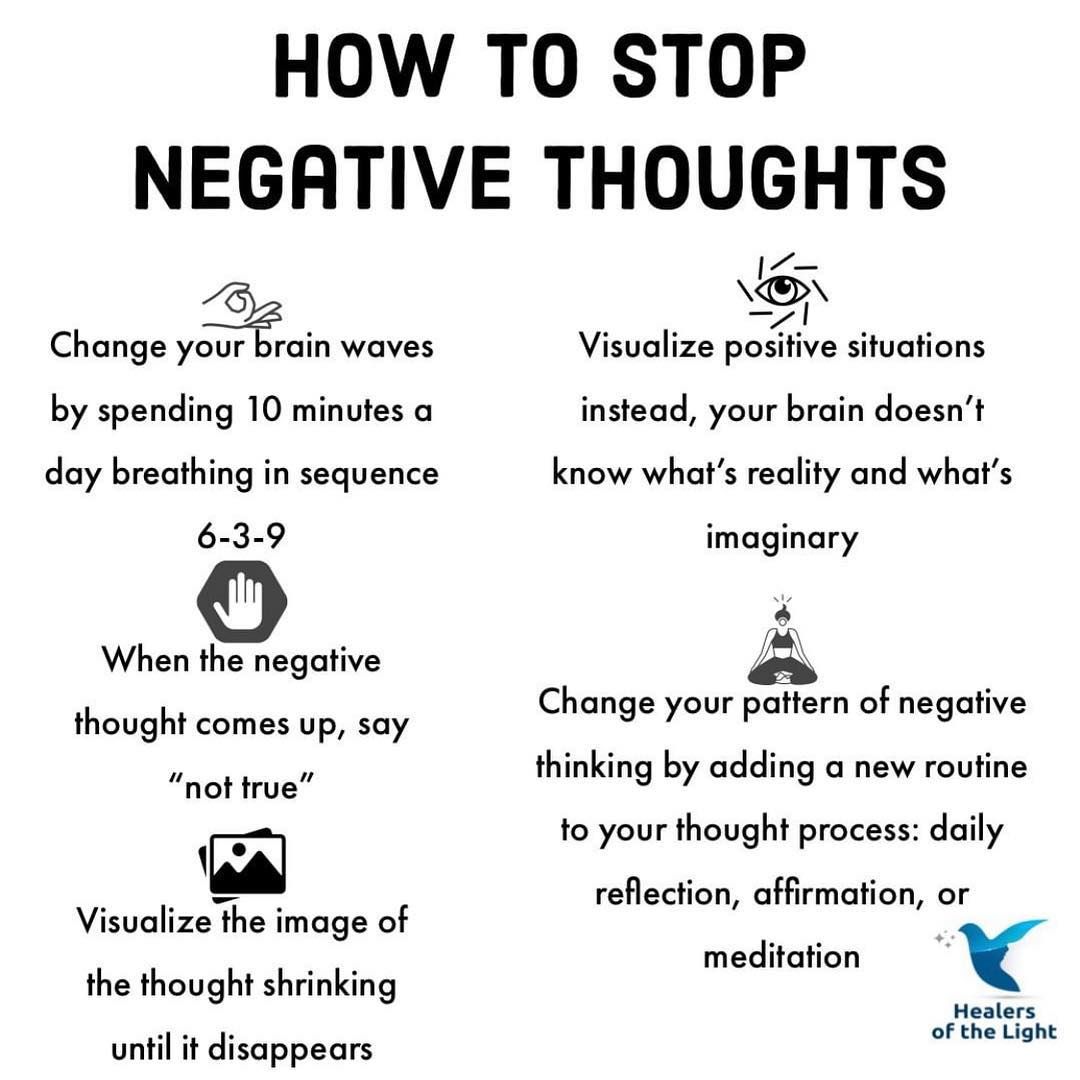
Successfully managing negative thoughts requires a proactive and consistent approach. This section details practical strategies for integrating the techniques you’ve learned into your daily routine, providing a framework for long-term positive change. We will explore step-by-step implementation, scheduling, and real-world examples to demonstrate the effectiveness of these strategies.By understanding how to implement these techniques in various situations, you will develop a stronger sense of control over your thoughts and emotions, ultimately leading to improved well-being.
Step-by-Step Implementation of Chosen Techniques
Implementing the chosen techniques effectively involves a structured approach. Begin by identifying specific negative thought patterns you wish to address. For example, if you consistently worry about future events, this is your initial target. Next, select a technique that aligns with your identified pattern. For instance, if you recognize a pattern of catastrophizing, practicing cognitive restructuring may be beneficial.
Break down the technique into smaller, manageable steps. For cognitive restructuring, this could involve identifying the negative thought, evaluating its validity, and replacing it with a more realistic and positive alternative. Consistency and patience are key to success.
Creating a Daily Routine for Incorporating Strategies
Developing a daily routine for incorporating these strategies fosters consistency and helps integrate them into your daily life seamlessly. Create a schedule that allows time for implementing your chosen techniques. For instance, dedicate 15 minutes each morning to practicing mindfulness or 10 minutes before bed to journal about your thoughts and feelings. Schedule specific times for techniques that are more demanding, like cognitive restructuring, allowing for adequate time for processing and reflection.
Weekly Schedule Template for Integrating Techniques
This template provides a framework for integrating your chosen techniques into a weekly routine. It is adaptable to your specific needs and preferences.
| Day | Time | Technique | Specific Application |
|---|---|---|---|
| Monday | Morning (7:00 AM – 7:15 AM) | Mindfulness Meditation | Focus on breath, observe thoughts without judgment. |
| Tuesday | Lunch Break (12:00 PM – 12:30 PM) | Cognitive Restructuring | Identify negative thoughts about work, evaluate their validity, replace with realistic alternatives. |
| Wednesday | Evening (8:00 PM – 8:15 PM) | Journaling | Record negative thoughts, emotions, and triggers. Reflect on potential root causes. |
| Thursday | Before Bed (9:30 PM – 9:45 PM) | Positive Affirmations | Repeat positive statements about self-worth and abilities. |
| Friday | Morning (7:00 AM – 7:15 AM) | Mindfulness Meditation | Focus on breath, observe thoughts without judgment. |
| Saturday | Free Time (10:00 AM – 10:30 AM) | Gratitude Practice | Reflect on things you are grateful for. |
| Sunday | Afternoon (2:00 PM – 2:30 PM) | Cognitive Restructuring | Identify negative thoughts related to upcoming week, evaluate their validity, replace with realistic alternatives. |
Applying Techniques in Specific Situations
Applying these techniques in specific situations enhances their effectiveness. For example, when faced with a challenging conversation, practicing deep breathing and mindfulness can help manage anxiety and promote a more constructive interaction. When experiencing overwhelming negative thoughts, cognitive restructuring can help reframe those thoughts into a more realistic perspective.
Examples of Successful Strategies Implemented by Others
Numerous individuals have successfully implemented these techniques to manage negative thoughts and improve their overall well-being. One person reported significant reductions in anxiety by incorporating regular mindfulness practices into their daily routine. Another individual found that journaling helped identify recurring negative thought patterns and develop more constructive coping mechanisms. These examples demonstrate the wide range of applications and positive outcomes achievable through consistent effort and strategy.
Addressing Specific Situations
Effective management of negative thoughts requires tailored strategies for various challenging situations. Understanding how negative thought patterns manifest in specific contexts allows for more targeted and impactful interventions. By recognizing the triggers and common thought processes associated with these situations, we can develop more effective coping mechanisms and strategies for positive change.
Managing Negative Thoughts During Challenging Conversations
Challenging conversations can evoke a range of negative emotions and thoughts, from feelings of inadequacy to fear of judgment. Identifying these negative thoughts as they arise is crucial. Techniques like mindfulness and deep breathing can help to regulate emotional responses. Active listening and seeking to understand the other person’s perspective, rather than focusing on personal defense, can also mitigate negative thought patterns.
Consider pre-planning potential responses and practicing self-affirmations to build confidence.
Managing Negative Thoughts When Facing Criticism
Criticism, while sometimes constructive, can often trigger negative self-assessments and feelings of inadequacy. A key strategy is to separate the criticism from the inherent worth of the individual. Focusing on the specific feedback received and considering its validity is essential. Reframing negative self-talk by acknowledging the potential value of the criticism and using it as an opportunity for growth is helpful.
Identifying and challenging the underlying negative beliefs about oneself can also contribute to a more resilient response to criticism. For example, if someone criticizes your presentation, instead of thinking “I’m a terrible speaker,” consider “This feedback provides specific areas for improvement.”
Managing Negative Thoughts in Social Settings
Social situations can sometimes lead to anxieties and self-doubt. Recognizing social anxiety as a common experience can help to normalize these feelings. Developing a sense of self-compassion is crucial, reminding oneself that everyone experiences moments of self-consciousness. Practicing relaxation techniques and focusing on positive social interactions can reduce negative thought patterns. Setting realistic expectations and avoiding comparisons with others are also helpful strategies.
Managing Negative Thoughts Related to Performance or Failure
Performance-related negative thoughts can stem from fear of failure, perfectionism, or past negative experiences. It is essential to acknowledge that failure is a part of the learning process. Shifting the focus from a rigid outcome-based perspective to a process-oriented approach can reduce pressure and anxiety. Instead of dwelling on past failures, focus on the lessons learned and use them to improve future performance.
Adopting a growth mindset, emphasizing learning and development, and reframing mistakes as opportunities for growth can be beneficial.
Managing Negative Thoughts About Personal Appearance
Negative thoughts about personal appearance can stem from societal pressures and internalized beauty standards. Challenging these standards and recognizing the diversity of beauty is crucial. Focusing on self-acceptance and body positivity is vital. Practicing self-care routines that promote well-being and confidence can be helpful. Developing a healthy relationship with one’s body image, emphasizing internal qualities and values, and avoiding social media comparisons are important.
For example, focusing on self-care routines like exercise, healthy eating, and mindfulness can contribute to overall well-being and a more positive self-image.
Maintaining Progress and Seeking Support

Sustaining positive changes in thought patterns requires consistent effort and a proactive approach. This involves recognizing the importance of ongoing self-assessment and adjustment, understanding the value of external support, and proactively seeking resources to maintain momentum. Building resilience against negative thoughts necessitates a multifaceted strategy that combines personal introspection with the support of others.
Strategies for Maintaining Positive Changes
Maintaining positive changes in thought patterns necessitates a proactive and ongoing approach. This includes regularly reviewing and adjusting strategies to address evolving challenges. Consistent self-reflection and adaptation are key to ensuring sustained progress.
- Regular Review of Strategies: Establishing a routine for periodic reviews of current coping mechanisms and strategies allows for adjustments based on effectiveness and emerging challenges. This review process ensures strategies remain relevant and effective over time.
- Adaptive Adjustments: Recognizing that individual needs and circumstances can shift, making adjustments to coping strategies is vital for sustained success. Flexibility is essential for maintaining progress as life circumstances evolve.
- Monitoring Progress: Tracking progress, even small improvements, reinforces the positive impact of chosen strategies. Regular self-assessment provides valuable insights and motivates continued engagement with the process.
Importance of Ongoing Self-Reflection and Adjustment
Ongoing self-reflection is crucial for recognizing patterns and adapting strategies as needed. This process ensures that the approach remains relevant and effective, rather than becoming rigid or ineffective. Understanding how thoughts and emotions change over time enables necessary adjustments in coping mechanisms.
- Identifying Patterns: Recognizing recurring patterns of negative thoughts or behaviors can help predict potential triggers and develop proactive responses. This understanding fosters greater control over emotional reactions.
- Adapting to Changes: Acknowledging that life circumstances evolve and that coping mechanisms need to adapt is essential for long-term success. Recognizing this adaptability allows for more effective strategies.
- Assessing Effectiveness: Regularly evaluating the effectiveness of current strategies is crucial. If a particular technique is no longer proving helpful, it should be replaced or modified.
Benefits of Seeking Support from Others
Seeking support from others is a vital component of managing negative thoughts. External perspectives can offer valuable insights and strategies not readily apparent through introspection. This support system can provide encouragement, accountability, and a sense of shared experience.
- Gaining New Perspectives: External perspectives can offer new ways of understanding and addressing challenges. This can be particularly beneficial when facing recurring patterns or complex issues.
- Building Accountability: A support system can create accountability, encouraging consistent engagement with self-improvement strategies. Knowing others are aware of progress goals can foster greater commitment.
- Reducing Isolation: Facing negative thoughts can be isolating. A supportive network fosters connection and shared experience, reducing feelings of loneliness or alienation.
Different Support Systems Available
Various support systems can provide assistance in managing negative thoughts. The best choice depends on individual needs and preferences. Options include therapists, support groups, family, friends, and online communities.
| Support System | Description |
|---|---|
| Therapists | Licensed professionals trained in mental health offer personalized guidance and strategies. |
| Support Groups | Groups provide a safe space to share experiences and learn from others facing similar challenges. |
| Family and Friends | Trusted individuals can offer emotional support, encouragement, and practical assistance. |
| Online Communities | Online platforms provide access to support networks and resources from diverse individuals. |
Examples of Maintaining Positive Momentum
Maintaining positive momentum involves consistent application of strategies, regular review, and a commitment to self-improvement. Examples include adhering to a daily mindfulness practice, celebrating small victories, and acknowledging setbacks as learning opportunities.
- Consistency: Adhering to a consistent schedule for practicing mindfulness or journaling fosters a routine that reinforces positive thought patterns.
- Positive Reinforcement: Celebrating milestones, no matter how small, reinforces positive behaviors and motivates continued effort. This can involve acknowledging personal progress and recognizing positive achievements.
- Learning from Setbacks: Viewing setbacks as opportunities for learning and adjustment fosters resilience and prevents discouragement. This involves analyzing what went wrong, identifying lessons learned, and adapting strategies for future challenges.
Illustrative Examples
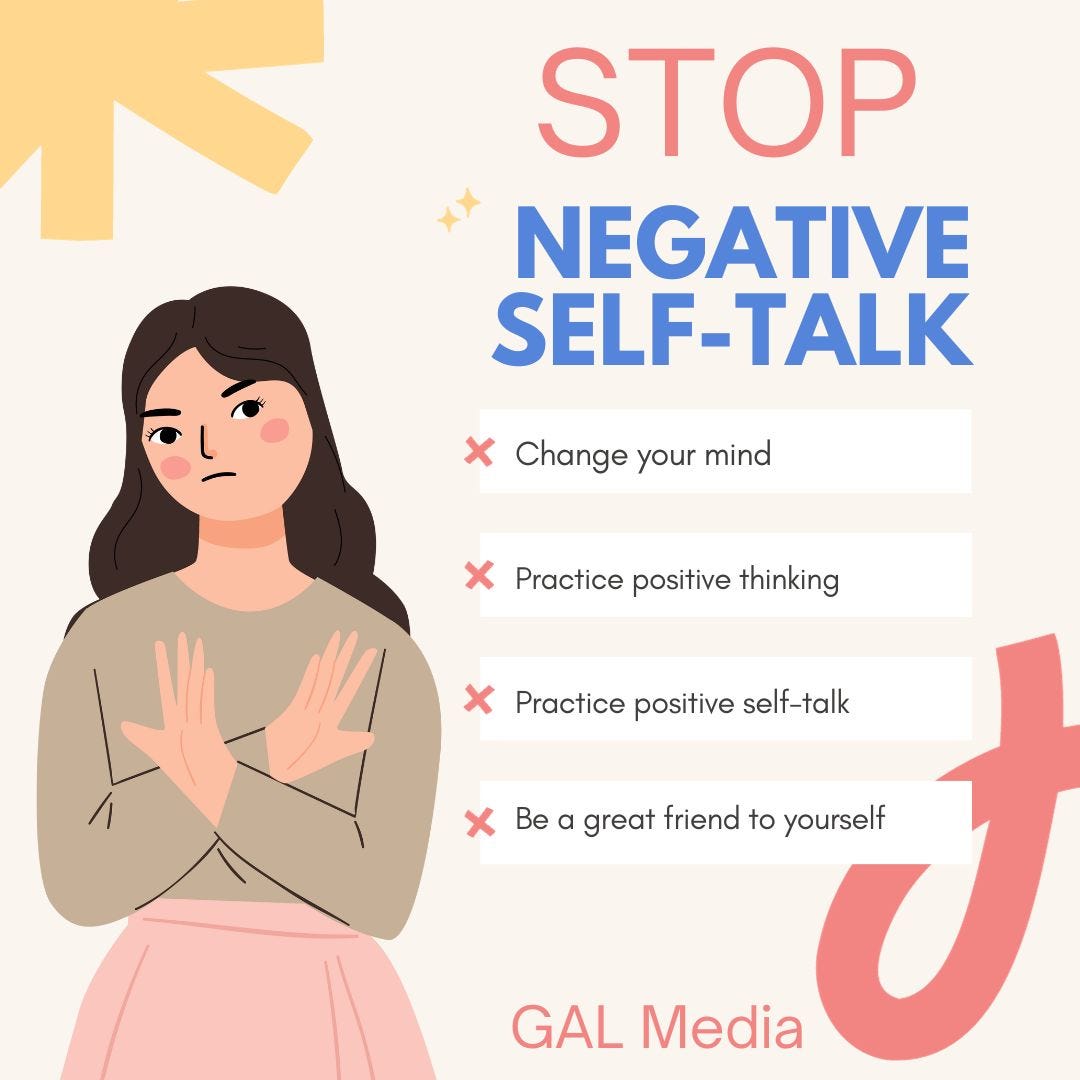
Understanding how to manage negative thoughts effectively requires practical application. The following examples demonstrate how the previously discussed techniques can be applied in real-life scenarios, showcasing their efficacy in overcoming negative thought patterns.
Scenario 1: Performance Anxiety
A student, Sarah, is preparing for a crucial presentation in her public speaking class. She anticipates a poor performance, fearing she will forget her lines, stumble over her words, and embarrass herself in front of her classmates. This fear triggers a cascade of negative thoughts: “I’m going to fail,” “Everyone will laugh at me,” “I’m not good enough.”Applying the techniques discussed previously, Sarah can identify these negative thoughts as a manifestation of performance anxiety.
Recognizing the root cause, she can then challenge the irrationality of these beliefs. For example, she might ask herself, “Is it realistic to expect perfection? Have I performed poorly in the past?” She can then focus on her preparation, reminding herself of her past successes in similar situations. She can also use relaxation techniques like deep breathing or progressive muscle relaxation to manage her physical anxiety.
Furthermore, rehearsing the presentation multiple times and seeking constructive feedback from classmates can help her gain confidence. By actively replacing negative self-talk with positive affirmations and focusing on her strengths, Sarah can effectively manage her performance anxiety.
Scenario 2: Relationship Conflict
John is experiencing a challenging period in his relationship. A recent disagreement with his partner has left him feeling inadequate and insecure. He interprets his partner’s words as a reflection of his own worthlessness, leading to negative thoughts like, “She doesn’t love me anymore,” “I’m a bad person,” and “This relationship is doomed.”This scenario highlights the importance of understanding the root causes of negative thought patterns.
John can use the technique of cognitive restructuring to challenge his distorted interpretations. He can consider alternative explanations for his partner’s behavior, such as stress or personal issues. Active listening and communication, crucial components of healthy relationships, are essential in this situation. John can also engage in self-compassion, recognizing that he is not responsible for his partner’s feelings.
Furthermore, he can practice healthy coping mechanisms, such as seeking support from a trusted friend or family member. By adopting a more balanced perspective and engaging in productive communication, John can effectively manage his negative thoughts and strengthen his relationship.
Scenario 3: Overcoming Procrastination
Emily consistently struggles with procrastination. She anticipates negative consequences of not completing her tasks—like receiving poor grades or disappointing her colleagues. This anticipation generates negative thoughts: “I’ll never finish this,” “I’m not capable of doing this,” and “It’s better to leave it for later.”This example showcases the application of practical strategies for implementation. Emily can break down large tasks into smaller, more manageable steps, making them less daunting.
She can use time management techniques to prioritize tasks and allocate specific time slots for their completion. Establishing a consistent schedule and utilizing a planner can help Emily stay organized and motivated. Furthermore, rewarding herself for completing tasks, no matter how small, can reinforce positive behavior and build confidence. By actively addressing the root cause of her procrastination and employing effective time management strategies, Emily can significantly improve her productivity and reduce negative thoughts related to it.
Conclusive Thoughts
In conclusion, managing negative thoughts is a journey of self-discovery and empowerment. By understanding the roots of these thoughts, practicing effective techniques, and developing healthy coping mechanisms, you can cultivate a more positive and fulfilling life. This guide offers a roadmap for navigating these complexities, empowering you to take control of your thoughts and experience greater emotional well-being.