Navigating criticism is a crucial skill for personal and professional growth. This guide provides a structured approach to understanding, responding to, and ultimately learning from constructive feedback. Whether you’re facing harsh words or gentle suggestions, developing resilience and effective strategies is key to turning criticism into an opportunity for improvement.
This comprehensive guide dissects the complexities of criticism, examining its various forms, sources, and contexts. It delves into the emotional responses triggered by criticism, providing practical techniques for managing those responses and fostering a growth mindset. We’ll also explore how to differentiate between constructive feedback and unproductive negativity.
Understanding Criticism

Criticism, while often perceived negatively, is a valuable tool for growth and improvement. Understanding its various forms and how individuals react to it is crucial for effective communication and personal development. Constructive feedback, when delivered and received appropriately, can lead to significant advancements in skills and understanding. Conversely, destructive criticism can hinder progress and damage relationships.A crucial first step in navigating criticism is recognizing the different types and approaches it can take.
This understanding allows for a more nuanced response, moving beyond simplistic reactions and towards more productive engagement.
Types of Criticism
Different types of criticism require different responses. Understanding these distinctions can help individuals better navigate the complexities of feedback.
- Constructive Criticism: This type of feedback focuses on specific behaviors or actions, offering suggestions for improvement. It’s intended to help the recipient grow and develop. For example, a manager might point out a presentation’s weak points and offer specific ways to strengthen it. Constructive criticism is typically delivered with a focus on the action, not the person.
- Destructive Criticism: This approach is characterized by negativity and personal attacks. Instead of focusing on the action, it attacks the person’s character or competence. An example might be telling someone “You’re always late,” instead of “The presentation was late; here’s how to avoid that in the future.” Destructive criticism is unhelpful and often unproductive.
- Passive-Aggressive Criticism: This approach is indirect and often veiled. It might involve subtle digs, sarcasm, or avoidance of direct communication. An example would be a colleague who consistently ignores a shared task, then complains about the team’s lack of progress. Passive-aggressive criticism is frustrating because it avoids direct confrontation.
- Supportive Criticism: This approach focuses on understanding the situation and context before providing feedback. It aims to help the recipient feel supported while acknowledging areas for improvement. For example, a friend might suggest a different approach to a problem based on their observations of the challenges faced. It prioritizes empathy and mutual growth.
Perceptions of Criticism
How individuals perceive criticism is heavily influenced by their past experiences and their inherent emotional responses.
- Personal Attack: Some individuals perceive any form of criticism as a personal attack on their character or worth. This perception often stems from negative experiences with criticism in the past. They may see feedback as a threat rather than an opportunity for growth.
- Feedback: Other individuals view criticism as an opportunity for growth and improvement. They see it as a chance to learn, adapt, and enhance their skills. This perspective often comes from a positive history of receiving constructive feedback.
Reactions to Criticism
Different reactions to criticism can be categorized, with varying degrees of effectiveness. This table Artikels the characteristics of common reactions.
| Reaction | Description | Effectiveness |
|---|---|---|
| Defensiveness | Responding to criticism with anger, denial, or counter-attack. | Low; hinders understanding and resolution. |
| Acceptance | Acknowledging the criticism without immediately reacting. | Moderate; allows for reflection and consideration. |
| Reflection | Taking time to process the criticism, considering its validity, and evaluating potential changes. | High; promotes understanding, learning, and growth. |
Identifying the Source and Context
Understanding the source and context of criticism is crucial for a productive response. It helps determine the validity and intent behind the feedback, allowing for a more measured and effective reaction. Ignoring the source and context can lead to misinterpretations and unnecessary emotional responses.Critically evaluating the source and context allows for a nuanced understanding of the criticism. This involves considering the relationship between the critic and the recipient, their respective positions, and the broader circumstances surrounding the feedback.
For example, a colleague’s constructive criticism about a project might be approached differently than a customer’s complaint about a product.
Importance of Identifying the Source
The source of criticism significantly impacts how it should be received and processed. A trusted mentor’s feedback carries more weight and deserves careful consideration than a casual comment from an acquaintance. Recognizing the source helps in assessing the credibility and potential biases influencing the criticism. An individual’s professional expertise or personal experience can influence the perspective they offer, and this should be taken into account.
A manager with extensive experience in the industry will likely provide valuable insight into improvements, whereas a peer might focus on more immediate or subjective concerns.
Impact of Context on Response
The context surrounding the criticism plays a pivotal role in shaping the appropriate response. A criticism delivered during a tense meeting will require a different approach than one given in a relaxed, private setting. The context might include the specific situation, the environment, and the emotional state of both the critic and the recipient. A constructive criticism delivered calmly and thoughtfully is likely to be more productive than one delivered in anger or frustration.
Strategies for Determining Validity
Assessing the validity of criticism involves several strategies. Firstly, consider whether the criticism is specific or general. Vague or overly broad criticisms are often less helpful. Secondly, evaluate the evidence supporting the criticism. If the criticism lacks concrete examples or supporting data, it may be less valid.
Thirdly, consider the critic’s motivations. Are they trying to help or are they driven by personal biases or ulterior motives? Finally, consider the potential impact of the criticism. If the criticism is likely to cause harm or hinder progress, it should be approached cautiously.
Examples of Helpful and Harmful Criticism
Criticism can be either helpful or harmful, depending on the context and the approach. A helpful criticism points out specific areas for improvement, provides constructive suggestions, and focuses on the task or product at hand. For example, a colleague’s suggestion on improving a presentation’s flow is helpful criticism. Conversely, harmful criticism might be personal, accusatory, or aimed at undermining confidence.
For instance, a comment about an individual’s personal appearance or work ethic that is not related to the task is harmful criticism.
Impact of Criticism Types
| Criticism Type | Individual | Potential Response | Impact |
|---|---|---|---|
| Constructive | Employee | Open to feedback, seeks clarification, analyzes suggestions | Improved performance, enhanced skills |
| Destructive | Student | Defensive, withdrawn, avoids future interactions | Decreased motivation, hindered learning |
| Unwarranted | Artist | Dismissive, seeks further understanding, seeks a different opinion | Waste of time, potential damage to reputation |
| Helpful | Team Member | Appreciative, actively seeks more guidance | Enhanced teamwork, positive outcomes |
Responding to Criticism Effectively

Responding to criticism constructively is a crucial skill for personal and professional growth. It allows for learning, improvement, and stronger relationships. Approaching criticism with a calm and focused mindset is essential to a productive response. Effective strategies enable separating the criticism from the person delivering it, leading to a more objective and helpful conversation.Understanding criticism involves more than just hearing the words; it necessitates acknowledging the intent and context.
This section delves into techniques for responding to criticism with a calm and focused demeanor, while also emphasizing strategies for separating the criticism from the person delivering it. This approach fosters a more objective and productive discussion.
Techniques for a Calm and Focused Response
A calm and focused demeanor is vital when responding to criticism. Maintaining composure allows for a more rational and constructive exchange. Deep breaths, taking a moment to collect thoughts, and a neutral tone of voice can greatly influence the outcome. Active listening is crucial in this process. Avoid interrupting, and try to fully understand the criticism before formulating a response.
This approach fosters a more productive and constructive conversation.
Strategies for Separating Criticism from the Person
It is important to recognize that criticism is not a personal attack. Criticizing someone does not always reflect their character or personality. A critical evaluation should not be viewed as an attack but rather as an opportunity for improvement. Focus on the specific feedback provided rather than getting defensive about the delivery method.
Different Responses to Criticism
| Response Type | Description | Example |
|---|---|---|
| Acknowledgement | Acknowledging the criticism without immediately agreeing or disagreeing. | “I hear what you’re saying about the presentation.” |
| Clarification | Requesting further explanation or detail about the criticism. | “Could you elaborate on what specifically you found confusing in the presentation?” |
| Disagreement | Expressing disagreement with the criticism while maintaining respect. | “While I understand your perspective, I believe the decision was justified based on these factors…” |
| Seeking Feedback | Actively seeking additional input or suggestions for improvement. | “What suggestions do you have for improving this aspect of the project?” |
Acknowledging Criticism Without Agreement or Disagreement
Acknowledging criticism without immediately agreeing or disagreeing demonstrates a receptive attitude. This approach shows respect for the feedback without being pressured into a quick response. Phrases like “I understand your point,” “I appreciate your feedback,” or “I’ll consider what you’ve said” are examples of acknowledging criticism without taking a stance. This approach allows for a more thoughtful and considerate response.
The Importance of Active Listening
Active listening is essential in responding to criticism. It involves fully concentrating on what the other person is saying, both verbally and nonverbally. It also involves asking clarifying questions to ensure understanding. This demonstrates respect and fosters a more productive discussion. This approach allows for a more thorough understanding of the criticism, leading to a more effective response.
Managing Emotional Responses
Navigating criticism effectively hinges not only on understanding its nature but also on managing the emotional responses it elicits. Uncontrolled emotions can cloud judgment, hinder productive dialogue, and exacerbate the situation. This section explores common emotional reactions to criticism and provides strategies to manage them constructively.Effective management of emotional responses to criticism is crucial for maintaining composure and fostering a productive exchange.
By recognizing and addressing the underlying emotions, individuals can respond more thoughtfully and constructively, leading to positive outcomes.
Common Emotional Responses to Criticism
Recognizing the spectrum of emotional responses to criticism is the first step in managing them effectively. These responses can range from mild discomfort to intense feelings of anger, fear, or hurt. Understanding these emotional responses is key to developing effective coping mechanisms. For example, feeling attacked can lead to defensiveness, while fear of rejection might cause avoidance.
Strategies for Managing Negative Emotions
Effective strategies for managing negative emotions triggered by criticism are crucial for navigating interpersonal interactions. These strategies can involve various techniques, including deep breathing exercises, mindfulness practices, and cognitive restructuring.
- Deep Breathing Exercises: Slow, deliberate breaths can calm the nervous system and reduce feelings of anxiety or anger. Incorporating these techniques into daily routines can be highly beneficial in managing stress and regulating emotional responses.
- Mindfulness Practices: Focusing on the present moment through mindfulness techniques can help individuals detach from the emotional charge of the criticism. These practices can provide a sense of detachment and clarity, allowing for a more balanced response.
- Cognitive Restructuring: Identifying and challenging negative thought patterns associated with criticism is key to cognitive restructuring. This involves questioning the validity of automatic negative thoughts and replacing them with more balanced and rational perspectives.
Understanding and Regulating Emotional Responses
Understanding the source and context of the criticism is crucial in regulating emotional responses. For example, constructive criticism aimed at improvement is often different from personal attacks. Analyzing the intention behind the feedback can greatly influence how it is received.
Coping Mechanisms for Dealing with Emotional Reactions to Criticism
Different coping mechanisms can be effective in managing emotional reactions to criticism.
| Coping Mechanism | Description | Example |
|---|---|---|
| Active Listening | Paying close attention to the criticism, seeking to understand the perspective of the critic. | Summarizing the critic’s points to ensure understanding and validate their concerns. |
| Reframing | Changing the perspective on the criticism to view it as an opportunity for growth or learning. | Interpreting constructive feedback as a chance to enhance skills. |
| Distraction | Shifting focus away from the criticism to a more neutral or positive activity. | Engaging in a hobby or spending time with loved ones. |
| Emotional Regulation Techniques | Using techniques like mindfulness or meditation to manage emotional responses. | Practicing deep breathing exercises or progressive muscle relaxation. |
Avoiding Defensiveness
Defensiveness often arises when individuals feel attacked or judged. Instead of reacting defensively, individuals can focus on actively listening to the feedback, understanding the perspective of the critic, and acknowledging any validity in the points raised. This can be accomplished by actively seeking to understand the critic’s perspective.
“Criticism is a gift. It helps us to improve and become better.”
Taking Action Based on Criticism
Constructive criticism, when approached thoughtfully, can be a powerful tool for personal and professional growth. Understanding how to evaluate the validity of criticism, and subsequently determine how to respond, is crucial for navigating these situations effectively. This section will explore the process of evaluating criticism, outlining methods for deciding whether to accept, reject, or re-evaluate the feedback, and providing strategies for taking action based on valid criticism.
It will also address the steps involved in implementing changes and Artikel actions to take when the criticism is not valid.Evaluating criticism requires a systematic approach. Simply accepting or rejecting criticism without careful consideration can lead to missed opportunities for improvement or unnecessary defensiveness. A critical eye must be applied to the source and context of the criticism to determine its validity.
Furthermore, considering potential biases and motivations of the critic can help in evaluating the overall merit of the feedback.
Evaluating the Validity of Criticism
Critically examining the criticism is paramount. The first step involves understanding the source’s expertise and potential biases. Is the person offering the criticism knowledgeable about the subject matter? Are there any known biases or personal agendas that might influence their perspective? Next, consider the context in which the criticism was offered.
Was the environment conducive to a productive conversation? Were emotions running high, potentially clouding the objectivity of the criticism? Lastly, consider the specific details of the criticism itself. Are the points well-supported by evidence or examples? Are the suggestions actionable and specific, or are they vague and general?
These factors collectively influence the validity of the feedback.
Methods for Accepting, Rejecting, or Re-evaluating Criticism
Deciding whether to accept, reject, or re-evaluate criticism requires careful consideration. Accepting valid criticism fosters growth and development. Rejecting criticism that is demonstrably unfounded protects against unproductive feedback. Re-evaluating criticism that seems partially valid or requires further clarification is an essential part of a mature response. This process involves objectively analyzing the criticism, considering alternative perspectives, and seeking clarification where necessary.
Strategies for Taking Action Based on Valid Criticism
Valid criticism provides opportunities for improvement. Strategies for implementing changes based on valid feedback should focus on actionable steps. These strategies should be tailored to the specific nature of the criticism and its impact on the situation. Crucially, focus on understanding the root cause of the criticism. Is it a systemic issue, or a specific procedural problem?
Identifying the root cause is essential for developing effective and sustainable solutions.
Implementing Changes Based on Criticism
Implementing changes requires a structured approach. A systematic plan is essential for ensuring that improvements are made effectively.
| Step | Action |
|---|---|
| 1 | Identify the specific area needing improvement |
| 2 | Develop a plan for implementing changes |
| 3 | Artikel the resources needed to implement the changes |
| 4 | Establish clear milestones and timelines for achieving the improvements |
| 5 | Monitor progress and make adjustments as needed |
| 6 | Seek feedback on the implemented changes |
Actions When Criticism Is Not Valid
Dealing with invalid criticism requires a different approach. It’s important to separate constructive feedback from personal attacks or unfounded accusations. First, determine if the criticism is rooted in a misunderstanding. If so, clear communication and clarification can resolve the issue. If the criticism is a personal attack or a manifestation of bias, it is essential to address the situation professionally but firmly.
It may be necessary to document the interaction and seek support from a supervisor or mentor. In extreme cases, legal counsel might be required. Maintain a professional demeanor and prioritize your own well-being.
Seeking Clarification and Feedback

Effective communication is crucial when receiving criticism. Understanding the nuances and intent behind the feedback is essential for productive growth and development. This process involves seeking clarification, actively requesting specific feedback, and exploring the root causes of the criticism.Seeking clarity and detailed feedback fosters a collaborative environment where constructive dialogue can occur. This approach allows for a more comprehensive understanding of the concerns raised, facilitating a more effective response and improved performance.
Moreover, it cultivates a culture of open communication and mutual understanding.
Methods for Seeking Clarification
Clarifying ambiguous or unclear criticism is a vital step in the process of responding effectively. Approaching the criticism with a proactive attitude, focusing on understanding the underlying concerns, and not taking it personally are essential. This will lead to a more constructive resolution and prevent misunderstandings.
- Restating the Criticism: Rephrasing the criticism in your own words demonstrates active listening and ensures a shared understanding. This can help identify any misinterpretations.
- Asking Clarifying Questions: Instead of assuming meaning, ask specific questions. “Could you elaborate on…?” or “What specifically…?” can help pinpoint the source of the concern.
- Seeking Examples: If the criticism is general, ask for specific examples of the behavior or work that triggered the concern. This allows for a more focused and actionable response.
Strategies for Requesting Specific Feedback
To transform criticism into actionable feedback, it’s vital to actively solicit specific suggestions for improvement.
- Asking for Specific Behaviors: Instead of asking “How can I improve?”, inquire about specific actions or behaviors that can be modified. For example, “Can you give me examples of how I could have handled the situation differently?”
- Requesting Detailed Explanations: Asking for specific details regarding the concerns expressed helps in understanding the underlying reasoning. For instance, “What aspects of my presentation could have been improved?”
- Seeking Suggestions for Improvement: Ask for concrete suggestions on how to address the issue or improve the performance. For example, “What specific steps could I take to better prepare for future presentations?”
Understanding Root Causes of Criticism
Critically analyzing the root cause of criticism is essential for targeted improvement. Examining underlying factors beyond the immediate feedback allows for a more comprehensive understanding and a more effective resolution.
- Identifying Underlying Values: Consider the values and priorities of the person offering the criticism. Understanding their perspective provides context for the feedback.
- Recognizing Systemic Issues: Sometimes, criticism may stem from systemic issues or broader organizational challenges. Exploring these larger contexts can provide a more holistic understanding.
- Considering Personal Biases: Acknowledge that personal biases can influence criticism. Recognizing potential biases can help in separating constructive criticism from potentially prejudiced opinions.
Rephrasing Criticism into Actionable Feedback
The following table compares different ways to rephrase criticism into actionable feedback. This enables a more constructive and productive dialogue.
| Original Criticism | Rephrased as Actionable Feedback | Explanation |
|---|---|---|
| “Your presentation was disorganized.” | “To enhance clarity, consider outlining key points and using visual aids to structure the flow of information.” | Provides specific suggestions for improvement, focusing on action rather than a general assessment. |
| “Your report lacked detail.” | “To ensure comprehensive analysis, incorporate supporting data and detailed explanations for each point.” | Translates the criticism into concrete steps for improvement, emphasizing thoroughness. |
| “Your attitude was unprofessional.” | “To maintain a professional demeanor, consider your communication style and tone in future interactions.” | Offers specific suggestions for improving communication style and behavior. |
Providing Constructive Feedback
Offering constructive feedback to others in response to received criticism is an important part of the feedback cycle. It demonstrates a proactive and supportive approach.
- Focusing on Specific Behaviors: Provide feedback centered on observable behaviors rather than general character assessments. For example, “When you spoke with the client, you could have shown more empathy.”
- Emphasizing Solutions: Offer solutions or strategies for improvement, rather than just pointing out problems. For instance, “Consider incorporating a brief summary to connect your points and provide a smoother flow.”
- Using “I” Statements: Frame your feedback using “I” statements to avoid sounding accusatory or judgmental. For example, “I noticed that the visuals were distracting, and I felt they didn’t support the key messages.”
Building Resilience to Criticism
Developing resilience to criticism is crucial for maintaining emotional well-being and professional success. It involves cultivating a strong sense of self and the ability to navigate challenging feedback constructively. This process allows individuals to separate constructive criticism from personal attacks and use feedback to improve. Understanding how to handle criticism effectively is not just about responding to it, but also about building inner strength to withstand it.
Importance of Self-Worth and Confidence
A strong sense of self-worth and confidence acts as a buffer against the potentially damaging effects of criticism. Individuals with high self-esteem are better equipped to separate criticism from their inherent value. They recognize that criticism is an external judgment, not a reflection of their intrinsic worth. This internal strength allows them to focus on areas for improvement without feeling personally attacked.
Strategies for Developing Self-Worth and Confidence
Cultivating a strong sense of self-worth and confidence is an ongoing process. Practicing self-care, setting realistic goals, and celebrating achievements, no matter how small, are essential steps. Recognizing personal strengths and acknowledging past successes fosters a positive self-image. Seeking support from trusted individuals, and engaging in activities that bring joy and fulfillment can also significantly contribute to a stronger sense of self-worth.
Methods for Practicing Self-Compassion
Self-compassion involves treating oneself with kindness and understanding, particularly during challenging times. This is especially important when faced with criticism. Instead of harshly judging oneself, practicing self-compassion involves acknowledging that making mistakes is a normal part of life and that imperfections do not diminish one’s value. Recognizing common human experiences, such as vulnerability and imperfections, is key to practicing self-compassion.
Exercises and Activities to Improve Resilience
Practicing mindfulness and meditation can help develop resilience to criticism. Regular mindfulness exercises allow individuals to observe their thoughts and emotions without judgment, fostering a sense of detachment from negative feedback. Journaling about experiences with criticism, reflecting on what triggered emotional responses, and developing strategies for managing these reactions can significantly enhance resilience. Cognitive restructuring techniques can help reframe negative self-talk, transforming negative interpretations into more balanced and realistic ones.
| Exercise/Activity | Description |
|---|---|
| Mindfulness Meditation | Focus on the present moment without judgment, observing thoughts and feelings related to criticism. |
| Gratitude Journaling | Reflect on positive aspects of one’s life, focusing on strengths and accomplishments. |
| Positive Affirmations | Repeating positive statements about oneself to build self-esteem and confidence. |
| Cognitive Restructuring | Identifying and challenging negative thought patterns related to criticism. |
| Seeking Support | Talking to trusted friends, family, or a therapist about feelings related to criticism. |
Reframing Negative Self-Talk
Negative self-talk can significantly intensify the impact of criticism. When faced with criticism, it’s important to identify and challenge negative thought patterns. For instance, instead of thinking “I’m a failure because of this criticism,” try reframing it as “This feedback provides an opportunity for improvement.” Reframing negative self-talk helps to transform criticism into a learning experience, fostering a growth mindset rather than a fixed one.
This process is vital in developing resilience to criticism.
Conclusive Thoughts
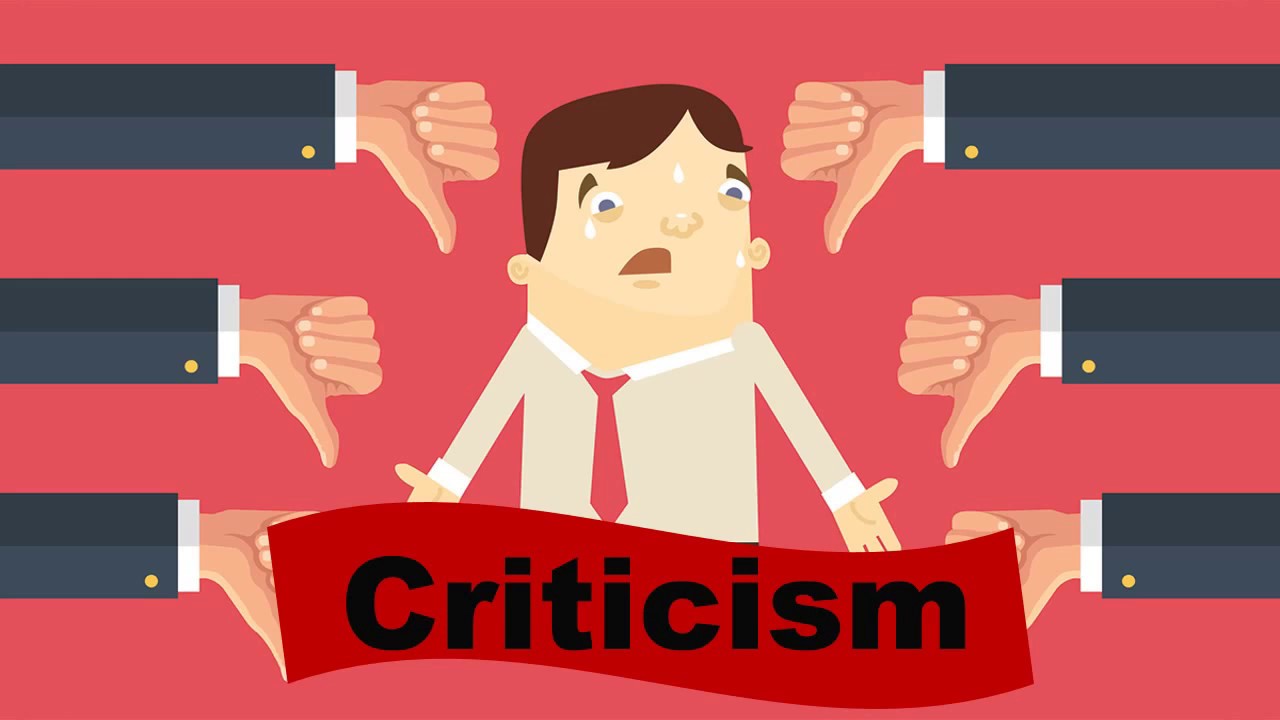
In conclusion, handling criticism effectively requires a multifaceted approach. By understanding different types of criticism, identifying their sources, and developing strategies for responding with composure and clarity, you can transform potentially negative situations into valuable learning experiences. This guide provides a roadmap for building resilience and cultivating a growth mindset in the face of feedback, ultimately empowering you to thrive in any environment.