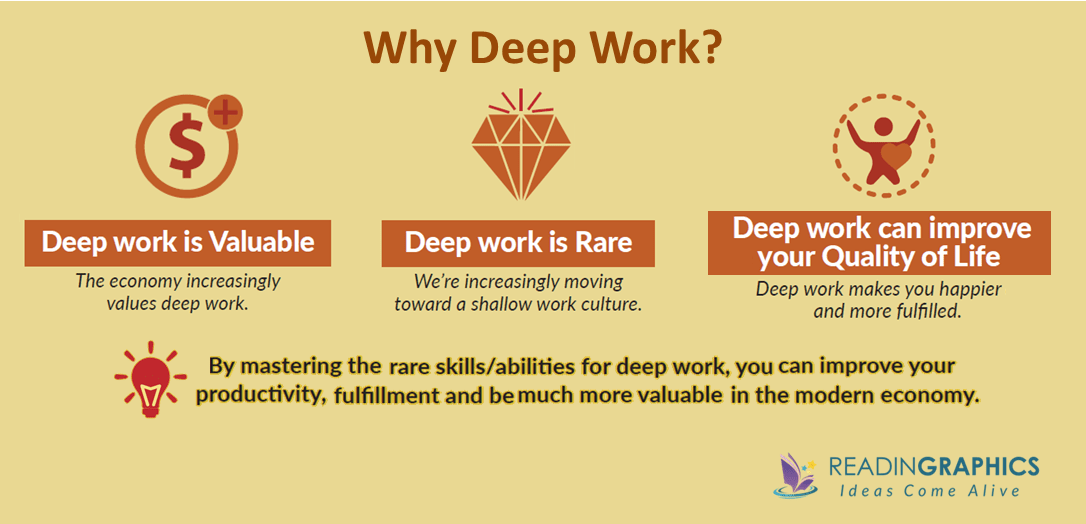
Deep work, the focused concentration required for high-quality output, is increasingly valued in today’s demanding professional landscape. This guide provides a structured approach to understanding and mastering deep work, covering essential aspects from defining the concept to maintaining sustainable habits. By exploring various strategies, environments, and obstacles, you’ll gain practical tools to optimize your focus and unlock your potential.
This comprehensive guide will equip you with a roadmap to achieving deeper focus and productivity. We’ll delve into defining deep work, examining strategies for optimizing your concentration, and understanding the role of environment and tools in facilitating a productive workflow. We’ll also address common obstacles and provide strategies to overcome them, ultimately helping you build and maintain sustainable deep work habits.
Defining Deep Work

Deep work is a focused mental state that allows for high-level cognitive performance. It’s a crucial skill for achieving significant results in various fields, from creative endeavors to complex problem-solving. This focused approach contrasts sharply with the more superficial and easily distracted work that dominates our modern environment.The essence of deep work lies in its ability to immerse the mind in a single task, allowing for concentrated effort and the generation of innovative solutions.
This contrasts with shallow work, which involves multitasking and less demanding mental activities. Deep work fosters a profound understanding of the subject matter at hand and leads to superior outcomes.
Characteristics of Deep Work
Deep work is characterized by several key attributes that distinguish it from other types of work. These qualities are critical for achieving optimal productivity and creativity. Maintaining focus on a single task is paramount in achieving deep work, and it’s essential to limit distractions and maintain concentration.
- Single-Tasking Focus: Deep work is almost exclusively focused on a single task, without interruptions. This single-mindedness is vital for maintaining concentration and maximizing cognitive resources.
- Concentration and Sustained Effort: Deep work demands significant concentration and sustained effort. It requires a commitment to maintaining focus over an extended period, often in the face of competing demands.
- Minimized Distractions: Deep work environments are deliberately designed to minimize distractions. This includes creating physical and digital boundaries to prevent interruptions.
- Cognitive Depth: Deep work often involves complex problem-solving, creative thinking, or in-depth learning. This focus on complexity and learning leads to profound insights and new perspectives.
Examples of Deep Work Activities
Numerous activities can be categorized as deep work, depending on the specific cognitive demands and focus required. These activities can be categorized based on the specific areas of focus.
- Writing a complex research paper: Requires sustained concentration, in-depth research, and critical analysis. The focus is on meticulous detail and critical thinking.
- Developing a software program: Coding, debugging, and testing a software program demands sustained focus and meticulous attention to detail. The process requires deep concentration and problem-solving.
- Learning a new language: Studying grammar, vocabulary, and practicing pronunciation requires sustained attention and focused learning.
- Creating a detailed business plan: This requires in-depth analysis, research, and creative thinking. The process involves considering various factors and formulating a strategic plan.
Deep Work Activity Table
The table below illustrates the relationship between various deep work activities, their focus areas, expected outcomes, and durations.
| Deep Work Activity | Focus Area | Expected Outcome | Duration |
|---|---|---|---|
| Writing a novel chapter | Storytelling, Character Development | Compelling narrative, detailed character portrayal | 2-4 hours |
| Designing a website | User Interface, Functionality | Intuitive and functional website design | 4-6 hours |
| Conducting in-depth research | Data Analysis, Synthesis | Thorough understanding of the subject matter | 3-5 hours |
| Developing a complex algorithm | Problem Solving, Logic | Efficient and accurate algorithm | 6-8 hours |
Strategies for Deep Work
Optimizing focus and concentration is crucial for effective deep work. This involves understanding and implementing strategies that minimize distractions and interruptions, allowing for sustained periods of uninterrupted cognitive effort. Successful deep work often relies on a structured workflow that harmonizes with individual productivity patterns. The ability to manage time effectively, set clear goals, and prioritize tasks are also vital components.Effective deep work strategies are not a one-size-fits-all solution; tailoring methods to individual needs and preferences is often key to success.
Understanding different approaches, such as the Pomodoro Technique, the Eisenhower Matrix, and Getting Things Done, can provide a framework for building a productive workflow that supports long-term deep work habits.
Optimizing Focus and Concentration
Sustained focus is paramount for deep work. Techniques like mindfulness exercises, consistent sleep schedules, and regular physical activity can contribute to enhanced concentration. Creating a dedicated workspace free from clutter and distractions is another crucial step. This dedicated space should be conducive to focused work, fostering an environment conducive to deep thought and creative problem-solving. Finding and adhering to a specific routine or schedule can also help in maintaining consistent focus.
Minimizing Distractions and Interruptions
Distractions are often the enemy of deep work. Implementing strategies to minimize interruptions is essential. This includes turning off notifications on electronic devices, utilizing website blockers, and informing colleagues of scheduled focused work periods. Utilizing noise-canceling headphones or finding a quiet workspace can also significantly reduce distractions. Clearly communicating boundaries to others about when you require uninterrupted time is important.
Building a Productive Workflow
A structured workflow supports consistent deep work. This involves creating a schedule that incorporates dedicated time slots for focused work, interspersed with breaks for rest and rejuvenation. Prioritizing tasks based on importance and urgency is also essential. Using a task management system, such as a to-do list or project management software, can aid in organizing tasks and ensuring nothing is overlooked.
Break down complex tasks into smaller, manageable steps to make progress feel less overwhelming.
Managing Time Effectively for Deep Work
Time management is a critical aspect of deep work. Strategies like the Pomodoro Technique, which involves working in focused intervals with short breaks, can be effective. Understanding individual productivity cycles and tailoring work schedules accordingly is also beneficial. Effective time management allows for efficient allocation of time for deep work and other necessary tasks. Utilizing time management tools and techniques can help optimize workflow.
Setting Clear Goals and Priorities
Establishing clear goals and priorities is foundational for effective deep work. Understanding the overarching objectives and breaking them down into smaller, actionable tasks provides direction and purpose. Prioritizing tasks based on urgency and importance using frameworks like the Eisenhower Matrix helps to focus efforts on the most critical tasks. This clarity allows for efficient allocation of time and energy toward achieving specific goals.
Comparing Deep Work Techniques
| Technique | Description | Strengths | Weaknesses |
|---|---|---|---|
| Pomodoro Technique | Working in focused intervals (e.g., 25 minutes) followed by short breaks. | Structure and breaks help maintain focus; easily adaptable. | May not suit complex tasks requiring extended uninterrupted work; potentially repetitive. |
| Eisenhower Matrix | Prioritizing tasks based on urgency and importance (e.g., urgent/important, important/not urgent). | Helps focus on high-priority tasks; clarifies task prioritization. | Requires careful assessment of urgency and importance; might not be suitable for tasks with evolving priorities. |
| Getting Things Done (GTD) | A comprehensive system for capturing, clarifying, organizing, and reflecting on tasks. | Organizes tasks thoroughly; caters to various task complexities; flexible and adaptable. | Requires significant time investment in setup and learning; might be overwhelming for simple tasks. |
Environment and Tools for Deep Work
Creating an optimal environment is crucial for maximizing focus and productivity during deep work sessions. A well-structured and distraction-free space significantly impacts concentration and output. This section explores the elements of a supportive environment and essential tools to aid in deep work.A well-designed workspace is not just about aesthetics; it’s about tailoring the environment to your individual needs and preferences.
Understanding the interplay of factors like lighting, noise, and temperature is key to creating a space that fosters deep concentration and minimizes interruptions.
Optimal Environment for Deep Work
A conducive environment minimizes distractions and allows for uninterrupted focus. Noise levels significantly impact concentration. A quiet space, ideally free from background chatter or loud noises, is paramount for deep work. Lighting plays a vital role in mood and focus. Natural light is often preferred, but adjustable lighting can also be beneficial, allowing you to adjust intensity as needed.
Temperature also influences focus. A comfortable temperature, neither too hot nor too cold, ensures a relaxed and productive atmosphere. Personalizing your workspace to reflect your preferences and needs can lead to significant improvements in deep work effectiveness.
Personalizing Your Workspace
Personalizing your workspace is a crucial step in optimizing deep work conditions. Consider elements like desk organization, comfortable seating, and the placement of necessary materials. A well-organized workspace minimizes the mental effort required to locate items, promoting a smoother workflow. Comfortable seating is vital for prolonged periods of focused work. An ergonomic chair and a supportive desk setup are beneficial.
Strategic placement of essential materials, such as reference books, notes, and writing instruments, enhances efficiency and reduces interruptions. A workspace that reflects your preferences and promotes comfort can significantly enhance your ability to focus and sustain deep work sessions.
Essential Tools and Technologies
Digital tools and technologies play a vital role in managing distractions and enhancing productivity during deep work sessions. Effective tools for managing distractions include specialized software and apps designed to block social media, email, and other notifications. Employing these tools can create a dedicated workspace free from interruptions. High-quality headphones are also beneficial, as they can block out ambient noise, further enhancing focus.
For example, noise-canceling headphones can effectively isolate the user from external sounds. A fast and reliable internet connection is crucial for accessing online resources and collaborating with others.
Digital Tools for Managing Distractions
Managing distractions is crucial for successful deep work. Digital tools are indispensable for achieving this goal. Specialized apps and software can help filter out distracting notifications, allowing users to maintain focus. These applications can be configured to block specific websites, apps, or social media platforms during designated work periods. The benefits of using such tools are evident in increased concentration and improved productivity.
For instance, Forest app encourages focused work by allowing users to plant a virtual tree that dies if they check their phone.
Resources for Creating a Distraction-Free Environment
Numerous resources can aid in creating a distraction-free environment for deep work. Books, articles, and online communities offer practical advice and insights. Search for “distraction-free workspace” or “productivity tips” to discover relevant resources. Websites dedicated to productivity techniques, such as those focusing on the Pomodoro Technique or time management strategies, provide helpful information. Also, consult articles and blogs from experts in the field of cognitive psychology or productivity.
By exploring these resources, you can find practical tips and techniques to build a conducive environment for deep work.
Tools for Deep Work: A Comparative Analysis
| Tool/Technique | Benefit | Drawbacks | Use Case |
|---|---|---|---|
| Noise-canceling headphones | Reduces ambient noise, enhances focus | May be expensive, potential for sensory deprivation | Work in a noisy environment, need for complete auditory isolation |
| Website blockers | Eliminates distractions from social media, news, and other websites | Can feel restrictive, may block important resources | Maintaining focus during deep work sessions, avoiding procrastination |
| Focus apps (e.g., Freedom, Forest) | Provides time-bound focused work, discourages procrastination | Potential for over-reliance, learning curve for setup | Maintaining discipline during deep work sessions, breaking free from distracting habits |
| Dedicated workspace | Creates a physical separation from distractions | Requires space, may not be feasible for all | Maintaining a clear distinction between work and personal life |
Overcoming Obstacles to Deep Work
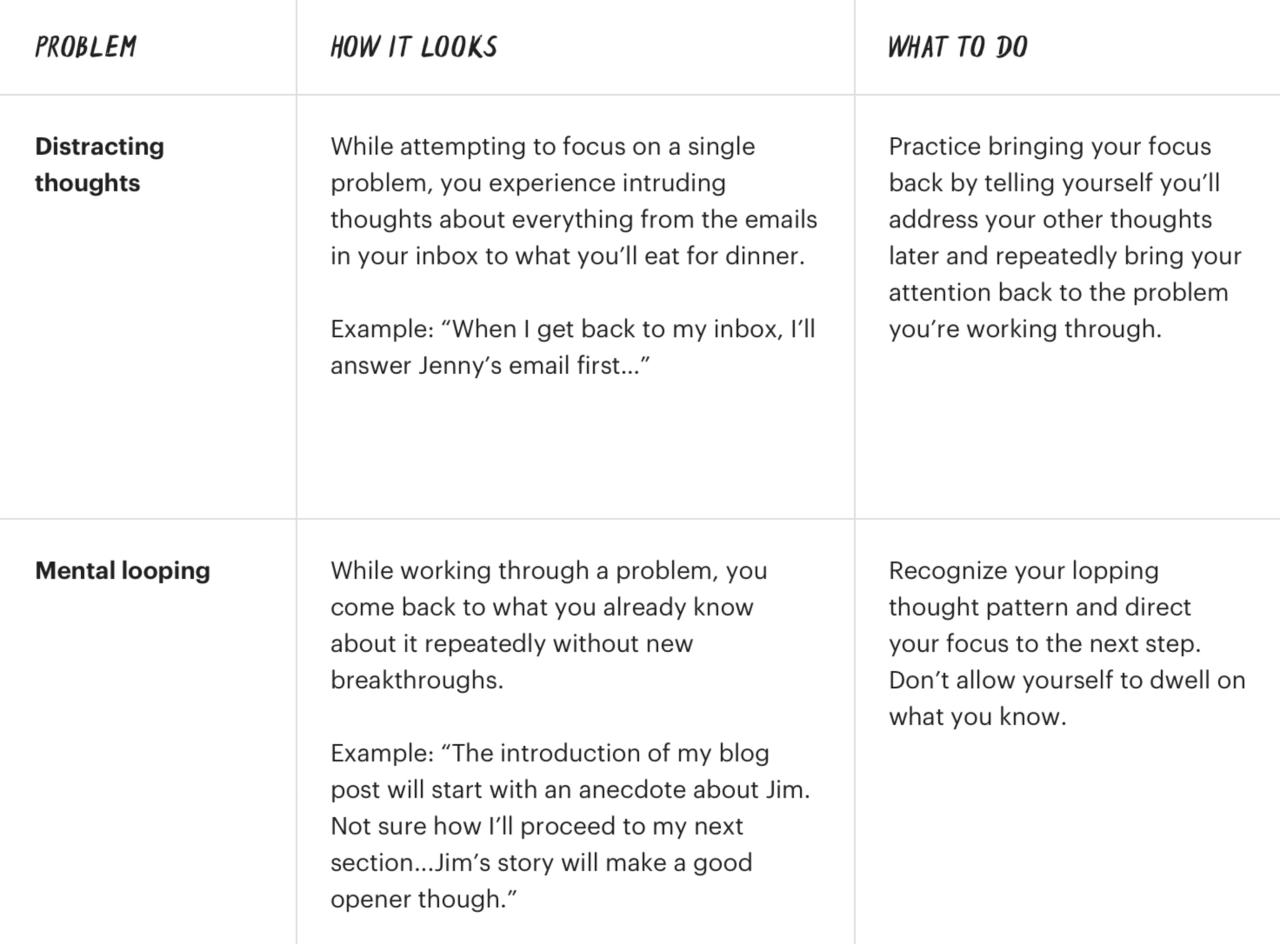
Deep work, the ability to focus intensely on cognitively demanding tasks, is crucial for productivity and achieving significant results. However, numerous obstacles can hinder this focused state, ranging from internal distractions to external pressures. Recognizing these obstacles and developing effective strategies to overcome them is essential for maximizing deep work potential.
Common Obstacles to Deep Work
Procrastination, lack of motivation, and external pressures often disrupt the deep work process. These obstacles can stem from a variety of factors, including personal preferences, environmental conditions, and time management challenges. Understanding the root causes of these obstacles is the first step towards developing effective countermeasures.
Strategies for Overcoming Procrastination and Building Self-Discipline
Procrastination is a common barrier to deep work. Effective strategies for overcoming procrastination involve understanding its root causes and implementing techniques to build self-discipline. This involves breaking down large tasks into smaller, more manageable steps, setting realistic goals, and establishing a consistent work schedule. Rewarding yourself for completing tasks can also reinforce positive habits and motivate continued progress.
Methods for Dealing with Distractions and Maintaining Focus
Distractions, both internal and external, are significant impediments to deep work. To effectively manage distractions, create a dedicated workspace free from interruptions, utilize noise-canceling headphones or focus music, and employ time management techniques like the Pomodoro Technique. Scheduling specific blocks of time for deep work can also help in establishing a routine and minimizing distractions.
Strategies for Managing Stress and Maintaining Energy Levels During Deep Work Sessions
Stress and fatigue can significantly impact concentration and productivity during deep work sessions. Implementing stress-reduction techniques such as mindfulness exercises, short breaks, and regular physical activity can help maintain energy levels and reduce stress. Prioritizing sufficient sleep and maintaining a healthy diet are also crucial for optimal cognitive function and sustained focus.
Techniques for Improving Concentration and Reducing Mental Clutter
Maintaining concentration and minimizing mental clutter is essential for effective deep work. Techniques such as meditation, mindfulness exercises, and focusing on a single task at a time can help to clear the mind and improve concentration. Taking regular breaks to rest and recharge the mind is equally important for sustaining focus and preventing burnout.
Table: Obstacles to Deep Work and Corresponding Solutions
| Obstacle | Solution |
|---|---|
| Procrastination | Break down tasks, set realistic goals, establish a consistent schedule, reward yourself for progress. |
| Lack of Motivation | Identify the source of demotivation, set clear goals aligned with personal values, create a supportive environment, and acknowledge accomplishments. |
| External Pressures | Establish boundaries with distractions, prioritize tasks, communicate effectively with others, and utilize time management techniques. |
| Distractions | Create a dedicated workspace, utilize noise-canceling headphones, employ time management techniques (Pomodoro), schedule deep work blocks. |
| Stress and Fatigue | Implement stress-reduction techniques (mindfulness), prioritize sufficient sleep and healthy diet, take regular breaks, engage in physical activity. |
| Mental Clutter | Practice meditation, mindfulness, focus on a single task at a time, take regular breaks, maintain a structured environment. |
Maintaining Deep Work Habits
Cultivating deep work habits is a journey, not a destination. Consistency and adaptation are key to sustaining these practices over time. Understanding how to maintain your focus and avoid burnout is crucial for long-term productivity and well-being. This section will delve into strategies for sustaining deep work, emphasizing routine, adaptation, breaks, and preventing burnout.Establishing a routine and maintaining consistency are fundamental to maintaining deep work habits.
Regularity signals to your brain that dedicated periods of focused work are expected, making it easier to enter a deep work state. This predictability reduces mental friction and allows you to leverage the power of habit formation.
Strategies for Sustaining Deep Work Habits
Consistency is paramount. Establishing a regular schedule, even if it’s just for a few hours a day, creates a structure that facilitates deep work. This schedule should be viewed as a guideline, not an inflexible rule, allowing for flexibility and adjustments. Scheduling specific times for deep work and allocating dedicated space for this activity further reinforces the habit.
Importance of Routine and Consistency
A routine provides a framework for your day, enabling you to allocate specific time slots for deep work. This structured approach fosters mental discipline and helps you develop a stronger work ethic. Consistency in these scheduled blocks of time strengthens the neural pathways associated with deep work, making it easier to transition into this state over time. Regularity in the schedule also minimizes distractions, allowing you to concentrate more effectively.
Adapting Deep Work Habits to Different Work Styles and Situations
Deep work is not a one-size-fits-all approach. Different work styles and situations necessitate adjustments to your deep work habits. For instance, a project requiring intense focus might need longer uninterrupted work sessions than a project requiring more brainstorming. Flexibility is key. Adjust the duration and frequency of your deep work sessions based on the demands of the task and your individual energy levels.
Role of Breaks and Rest in Maintaining Productivity
Breaks are not interruptions to deep work; they are essential components. Taking short breaks throughout the day, like the Pomodoro Technique, can actually enhance focus. Regular short breaks help to prevent mental fatigue and maintain alertness. Longer breaks, like a lunch break, can help you recharge and come back to your work with renewed energy.
Avoiding Burnout and Maintaining Motivation
Maintaining motivation and preventing burnout are critical for sustaining deep work habits. Recognize that deep work requires sustained effort. Don’t be discouraged by occasional setbacks. Acknowledge and celebrate small wins along the way. Keeping a journal or a log of your progress can be helpful in tracking your achievements and maintaining motivation.
Taking care of your physical and mental well-being is crucial for sustaining your energy and avoiding burnout. Prioritize sleep, healthy eating, and regular exercise to support your deep work efforts.
Weekly Schedule Example
| Day | Time | Activity |
|---|---|---|
| Monday | 9:00 AM – 12:00 PM | Deep Work (Project A) |
| Monday | 12:00 PM – 1:00 PM | Lunch Break |
| Monday | 1:00 PM – 2:00 PM | Deep Work (Project B) |
| Monday | 2:00 PM – 3:00 PM | Break |
| Tuesday | 9:00 AM – 12:00 PM | Deep Work (Project A) |
| Tuesday | 12:00 PM – 1:00 PM | Lunch Break |
| Tuesday | 1:00 PM – 3:00 PM | Deep Work (Project B) |
| Wednesday – Friday | Similar Schedule, adjust for different projects and tasks | Repeat deep work blocks with breaks and lunch breaks |
This table illustrates a possible weekly schedule incorporating deep work blocks and breaks. Adjust the times and activities to match your individual needs and the specific tasks at hand. Remember to prioritize rest and breaks for optimal productivity and sustained motivation.
Deep Work in Different Contexts
Deep work, the focused, uninterrupted effort required for high-quality output, is not a one-size-fits-all approach. Its effectiveness hinges on adapting strategies to the specific nature of the task at hand. Understanding how to tailor deep work methods to different activities, from writing to coding, is crucial for maximizing productivity and achieving desired results.Different types of tasks demand unique approaches to deep work.
This section explores the nuances of applying deep work strategies across various contexts, examining how strategies can be adapted for different types of projects and goals, and highlighting the connection between deep work and creativity.
Strategies for Different Tasks
The effectiveness of deep work hinges on its adaptability to diverse tasks. Different types of cognitive processes require distinct approaches. For instance, creative problem-solving often benefits from a more exploratory, less structured environment than focused research. The flexibility to adjust one’s approach is key.
- Writing: Writing tasks, whether it’s crafting a compelling argument or composing a fictional narrative, necessitate periods of concentrated thought and uninterrupted flow. A dedicated writing space and a defined writing schedule are crucial. For instance, a writer might dedicate a specific time block for focused writing, free from distractions. This often involves brainstorming and outlining before the focused writing period.
Techniques like the Pomodoro Technique can be effective.
- Coding: Coding demands meticulous attention to detail and logical problem-solving. A clean, organized coding environment is essential. Clear coding style guides and the use of debugging tools can further support deep work. Focusing on specific code segments during dedicated work sessions is beneficial.
- Research: Deep work for research involves focused reading, critical analysis, and note-taking. Research tasks require a well-organized system for managing sources and taking notes. A designated research area with readily accessible resources is crucial. The ability to concentrate on a particular research topic for extended periods is vital.
- Creative Problem-Solving: Deep work in creative problem-solving involves exploration, experimentation, and the willingness to consider unconventional solutions. A brainstorming session or a dedicated “idea generation” phase, followed by focused analysis and evaluation, is a common approach. A mindset of open-mindedness and a willingness to challenge assumptions are essential.
Deep Work in Professional Fields
Deep work principles can be applied across a wide range of professional fields, enhancing productivity and quality of output.
- Software Development: Deep work is essential for software developers to concentrate on complex algorithms, debugging, and code optimization. This can significantly improve the quality and efficiency of software projects.
- Journalism: Journalists rely on deep work for in-depth research, accurate reporting, and insightful analysis. Focused research and writing sessions contribute to producing compelling articles.
- Design: Deep work is vital for designers to focus on concept development, visual representation, and user experience. Dedicated time for brainstorming and iterative design can produce innovative solutions.
Deep Work and Creativity
Deep work isn’t just about focused work; it’s a catalyst for creativity. By creating an environment conducive to deep thought, individuals can unlock new insights and approaches. Uninterrupted time allows for the incubation of ideas and fosters the development of innovative solutions.
Types of Tasks and Deep Work Techniques
Different types of tasks require tailored deep work techniques. The key is to identify the specific cognitive processes involved in each task and adapt your approach accordingly.
| Task Type | Deep Work Techniques |
|---|---|
| Writing | Dedicated writing time, outlining, brainstorming, focused editing |
| Coding | Refactoring, debugging, code reviews, dedicated coding sprints |
| Research | Focused reading, note-taking, source management, critical analysis |
| Creative Problem-Solving | Brainstorming, experimentation, concept development, iterative refinement |
Measuring and Evaluating Deep Work

Understanding the effectiveness of your deep work is crucial for sustained improvement. Monitoring your deep work sessions allows you to identify patterns, pinpoint areas needing adjustments, and ultimately, maximize your productive output. By meticulously tracking your efforts, you gain valuable insights into your work habits and can tailor your strategies to enhance focus and efficiency.Accurate measurement of deep work sessions provides a clear picture of your productivity, highlighting successful strategies and areas requiring refinement.
This data-driven approach allows you to adapt your workflow and environment for optimal results, ultimately improving the quality and quantity of your deep work output.
Tracking Deep Work Sessions
A structured approach to tracking deep work sessions provides valuable insights into your workflow. This allows for objective analysis and informed decision-making, enabling you to refine your strategies and achieve greater focus. By meticulously recording your sessions, you gain a comprehensive understanding of your work patterns, enabling targeted improvements.
- Establish a consistent time frame for tracking. Regular intervals, such as daily or weekly, are crucial for building a reliable data set. This helps you recognize trends and make necessary adjustments in your approach.
- Utilize a dedicated notebook, digital spreadsheet, or app to document your sessions. This ensures accurate record-keeping and facilitates analysis of the data gathered. A consistent format is key to ensure meaningful insights.
- Record the duration of each deep work session. This provides a quantitative measure of the time spent in focused work. Note the specific start and end times for precision.
- Specify the tasks completed during each session. Listing the tasks allows for an evaluation of the work accomplished during focused time periods. This allows for a detailed account of your progress.
- Assess the level of focus achieved during each session. Using a rating system (e.g., 1-5, with 5 being the highest level of concentration) provides qualitative feedback on the effectiveness of your deep work strategies. This allows for a subjective analysis.
Metrics and Data Analysis
Analyzing the data collected from your deep work sessions provides critical insights into your productivity. This data-driven approach allows for the identification of areas for improvement and enables the adaptation of strategies for better results. Regular review of the collected data allows you to refine your workflow for optimal outcomes.
- Calculate the average duration of your deep work sessions. This metric provides a baseline for assessing your focus and concentration levels. This metric allows for an objective comparison of your performance over time.
- Analyze the correlation between the duration of deep work sessions and the number of tasks completed. This analysis reveals patterns in your productivity and can help identify strategies that maximize your output. This correlation helps to understand the relationship between focused work and output.
- Evaluate the quality of the work completed during each session. This qualitative assessment provides a deeper understanding of the impact of your deep work efforts. This enables a more comprehensive understanding of your work output.
Identifying Areas for Improvement
Identifying areas for improvement in your deep work process is essential for optimizing your productivity. By analyzing your tracked data, you can pinpoint specific aspects of your workflow that require adjustments. This analysis allows for focused interventions to enhance your deep work efficiency.
- Review the duration of your deep work sessions. Are there patterns or trends in the time spent on different tasks or projects? This analysis allows for the identification of specific periods that require attention.
- Examine the number of distractions encountered during each session. Understanding the sources of interruptions allows you to mitigate their impact and enhance your focus. This identification helps to understand and reduce distractions.
- Analyze the quality of the work completed during each session. Were there any significant differences in the quality of your work across different days or times? This analysis can help you determine if your deep work strategies are consistently effective.
Measuring the Effectiveness of Strategies
Evaluating the effectiveness of different deep work strategies requires a systematic approach. By comparing the outcomes of various techniques, you can identify the strategies that best support your work style and goals. This comparison helps in identifying the most effective methods.
- Compare the results achieved using different deep work techniques. Identify which strategies yield the highest quality and quantity of work. This comparison allows for the identification of strategies that are most effective.
- Analyze the impact of environmental factors on your deep work sessions. Evaluate the influence of your workspace and surroundings on your focus and concentration. This analysis allows for the identification of the best work environment.
- Assess the effectiveness of different tools and techniques for managing distractions. Identify the methods that minimize interruptions and maximize focus. This assessment helps to understand the effectiveness of distraction-reducing tools.
Evaluating Progress and Adapting Strategies
Evaluating your progress and adapting your deep work strategies is a continuous process. By regularly reviewing your data and adjusting your approach, you can optimize your workflow and maximize your productivity. This allows for continuous refinement of your approach.
- Regularly review your deep work data. Identify patterns and trends in your performance and make necessary adjustments. This analysis helps to identify areas for improvement.
- Experiment with different strategies and techniques. Find what works best for you and tailor your approach accordingly. This allows for a dynamic approach to deep work.
- Be flexible and adaptable. Your deep work strategies should evolve as your needs and circumstances change. This flexibility allows for continuous improvement.
Deep Work Session Tracking Table
| Date | Time (Start/End) | Tasks Completed | Focus Level (1-5) | Results/Outcome |
|---|---|---|---|---|
| 2024-10-27 | 09:00/12:00 | Project Proposal Draft, Client Meeting Prep | 4 | High-quality draft, well-prepared for meeting. |
| 2024-10-28 | 14:00/17:00 | Client Report Finalization | 5 | Complete and error-free report. |
Summary

In conclusion, this exploration of deep work offers a practical framework for enhancing focus, productivity, and overall well-being. By understanding the principles of deep work, implementing effective strategies, and adapting to individual needs, you can cultivate a work style that leads to significant achievements. The guide highlights the importance of understanding your unique needs and adapting the techniques presented to fit your personal work style.